Fort Śliwického: A Bridgehead of the Warsaw Citadel
Site at a Glance
- Popularity
- Medium
- Country
- Poland
- Primary era
- Modern
- Eras represented
- Modern
- Civilizations
- Russian
- Site type
- Military
- Remains
- Fort
On this page8 sections
History
Construction and Naming
Fort Śliwického was built near the Warsaw Citadel in Poland in 1835–1836, the earliest of the forts surrounding the nineteenth-century fortress. It served as the Citadel’s bridgehead, a forward fortification protecting the approach, and was the largest fortification around the Citadel. The fort underwent several later rebuildings.
Its name commemorates Lieutenant Julian Śliwicki, who fought on the Russian side and was seriously wounded during the November Uprising, a Polish revolt against Russian rule in 1830–1831. He died in Paris and was buried within the fort grounds on 6 December 1835. A passage beneath the Vistula was said to link the fort with the Citadel, but this connection remains unconfirmed.
Twentieth-Century Use and Alteration
The fort remained in good condition until the second half of the twentieth century. Under communist rule in Poland, its buildings housed ZOMO barracks. ZOMO was a riot-control formation of the Citizens’ Militia. In 1975, the fort entered the historic-monument register under the name Fort Jasińskiego, formerly Fort Śliwickiego.
After ZOMO left, the police took over the buildings, and one was used as stables for mounted police. An earlier proposal envisaged turning the fort into a park and recreation area while preserving its form. Instead, a residential estate for police personnel was built beside it in 2001.
Remains
Fort Plan and Surviving Features
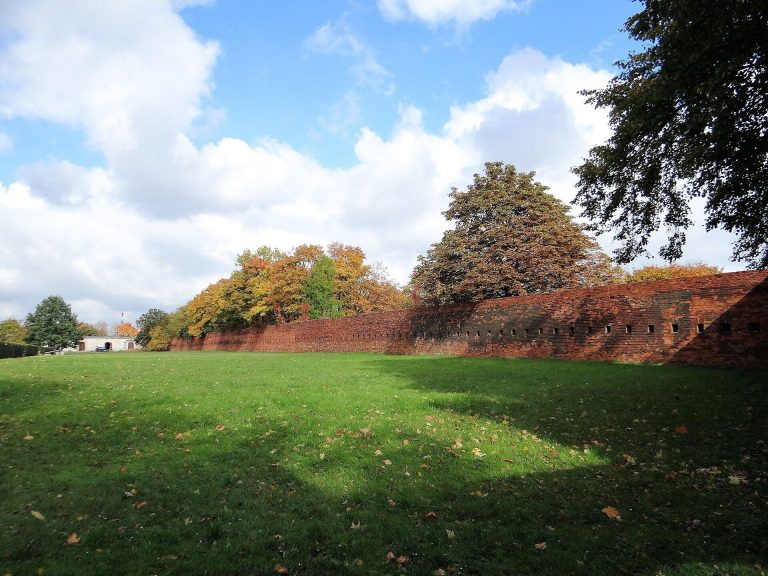
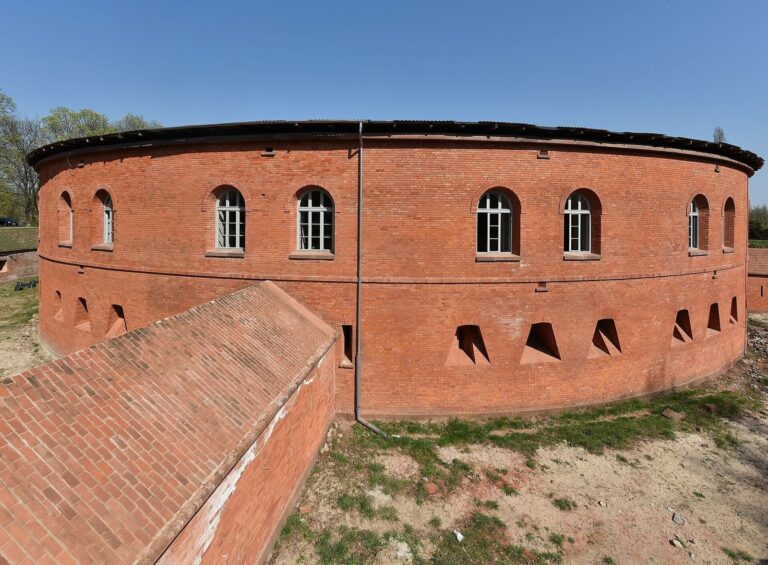
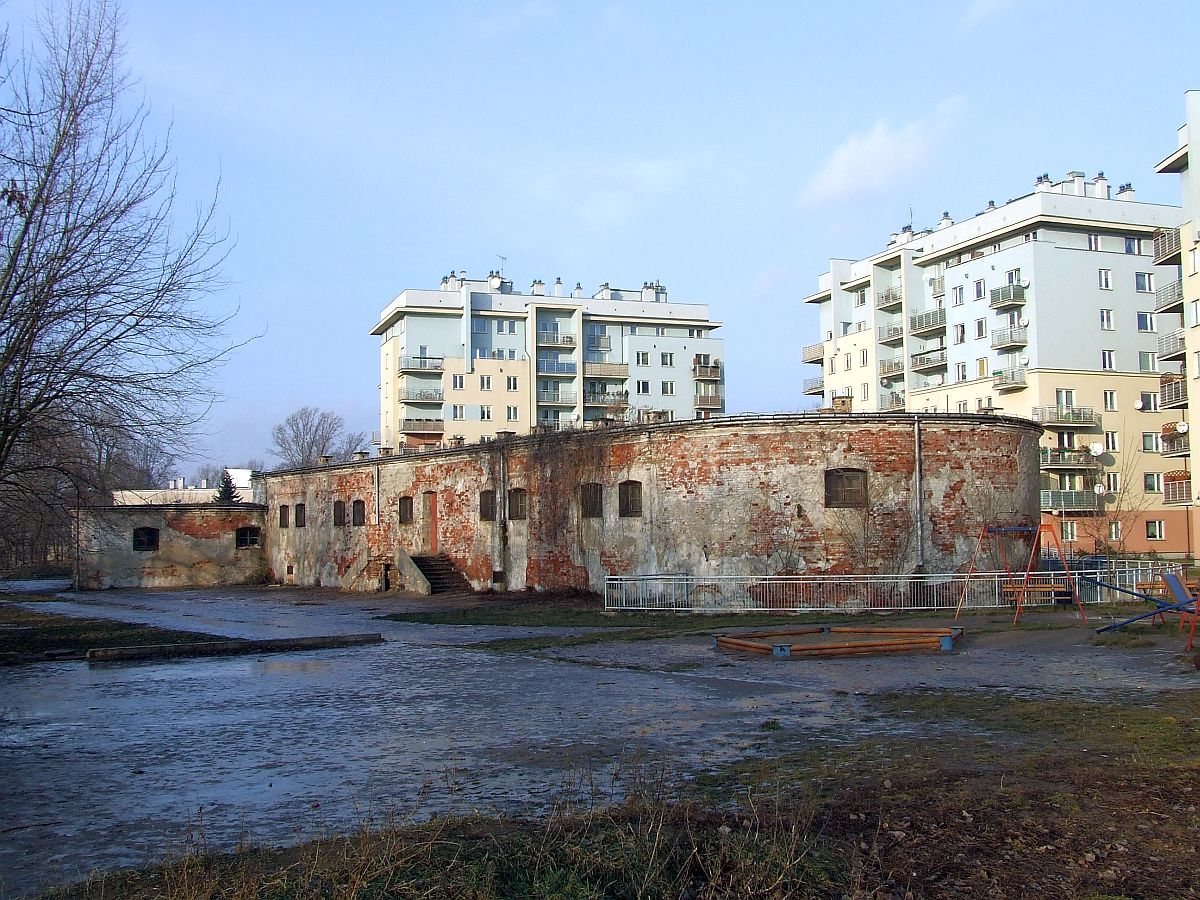
The fort was an earth-and-brick work with a lunette plan, a projecting, crescent-like outline. Two large brick gun casemates, enclosed rooms for artillery, formed part of its defences. A wet moat surrounded the fort, with a masonry counterscarp, the outer retaining face of the defensive ditch.
Southern Gun Casemate
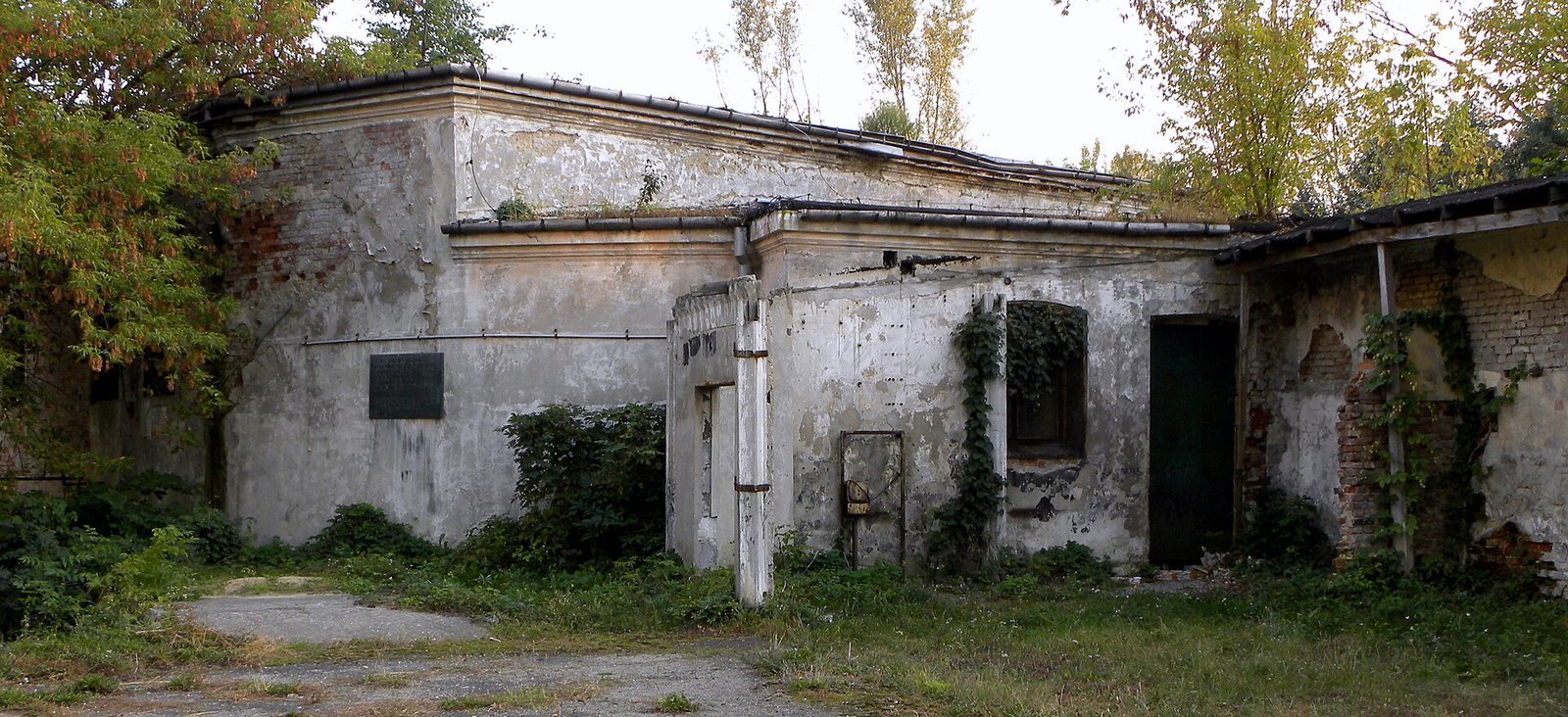
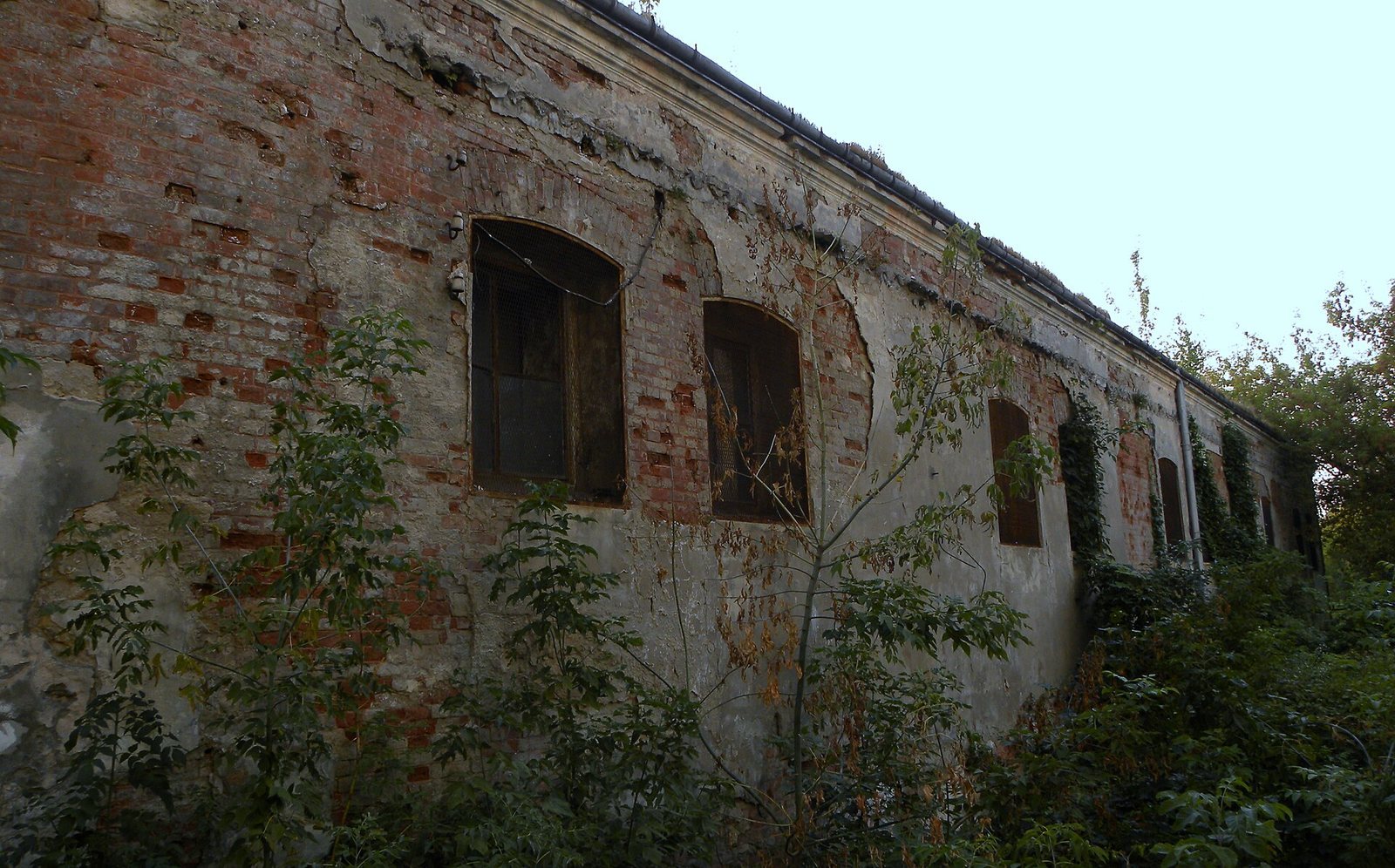
The southern gun casemate survives. It is a caponier, a fortified position designed to fire along a moat, and ZOMO units repaired it in 1976–1977 through a community-work effort. A plaque at the fort commemorates the repair.
Other Buildings and the Estate
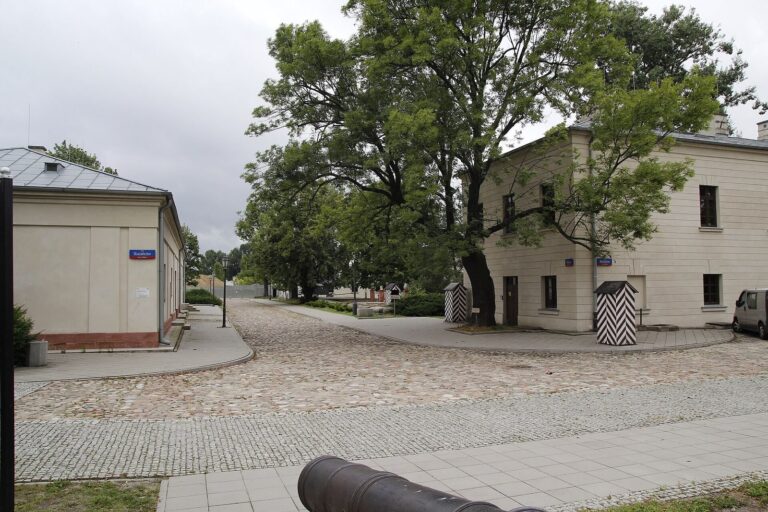
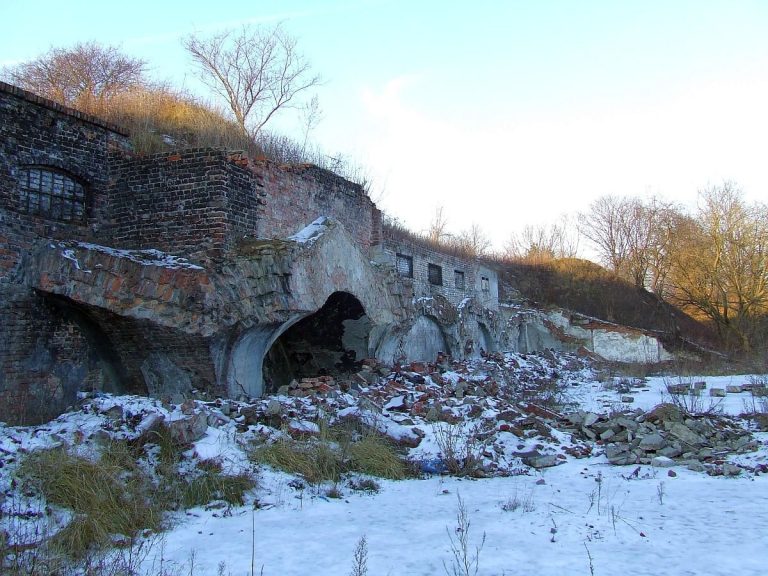
Individual fort buildings also remain. The estate built in 2001 occupies parts of the esplanade, an open area kept clear around a fortress, and part of the courtyard. This development disrupted the fort’s historic layout.
Esplanade and Street Alignment
The fort’s esplanade shaped the curved course of a street laid out along its boundary. The street was named Esplanadowa.