Church of Saint Adalbert of Prague in Niedźwiedź: A Gothic Parish Church
Site at a Glance
- Popularity
- Low
- Country
- Poland
- Primary era
- Medieval
- Eras represented
- Medieval, Early Modern, Modern
- Civilizations
- Habsburg, Kingdom of Poland, Polish–Lithuanian Commonwealth
- Site type
- Religious
- Remains
- Church
On this page12 sections
History
Construction and early use
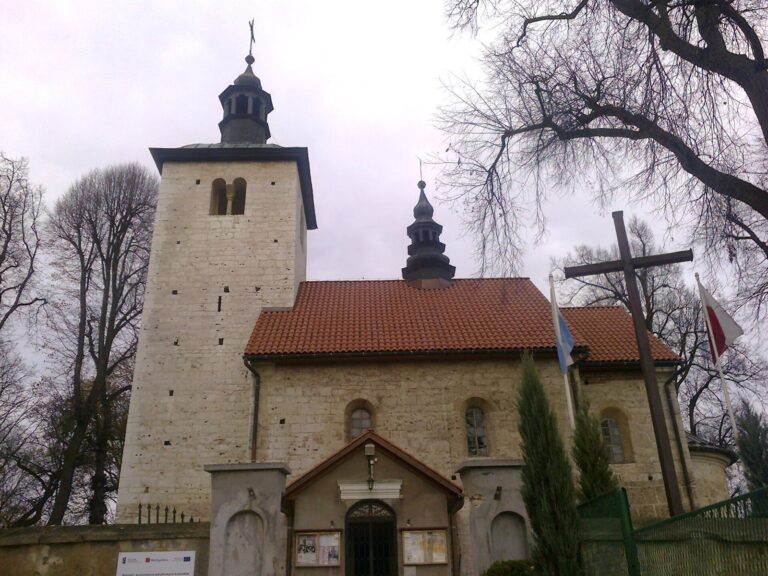
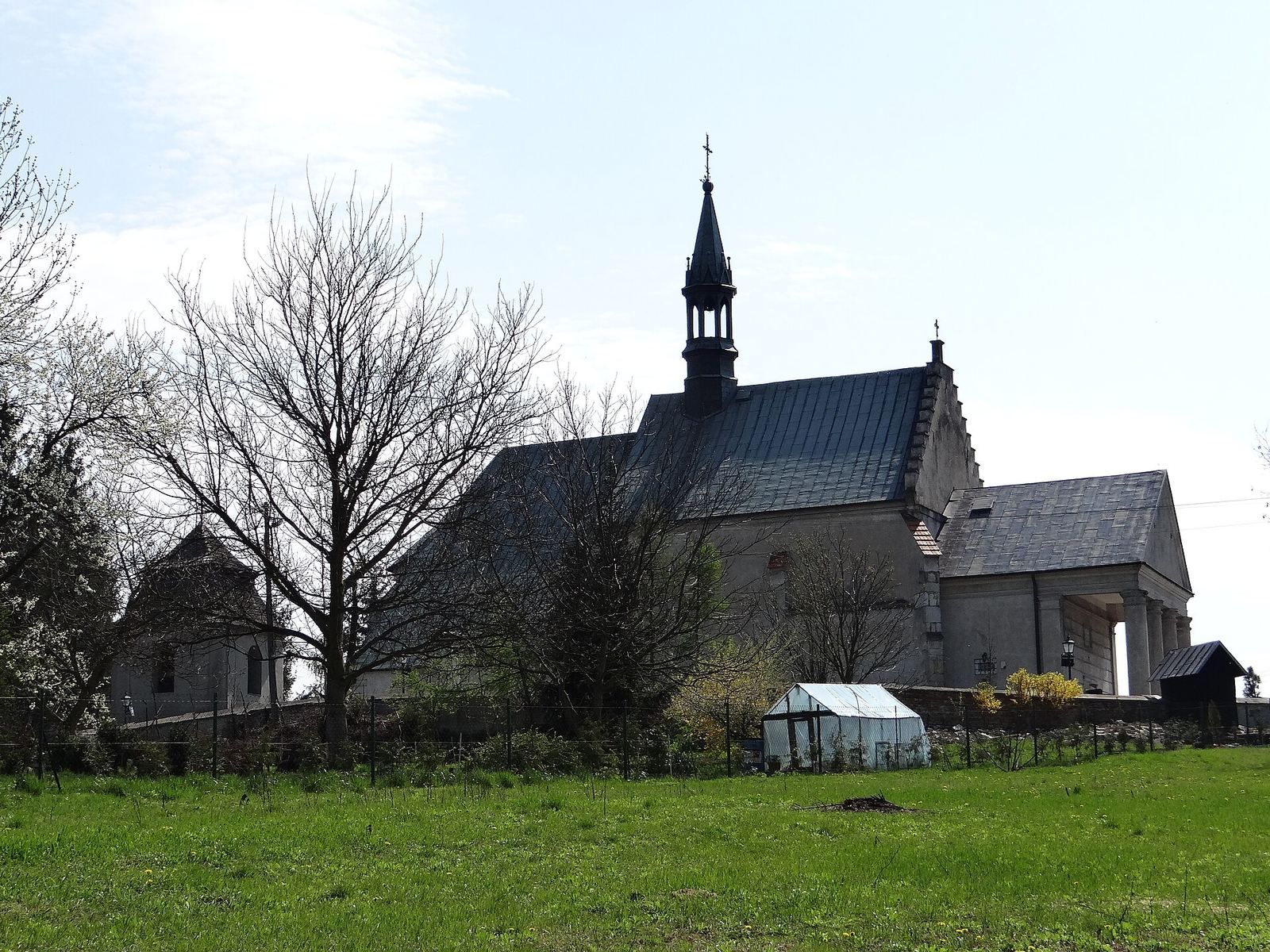
The Church of Saint Adalbert of Prague in Niedźwiedź is a Roman Catholic parish church in Poland. The Stadnicki family initiated its construction between 1483 and 1493 in the Gothic style, replacing an earlier wooden church on the site. The mason was Mikołaj z Lublina.
Reformation and Catholic restoration
In 1596, during the Reformation, the sixteenth-century movement that led to the formation of Protestant churches, Stanisław Stadnicki converted the church to Calvinist worship. Calvinism is a Reformed Protestant tradition associated with John Calvin. Marcin Stadnicki later restored Catholic worship and arranged repairs and new furnishings.
Neoclassical changes
Between 1790 and 1798, Piotr and Tekla Małachowscy financed a neoclassical façade, adding a later architectural layer to the medieval church.
Remains
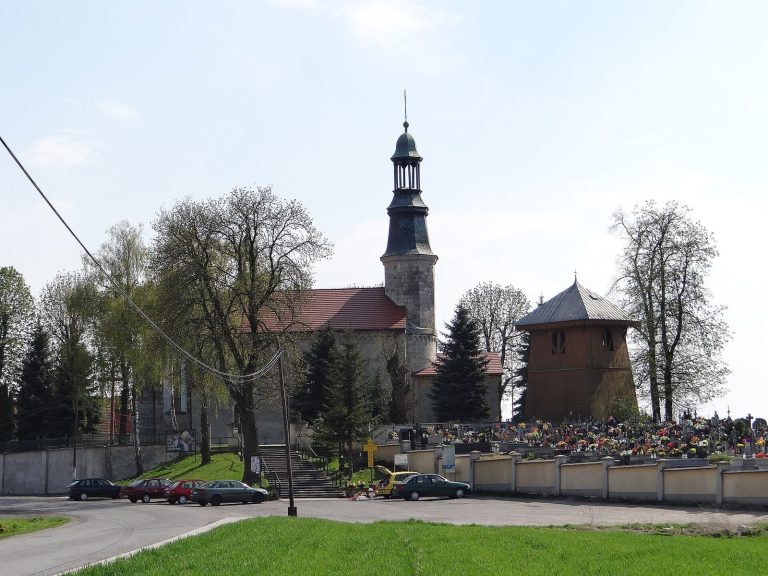
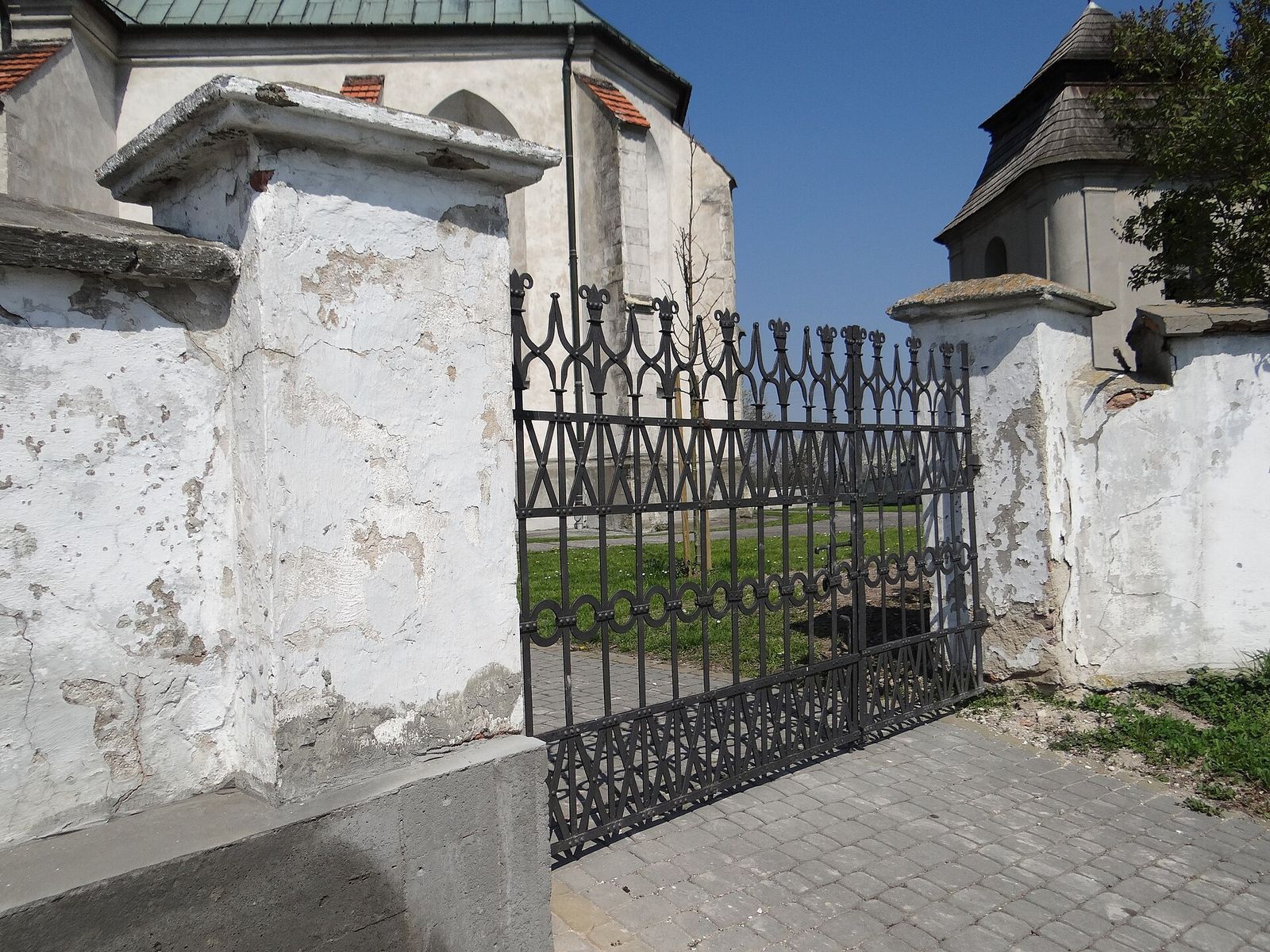
The complex consists of the church, a separate bell tower, an enclosure with gates, a rectory, and rectory gardens. The masonry church is aligned east to west, and its chancel, the area around the altar, is narrower than the main body and ends in three sides.
Buildings and grounds
Church
The church retains late Gothic doorways. Its neoclassical façade has a portico, a column-supported entrance structure, carried by four columns.
Bell tower
East of the church stands a free-standing masonry bell tower dating to the eighteenth century. It is late Baroque in style, with a square plan and rounded corners. Its roof has a change in slope and is covered with wooden shingles.
Enclosure and grounds
The enclosed grounds include gates, the rectory, and its gardens. Beside the church is an 1802 tomb of the founders. A statue of Saint Valentine, a Christian saint traditionally identified as an early martyr, occupies an exterior niche beside the chancel. The figure wears a vestment ornamented with carved flowers; it originally stood in the cemetery.
Furnishings and artworks
Madonna and Child
The church contains a wooden Gothic sculpture of Mary with the infant Jesus, dating to about 1420.
Adoration of the Three Kings
An early sixteenth-century panel painting depicts the Three Kings paying homage to Jesus.