Palazzo Costaguti: A Mannerist Palace in Rome
Site at a Glance
- Popularity
- Medium
- Country
- Italy
- Primary era
- Early Modern
- Eras represented
- Early Modern, Modern
- Civilizations
- Italian, Papal States
- Site type
- Domestic
- Remains
- Elite Residence
On this page12 sections
History
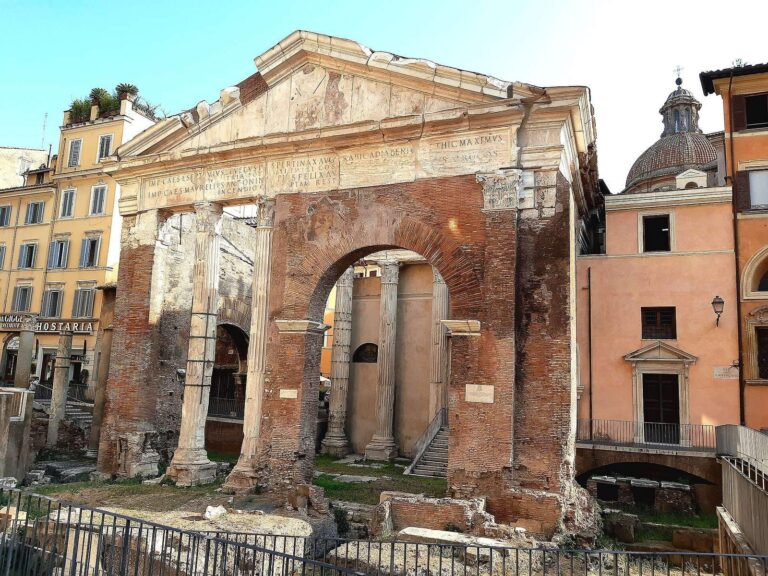
Palazzo Costaguti is a Mannerist palace in Rome, Italy, built in the first half of the sixteenth century for Monsignor Constanzo Patrizi, treasurer to Pope Paul III. Mannerism, a late Renaissance style marked by stylized forms and deliberate complexity, shaped the palace’s architectural character. The building replaced the Church of San Leonardo de Albis, which had stood on the site of an ancient Roman temple.
Patrizi foundation and Costaguti renovation
After Patrizi died in 1578, the palace was sold to brothers Ascanio and Prospero Costaguti for 26,000 scudi, a currency used in several Italian states. The brothers belonged to a Ligurian banking family. Between 1597 and 1619, they renovated the building to designs by Carlo Lambardi and established a new principal entrance on Piazza Mattei, replacing the older main entrance on Via della Reginella. In the early seventeenth century, the Costaguti became treasurers to Pope Paul V. Cardinal Giovanni Battista Costaguti, a member of the family, also contributed actively to the construction of St Peter’s Basilica.
Nineteenth-century changes
In 1823, the former entrance on Via della Reginella was incorporated into the Roman Ghetto, the city’s historically designated Jewish quarter. The Costaguti closed its gateway there and made the Piazza Mattei portal the principal entrance. Later in the nineteenth century, architect Giovanni Battista Giovenale undertook further renovations. This work continued after the Costaguti joined the Afan de Rivera family, which had Spanish and Neapolitan connections.
Wartime refuge and present use
During the Second World War, Marquis Achille Belloso Afan de Rivera sheltered many Jews in the palace during the persecution in Rome. During the roundup in the Ghetto, he blocked German forces at an entrance, apparently preventing them from reaching people sheltering inside who hoped to leave through the other door.
The palace remains the property of the Marquises Afan de Rivera Costaguti and is now the seat of Universitas Telematica Mercatorum.
Remains
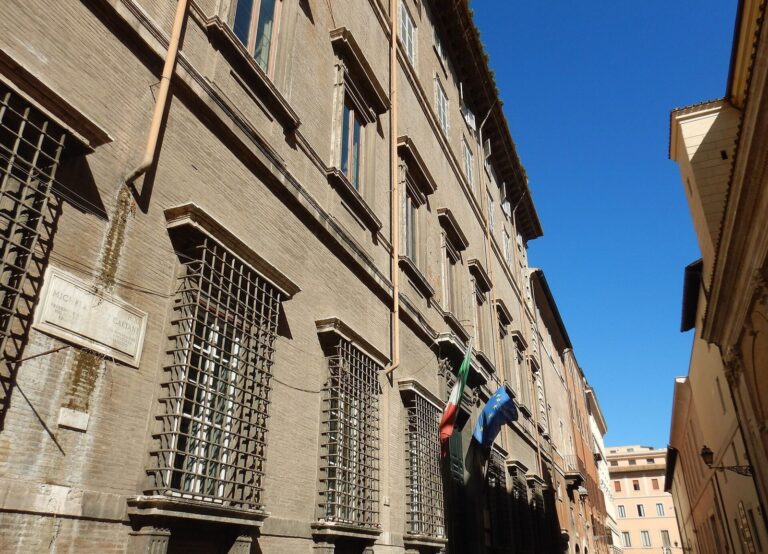
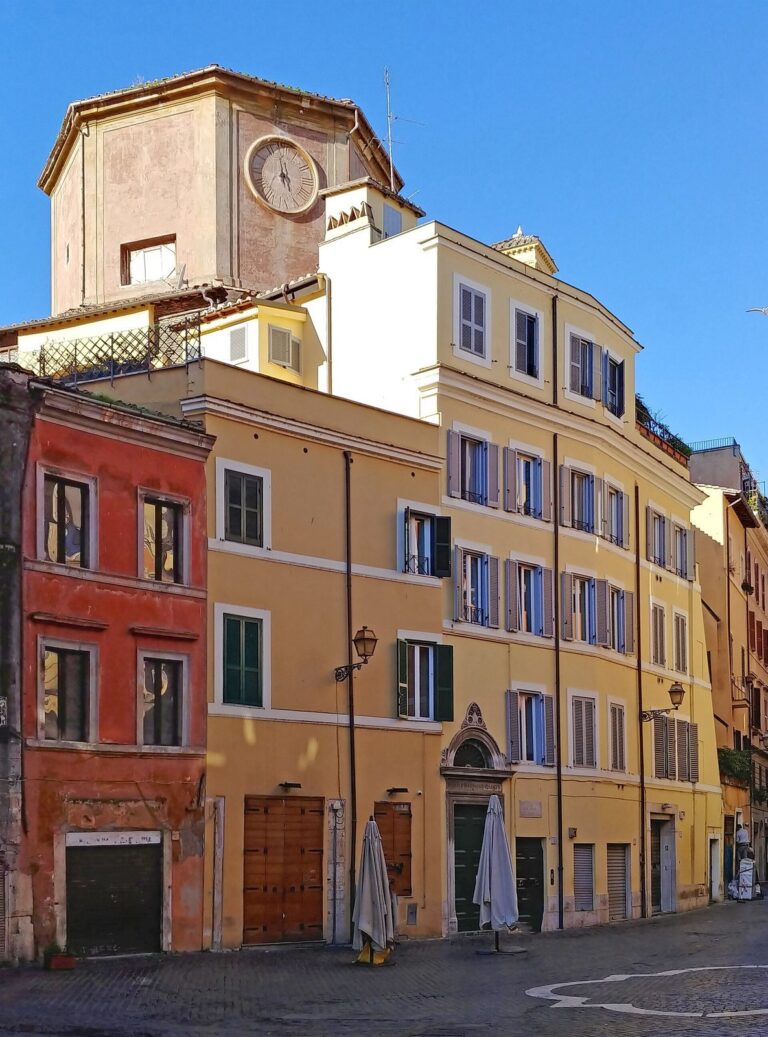
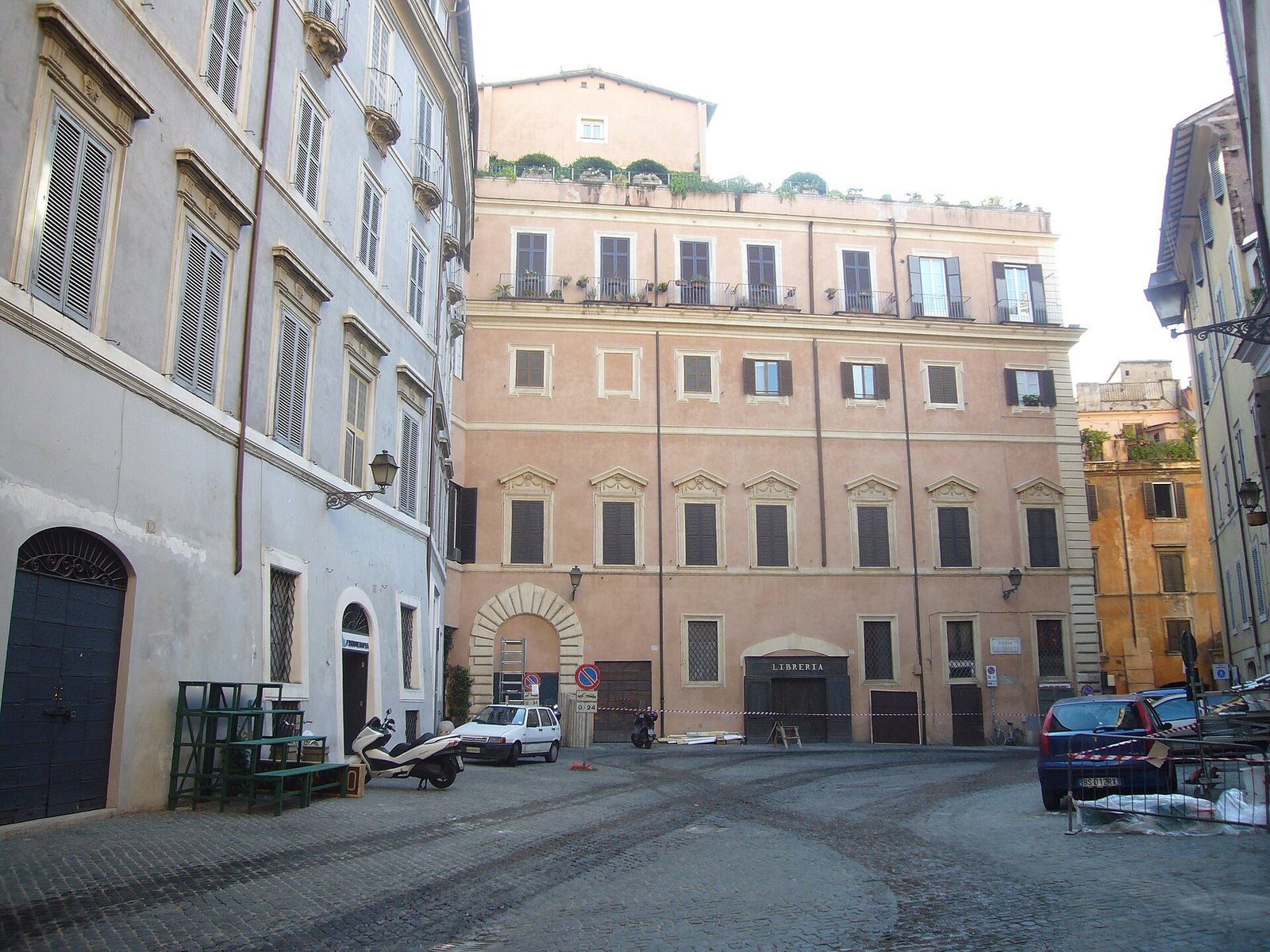
The palace stands at the corner of Piazza Mattei and Via della Reginella, extends along Via dei Falegnami, and has rear façades on Piazza Costaguti. Its surviving exterior combines the principal entrance on Piazza Mattei with façades facing Piazza Costaguti.
Façades and entrances
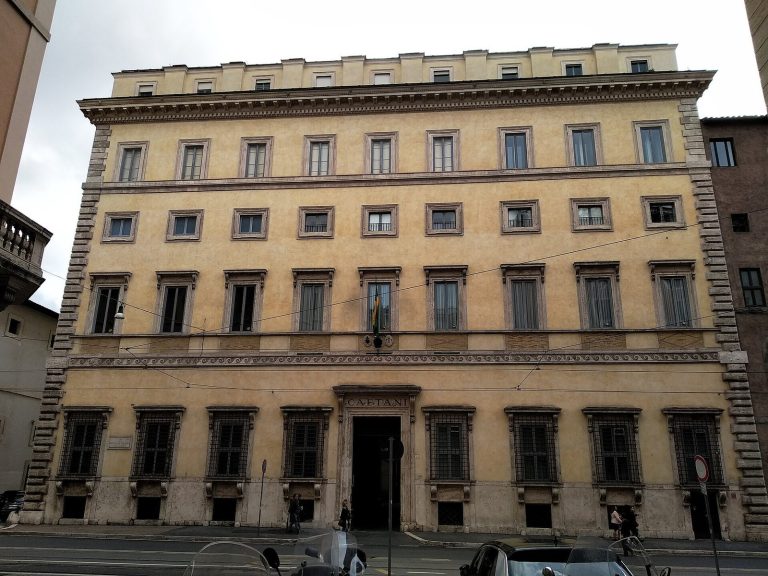
Piazza Mattei façade
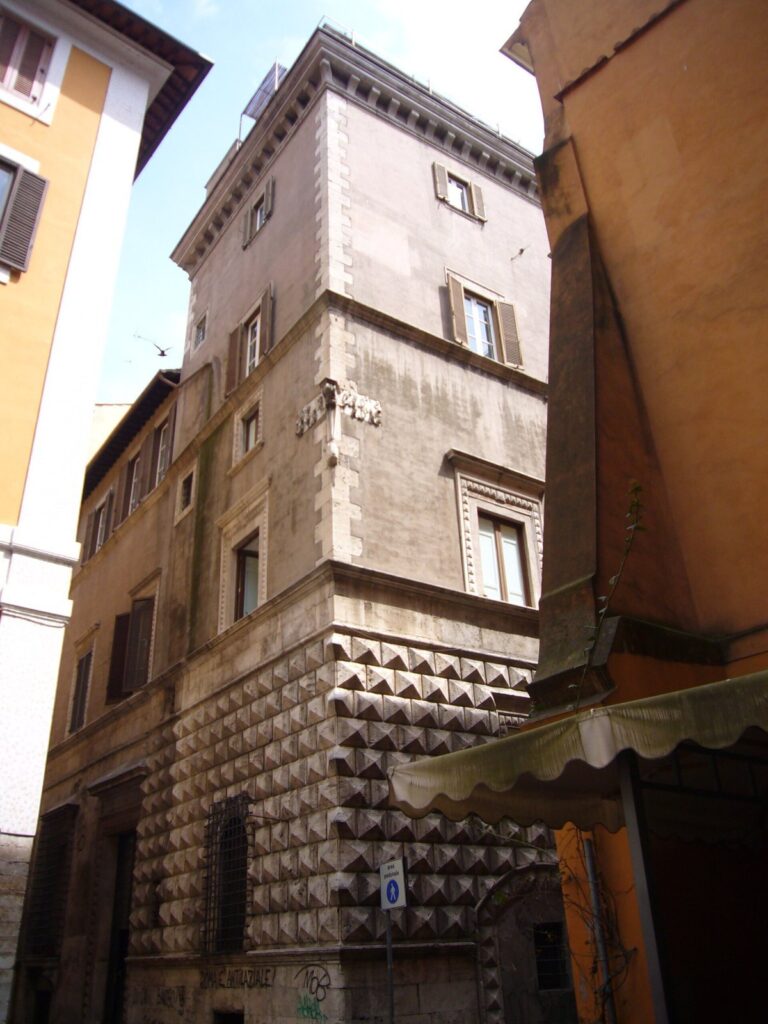
The main portal on Piazza Mattei bears an architrave, the horizontal element above an opening, inscribed COSTAGUTI. Rusticated stone blocks, dressed to leave deliberately rough faces, run up the building’s corners from ground level to the eaves. This treatment also appears on the Piazza Costaguti façade.
Piazza Costaguti façades
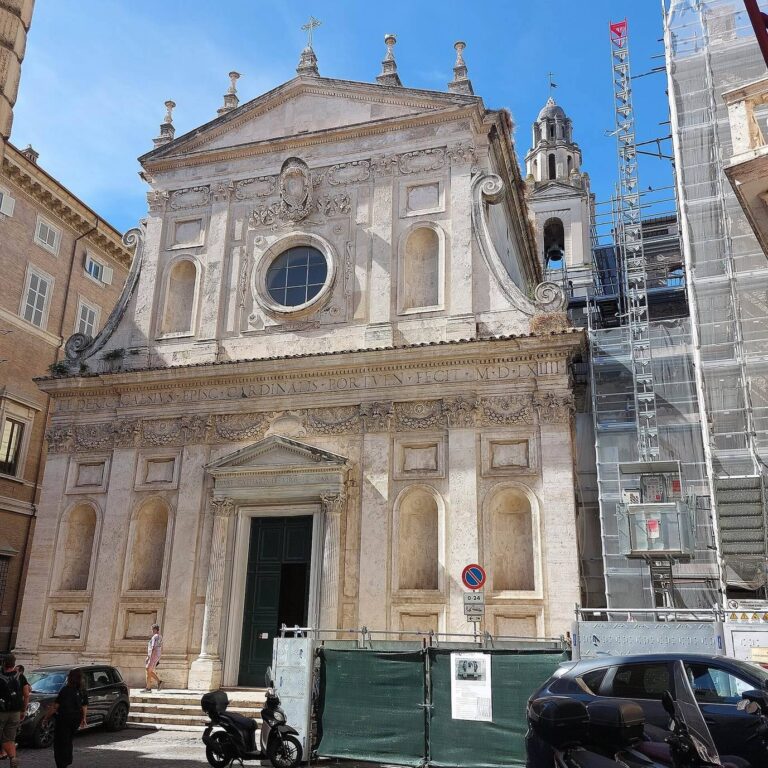
The façade on Piazza Costaguti has two principal levels of windows. Those on the lower level have architraves and triangular garland-like ornaments, while the upper windows have projecting cornices. A nineteenth-century storey raised at the eaves has small balconies with iron railings. At ground level, a portal of rusticated stone sits among modern doors and windows. A side façade faces a small chapel dedicated to Our Lady of Mount Carmel.
Courtyard and family emblem
In the twenty-first century, the courtyard was renovated to restore its sixteenth-century appearance. The Costaguti coat of arms, made up of three pointed lines representing three stars, appears throughout the palace.
Interior decoration
Piano nobile and painted halls
The piano nobile, the palace’s principal reception floor, retains its original decoration and is still inhabited by members of the Costaguti family. Its frescoes and paintings include mythological works by Raffaele Romanelli, Guercino’s ceiling in the Hall of Rinaldo and Armida, made with Agostino Tassi, and works by Taddeo and Federico Zuccari in the Hall of the Months. The interior also contains works by Gaspard Poussin and the Hall of Venus. Among the large paintings are The Chariot of the Sun and Time Discovering Truth, by Domenichino with assistance from Tassi; Francesco Albani’s Rape of Europa; and Bacchus and Ariana by Giacomo and Pierfrancesco Mola. The Hall of Hercules is associated with works by Giovanni Lanfranco and Sisto Badalocchio.
Grand staircase
A richly decorated staircase connects all floors. Its steps are made of Carrara marble and peperino, a volcanic building stone. Statues of the Costaguti ancestors Ascanio and Prospero remain on the staircase, along with a marble bench formerly used by people resting during the climb.