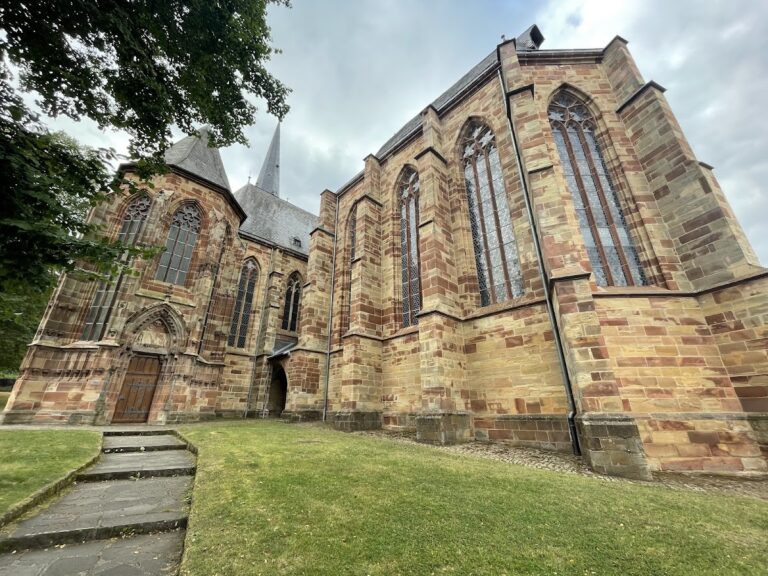
Hessenstein Castle: A Medieval Administrative Fortress and Youth Hostel in Germany

Site at a Glance
- Rating
- 4.5
- Popularity
- Low
- Country
- Germany
- Primary era
- Medieval
- External website
- Open
- Eras represented
- Medieval, Modern
- Civilizations
- Holy Roman Empire
- Site type
- Military
- Remains
- Castle
On this page12 sections
History
Hessenstein Castle is a late-medieval hilltop fortress in Germany, near Ederbringhausen in the municipality of Vöhl. Landgrave Henry II of Hesse built it between 1342 and 1348 on the remains of the earlier Silburg. The castle served as a fortified administrative residence for local officials and later developed into a seat of territorial administration, forestry, youth education, and hostel use.
Foundation and Haina Monastery
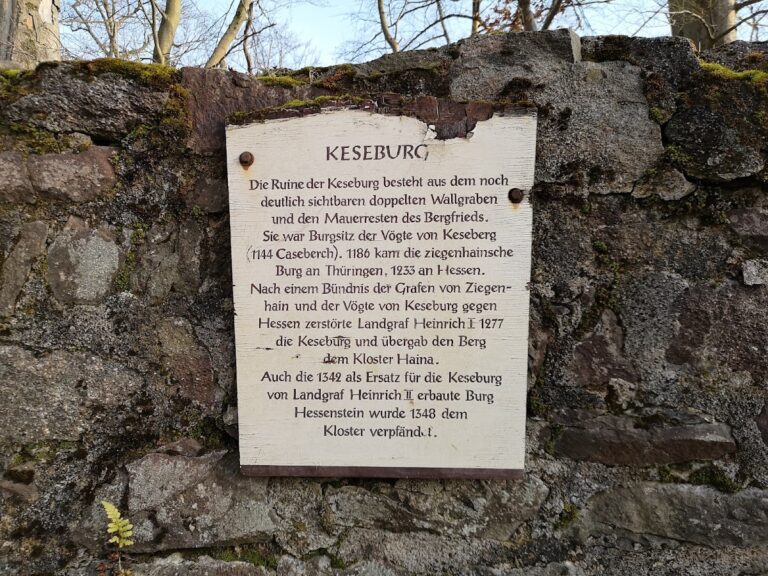
Hessenstein replaced Keseburg, which Henry II’s father had destroyed in 1277. Its position on elevated ground provided a defensible base for the landgrave’s local administration. A landgrave was a high-ranking territorial ruler in the medieval German Empire, broadly comparable to a prince, while his landgraviate was the territory under his rule.
In 1348, pressure from the Archbishop of Mainz led to Hessenstein being pledged to Haina Monastery. During the following centuries, castle wardens, lords, and other officials lived at the site. The Gaugreben family of Goddelsheim served for a period as ministerials of Haina Monastery and was appointed by its abbot to administer Hessenstein. Ministerials were members of the medieval service nobility who carried out official, military, or administrative duties for a superior lord or institution.
Landgraviate Administration and Forestry
The Reformation, the sixteenth-century movement that transformed Western European Christianity and produced Protestant churches, was introduced in Hesse in 1555. After this change, Hessenstein returned to the landgrave’s control and became the seat of the landgraviate’s Hessenstein administrative office. Rentmasters managed the office and its territorial revenues.
A forestry district association was established at the castle in 1821. From 1890, Hessenstein housed both a chief forester and a district forester, extending the complex’s administrative role into the management of the surrounding woodland.
Youth Hostel and Educational Center
In 1922, Hessenstein became the first youth hostel established in Hesse by the German Youth Hostel Association, placing it among Germany’s oldest youth hostels. During the 1920s, the resident district forester also served as hostel warden. A postcard from 1926 presented the site as a forester’s residence with a Wandervogel hostel. The Wandervogel was a German youth movement that emphasized hiking, outdoor life, and communal cultural activities.
The service wing burned down in 1942 and was rebuilt in 1945 as an official residence for a district forester. Extensive conversion and renovation between 1967 and 1970 adapted the castle to modern youth-hostel use while largely preserving the medieval character of the main building and gatehouse façades. A connecting building between the main building and service wing was added in 1987.
The German Youth Hostel Association’s Hesse regional association closed the hostel on 31 October 2007. After major building works by the State of Hesse during the winter of 2007–2008, including a modern fire-protection system, operation passed on 1 April 2008 to Jugendburg Hessenstein gemeinnützige GmbH. The company was run by the Hesse branch of NABU, the district crafts association, and Waldeck-Frankenberg district. NABU is a major German nature-conservation organization.
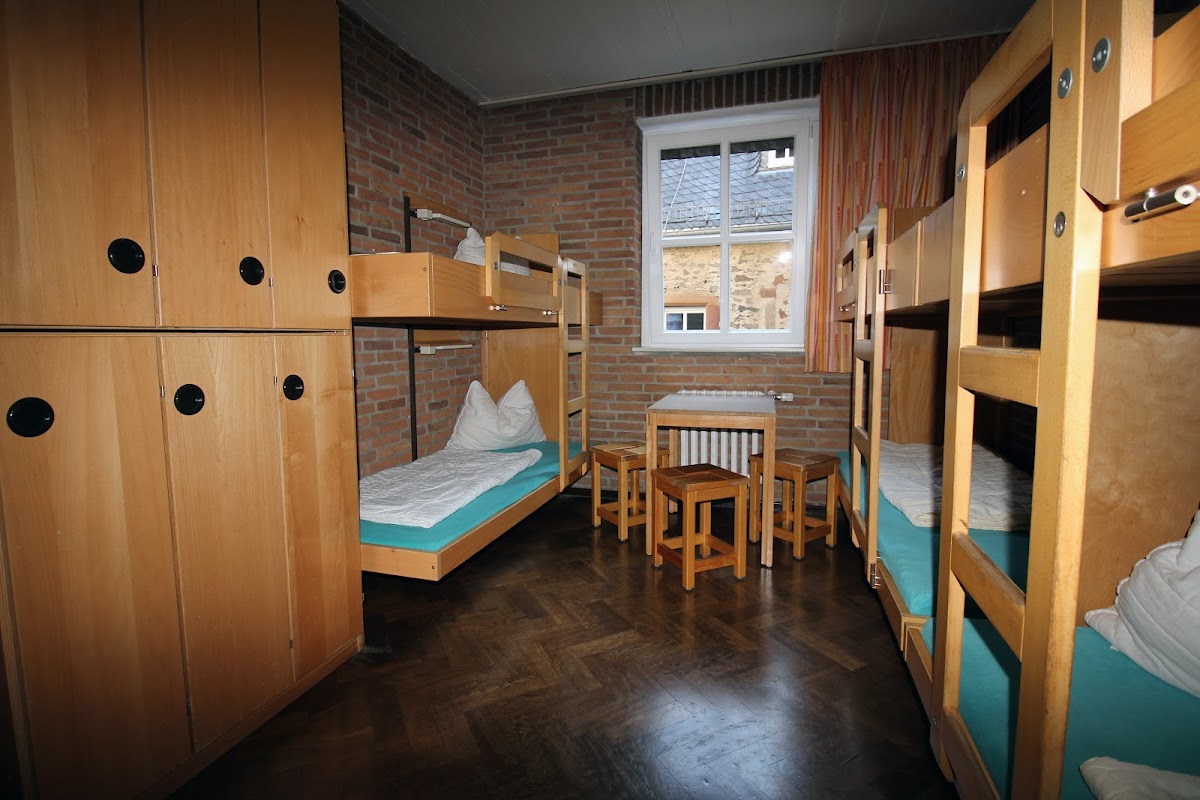
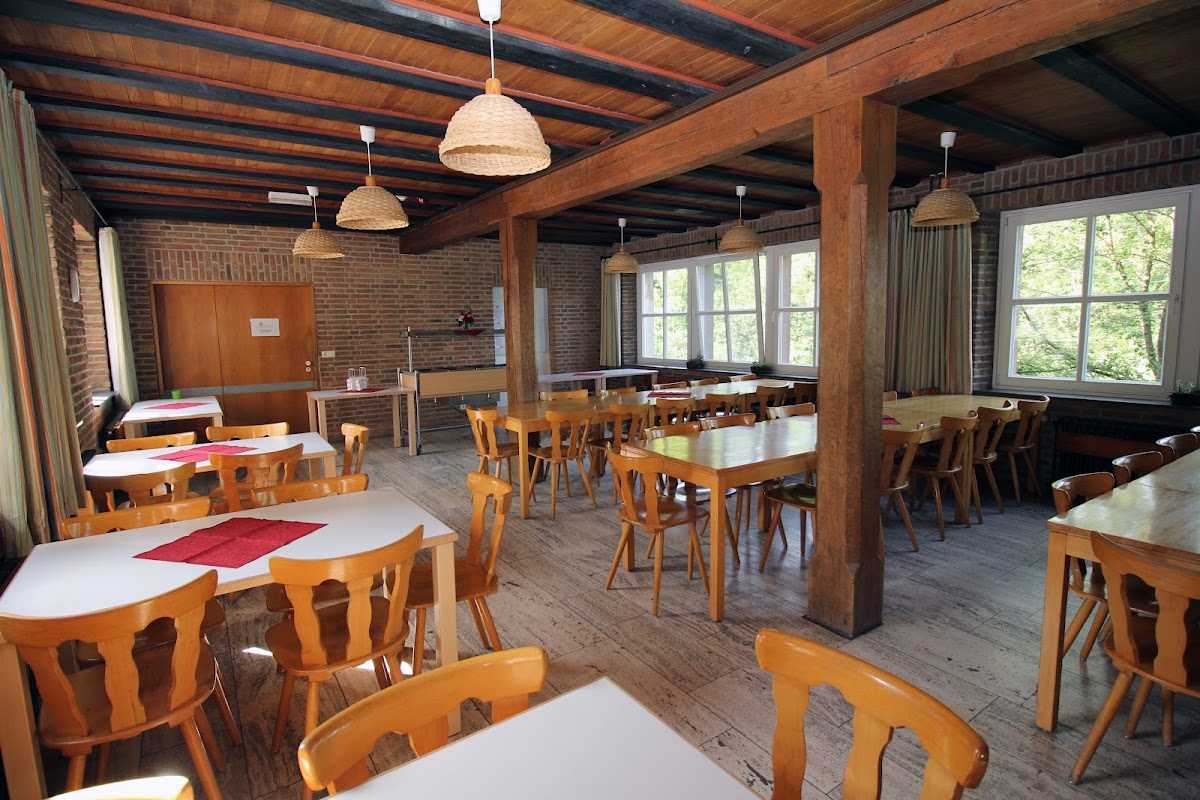
The complex again operated as a youth hostel and conference venue, and a youth educational center was established there in 2012. Its programs addressed nature, crafts, and the Middle Ages, with education for sustainable development focused on biological diversity and lifestyle. From 2008 to 2018, a wilderness-education project known as “Waldscout–Wildnisexpedition” operated in cooperation with Kellerwald-Edersee National Park and NAJU Hesse. NAJU is the youth branch of NABU.
Further extensive renovation took place during the winter of 2016–2017, particularly affecting sanitary facilities and accessibility measures. The operating company entered insolvency proceedings at Korbach District Court on 1 October 2024, after operations had declined from nearly 17,600 overnight stays in the preceding year. Hostel operations ended in November 2024. On 1 April 2025, the Hesse regional branch of the German Youth Hostel Association leased the castle from the State of Hesse, and hostel operations resumed in May 2025.
Hessenstein is protected as a cultural heritage monument in Hesse and appears in the cultural-heritage monument list of Vöhl.
Remains
Hilltop Setting and Medieval Core
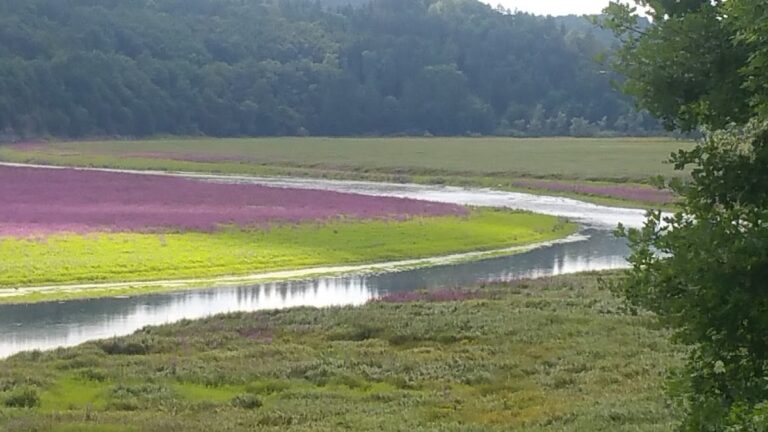
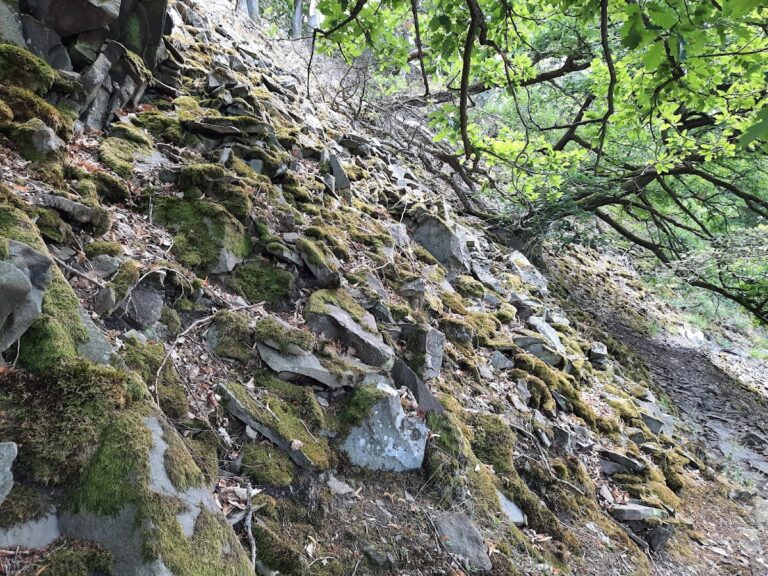
Hessenstein stands at approximately 327 metres above sea level on a southern spur of the Keseberg, a mountain rising to 431.2 metres. The fourteenth-century fortress occupies an isolated woodland setting about 1.7 kilometres southeast of Ederbringhausen. The Lengelbach passes south of the mountain and castle before flowing into the Eder approximately 500 metres west of Hessenstein. The Eder reaches the Edersee about 7 kilometres farther north, near Herzhausen.
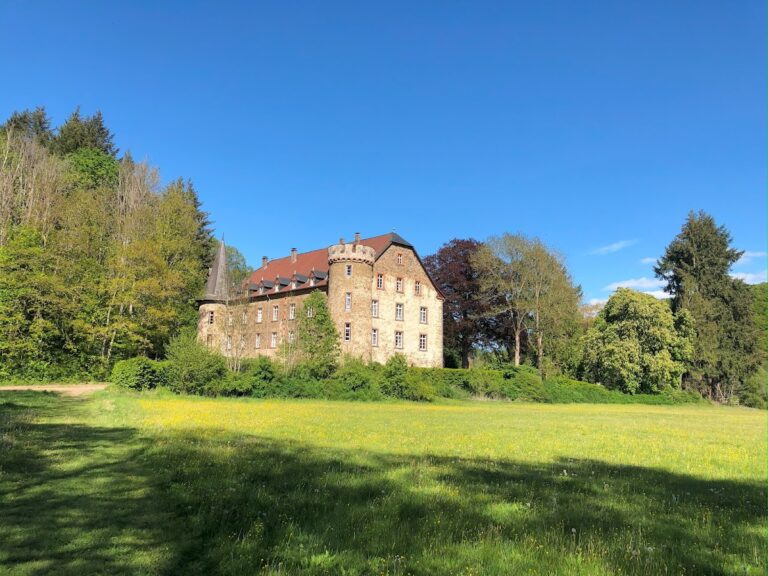
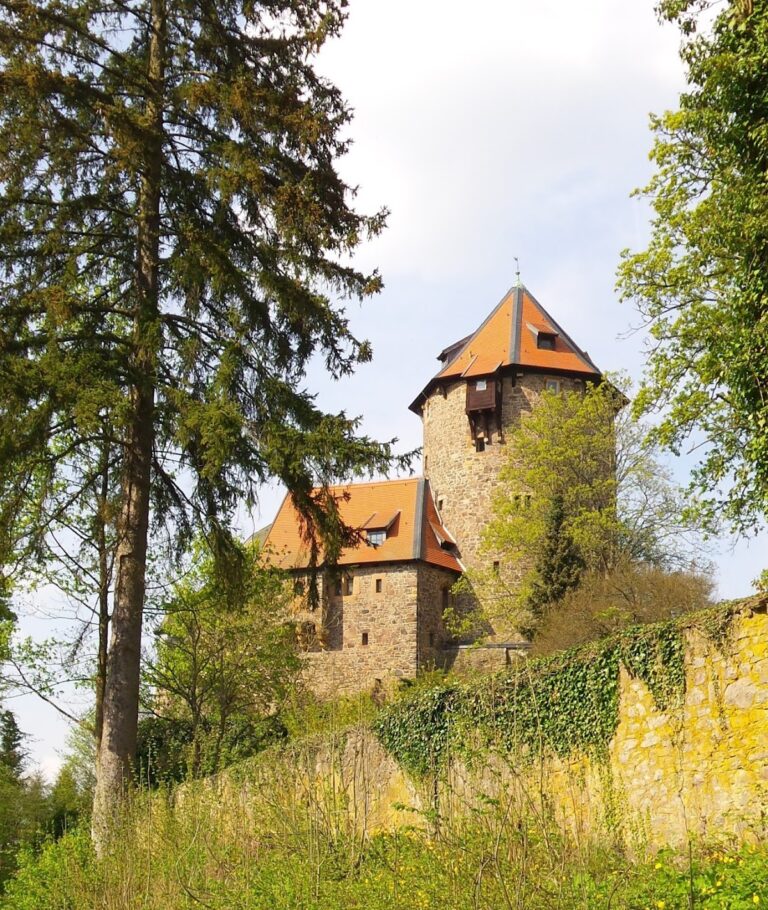
The castle was built over the remains of the earlier Silburg. Its surviving medieval core consists principally of a main building and a gatehouse. Although the complex has been converted and modernized, the façades of both structures remain largely in the form created under Landgrave Henry II in the fourteenth century.
Main Building and Gatehouse
Main Building
The main building forms one of the principal surviving elements of the fourteenth-century castle. Its façade largely preserves the medieval appearance established during Henry II’s construction campaign. The building is now incorporated into a hostel and educational complex rather than functioning solely as a military structure.
Gatehouse
The gatehouse retains much of its fourteenth-century façade and remains part of the castle’s medieval architectural character. Its continued integration into the adapted complex links the surviving defensive fabric with the building’s later administrative, forestry, and educational uses.
Later Service Buildings
Rebuilt Service Wing
The former service wing was rebuilt in 1945 after the original structure burned in 1942. Its postwar form reflects the castle’s continued use for official forestry accommodation before the complex was adapted for modern hostel purposes.
Connecting Structure
A connecting structure joining the service wing to the main building was inserted in 1987. Together with renovated sanitary installations and accessibility adaptations, it forms part of the modern facilities that support the castle’s present hostel and educational functions.