Castles in Sweden: Explore Lakefront Residences, Moated Citadels and Naval Forts
Castles in Sweden include royal residences beside lakes, bastioned citadels, coastal forts and houses with carefully preserved domestic interiors. Their towers served different purposes: some contained gun positions, while others framed ceremonial courtyards or advertised the status of an owner. The collection includes the full range of forts, castles, palaces and residences represented by these buildings.
Primary Function: All
Type: All
Civilization: All
Popularity: All
Rating: All
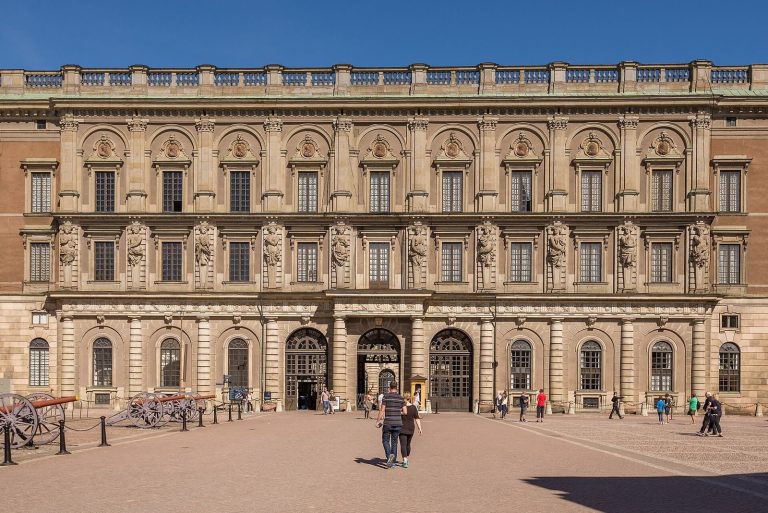
Stockholm Palace is Sweden’s official royal residence and a major Baroque complex built after the destruction of Tre Kronor Castle in 1697. Its…
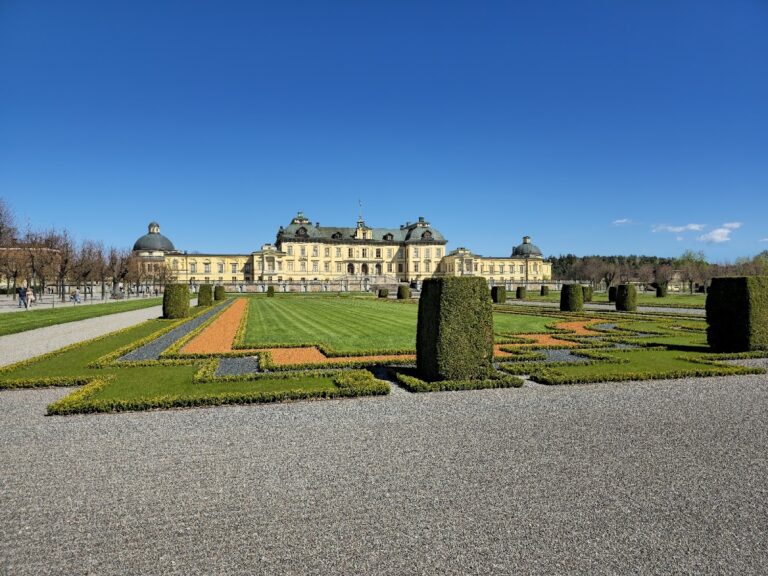
Drottningholm Palace is a Swedish royal residence whose Baroque rebuilding began after a 1661 fire. Its palace, theatre, Chinese Pavilion, gardens,…
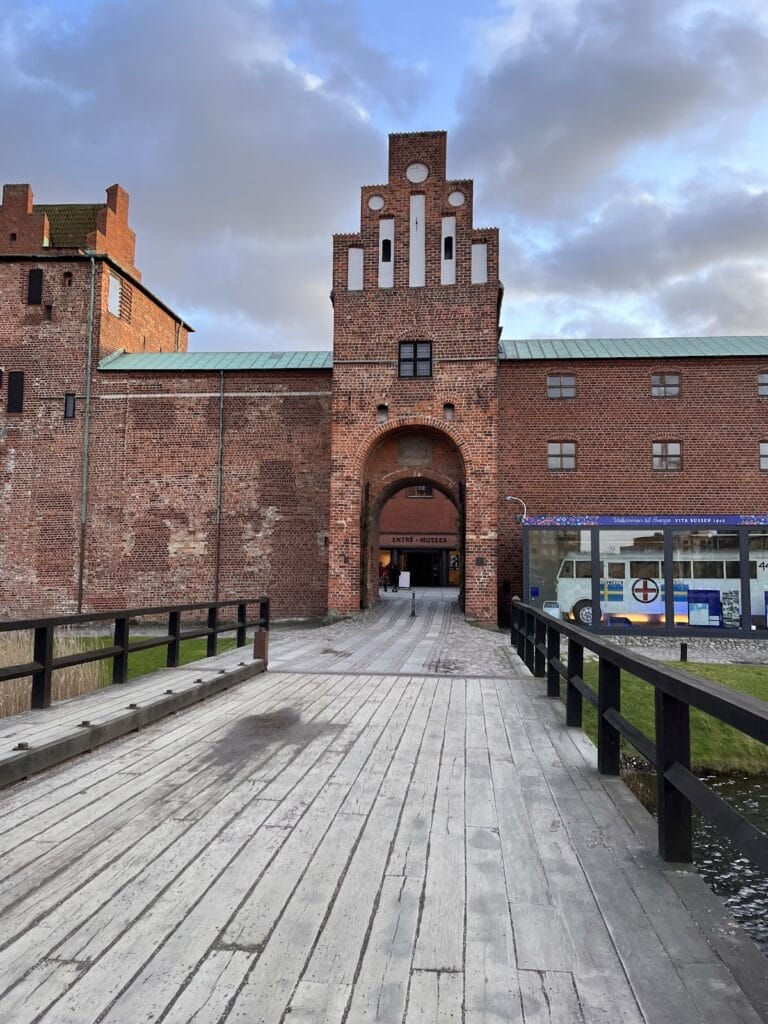
Malmö Castle developed from a 15th-century Danish defensive fortress into a Renaissance stronghold, prison, and museum complex. Its surviving…
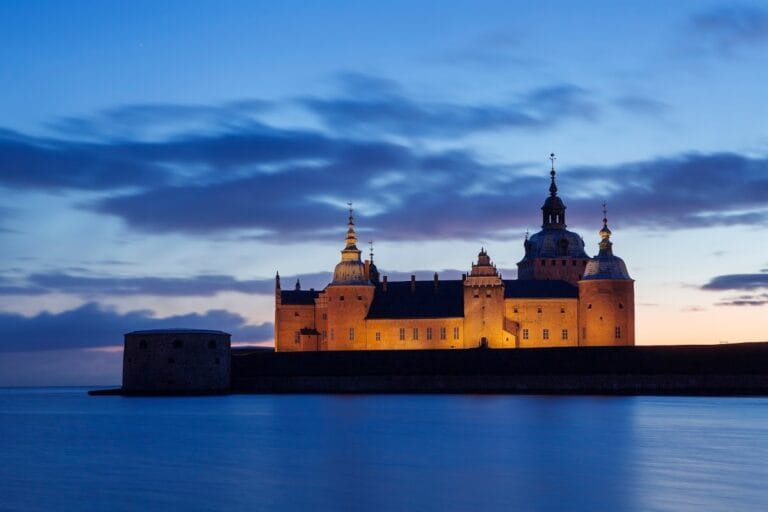
Kalmar Castle began as a late-twelfth-century defensive tower and developed into a medieval stronghold, royal residence, and political center. Its…
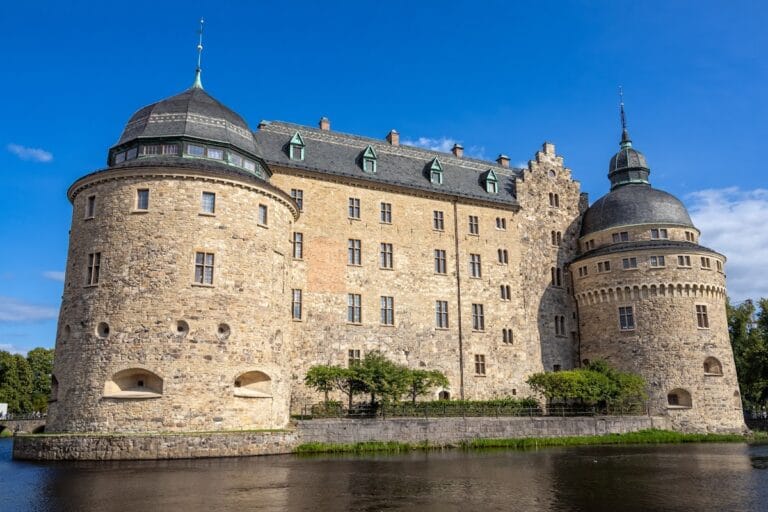
Örebro Castle developed from a fourteenth-century royal fortress into a Renaissance palace and later an administrative residence, prison, museum, and…
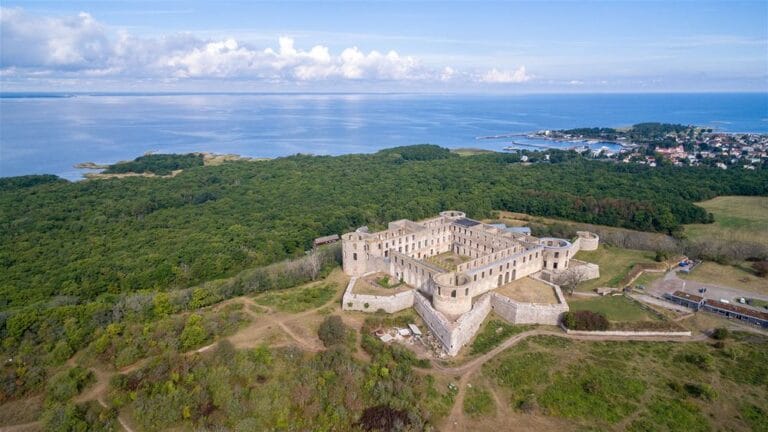
Borgholm Castle on Öland developed from a twelfth-century limestone tower into a medieval fortress, Renaissance castle, and unfinished Baroque palace…
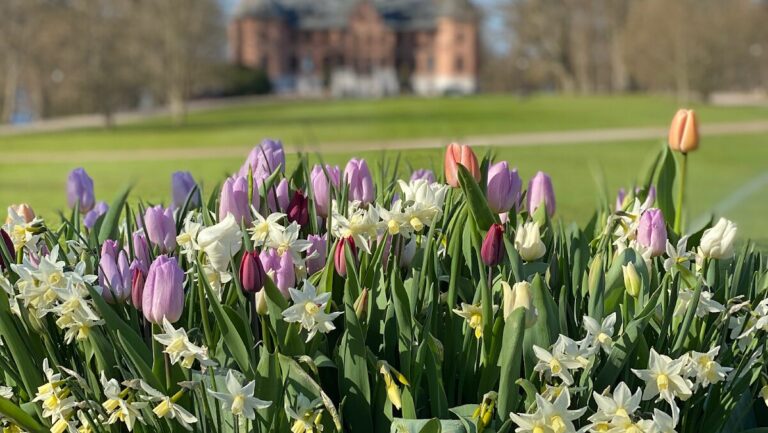
Sofiero Palace in Helsingborg developed from a nineteenth-century royal summer residence into a public park and cultural venue, known for its…

Vadstena Castle began as a sixteenth-century defense for the Swedish realm before becoming a princely residence and royal site. Its fortifications,…
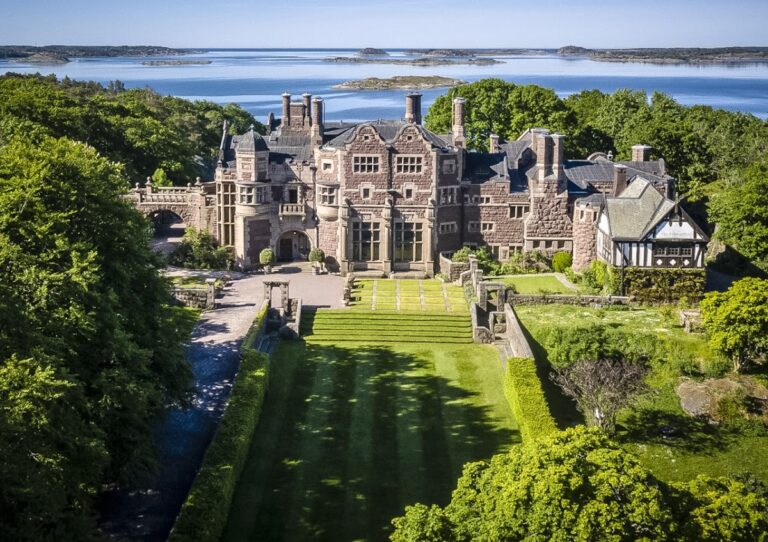
Tjolöholm Castle is a Belle Époque country house on Sweden’s Kattegat coast, built between 1898 and 1904 for the Dickson family and later preserved…
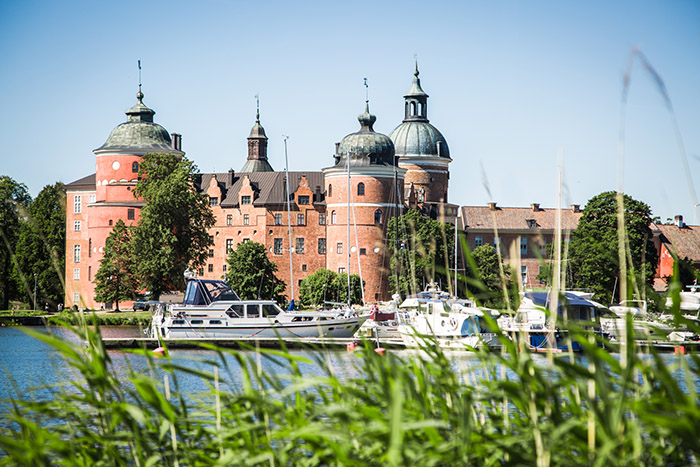
Gripsholm Castle beside Lake Mälaren developed from a medieval estate into a Vasa royal residence, prison, theatre, and museum. Its surviving…
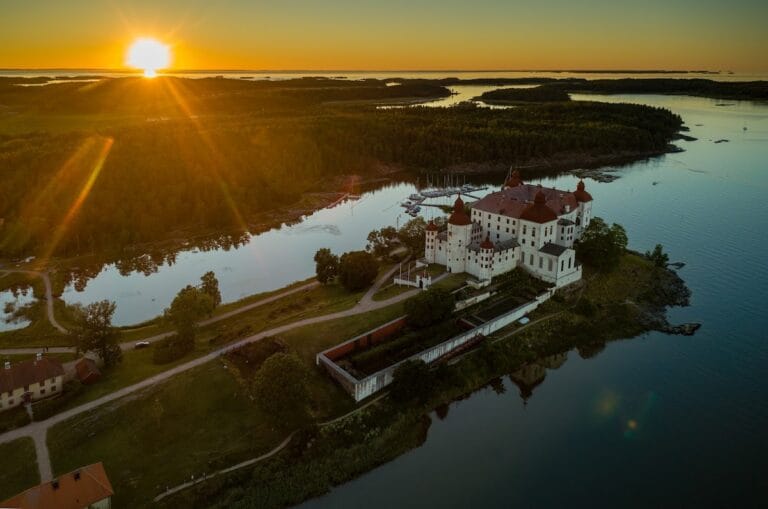
Läckö Castle developed from a thirteenth-century episcopal fortress into a grand seventeenth-century residence associated with Sweden’s Age of…
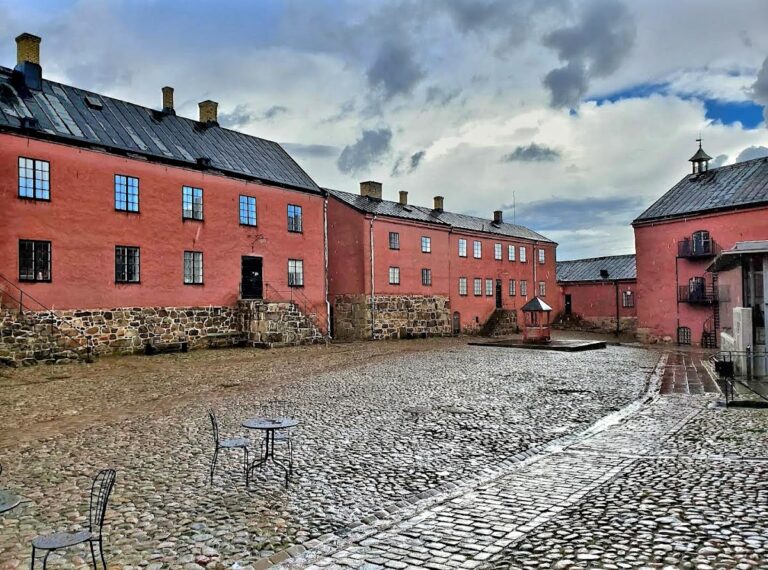
Varberg Fortress in Sweden developed from a medieval stronghold into a Danish early-modern fortress, later serving as a prison and museum. Its…
For details on how to use the maps, which sites are included, how popularity and ratings are determined, and how sites are classified, see the help page.
On this page5 sections
Lakefront castles at Läckö and Vadstena
Läckö Castle occupies a rocky promontory, with medieval walls incorporated into a residence enlarged over several centuries. Additional storeys, courtyard arcades and a castle church belong to the later development under the De la Gardie family. Older towers and lower masonry remain within that expanded complex.
The southern entrance tower retains a Gothic ribbed vault with defensive openings above the lower passage. Such features preserve an earlier military use within buildings whose later rooms and courtyard were arranged for a substantial household.
Vadstena Castle stands beside Lake Vättern. It began as a fortress with four cannon towers, broad walls and a water-filled moat. Royal rebuilding connected the principal buildings with intermediate wings, added stair towers and gave the residence its large gables. Reconstructed ramparts and courtyard towers now accompany the older masonry, while the interior plan distinguishes kitchens and soldiers’ spaces from the royal rooms above.
Skokloster: a Baroque courtyard and separate household routes
Skokloster Castle is a square Baroque residence with four wings and tall octagonal corner towers. An arcade surrounds the inner courtyard, where patterned paving directs rainwater towards a central drain. The brick walls stand on a stone foundation, and parts of the historic roof tiling survive alongside later replacements.
Inside, the household moved through several parallel routes. Formal circulation passed through principal halls, private movement used corridors and anterooms, and service access connected stairs with smaller adjoining spaces. Stores and kitchens occupied lower levels, while reception suites, guest accommodation, a library and an armoury occupied rooms above. The unfinished banquet hall records a building programme that was never entirely completed.
Moated and coastal forts at Landskrona and Drottningskär
Landskrona Citadel places a towered inner castle within a broad moat. Further bastions, ramparts and water barriers extend beyond it. The principal building combined barracks and artillery functions with a bakery, brewery, food stores and an arsenal.
Different rooms were suited to different supplies. A damp tower cellar stored projectiles, while gunpowder was kept in a higher vaulted space. The layered moats and outer works protected the central garrison rather than merely providing a decorative setting for the house.
Drottningskär Citadel on Aspö was built to guard the approach to Karlskrona’s naval base. A three-storey stone building stands within four bastions, with additional accommodation set into the surrounding earthworks. The courtyard includes a timber commander’s house. The arrangement combines protected gun crews and powder storage with domestic accommodation inside a compact coastal fort.
Hallwyl House: an urban residence with historic fittings
Hallwyl House in Stockholm was built in the 1890s with a red-sandstone façade drawing on medieval and Venetian Renaissance forms. A carriage entrance leads towards an internal courtyard. Reception rooms and business offices occupied lower floors, with bedrooms and bathrooms higher in the building.
The house was equipped with electricity, central heating and telephones. Its preserved interiors place decorative furnishings beside the practical installations of a wealthy urban household. Kitchens, reception salons and even an attic bowling alley give this later residence a domestic range quite different from the garrison rooms of the coastal forts.
Explore the collection
Explore sites on the map or in the grid. Map icons reflect each site’s primary function, helping you identify different kinds of places at a glance. Narrow this collection by primary function, by a site type within the castle and residence group, or by civilization and era. Additional filters cover popularity and rating. Select a map marker to view the site’s details and open its article, or open the article from its grid entry.