Hallwyl Museum: A Preserved Late Victorian Residence in Stockholm


Site at a Glance
- Rating
- 4.5
- Popularity
- Medium
- Country
- Sweden
- Primary era
- Modern
- External website
- Open
- Eras represented
- Modern
- Civilizations
- Unclassified
- Site type
- Domestic
- Remains
- Elite Residence
On this page10 sections
History
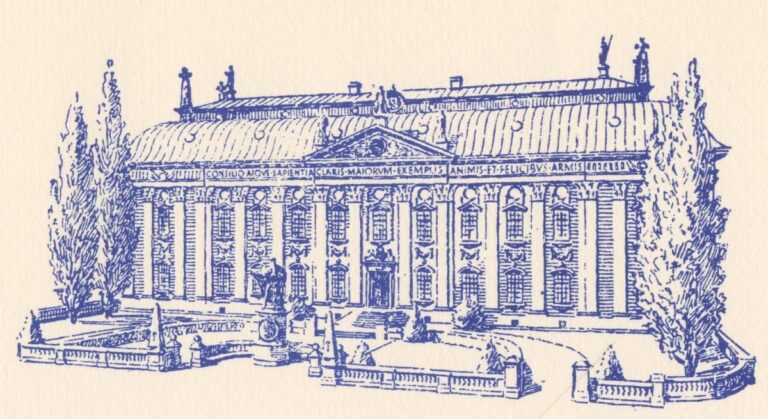
Hallwyl Museum is a Swedish national museum in Stockholm, Sweden, housed in Hallwyl House, a late Victorian residence built between 1893 and 1898 to designs by the Swedish architect Isak Gustaf Clason. Completed in 1898, the house served as the Stockholm winter residence of Count Walther von Hallwyl and Countess Wilhelmina von Hallwyl. It also accommodated Walther’s office and Wilhelmina’s extensive art collection.
A residence shaped as a future museum
Wilhelmina von Hallwyl gathered artworks and antiquities during travels with the aim of establishing a museum. She first intended to donate the collections alone, but later chose to give the entire house and its contents to the Swedish state. Her purpose was to preserve and display a patrician Stockholm home from around 1900 with its domestic setting intact.
The Hallwyls made the donation in 1920, requiring that the house remain unchanged and be presented as it had been during their residence. After Walther von Hallwyl died in 1921, Wilhelmina and several employees inventoried and numbered every object in the house. She also prepared plans and display cases and organized the barriers used in the museum presentation. Wilhelmina died in 1930, and the museum opened to the public in 1938.
Cataloguing and public administration
The catalogue of the collection was completed in 1955. It comprises 78 volumes issued in 110 copies, reflecting the detailed inventory created for the house and its contents. The museum’s original statutes required its director to be a woman, hold a doctorate in philosophy, and belong to the Protestant faith. Art historian Eva Bergman was the first director and remained in the post until 1973.
Hallwyl Museum is part of the Swedish government museum administration known as LSH, which also includes the Royal Armoury and Skokloster Castle. The museum has protected historic-monument status in Sweden.
Remains
House and architectural layout
Hallwyl House stands at Hamngatan 4, facing Berzelii Park in central Stockholm. Its exterior and courtyard draw on medieval architectural models and Renaissance Venice, while the street façade is built of red sandstone. A carriage entrance opens onto a monumental entrance and a square internal courtyard, forming the principal approach into the house.
Rooms and service spaces
Approximately 40 rooms occupy five floors. The basement contains the kitchen and ancillary spaces. On the ground floor, richly decorated reception rooms stand alongside cloakrooms and offices originally intended for the family business. Further reception salons occupy the upper floors, while the bedroom and bathroom are located two floors higher.
Attic facilities and installations
The attic was fitted with a bowling alley, a photograph gallery, and a gymnasium for the countess equipped with wall bars. When completed, the house had electricity, central heating, telephones, and bathrooms. The elevator was added later.
Preserved interiors and collections
Domestic interiors
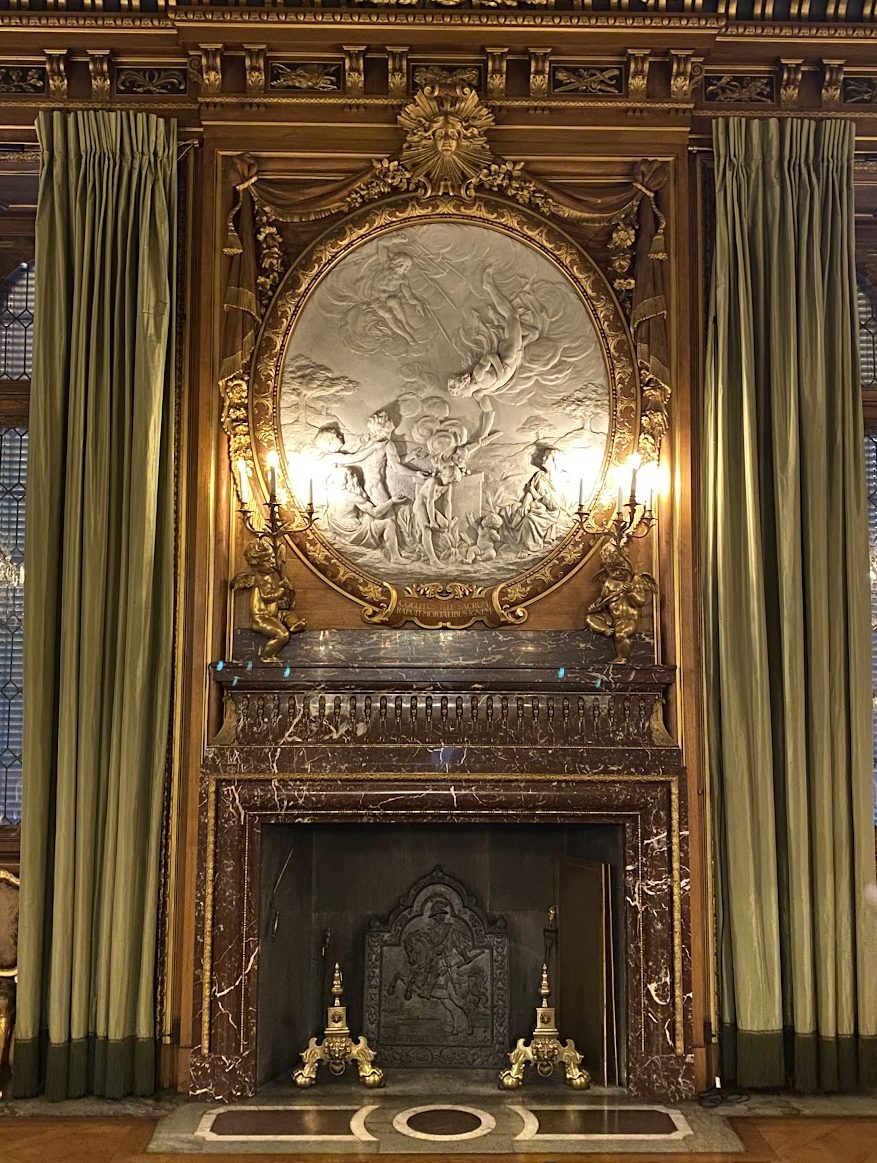
The preserved interiors retain rooms from late Victorian Sweden together with period installations and classical furnishings. They also preserve the domestic setting in which the Hallwyls lived, allowing the house itself to remain part of the museum’s collection.
Hallwyl Collection
The Hallwyl Collection contains approximately 50,000 objects. Its holdings include art, paintings, antiquities, weapons, porcelain, silverware, Asian objects, chinoiserie, toys, and everyday items. The first object Wilhelmina von Hallwyl collected was a shell given to her by her father during her childhood. It remains in the museum among her collection of shells.
Nearby sites