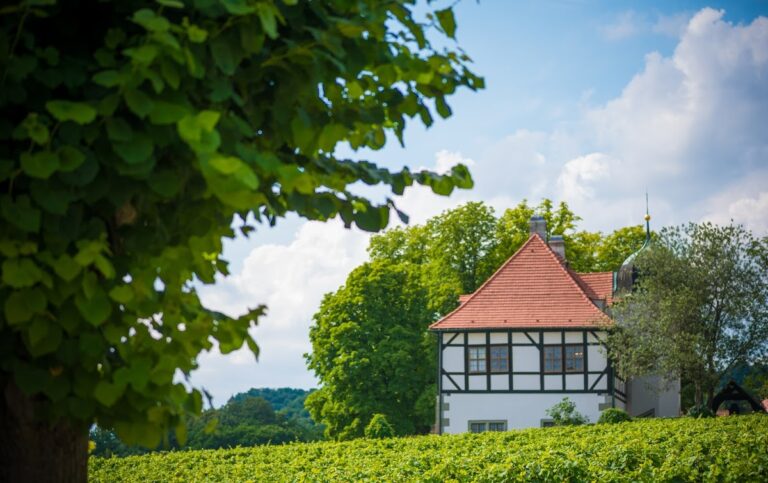
Schloss Weistropp: A Three-Wing Manor Castle in Germany
Site at a Glance
- Rating
- 5
- Popularity
- Very Low
- Country
- Germany
- Primary era
- Early Modern
- Eras represented
- Early Modern
- Civilizations
- Electorate of Saxony, Holy Roman Empire
- Site type
- Domestic
- Remains
- Castle
On this page7 sections
History
Schloss Weistropp is a manor castle in Weistropp, Germany. Its asymmetrical, three-wing complex dates from the seventeenth century and was reshaped through repeated alterations, with Classicist elements now predominant. The estate developed from earlier manor holdings first recorded in the fifteenth century.
The manor and early castle
A Sattelhof, a type of manor estate, and an outlying farm at Weistropp were recorded in 1413. An estate that developed from these holdings was documented in 1551. In 1601, manor owner Heinrich von Eckersberg commissioned a new castle. Albrecht von Güntherode leased the manor in 1647, bought it two years later, and added the castle’s north and south wings in 1661–62.
Successive owners and remodeling
Adolph Freiherr von Seifertitz, a senior official responsible for the kitchens of the Polish king and Saxon elector, acquired the manor from August Ferdinand von Güntherode in 1717. In 1723, he ordered a major remodeling. In September 1745, Russian military commander Gottlob Curt Heinrich von Tottleben married the owner, Elisabeth Christiane Freiin von Seifertitz, and the estate passed into his possession.
In 1822, the widow of Count Adolf von Tottleben, who had died in 1818, sold the estate to Austrian consul general and merchant Jacob von Krause. Krause wanted a suitable setting for his art collection. His brother Johann moved into the castle with his family in 1824. After Johann’s death in 1829, Jacob considered selling the property, but hesitated partly because a sale might bring a financial loss. From 1831, his nephew Eduard Kirchenpauer von Kirchdorf managed the manor and later leased it.
In 1838, Charles II of the House of Bourbon-Parma, then Duke of Lucca, agreed to buy the estate, offered for 130,000 talers. He had lost the Duchy of Parma and was seeking refuge outside Italy. After abdicating amid the Italian revolutions of 1848–49, a period of political upheaval in Italy, Charles lived privately, dividing his time between Weistropp and Nice. The castle became one of his principal residences, and his tenure was described as one of the estate’s most prosperous periods.
From the nineteenth century to the present
Adolph Keil, a canon in the collegiate chapter at Wurzen and a Privy Legation Councillor, a senior diplomatic official, acquired the estate around 1872. A major remodeling followed in 1873–74. His family held the property until its expropriation in 1945.
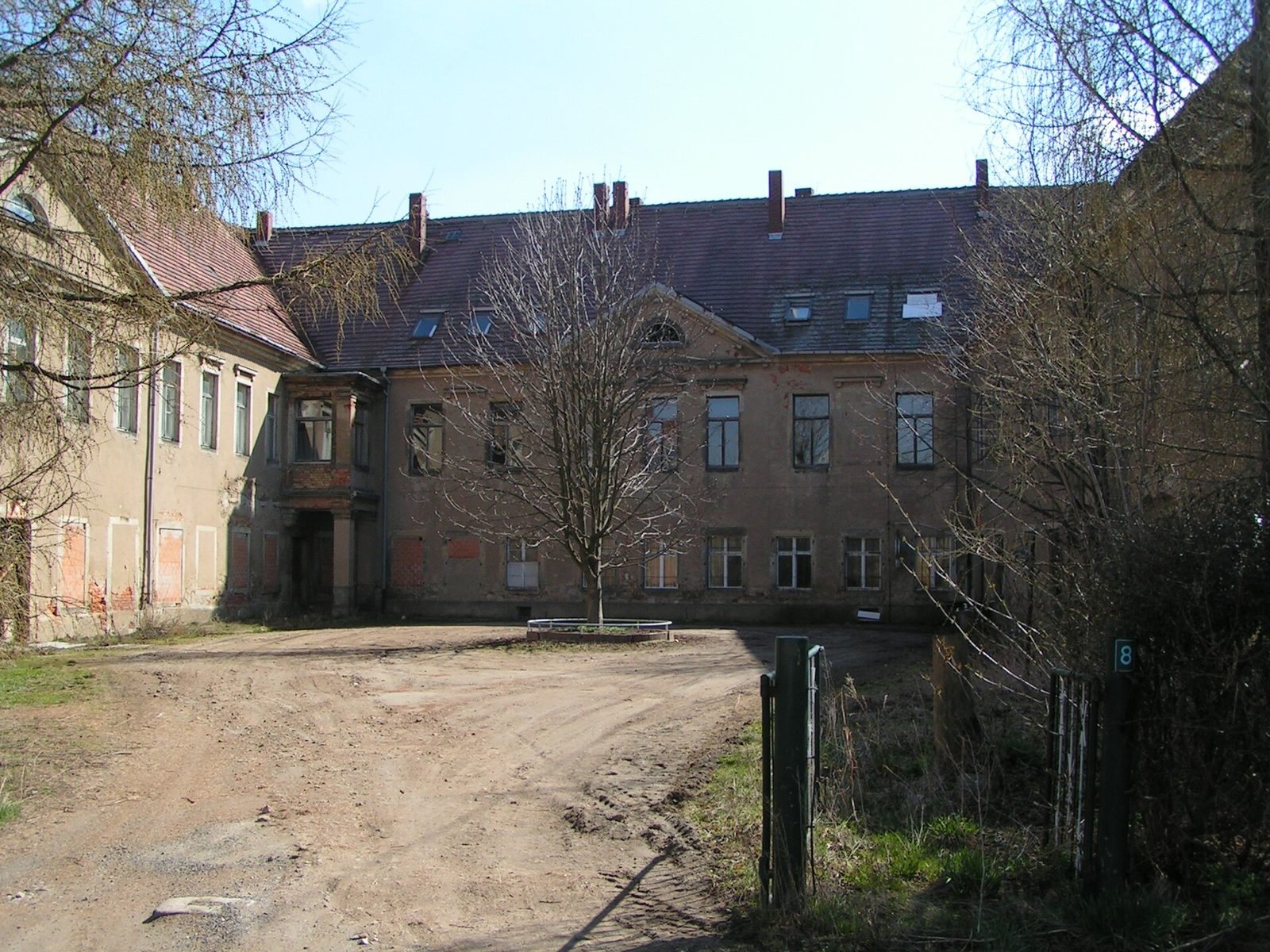
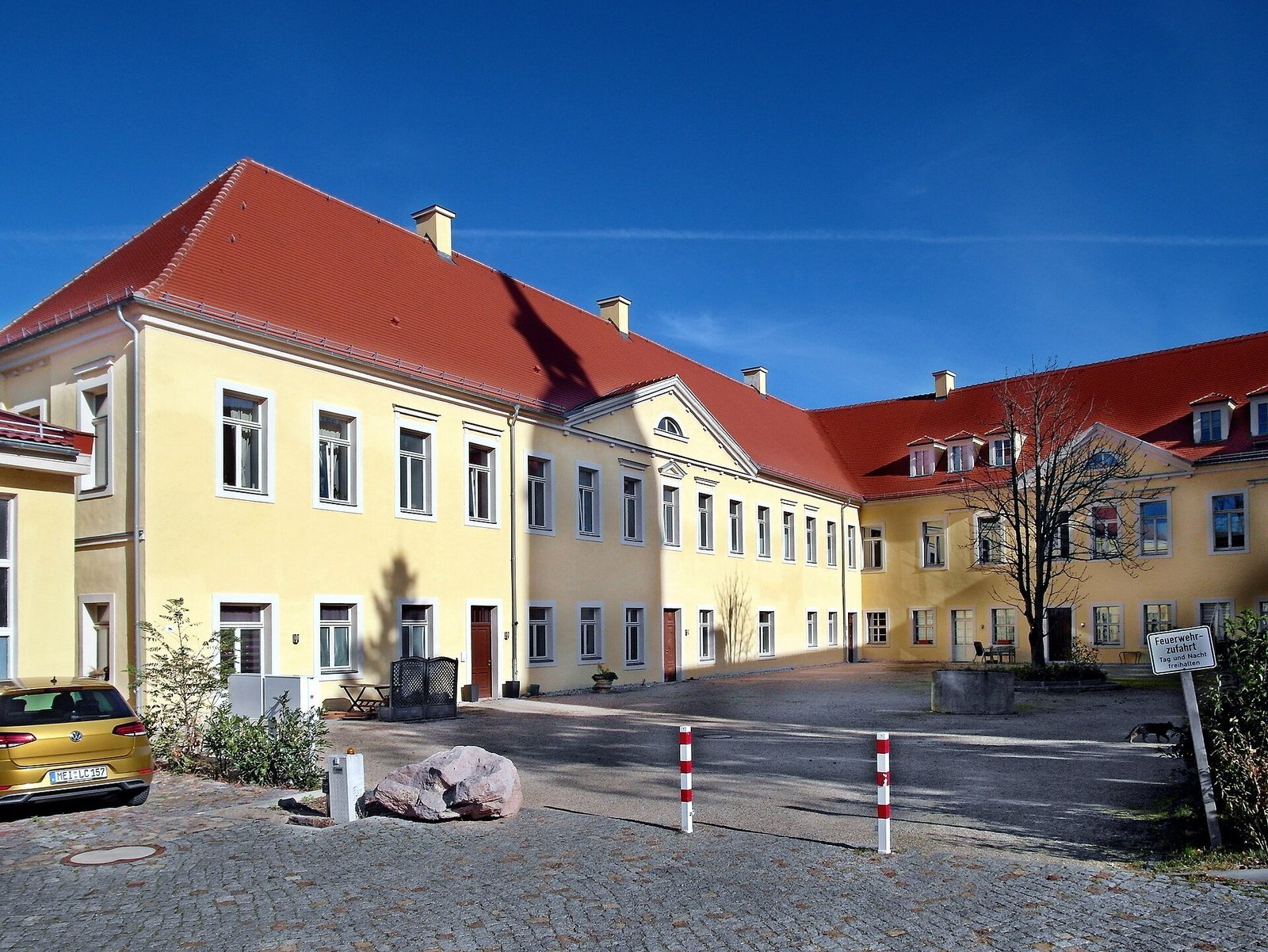
During the German Democratic Republic (GDR) period and for some time afterward, the castle housed municipal offices, a school, a youth club, and dwellings. After years of vacancy and deterioration, a Dresden couple bought it in 2006. Renovation began the following year and intensified after Ventar Immobilien AG took over in 2014. Work was completed in April 2016, and the castle was converted into 19 apartments, mostly with three or four rooms. Additional apartments were created in the adjoining manor building.
Remains
The castle is an asymmetrical complex of three wings, with a seventeenth-century core and features from several architectural styles accumulated through later changes. Classicist elements predominate.
Setting and church passage
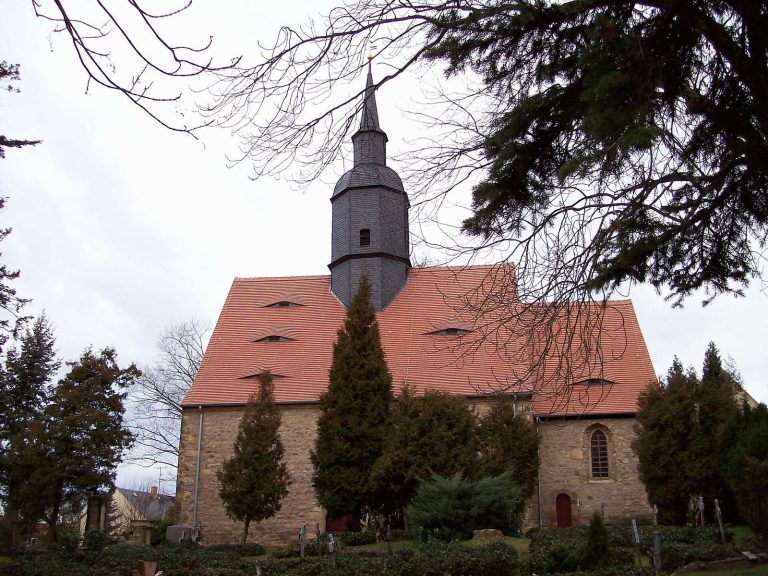
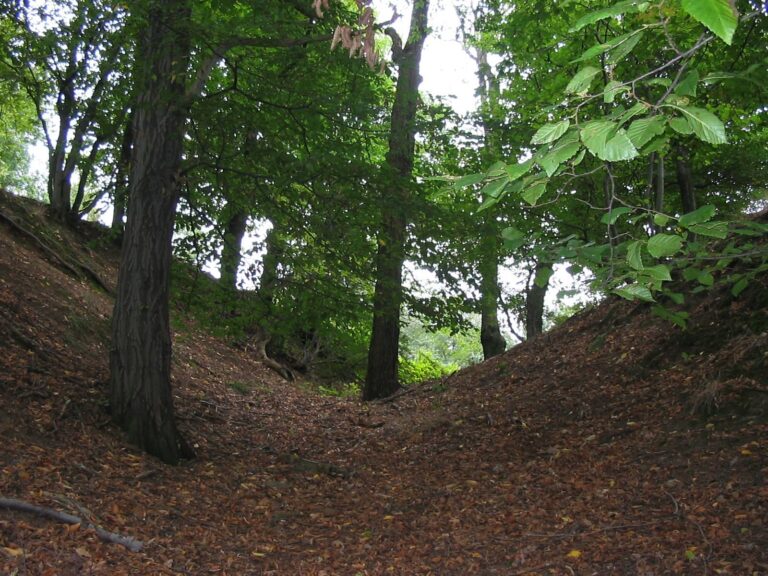
The complex stands at the northern edge of Weistropp’s village center. A small wood to the east separates it from further development, while the church lies a short distance from the south wing. To the west, an adjoining manor building provides a built endpoint to a courtyard that is otherwise open on that side. The remodeling of 1723 created a passage to the church’s patron’s box, reserved seating for the person holding the church’s patronage rights.
Art and visual record
Jacob von Krause’s collection included paintings and sculptures by various artists, among them many works by the Danish Neoclassical sculptor Bertel Thorvaldsen. It also contained a marble statue of Cupid, the Roman god of love, praised for its softness, grace, playfulness, and charm. A painting completed by Robert Krause on 27 July 1832 depicts the castle and church together.