Paruskavan Palace: Royal Residence and Prime Minister’s Office in Bangkok
Site at a Glance
- Rating
- 4.7
- Popularity
- Medium
- Country
- Thailand
- Primary era
- Modern
- External website
- Open
- Eras represented
- Modern
- Civilizations
- Unclassified
- Site type
- Domestic
- Remains
- Palace
On this page10 sections
History
Construction and princely residence
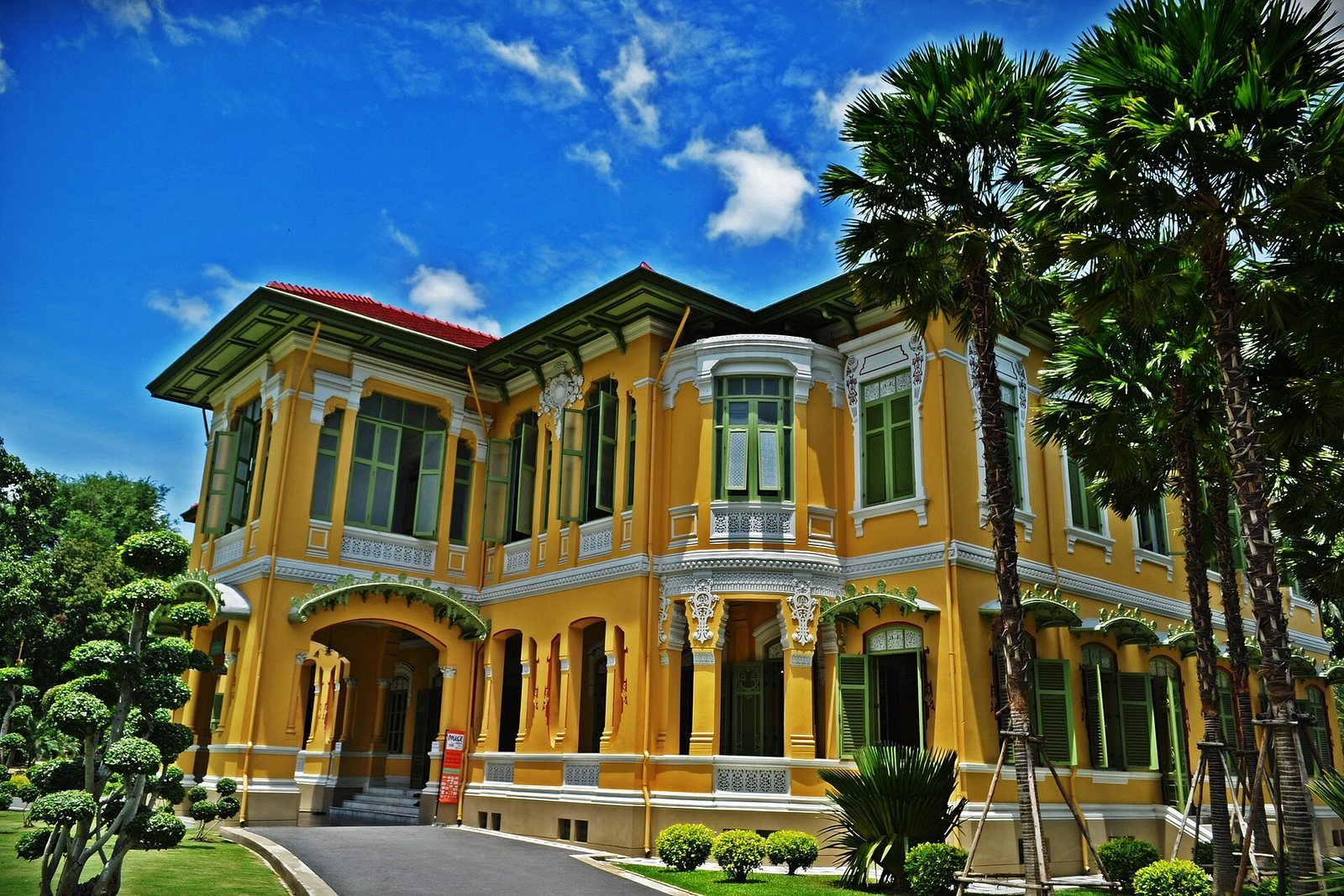
Paruskavan Palace is a mansion in Bangkok, Thailand, built from 1903 to the end of 1905 for Prince Chakrabongse Bhuvanath, a son of King Chulalongkorn (Rama V), and his Ukrainian wife, Kateryna Desnytska. After returning from studies in Russia, the prince became commandant of the Military College and chose a site near Amphorn Sathan Residential Hall, where the king lived.
Three architects worked on the building. Tamayo contracted cholera and returned to Europe; Scos contracted smallpox and died. Beyrolepi then took charge and completed the work. A payment of 22,075 baht for the walls was made on 30 December. After their completion, a further 61,173 baht was paid on 19 April 1904, excluding the roof.
After construction, Desnytska designed the palace gardens and redecorated and furnished the rooms. Their son, Prince Chula Chakrabongse, was born there on 28 March 1908. Following the couple’s divorce in 1919, the palace was returned to the Crown on the king’s order.
The Prime Minister’s Office
King Prajadhipok (Rama VII) promulgated a constitution on 10 December 1932. Phraya Manopakorn Nititada, whose title, Phraya, denotes a Thai noble and official rank, became prime minister, but continued to work at Ananta Samakhom Throne Hall.
On 21 June 1933, General Phraya Phahonphonphayuhasena became prime minister. The palace, already seized amid the political changes, became the location of the Prime Minister’s Office and also served as Phahonphonphayuhasena’s residence. The office was initially referred to by names combining the palace and the Prime Minister’s Office, before becoming known simply as the Prime Minister’s Office.
Later uses
When Plaek Phibunsongkhram, then a field marshal (a senior military rank), became prime minister on 16 December 1938, the Prime Minister’s Office moved to nearby Suan Kularb Palace. Paruskavan Palace now houses the headquarters of Thailand’s National Intelligence Agency, a Metropolitan Police museum, and the Metropolitan Police Bureau.
Remains
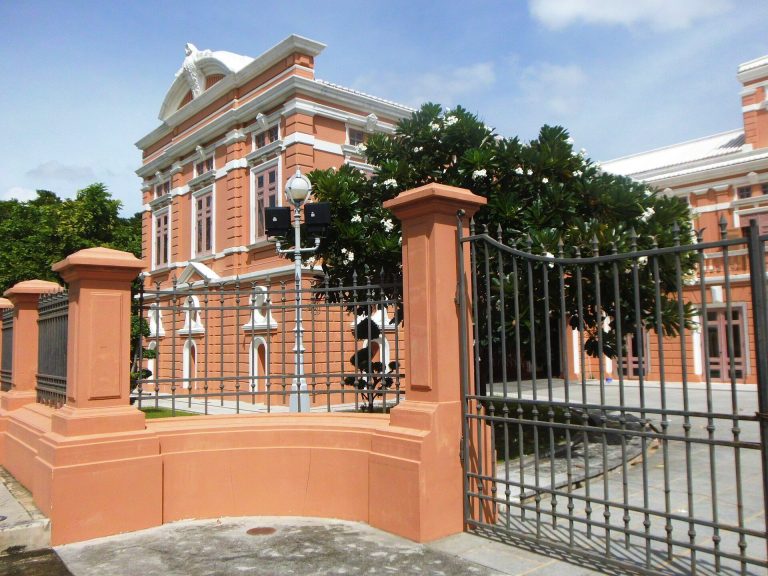
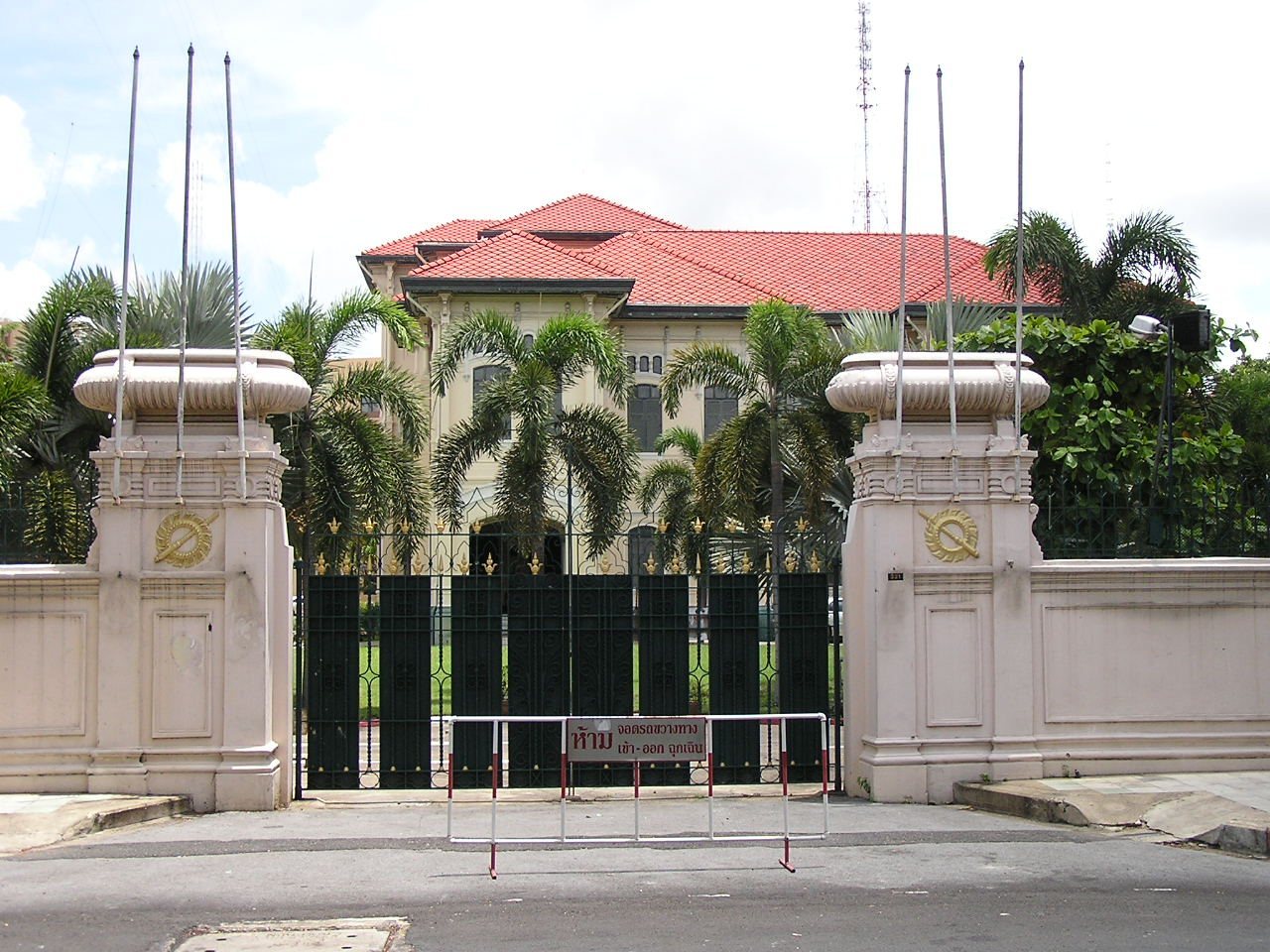
The complex includes a two-storey plastered mansion, an enclosing brick fence with metal gates, and landscaped grounds with tall palm trees.
Palace and grounds
Mansion
The mansion has multi-pitched tiled roofs and semicircular windows. Its walls extend for 275 metres.
Enclosure and gardens
A brick fence and metal gates enclose the palace grounds. The landscaped garden, designed by Kateryna Desnytska, includes tall palms.
Interior
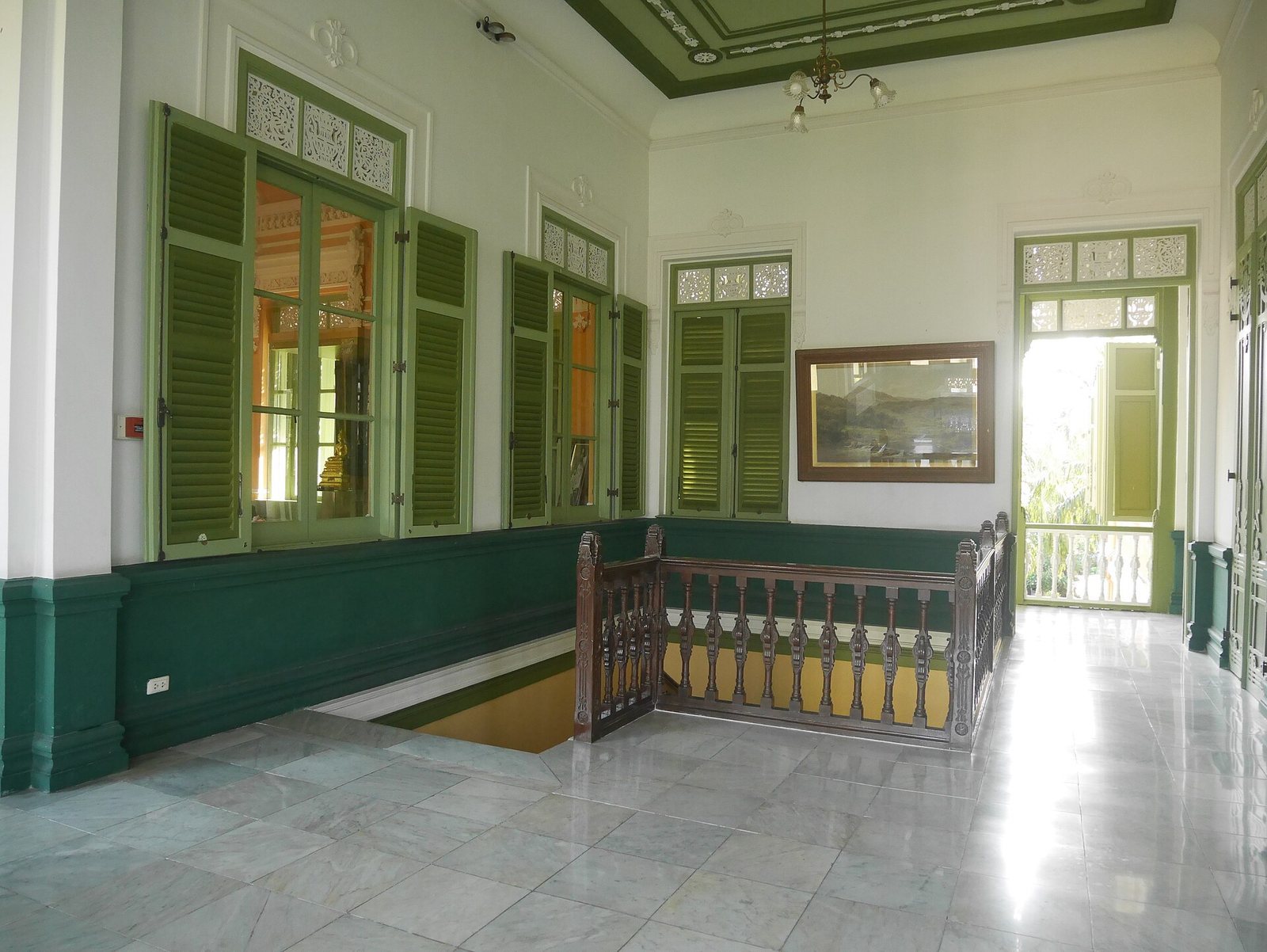
The rooms combine Western-style sofas and armchairs with Eastern materials and decorations.
Statue of King Chulalongkorn
A statue of King Chulalongkorn stands beside the building.