Schloss Siegelsbach: A Noble Estate and Protestant Rectory in Germany
Site at a Glance
- Rating
- 5
- Popularity
- Very Low
- Country
- Germany
- Primary era
- Early Modern
- Eras represented
- Early Modern, Modern
- Civilizations
- Electoral Palatinate, German, Grand Duchy of Baden, Holy Roman Empire
- Site type
- Domestic
- Remains
- Castle
On this page9 sections
History
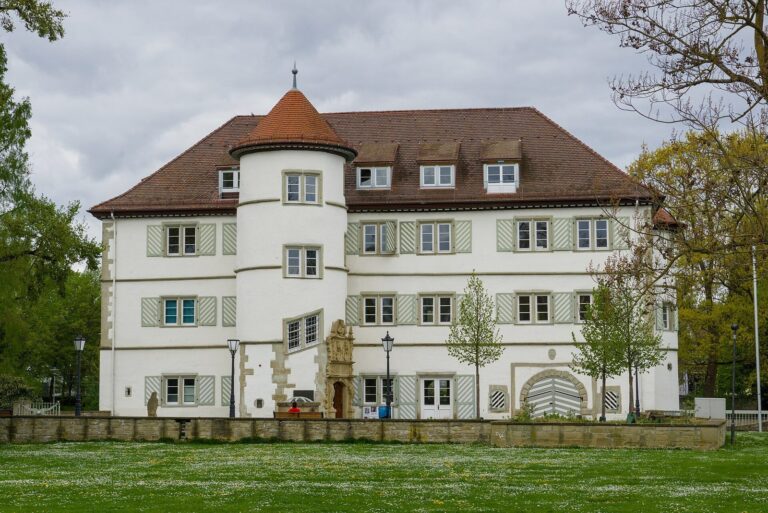
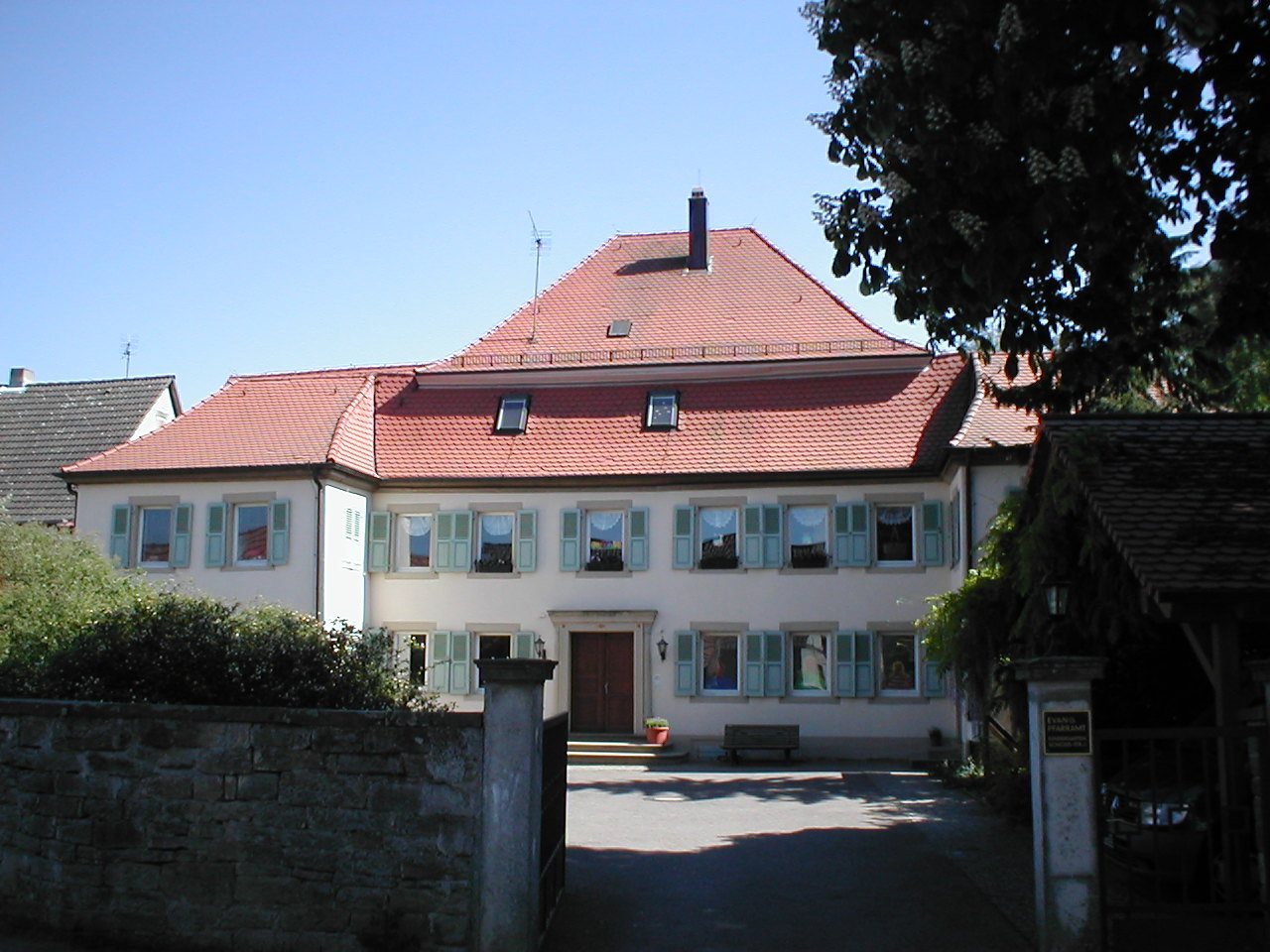
Schloss Siegelsbach is a former noble estate in Germany, expanded into a castle for the Counts von Wiser in the early 18th century and later made the rectory of the local Protestant parish. Before that transformation, the estate had served the Lords of Hirschhorn as a center of local administration.
Hirschhorn and Wiser estate
From the 14th century, Siegelsbach was a fief, or land held from a superior lord, of the Lords of Hirschhorn, a regional noble family. Their local administrative officer was based at the Hirschhorn estate, an earlier predecessor of the castle. When the Hirschhorn family died out, the fief reverted in 1632 to the Electoral Palatinate, a prince-elector’s territory within the Holy Roman Empire. Swedish troops burned Siegelsbach in 1634 during the Thirty Years’ War, a major Central European conflict fought from 1618 to 1648. After the war, the Electoral Palatinate had its administrative buildings repaired.
In 1699, the former fief passed to Franz Melchior von Wiser, chancellor at the Electoral Palatinate court. French troops had destroyed the castle of his fief at Friedelsheim in 1694, so he took up residence at the recently restored Hirschhorn estate. After his death in 1702, his three sons initially held the property jointly under a fideicommiss, an inheritance arrangement binding an estate to a specified family succession. Following one brother’s death, the two survivors divided the property in 1709. Siegelsbach, Friedelsheim, and parts of Ober- and Untergimpern went to Franz Joseph von Wiser, who established the Wiser-Siegelsbach line, also known as Schwarz-Wiser.
The Counts von Wiser did not reside permanently at Siegelsbach, though several generations lived there at times. In the early 18th century they enlarged the estate into a residence suited to their rank. The works included corner buildings with pointed pyramidal roofs and a walled garden with a pavilion at its southeast corner. The family’s Catholic lordship brought prolonged tension to the traditionally Protestant town. A forceful campaign to restore Catholic control resulted in the church and parsonage returning to the Catholic minority.
Private owners and community purchase
From 1814, Franz Joseph’s grandson Joseph Johann von Wiser sold substantial parts of the family’s property. His son Joseph Carl Georg lived at the castle until 1833, then moved to Mosbach and, in 1835, to the Upper Castle he had acquired at Stein am Kocher. The Siegelsbach property passed to Karl Stein, a Grand Ducal Baden administrative official and legal adviser to the von Gemmingen-Guttenberg family. Stein died in 1834. His son Karl Friedrich junior promptly established a brewery on the property.
In 1838, Stein’s sons sold the estate to Georg Friedrich Holoch, later mayor of Siegelsbach. Holoch transferred it in 1841 to his son-in-law Johann Karl Fischer, a cooper and brewer who ran the inn Zum Badischen Hof and its brewery. Fischer left for Gaggenau in 1844 and emigrated to America, after which the property returned to Holoch. Holoch’s widow sold the castle in 1849 to Johann Ott, who had helped establish the Rappenau saltworks, industrial works that produced salt from brine, and contributed greatly to preserving the castle.
Ott’s son Hermann August Heinrich, director of the Dürkheim saltworks, sold the estate in 1855 to Baroness Antonie von Schlern, widow of von Oberkamp. She married Carl Robert von Meisrimmel there in 1858. For health reasons, the couple moved to the Munich area in 1862 and put the property up for sale.
An association of the Evangelical parish and school communities with local residents raised about 25,000 gulden, a historical currency, to acquire the estate. Under a contract dated 14 March 1862, the parish bought the castle, agricultural buildings, and large garden for 9,045 gulden. The school community paid 4,000 gulden for the brewery and the part of the garden behind it, while 25 residents bought agricultural holdings for a total of 11,925 gulden. The parish made the castle the rectory of the newly established Evangelical, or Protestant, parish.
Parish use and later changes
The brewery was too large to serve as a school. In 1864 the parish separated it from the castle and sold it to Jakob Grötzinger, who used it as a storage yard for his oil business. From 1885, Grötzinger’s sons made fats there, prompting a lengthy dispute with the neighboring parish over the smell. By 1909 they had moved to another property and sold the former brewery to farmer Gustav Hofmann.
In 1912 the parish sold most of the castle garden to the municipality, which built the village schoolhouse there in 1923. The castle was renovated in 1928, and an apartment for a nurse was added in 1939. Toward the end of the Second World War, it temporarily housed an army munitions facility that had already been badly damaged. After the war, the castle returned to use solely as a rectory. Further alterations came in 1960 and from 1994 to 1996, when event rooms were created in the north wing and older agricultural buildings were demolished.
Remains
The estate’s recorded layout centered on a two-storey castle, with a brewery, agricultural buildings, a large garden, and farmland among its associated properties. The main building has north and south wings, and the wider estate included both domestic and working buildings.
Buildings and grounds
Castle
In 1862, the castle had two storeys. Its lower level contained six rooms, a kitchen, pantry, and laundry room; the upper floor had eight rooms and storage attics. The south wing now houses a kindergarten, while event rooms occupy the north wing.
Brewery
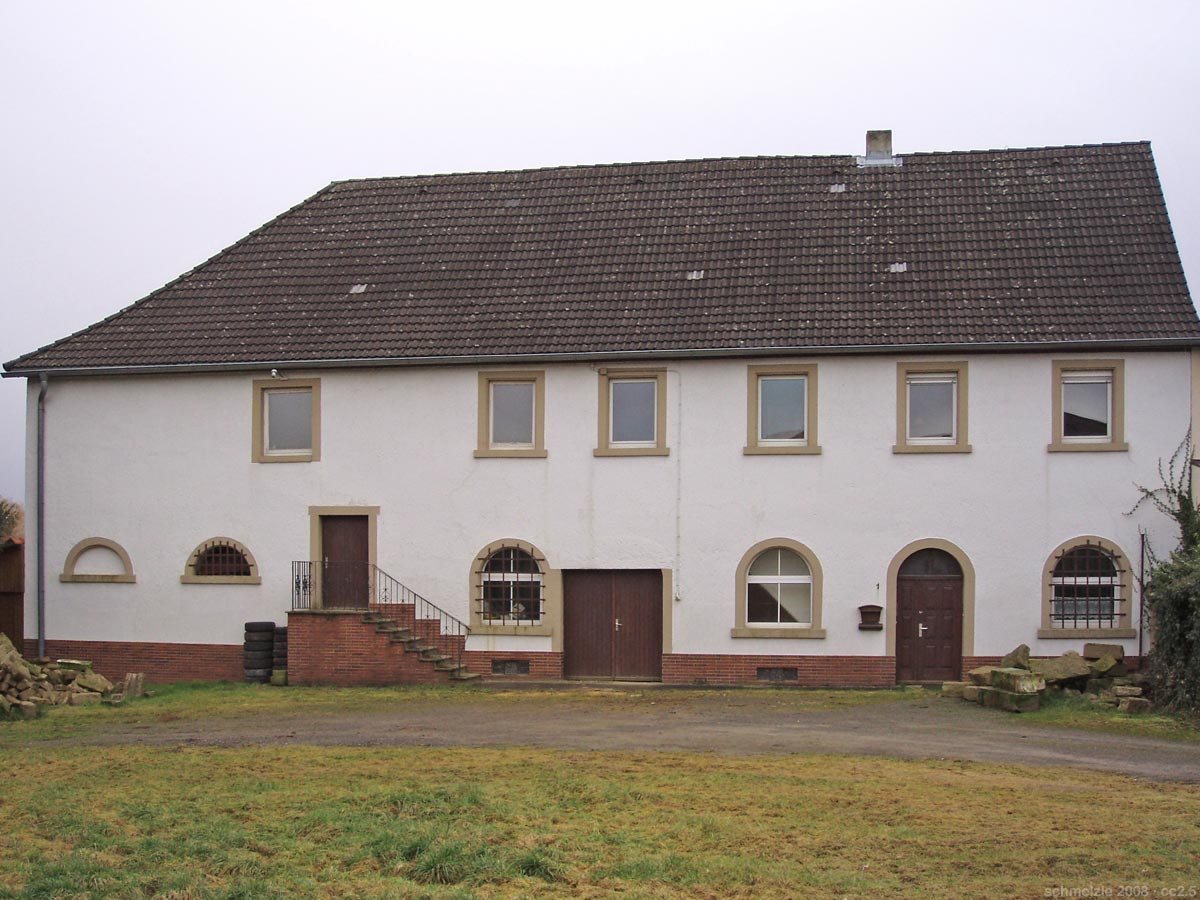
The brewery was built above an older cellar. In 1864 it was physically separated from the castle by cutting an opening through the building and adding a garden wall. It was subsequently used as a residence.
Estate grounds
The 1862 property also included several agricultural buildings, a large garden, and 15 Morgen of farmland within the territories of Siegelsbach and Rappenau. A Morgen was a traditional land measure whose size varied by region.