Chehel Dokhtaran Minaret: An Early-12th-Century Islamic Tower in Isfahan
Site at a Glance
- Rating
- 4.4
- Popularity
- Medium
- Country
- Iran
- Primary era
- Medieval
- Eras represented
- Medieval
- Civilizations
- Seljuk
- Site type
- Religious
- Remains
- Minaret
On this page4 sections
History
The Seljuk-era minaret
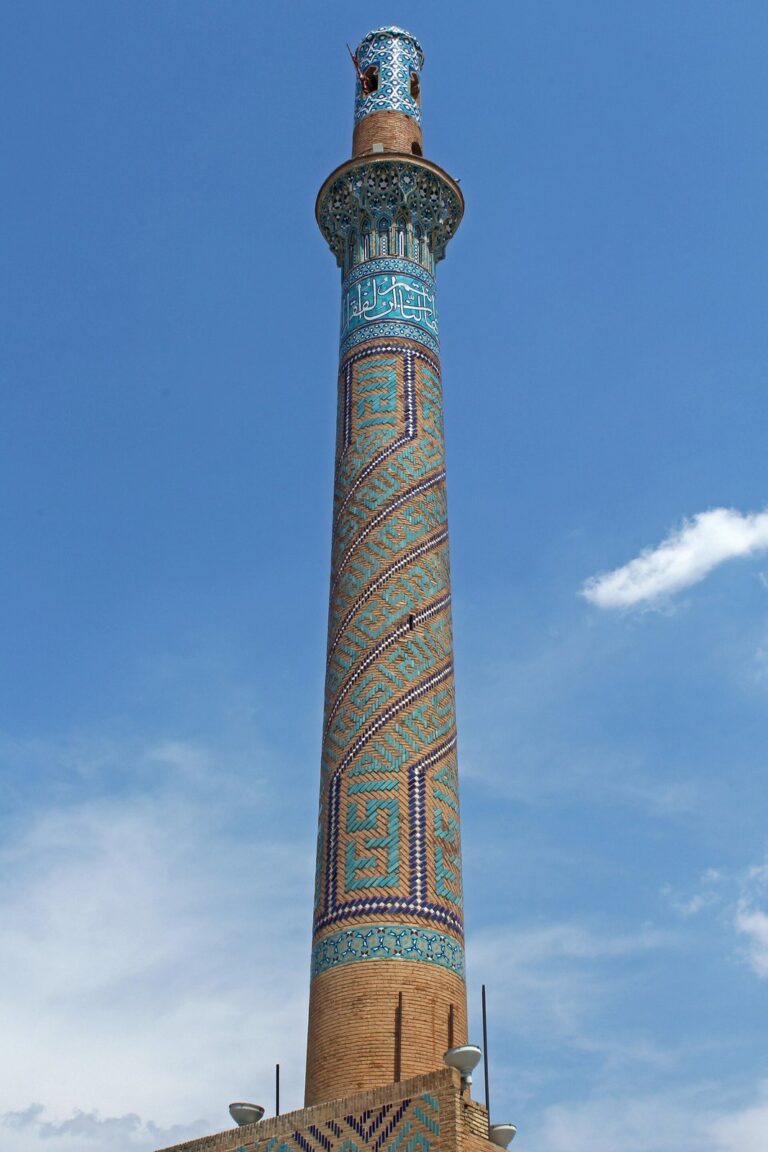
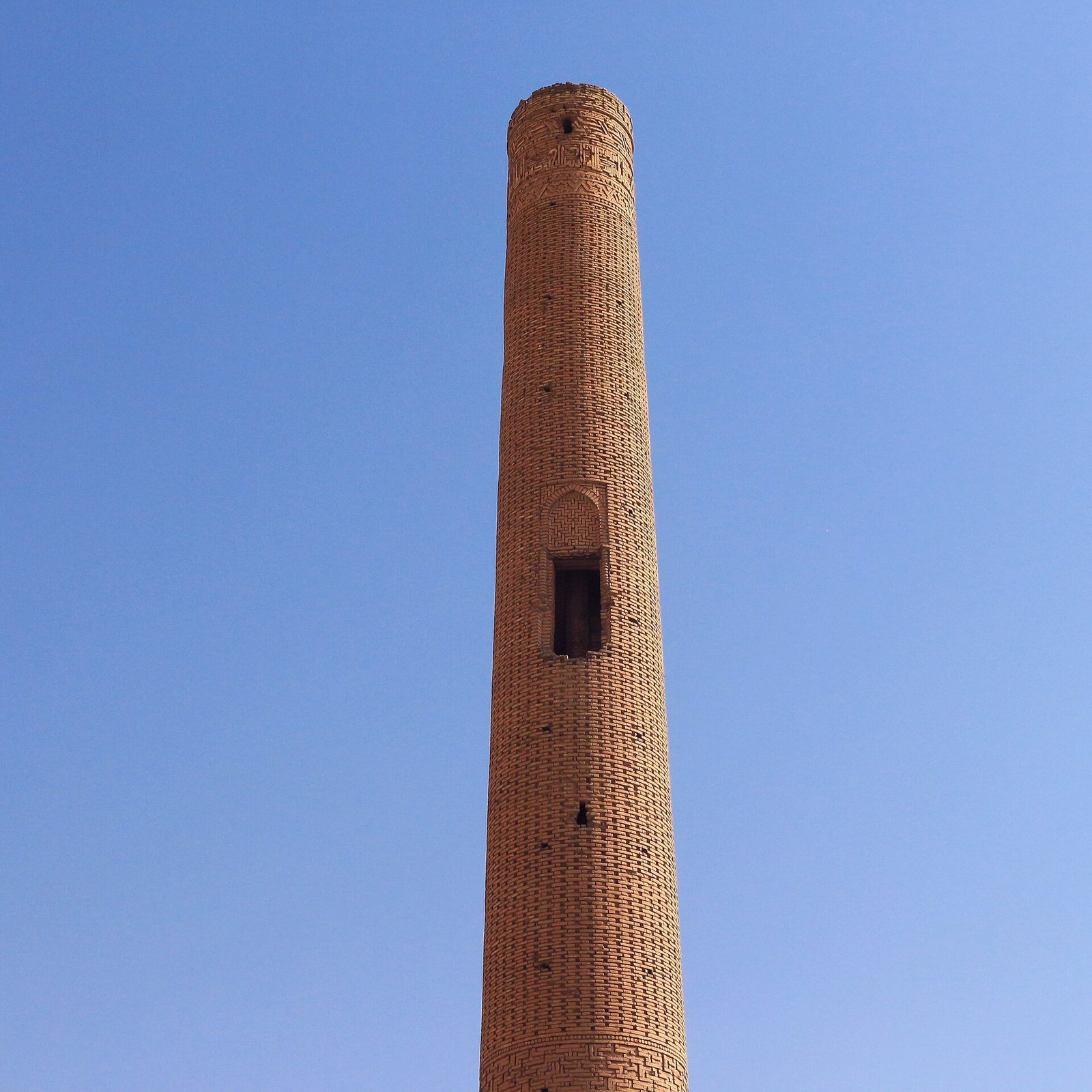
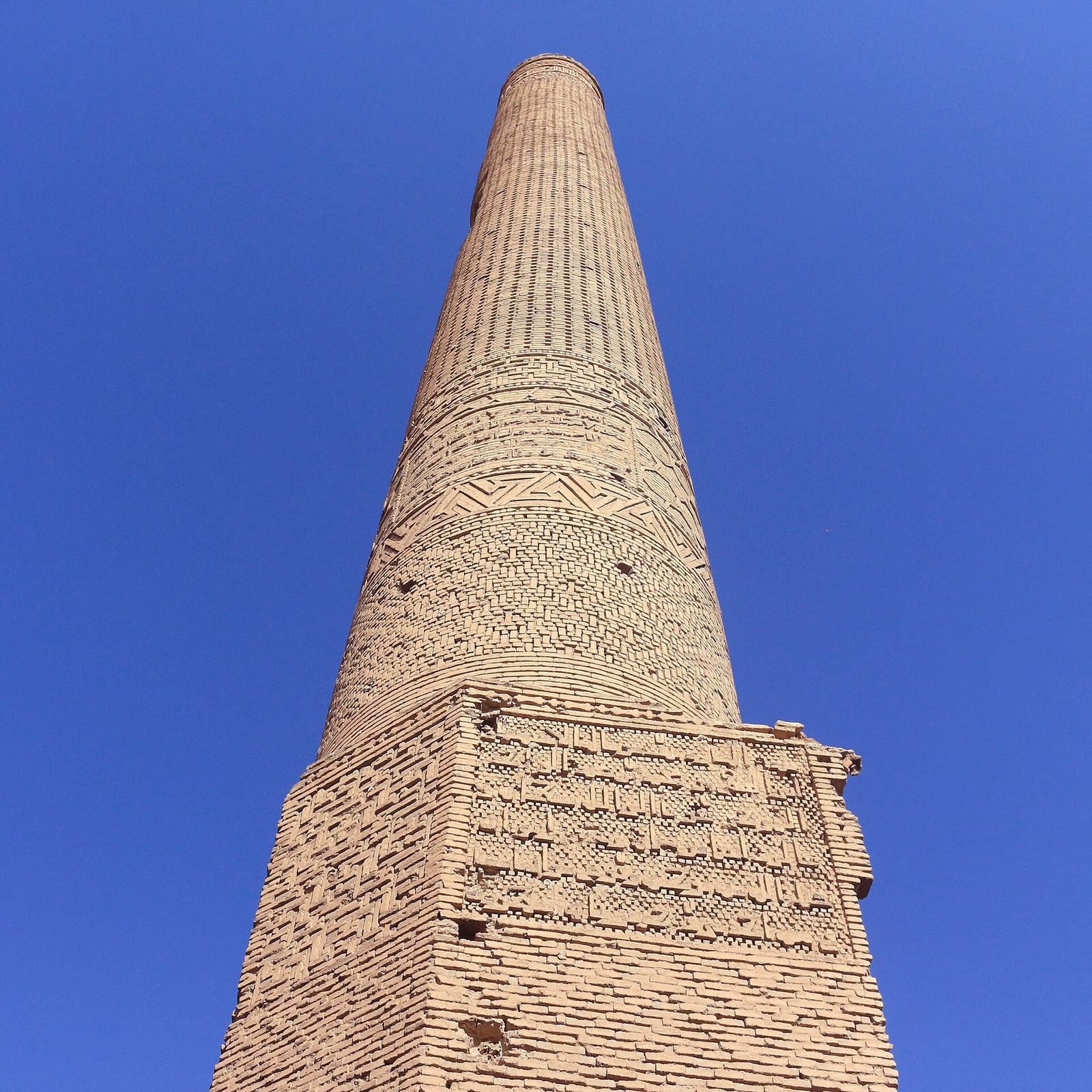
The Chehel Dokhtaran Minaret is an early-12th-century Islamic tower in Isfahan, Iran. It was built during the reign of Seljuk sultan Muhammad ibn Malik-Shah in the Razi style, a medieval Iranian architectural tradition.
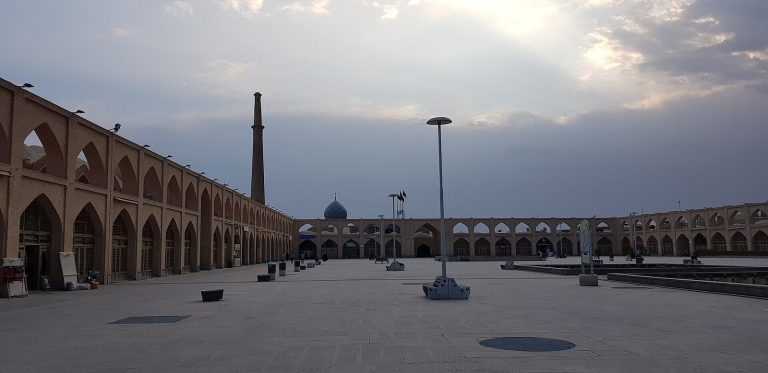
The minaret ranks as Iran’s fifth-oldest inscribed minaret and its second-oldest known minaret with a recorded date. It stands in Jouybareh, Isfahan’s Jewish quarter.
Names and local traditions
Chehel Dokhtaran means “Forty Girls,” but the reason for the name is unknown. In Iranian culture, forty can serve as an exaggerating number. One possibility is that a building beside the minaret, now vanished, was once reserved for women.
Residents also call the tower the Garland Minaret, a name associated with J. L. Garland, a British Protestant missionary who lived for an extended period in a neighboring house in the early 20th century. His work included missionary activity among Isfahan’s Jews, and some converted to Christianity. The house, known as Garland Mansion, has been demolished and replaced by a residence; its location is now uncertain.
A former local marriage custom connected the minaret with girls’ prospects of marriage. Girls of marriageable age, and those who felt they had passed that age, bought walnuts, broke them at the tower’s base and on its steps, then offered walnuts and raisins to passersby.
In 1935, the minaret was registered as an Iranian National Heritage site under number 231.
Remains
The Razi-style minaret rises above the surrounding quarter and can be seen from a distance. It was originally taller, but its height has diminished over time.
A large window faces the qibla, the direction of prayer in Islam. This feature is not found on Isfahan’s other minarets. A spiral staircase runs up to the top of the tower.
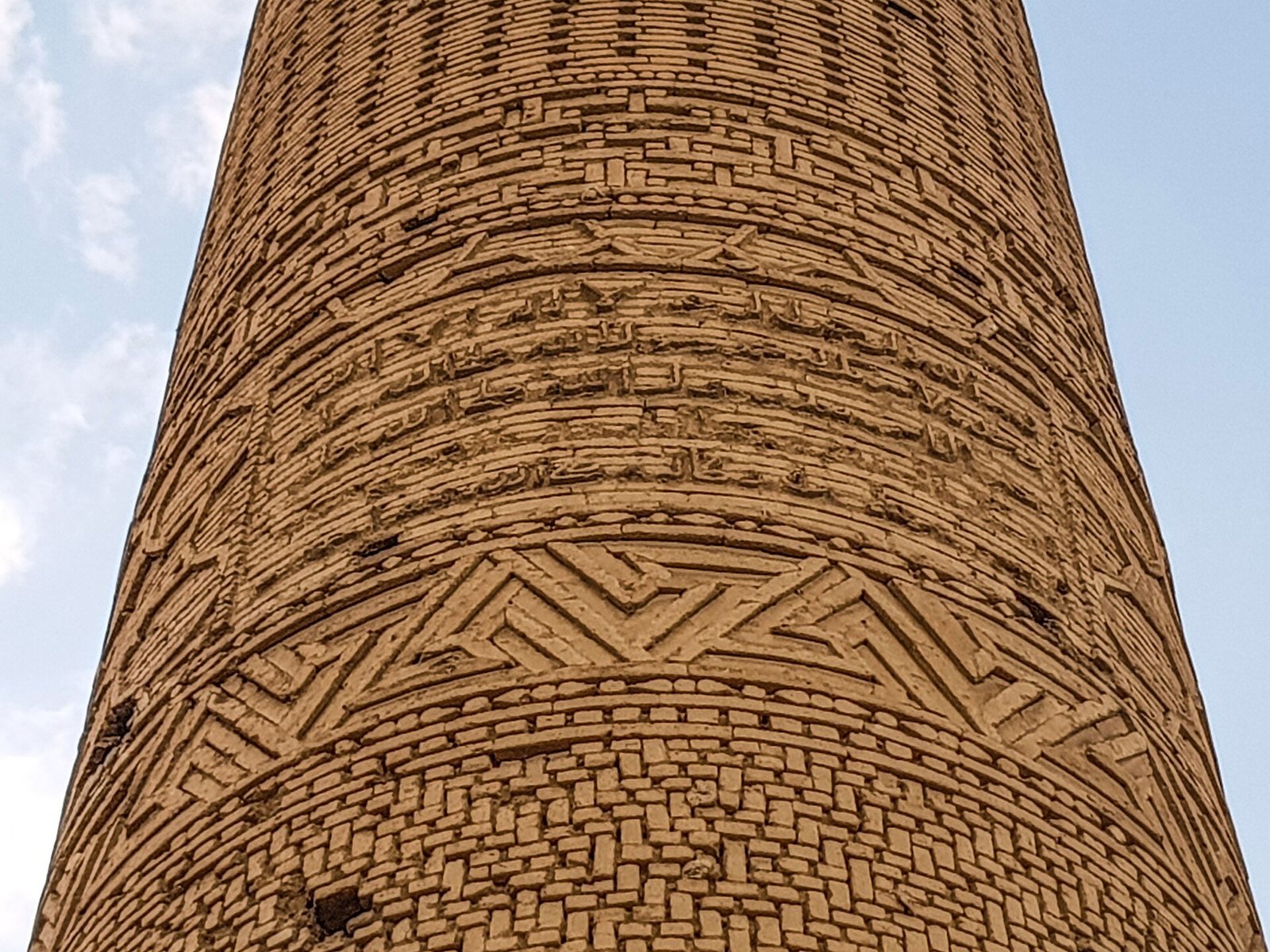
Three inscriptions appear on the minaret. Two use Kufic, an angular style of Arabic writing, and the third is described as Naskh, a cursive Arabic script. That inscription is considered a distinctive feature of the minaret’s inscriptions, though its script may instead be early Thuluth, another cursive style. The upper Kufic inscription uses raised brick against a brick background and contains the opening five verses of Surah Ta-Ha, a chapter of the Quran, including verses 2–4. Another inscription contains religious phrases, some of which have worn away, while a third bears the date 501 AH.