Gutenstein Castle: A Historic Residence and Administrative Centre in Germany
Site at a Glance
- Popularity
- Low
- Country
- Germany
- Primary era
- Early Modern
- Eras represented
- Early Modern
- Civilizations
- Holy Roman Empire
- Site type
- Domestic
- Remains
- Castle
On this page7 sections
History
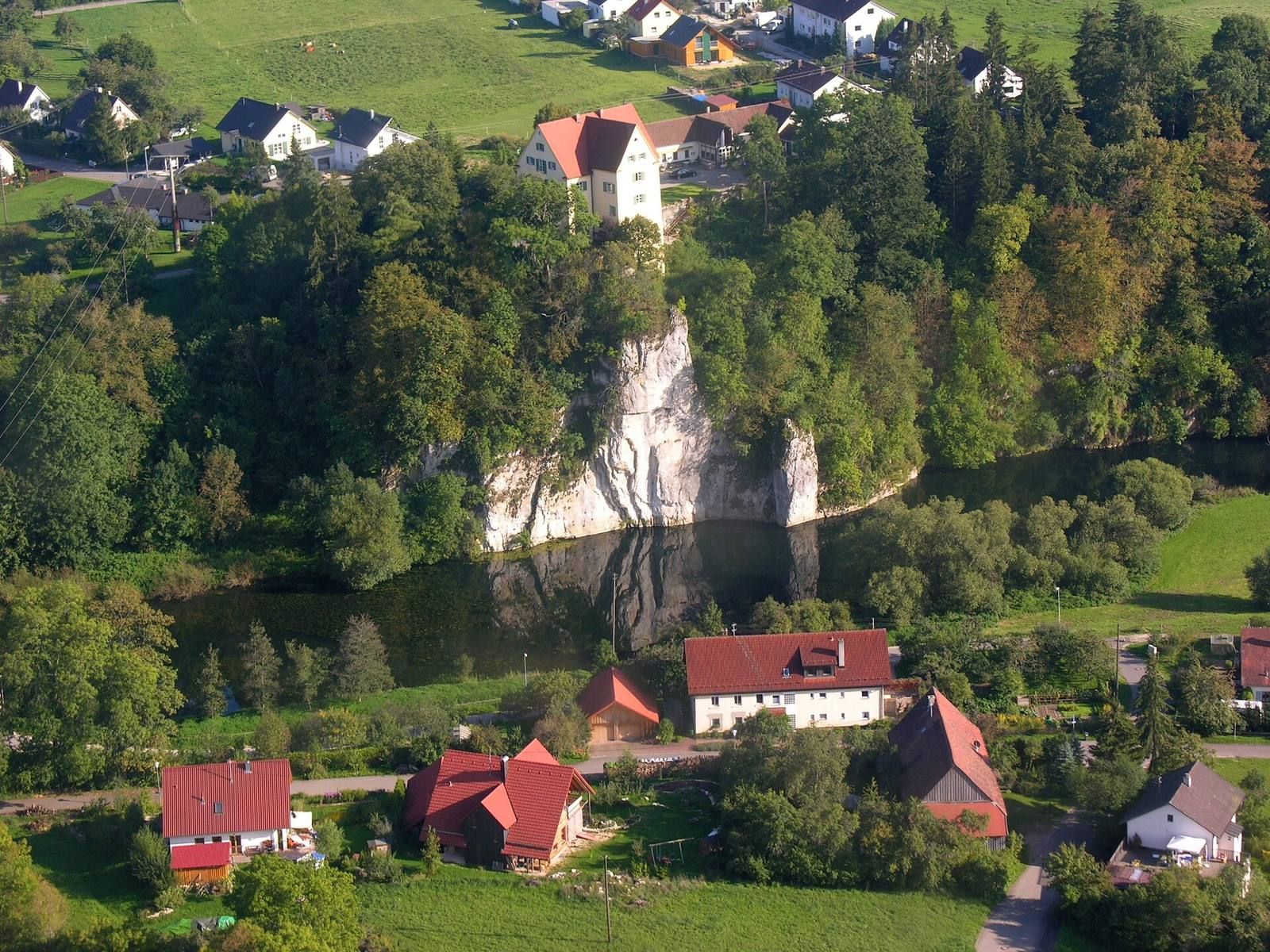
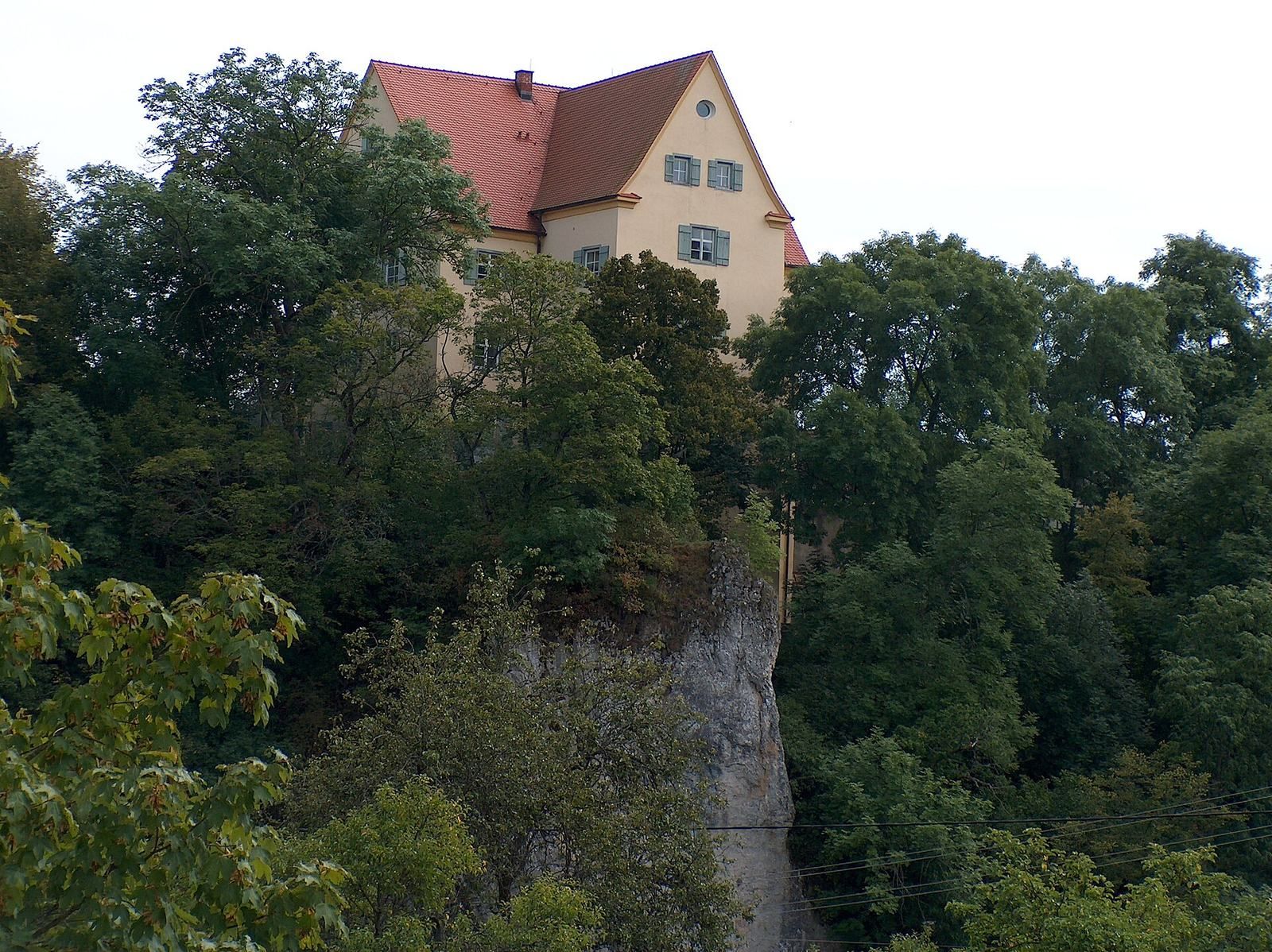
Gutenstein Castle stands above the village of Gutenstein beside the Danube in Baden-Württemberg, Germany. Probably built in the sixteenth century, it is documented from 1626. In the early eighteenth century, Franz Ludwig Schenk von Castell, known as the “Malefizschenk,” remodeled the castle in the Neoclassical style.
Castle government
A senior bailiff’s administrative office, called an Obervogteiamt, operated in the castle. It administered Gutenstein, Engelswies, Ablach, and Altheim, which formed the Lordship of Gutenstein, a territory governed by a lord. The office continued until the territory passed to Baden in 1806, following the 1805 Peace of Pressburg, a treaty between France and Austria after the War of the Third Coalition that accompanied territorial changes in Central Europe.
Ownership and restoration
Financial difficulties led to the castle’s sale in 1834 to Ludwig von Langenstein, a son of Grand Duke Ludwig I of Baden. The Counts of Douglas inherited it in 1872. In 1978, the House of Douglas sold the dilapidated estate to Manfred Klietmann, who renovated and restored the castle. Klietmann sold it in late 2005 to a private buyer from Reutlingen.
Remains
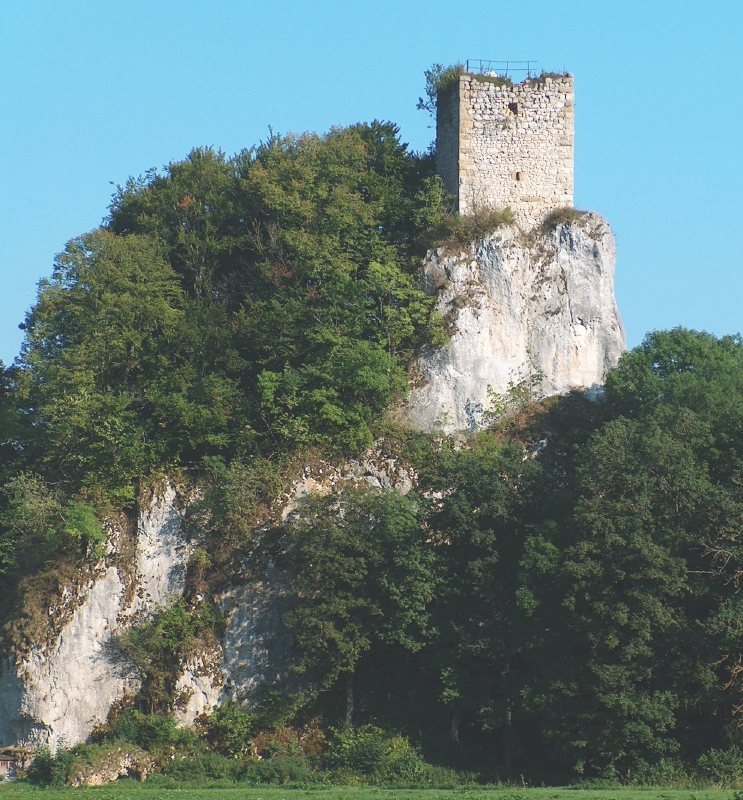
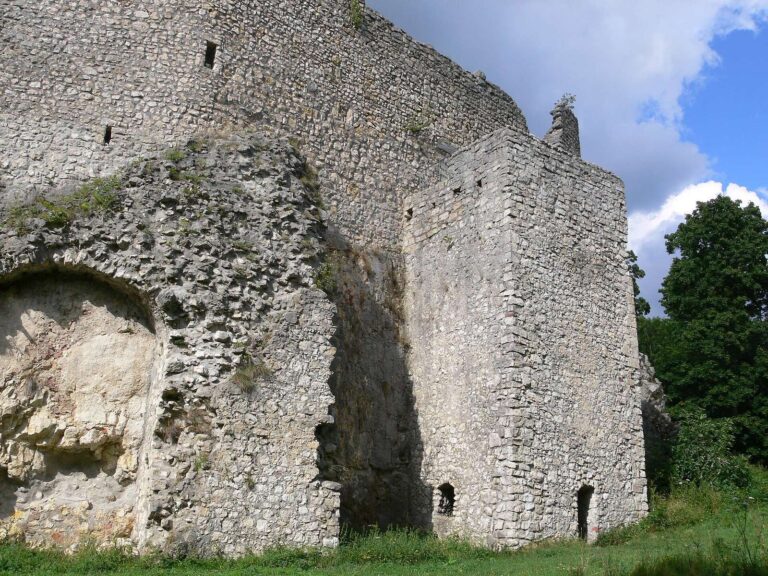
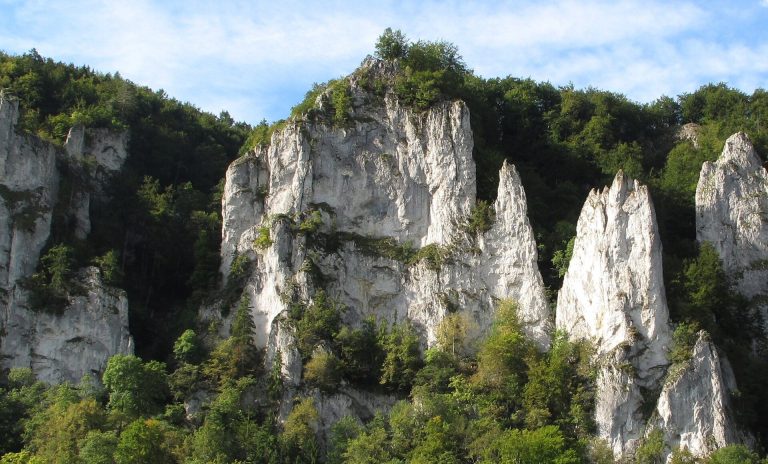
The complex occupies a spur above Gutenstein beside the Danube. Its main building has a T-shaped plan, three gables, and three storeys, and is constructed of plastered limestone. A rectangular wall encloses the complex. At the time of its sale in late 2005, the restored castle had about 700 square metres of living space, and the estate covered 12,000 square metres.
Enclosure and water feature
Wall and round tower
The rectangular castle wall surrounds the complex. A separate round tower stands at its northern wall.
Shaft through the rock
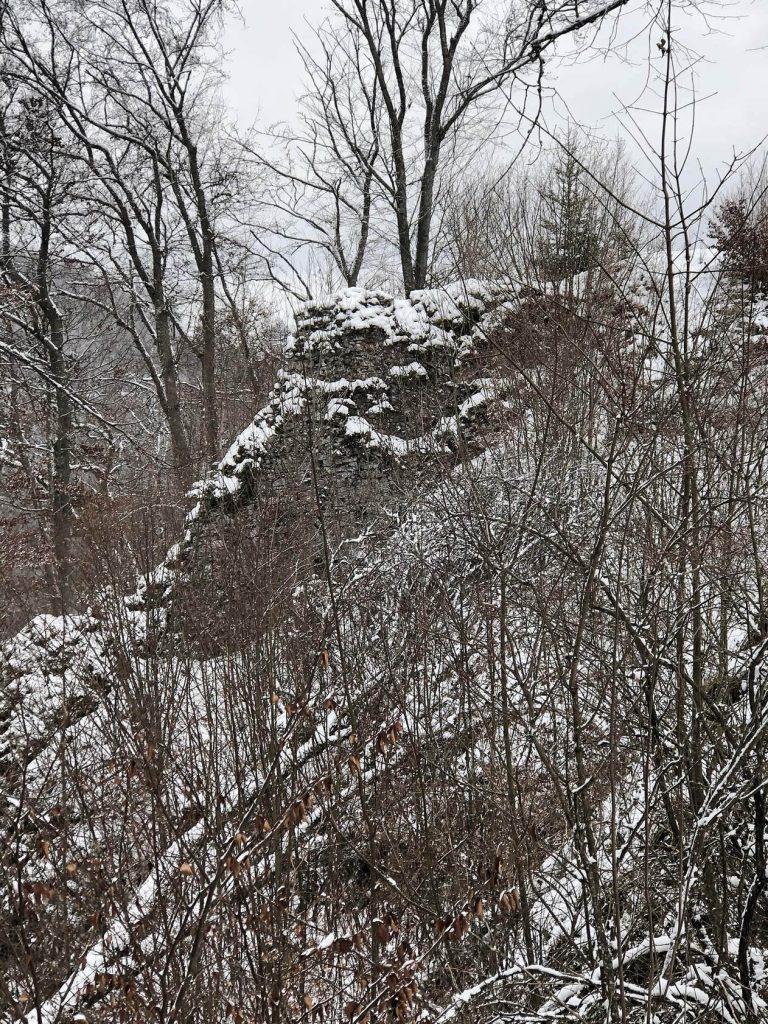
A shaft once ran through the castle rock to the Danube and is now filled in. It probably supplied water and may also have served other purposes during wartime.