Buskmosegård: A Danish Estate with a Neo-Gothic Villa-Castle
Site at a Glance
- Popularity
- Very Low
- Country
- Denmark
- Primary era
- Modern
- Eras represented
- Modern
- Civilizations
- German, Kingdom of Prussia
- Site type
- Domestic
- Remains
- Castle
On this page6 sections
History
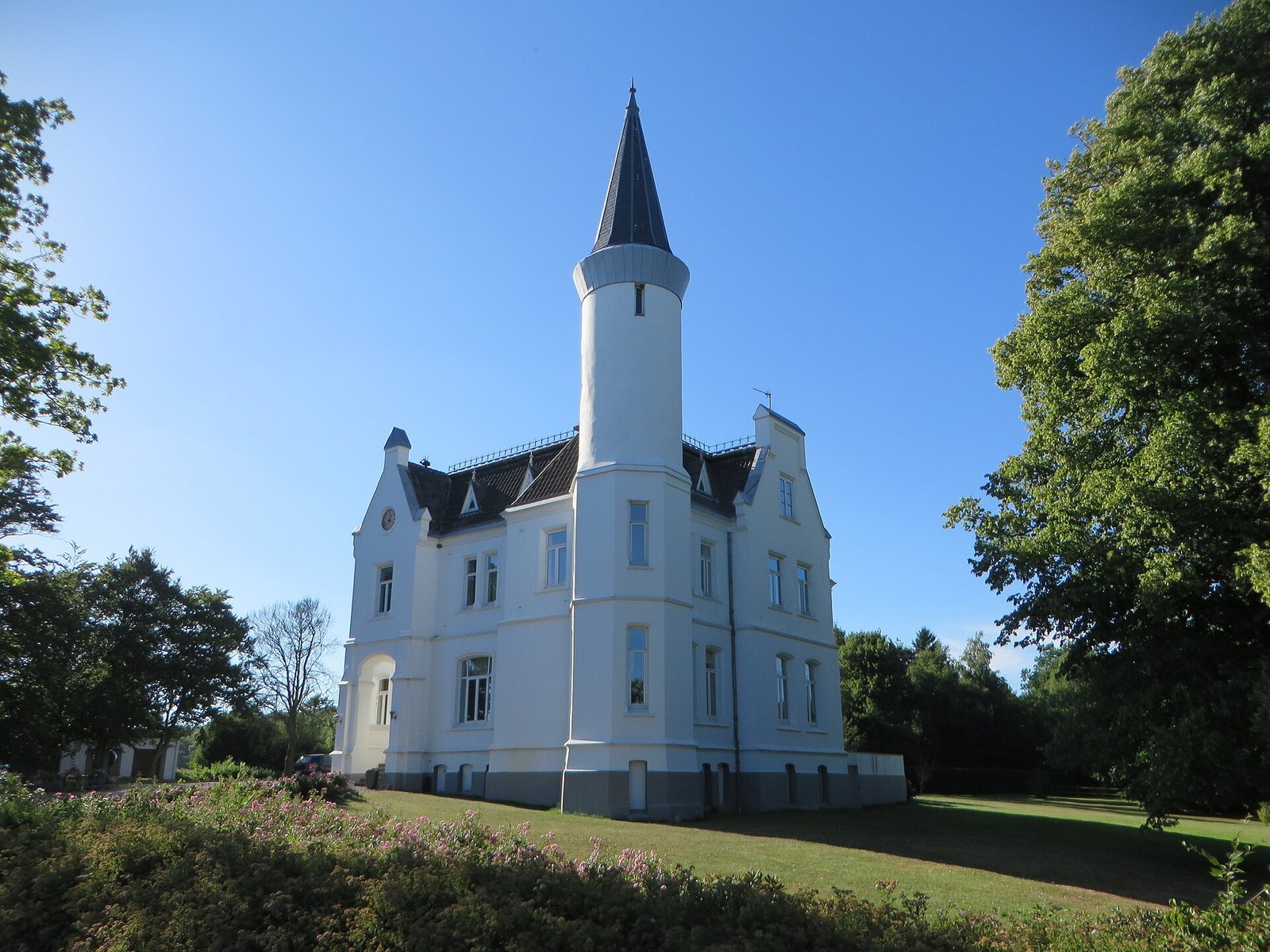
Buskmosegård is an estate near Rinkenæs, on the north side of the Flensburg Fjord in Denmark. Its history reaches back to the fifteenth century, and its nineteenth-century villa-castle, a villa designed in the form of a castle, is neo-Gothic, a revival of Gothic forms popular during that century.
Fifteenth-century estate
Buskmosegård was first mentioned in 1475, apparently already serving as a noble residence.
Nineteenth-century villa-castle
In 1885, the estate was purchased by the Prussian district administrator of Apenrade, a civil official responsible for a district. Apenrade is the German name for Aabenraa. Baron Raphael von Uslar, a German nobleman, commissioned a large villa-castle on the estate during the nineteenth century.
The spire on the building’s southeast tower was probably reconstructed between 2006 and 2018.
Remains
Villa-castle
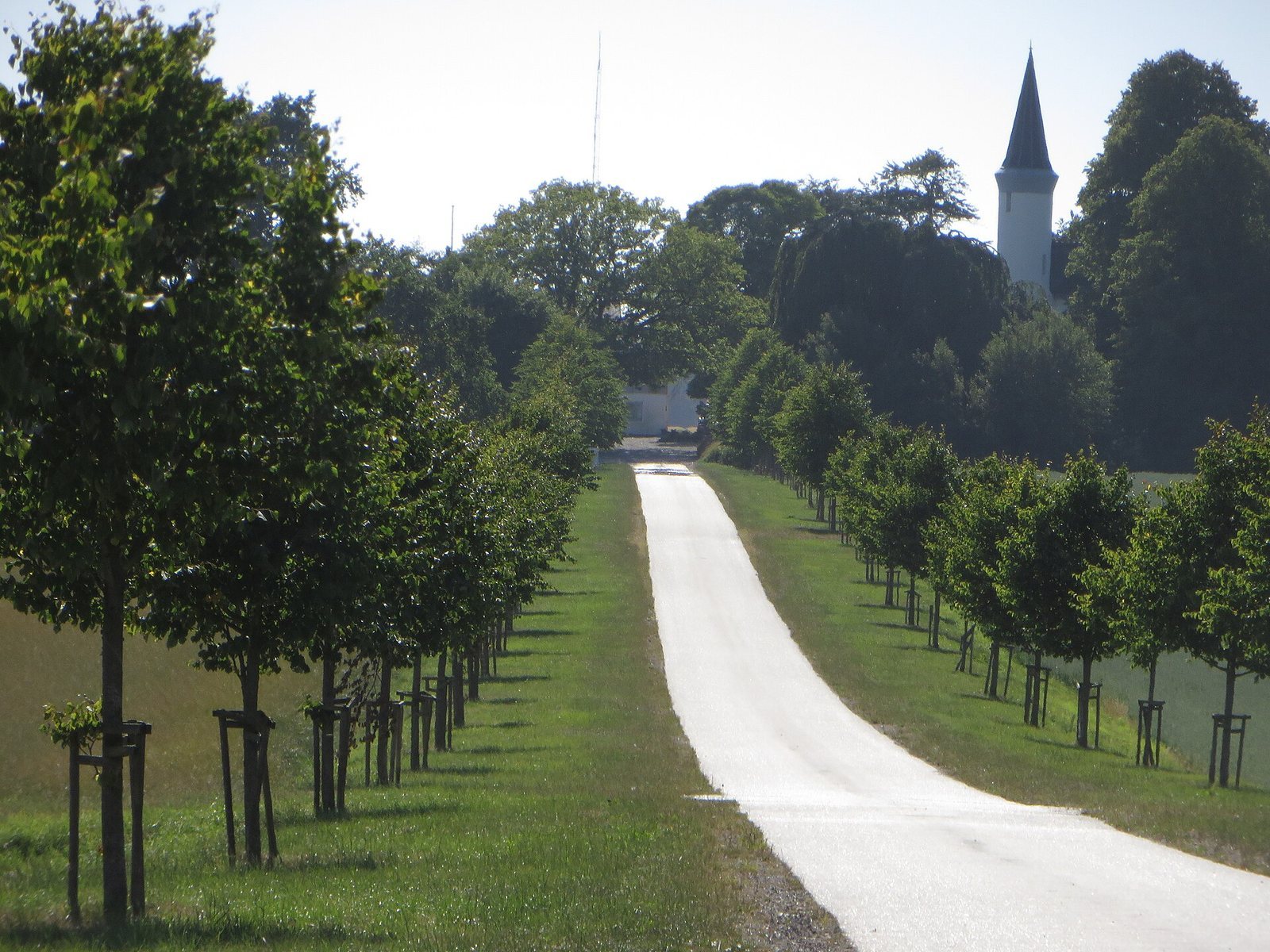
The estate includes newer farm buildings and a square, medieval-looking villa-castle with two full storeys above a basement. Its neo-Gothic design has some similarities to Blomenburg near Plön and Neuschwanstein Castle. Numerous projections and bay windows articulate the building. A black-tiled mansard roof, with two slopes on each side and a typically steeper lower slope, tops the structure. A pointed-roof tower occupies the northwest corner, while a taller, eight-sided tower with a spire stands at the southeast corner.
Park and woodland
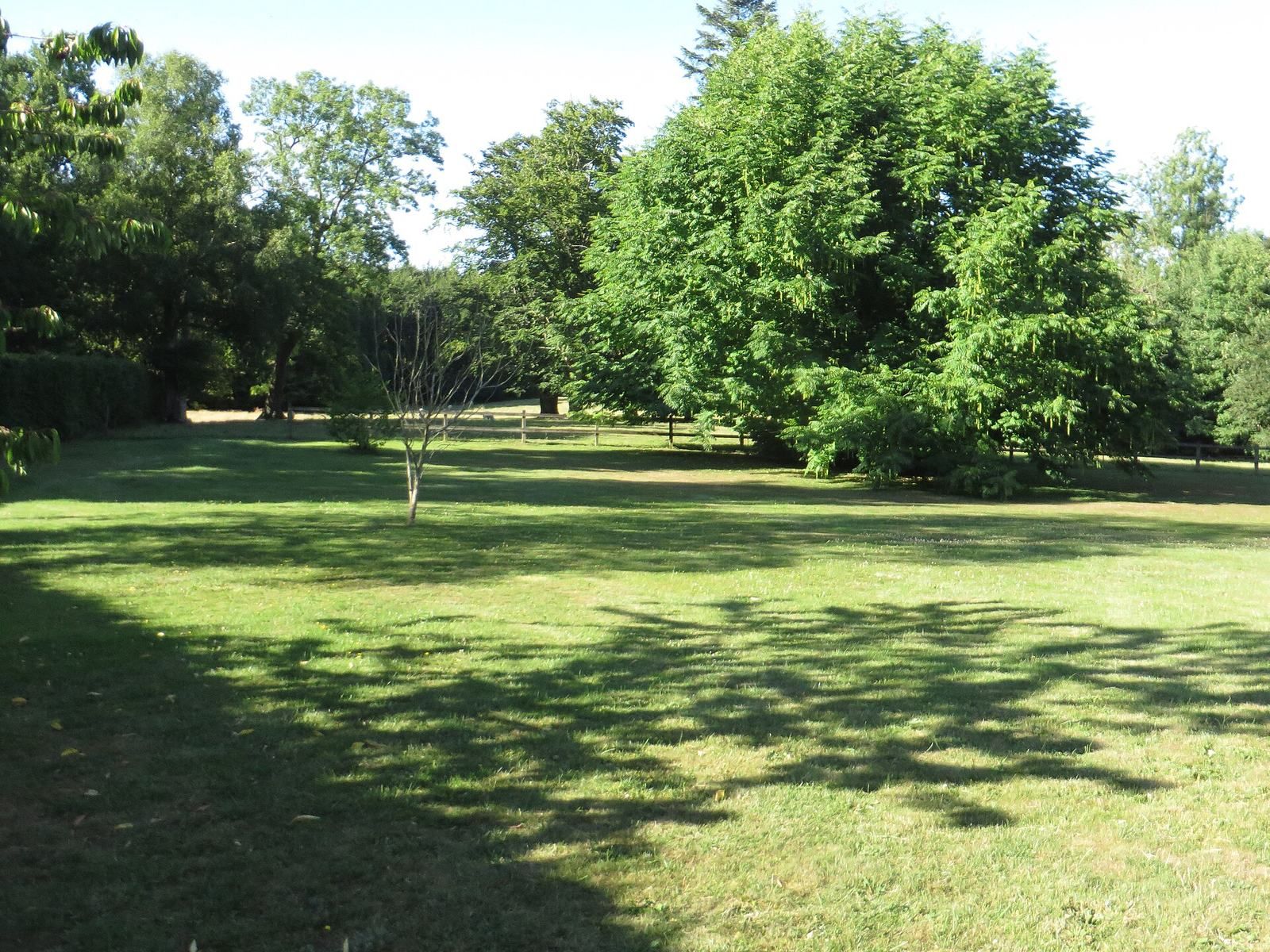
A park adjoins the north side of the villa-castle and extends to Buskmose Skov, the forest immediately to the north. Farther north, Buskmose Skov joins Rinkenæs Skov, which extends to Gravenstein Castle.