Wallington Hall: A Historic House in Northumberland
Site at a Glance
- Popularity
- High
- Country
- United Kingdom
- Primary era
- Early Modern
- Eras represented
- Medieval, Early Modern
- Civilizations
- Anglo-Saxon, British, English
- Site type
- Domestic
- Remains
- Elite Residence
On this page10 sections
History
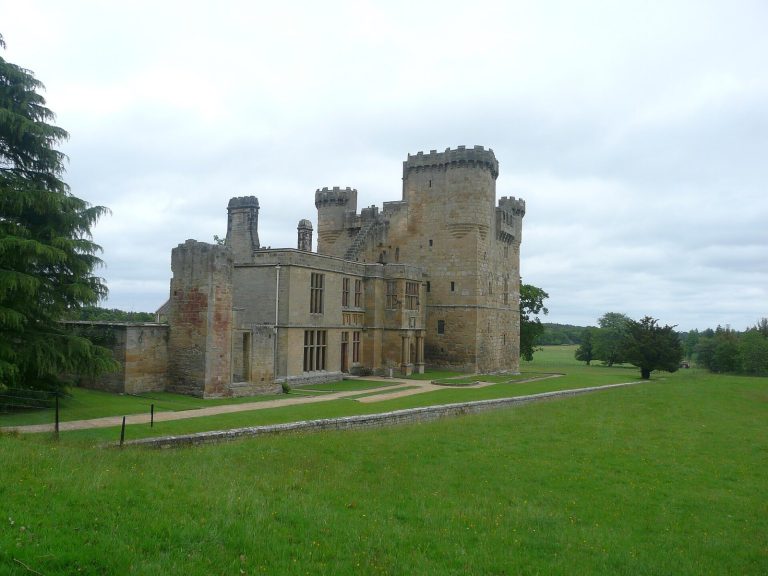
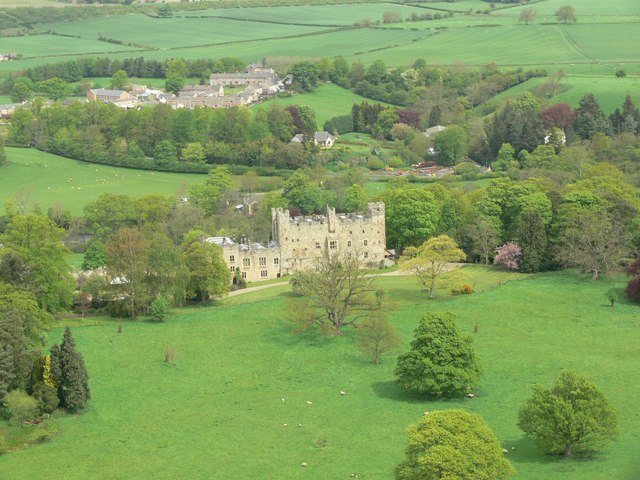
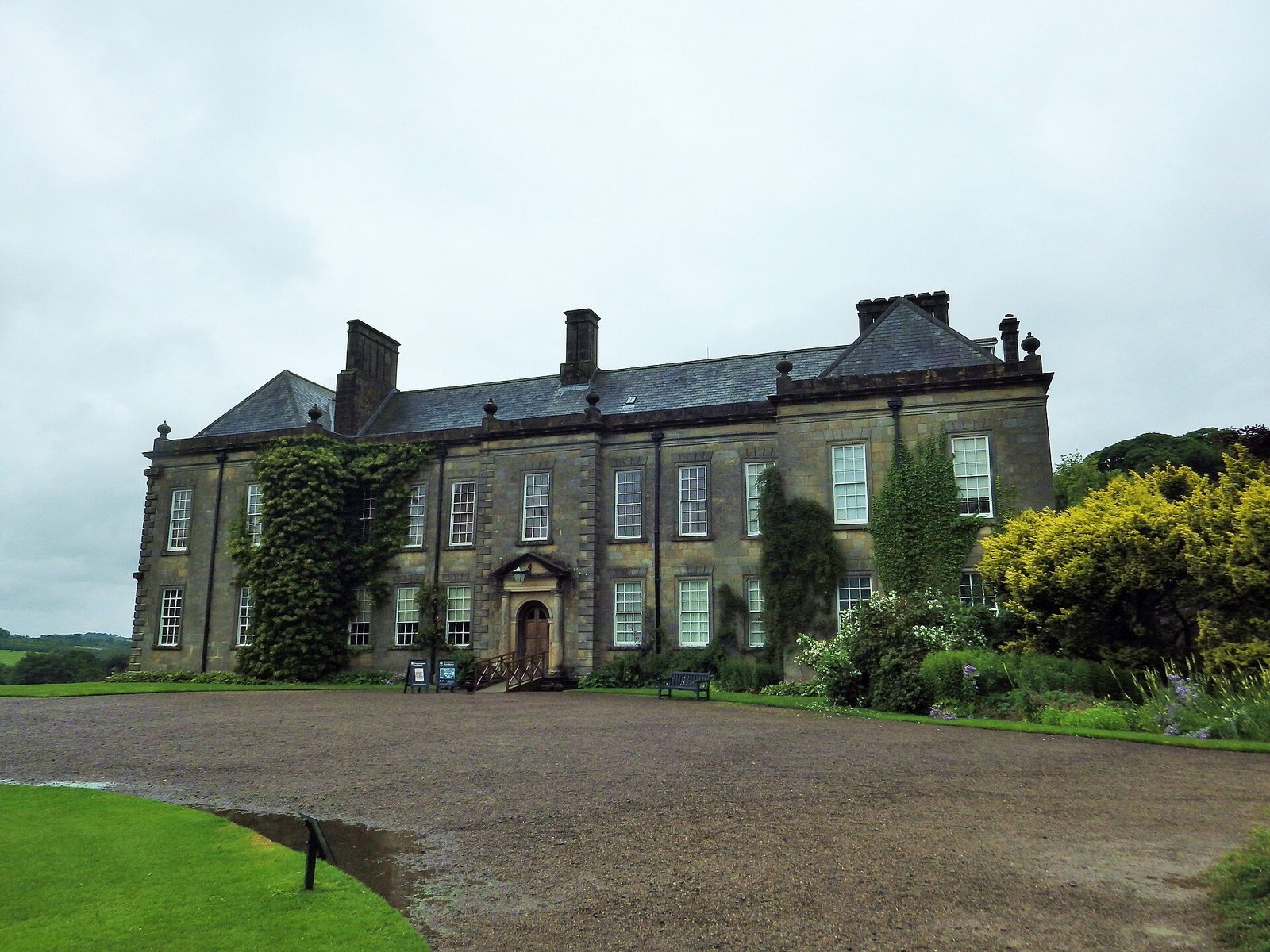
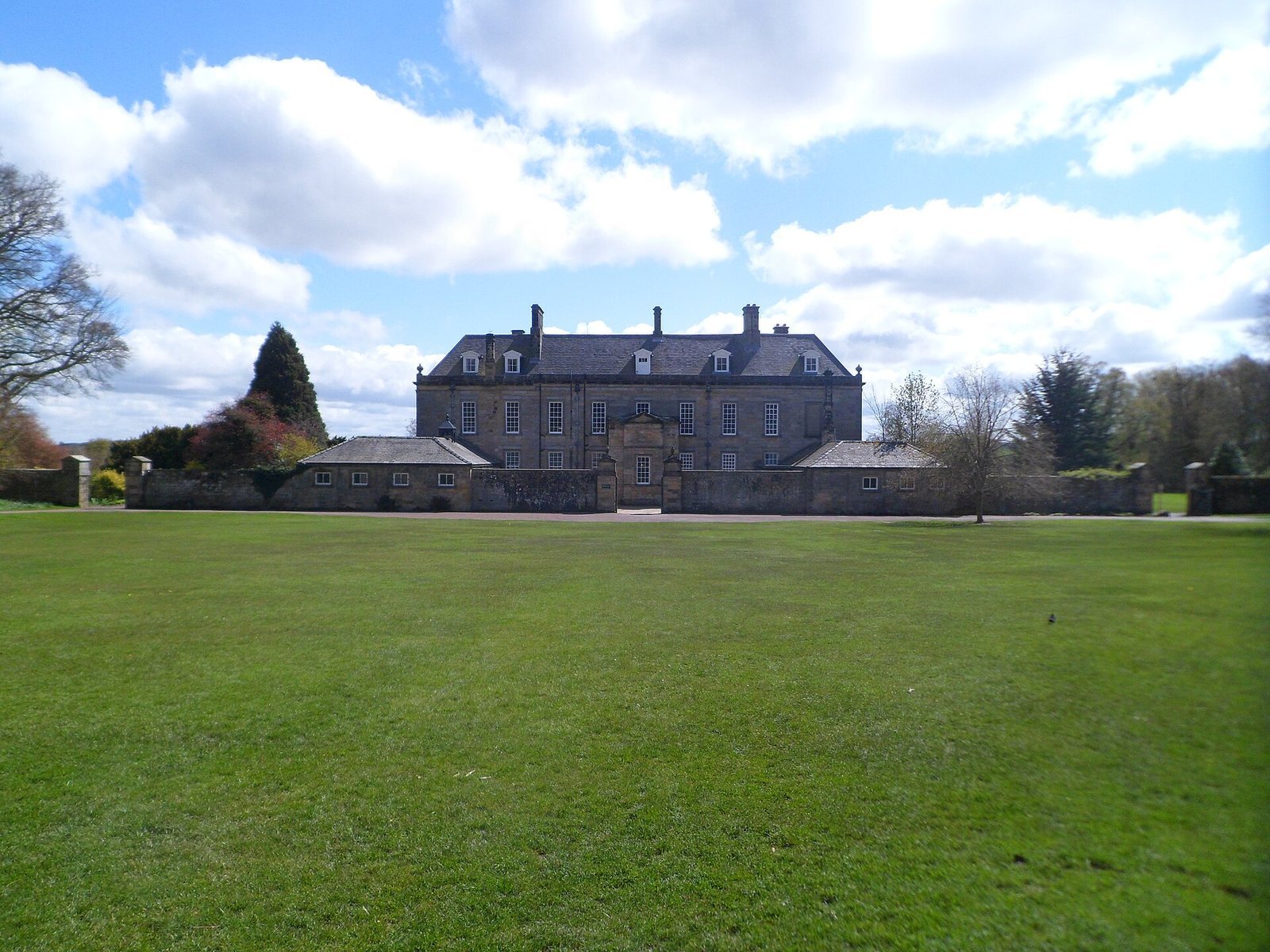
Wallington Hall is a historic house near Cambo in Northumberland, United Kingdom, with origins in 1688 and a Palladian form created during its eighteenth-century rebuilding. Its estate passed through several families before Sir Charles Philips Trevelyan arranged for it to be given to the National Trust for preservation and public enjoyment.
Fenwick and Blackett ownership
The Fenwick family held the estate from 1475 until Sir John Fenwick, 3rd Baronet, sold Wallington Hall and the family’s remaining properties to Sir William Blackett in 1688. The agreement set a price of £4,000, together with an annual payment of £2,000 for the lifetimes of Fenwick and his wife, Mary. Blackett later found lead on the estate, a discovery that brought him wealth.
Rebuilding and Trevelyan ownership
Sir Walter Calverley-Blackett, 2nd Baronet, commissioned a rebuilding of the hall between 1735 and 1745, with architect Daniel Garret responsible for the work. In 1777, Sir John Trevelyan inherited the estate from Walter Blackett. The Trevelyan family’s wealth was linked to slave plantations on Grenada.
Pauline Jermyn, an artist and naturalist, married the naturalist Sir Walter Calverley Trevelyan. The couple welcomed literary and scientific figures to Wallington, including members of the Pre-Raphaelite Brotherhood, a nineteenth-century British group of artists who pursued a vivid, detailed style inspired by art before Raphael.
Transfer to the National Trust
Sir Charles Philips Trevelyan inherited Wallington in 1928 from his father, Sir George Otto Trevelyan, 2nd Baronet. A leading member of Liberal and Labour governments in the late 1920s, Charles decided in 1937 to donate the estate, including its farms, to the National Trust, a British organization that protects historic properties and landscapes. The gift was the first of its kind. The Trust owned the estate by 1942 and assumed its full operation in 1958, after Charles and his wife had died.
Wallington Hall received Grade I listing on 6 May 1952. Grade I is England’s highest listing category, reserved for buildings of exceptional architectural or historic interest.
Remains
The hall and its interiors
Palladian house
The house stands within a 100-acre (40-hectare) estate and is built in the Palladian style, which draws on classical forms associated with Renaissance architect Andrea Palladio. Cellars belonging to an early medieval house survive beneath it. During the rebuilding of the hall house, an ancient pele tower, a fortified tower house associated with the Anglo-Scottish border, was demolished.
Decorative interiors and collections
The dining room and drawing room have Rococo ceiling decoration by the Italian artist Pietro Lafranchini. Rococo is an ornate decorative style popular in the eighteenth century. Eight murals by William Bell Scott in the central hall portray the history of Northumberland. The house also contains the desk at which historian and politician Thomas Babington Macaulay wrote his History of England, alongside a large collection of antique dollhouses.
Parkland
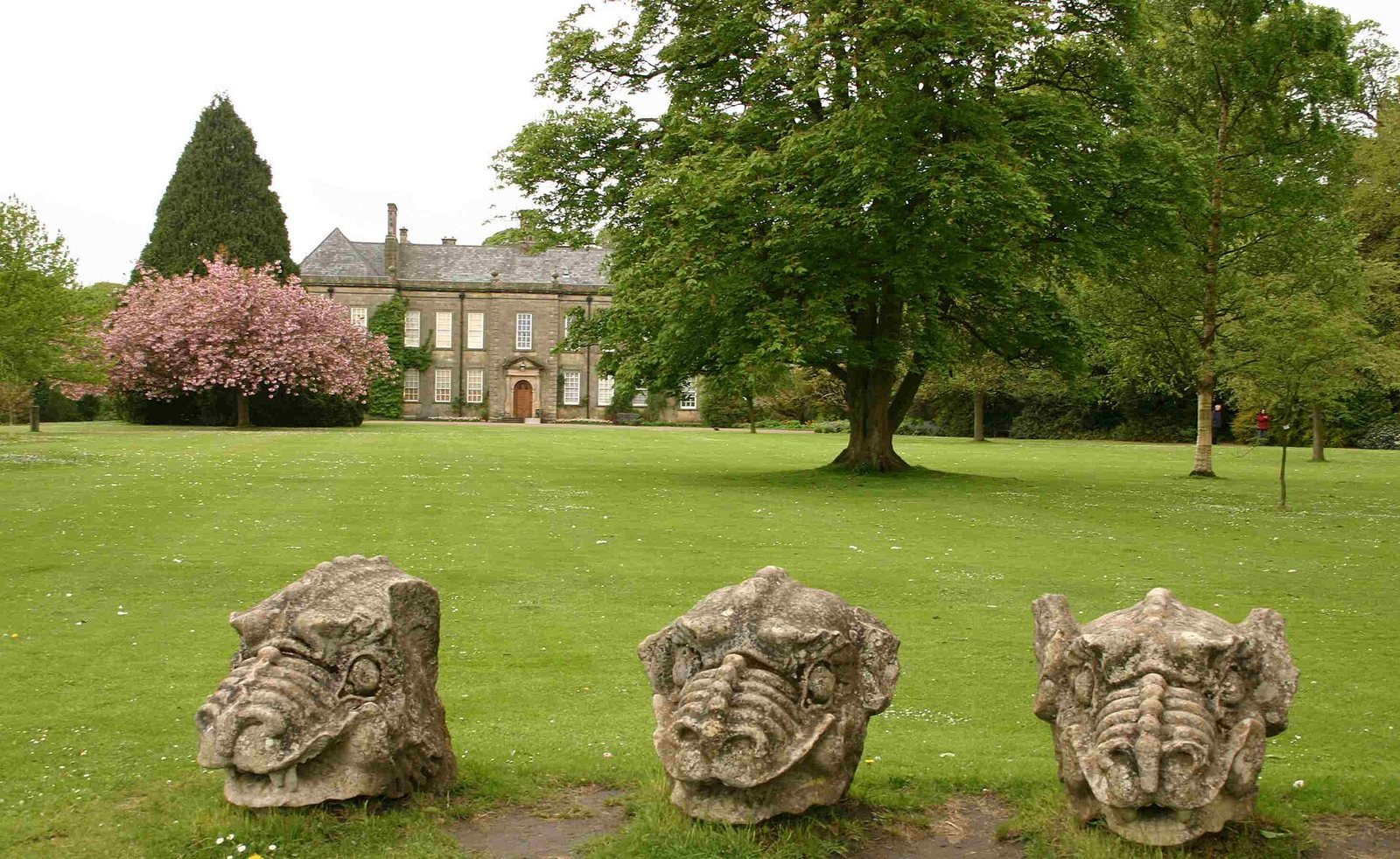
The grounds comprise rolling parkland with a wooded dene, or valley, ornamental lakes, lawns and a walled garden.
Estate find
A hoard of 26 objects was found on the estate in 1870.