Dr Johnson’s House: Samuel Johnson’s London Home and Dictionary Workplace
Site at a Glance
- Popularity
- High
- Country
- United Kingdom
- Primary era
- Early Modern
- Eras represented
- Early Modern, Modern
- Civilizations
- British, English
- Site type
- Domestic
- Remains
- House
On this page7 sections
History
Construction and Johnson’s residence
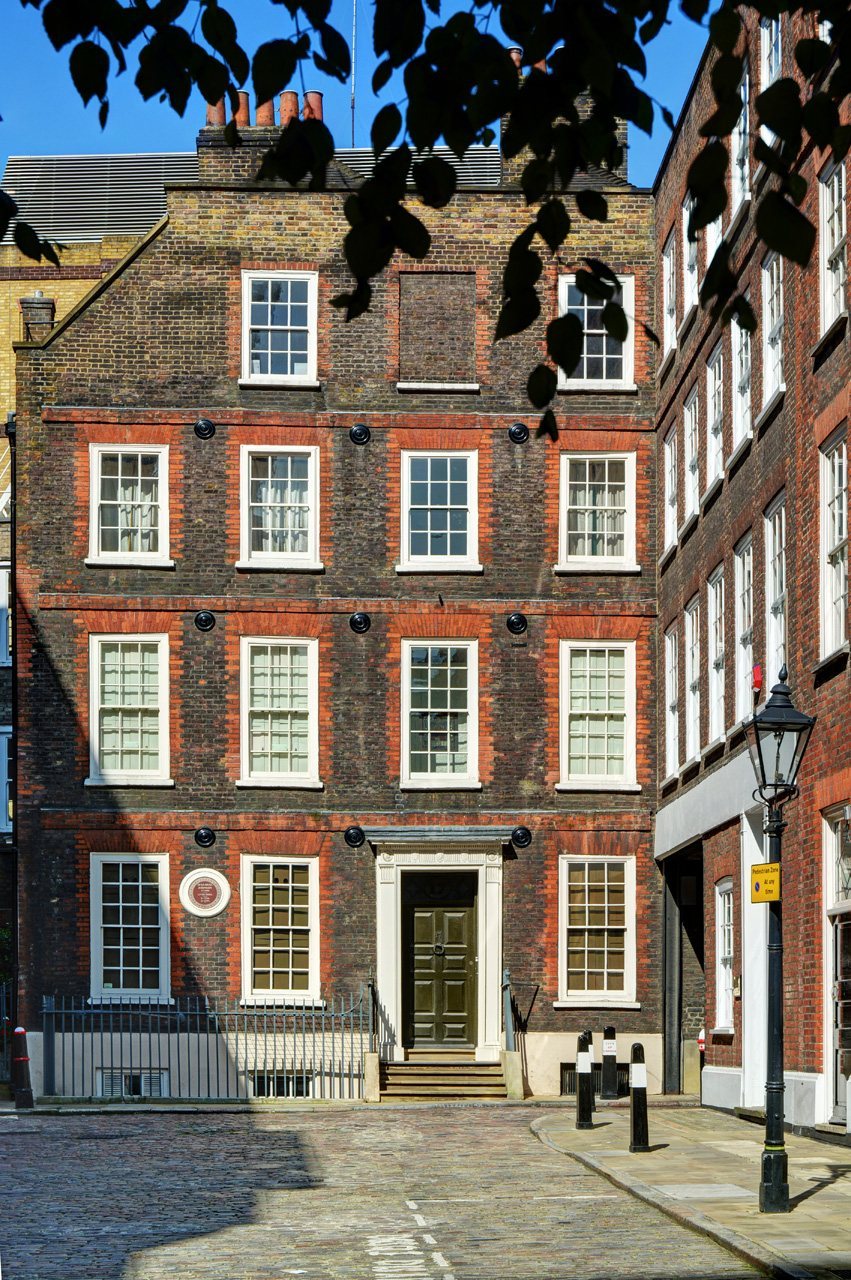
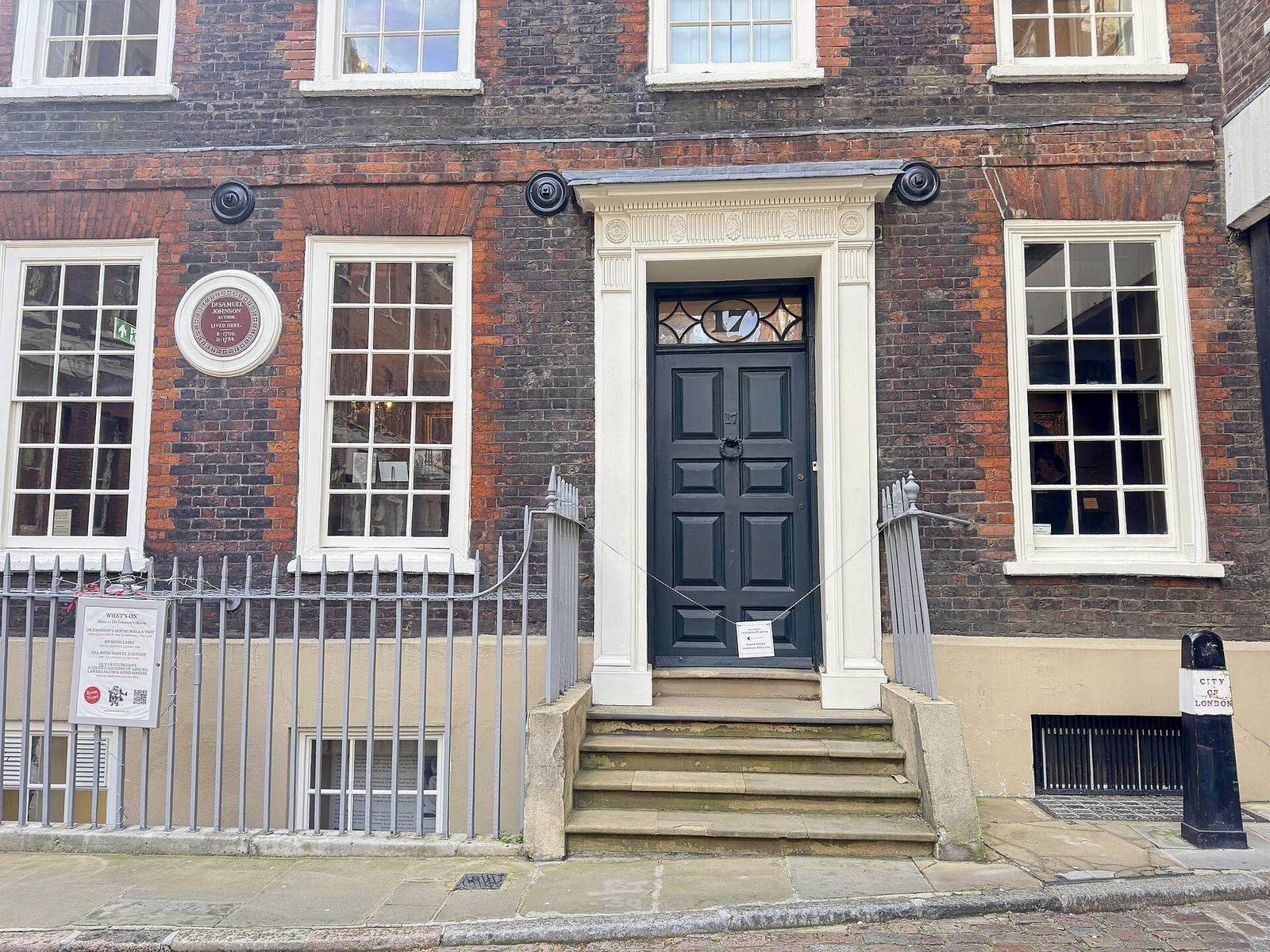
Dr Johnson’s House is a residence at 17 Gough Square in London, United Kingdom, built around 1700 by wool merchant Richard Gough. It is a rare surviving late-seventeenth-century house in the City of London and the only one of Samuel Johnson’s 18 City residences to survive.
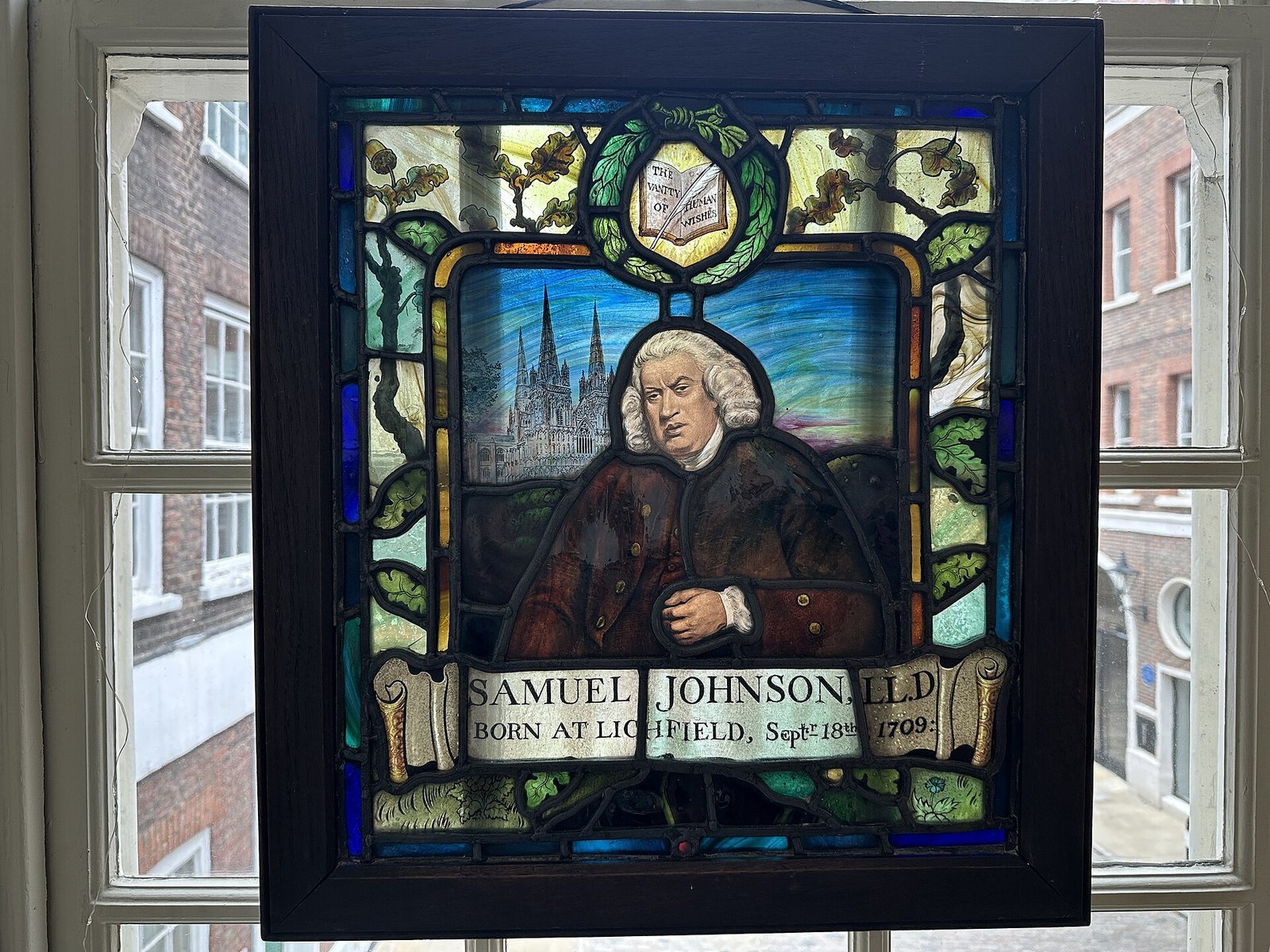
Johnson, an eighteenth-century English writer and lexicographer (a compiler or editor of dictionaries), lived and worked in the house from 1748 to 1759, paying £30 in rent. There he compiled A Dictionary of the English Language.
Later uses and restoration
During the nineteenth century, the building was used as a hotel, a print shop, and a storehouse. In the late nineteenth century, the Royal Society of Arts placed a commemorative plaque on its exterior to mark Johnson’s residence.
By 1911 the house had fallen into serious disrepair. Newspaper magnate and politician Cecil Harmsworth bought it that year and had it restored under architect Alfred Burr’s direction. It opened to the public in 1914. Today, it is a writer’s house museum managed by the charitable Dr Johnson’s House Trust Ltd and is Grade I listed, the highest category of listed-building status in England.
Remains
The house and its collections
Exterior and setting
The house stands in Gough Square, a small, L-shaped pedestrian court within a network of old alleyways just north of Fleet Street. Its exterior is four bays wide and rises five storeys.
Interior and museum collection
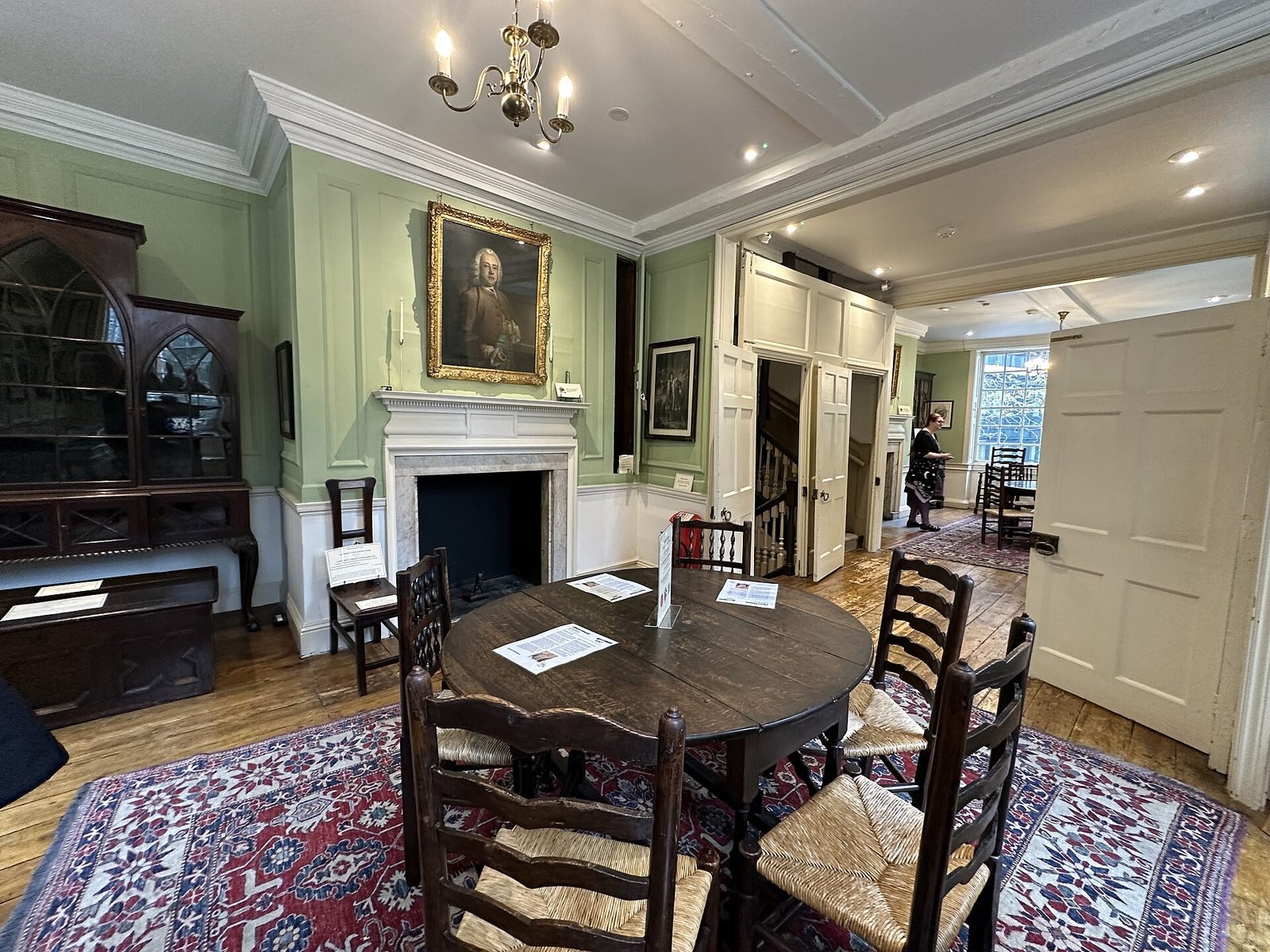
Inside, panelled rooms and a pine staircase form part of the surviving house. The museum displays eighteenth-century furniture, prints, and portraits. Its collection includes a tea set that belonged to Johnson’s close friend Mrs Thrale and a portrait thought to depict Francis Barber, Johnson’s Jamaican servant, who inherited most of Johnson’s estate.