Dūkštas Manor: A Classicist Residential Estate in Lithuania
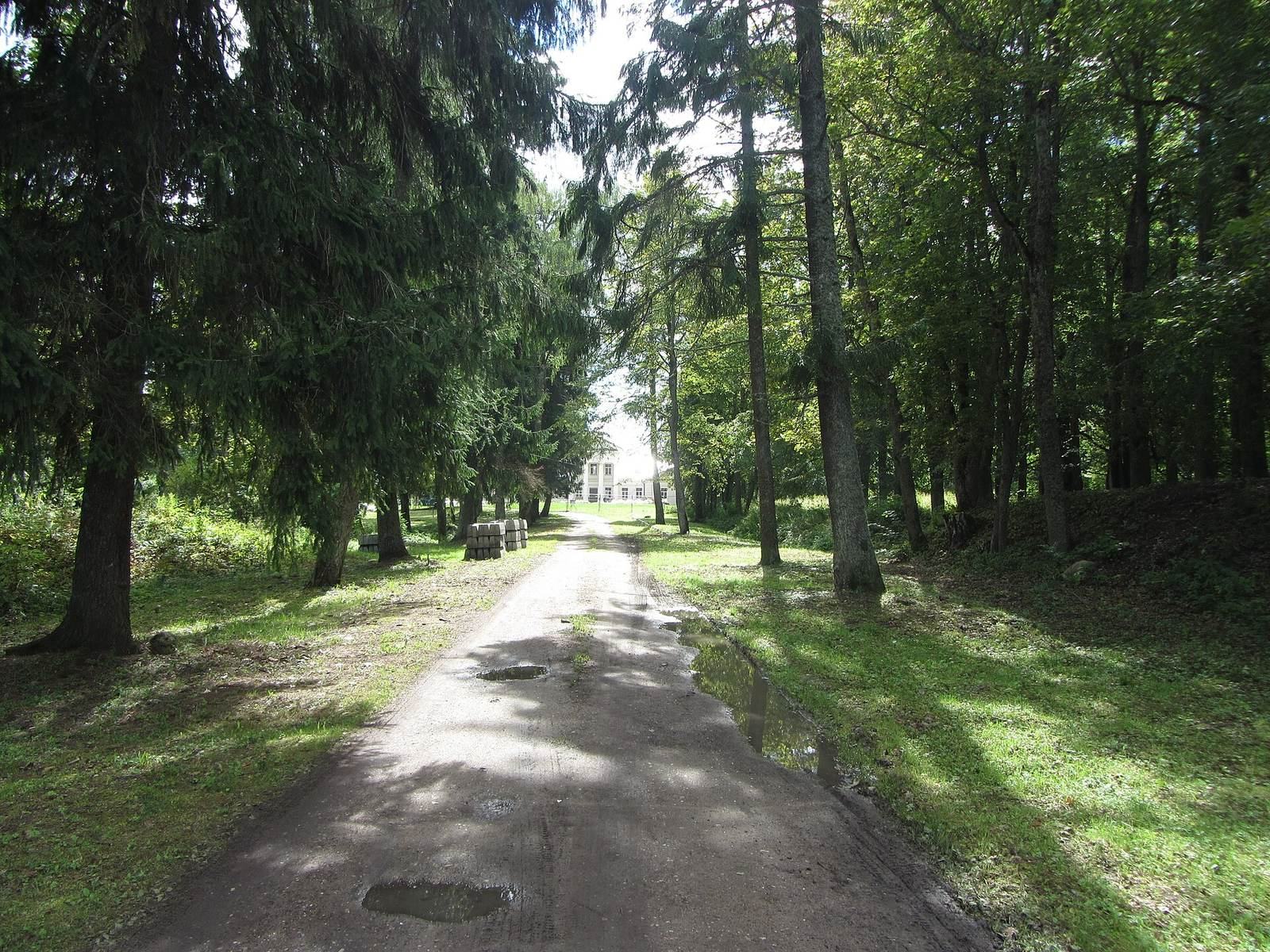
Site at a Glance
- Popularity
- Low
- Country
- Lithuania
- Primary era
- Modern
- Eras represented
- Modern
- Civilizations
- Russian
- Site type
- Domestic
- Remains
- Manor House
On this page4 sections
History
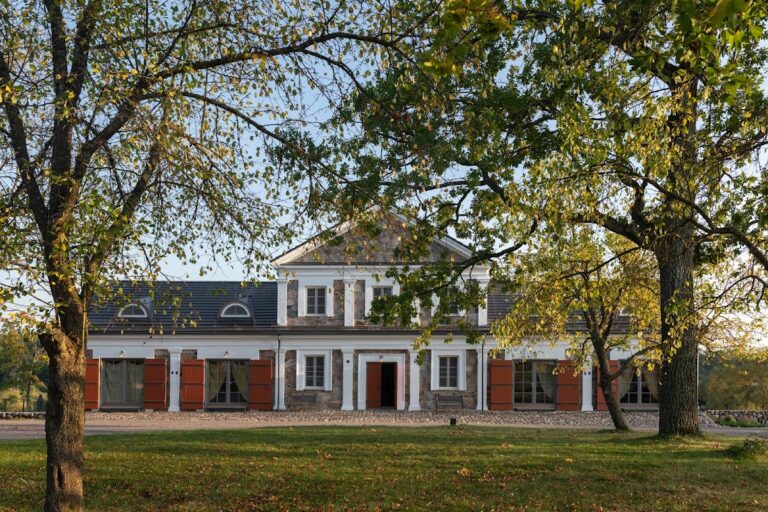
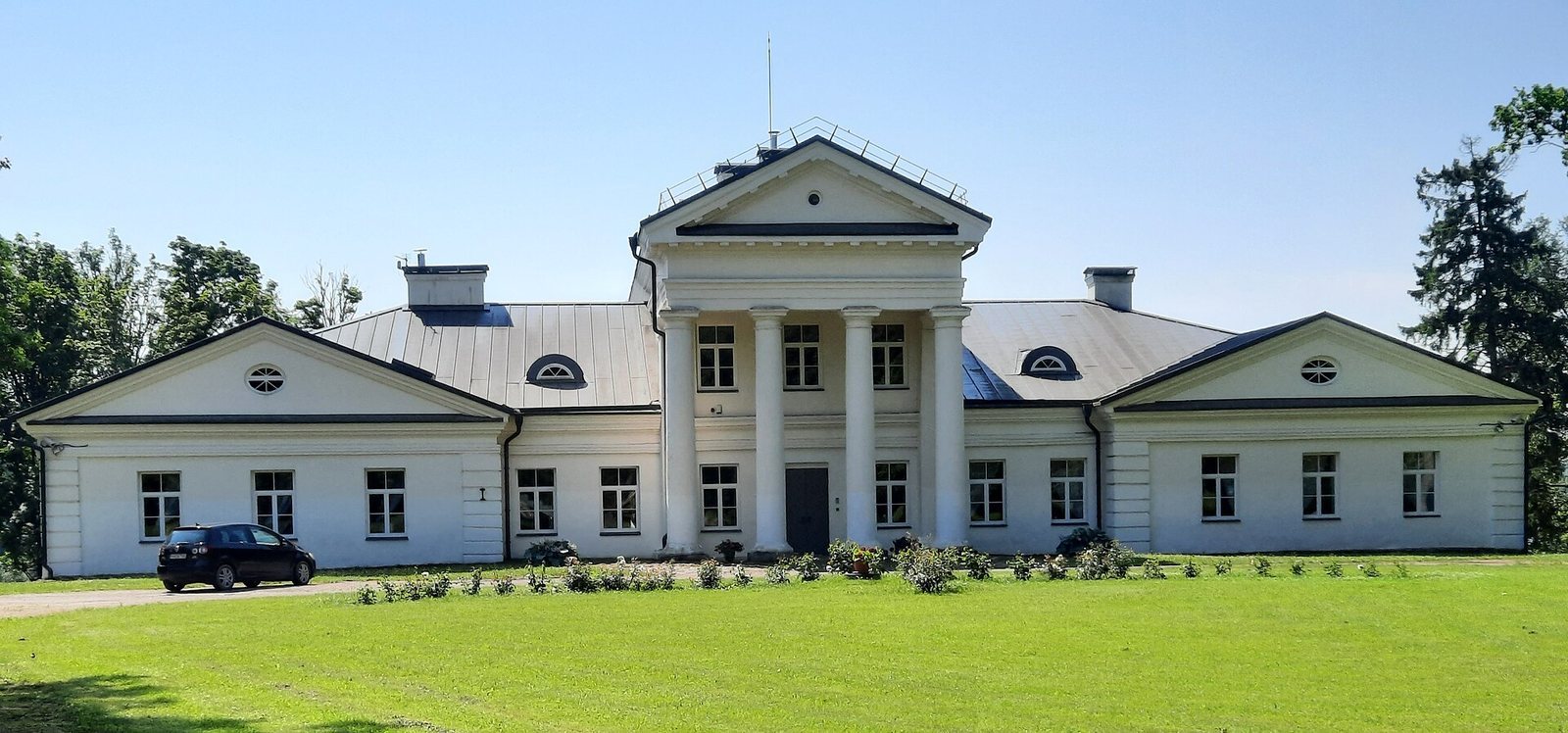
Dūkštas Manor is a former residential estate in Dūkšteliai village, Ignalina District Municipality, Lithuania. Its manor house was completed in 1820 in the Classicist style, which draws on forms and principles associated with ancient Greek and Roman architecture.
Early ownership and construction
In the sixteenth century, the estate belonged to the Giedroyć family. It later passed to the Stabrowski and Rudomino-Dusiacki families. During the Partitions of Poland, the late-eighteenth-century divisions of the Polish-Lithuanian Commonwealth by Russia, Prussia, and Austria, the estate lay within the Russian Empire and belonged to the Dowgiałło family. Poland ceased to exist as an independent state until 1918.
In 1812, while the manor buildings were still unfinished, officers of the French Army’s V Corps, a large military formation, were quartered at the estate. The manor house was completed eight years later.
Twentieth-century estate and later work
In 1901, a daughter of the Dowgiałło family married Tomasz Zan. The Zan family owned the estate until the Second World War, and Tomasz Zan was its last owner. During the interwar period, between the First and Second World Wars, the estate was in Poland. Until 1926 it belonged to Nowogródek Voivodeship, a province-level administrative unit, and Brasław County, a subdivision below it. From 1926 it was in Vilnius Voivodeship and Święciany County, within Dukszty municipality.
During those years, the estate was visited by Polish composer Karol Szymanowski, pianist Artur Rubinstein, and actor and theatre director Juliusz Osterwa. The 2nd Company of the 9th Border Guard Battalion was stationed there, followed by the Dukszty border company of the Polish Border Protection Corps (KOP). The settlement belonged to the Roman Catholic parish in Dukszty. Its magistrates’ court was in Święciany, its regional court in Vilnius, and its post office in Dukszty.
The 1921 census counted 95 residents: 93 declared themselves Roman Catholic and two Orthodox, while 47 declared Polish nationality and 48 Lithuanian nationality. It listed eight residential buildings. In 1938, the estate had 69 residents in nine buildings. Reconstruction work began in 2005, stalled, and resumed in 2010.
Remains
The manor house is the estate’s identified residential structure. Its Classicist design draws on ancient Greek and Roman architectural forms.