Bygholm Castle: A Royal Estate and Manor in Denmark
Site at a Glance
- Popularity
- Medium
- Country
- Denmark
- Primary era
- Early Modern
- Eras represented
- Medieval, Early Modern
- Civilizations
- Danish, Denmark–Norway
- Site type
- Domestic
- Remains
- Manor House
On this page8 sections
History
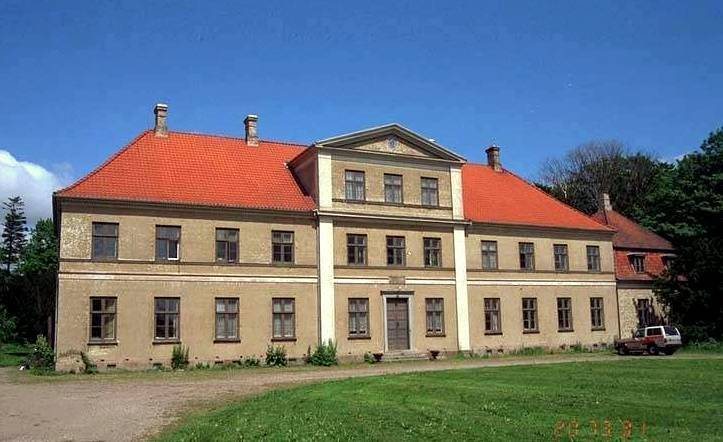
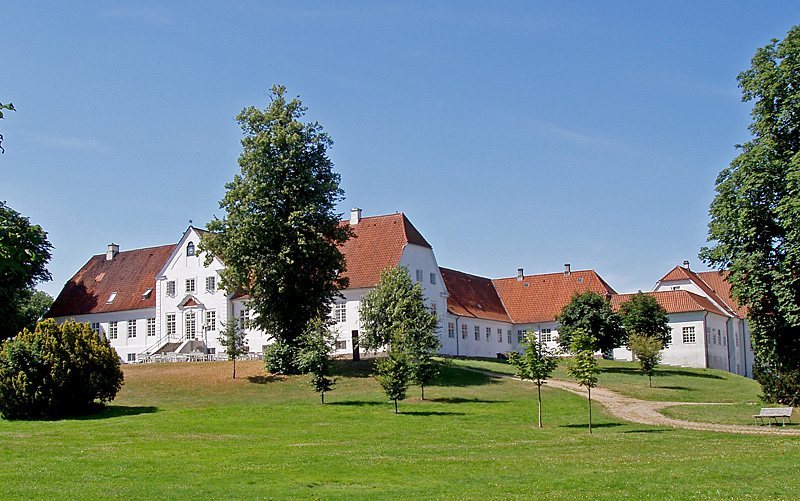
Bygholm Castle is a historic estate just south of Horsens, Denmark, established in 1313 by order of King Eric VI Menved; its present main building was completed in 1775 in a symmetrical Baroque design, a formal style often organized around symmetry.
The royal foundation followed a peasant revolt in Jutland. The Crown retained the estate until 1661, and a royal vassal administered it as a royal fief, an estate held under a feudal grant.
Royal administration and decline
Erik Lange, the best-known of the royal vassals at Bygholm, belonged to the social circle of Danish astronomer Tycho Brahe, known for observing the heavens before the invention of the telescope. After financial ruin, Lange pursued alchemy and left the estate neglected.
Later vassals chose to live at nearby Stjernholm. A fire may also have contributed to Bygholm’s decline in the early 17th century. The name of the fief changed in connection with the move to Stjernholm.
From royal estate to manor
In 1661, King Frederick III, the Danish monarch of the 17th century, ceded Bygholm to Peder von Ufelen, who came from Hamburg. Peder sold the estate in 1670 to Joachim Werner von Bülow, who rebuilt it and restored its status as a manor.
Ownership passed to Jørgen Rantzau (1697–1705), Theodosius von Levetzow (1705–1719), and Anna Margrethe Brockenhuus, née von Levetzow (1719–1763). Hans Frederik von Levetzau held the estate in 1763, followed by Sophie von Levetzau, née von Eyndten (1763–1766), Lars de Thygeson (1766–1809), and Niels Emanuel de Thygeson (1809–1830).
The Crown owned Bygholm again from 1830 to 1835. August Theodor Schütte held it from 1835 to 1889, followed by Ludvig Theodor Schütte from 1889 to 1915 and the Schütte estate until 1918. Horsens Municipality acquired the property in 1918 and remains its owner. The main building was listed by the Danish Heritage Agency in 1984.
Remains
Estate buildings and grounds
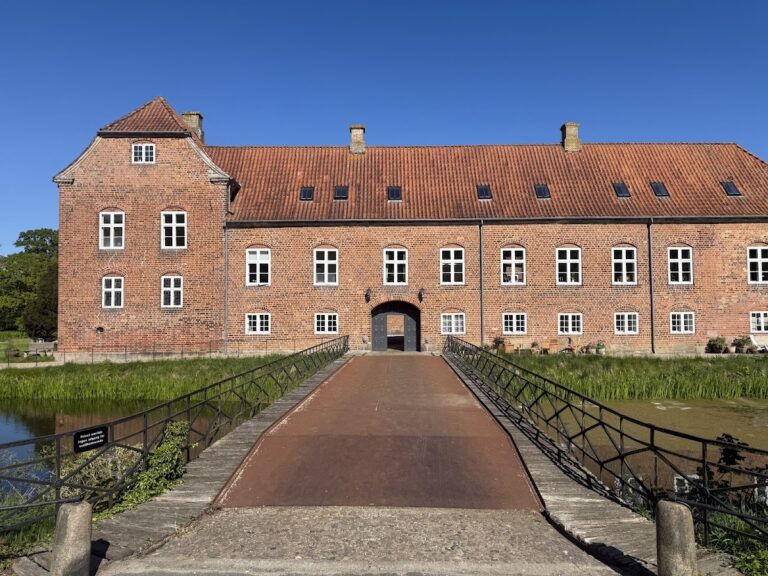
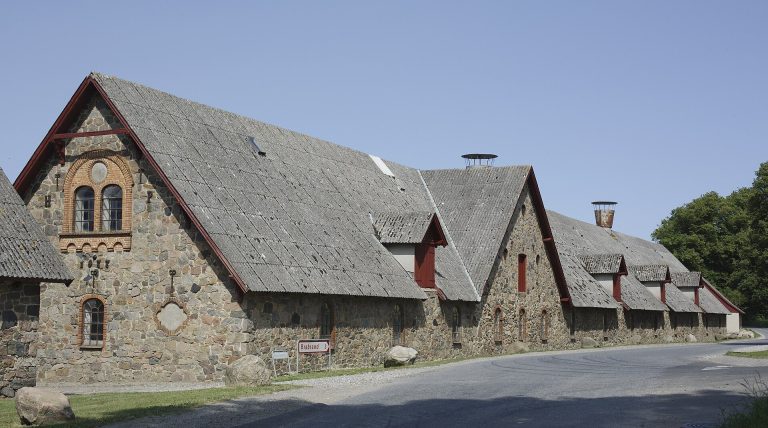
The estate lies south of Horsens and includes a main building, farm buildings, and a park. The main house has a central wing with lower side wings, while the agricultural buildings form another part of the estate.
Main building
The one-storey main wing has a central section that projects from the facade and is divided into three parts. Two lower, L-shaped lateral wings flank it. The building is now operated as a hotel.
Farm buildings
The farm buildings are somewhat younger than the main building. They now house Aarhus University’s Bygholm Research Centre, Department of Agricultural Technologies.
Park
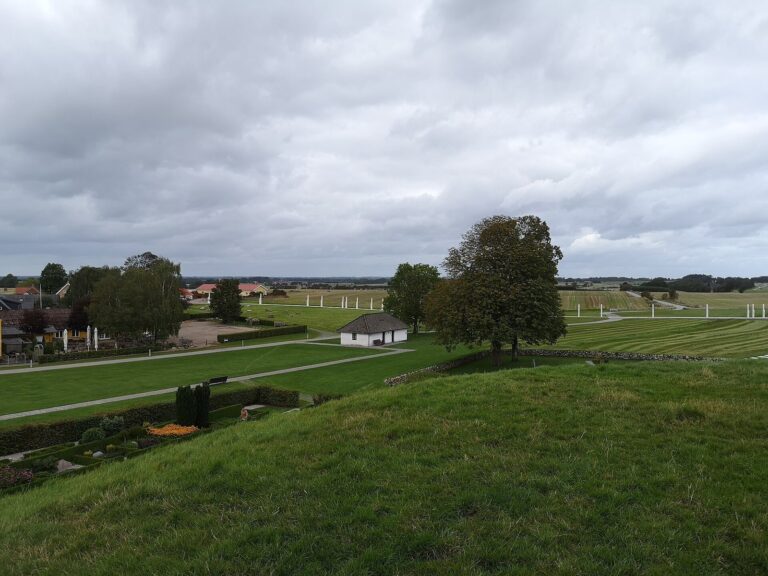
The estate’s park is open to the public and is used for fairs and other events.