Laàs Castle: A Seventeenth-Century Classical Residence and Museum
Site at a Glance
- Popularity
- Medium
- Country
- France
- Primary era
- Early Modern
- Eras represented
- Early Modern
- Civilizations
- French
- Site type
- Domestic
- Remains
- Castle
On this page7 sections
History
From fief to barony
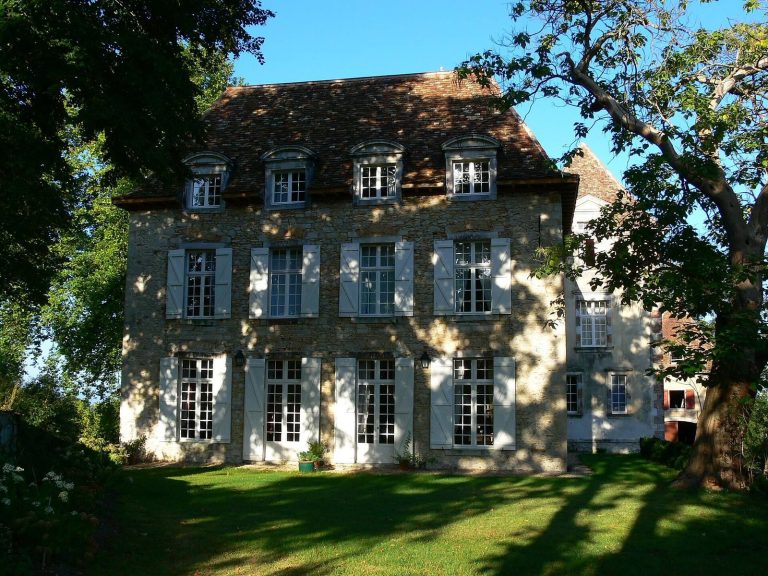
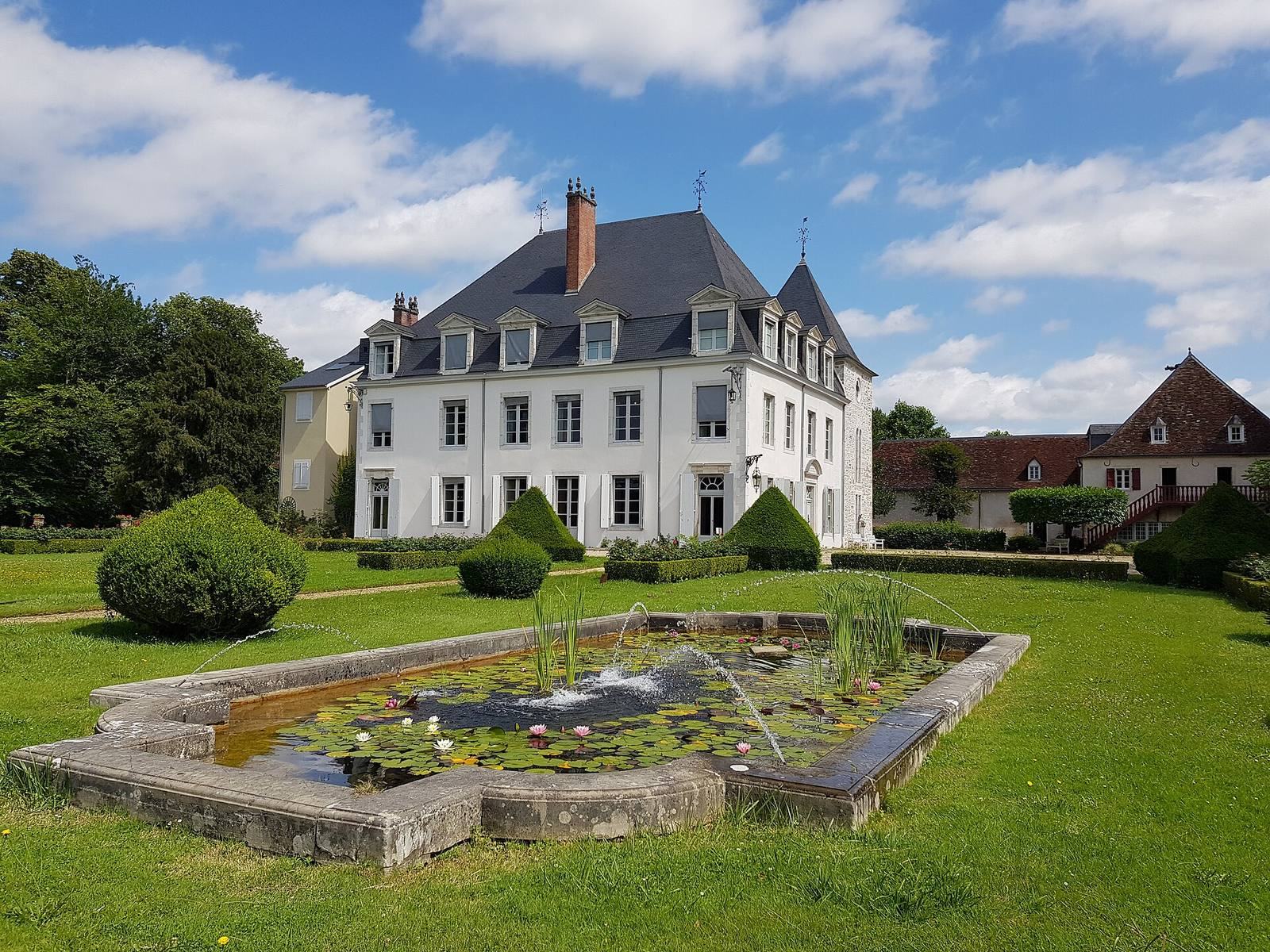
Laàs Castle is a seventeenth-century Classical residence in Laàs, France, commissioned by the Lataulade family. Its design draws on forms and principles associated with ancient Greek and Roman architecture. Laàs had been a fief, land held under feudal obligations, since the thirteenth century, and a residence for the local lord stood there by 1270. The Perrarnaud de Forpelad family occupied the estate in 1538.
In 1610, shortly before his assassination that May, King Henry IV made the estate a barony, a territorial lordship held by a baron. Henry had ruled France since 1589. The Lataulade family, originally from Chalosse in southwestern France, acquired the estate through marriage in 1633 and commissioned the present castle during the seventeenth century.
Later owners and museum
The Lataulades held the property for nearly 175 years. It then passed by inheritance through the Gaztelu and Casenave families before being sold to the Countess of Caltavutoro in 1880. She resold it in 1885 to Charles Ferdinand Latrille, Count of Lorencez, who died at the castle in 1892. His widow and later their son lived there until 1921.
Louis and Madeleine Serbat began installing their art collections at the castle in 1946. They had no children, and in 1965 Madeleine transferred ownership to the Touring Club de France, a French association devoted to travel and tourism, on the advice of historian and lawyer Raymond Ritter. The castle was converted into a museum. The French state has owned it since 1980, with management entrusted to the Pyrénées-Atlantiques departmental council, the elected local-government assembly for the department.
Remains
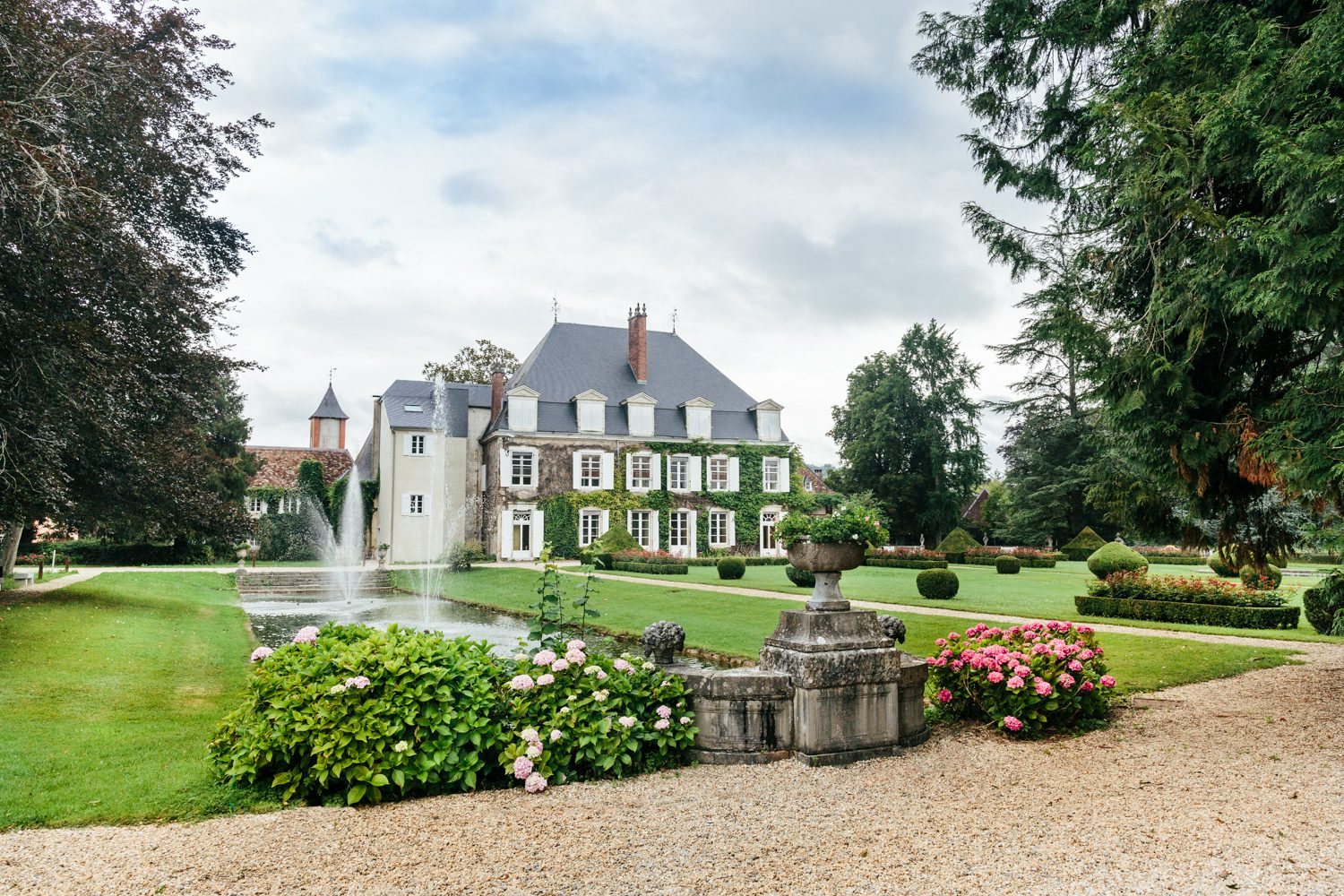
The castle
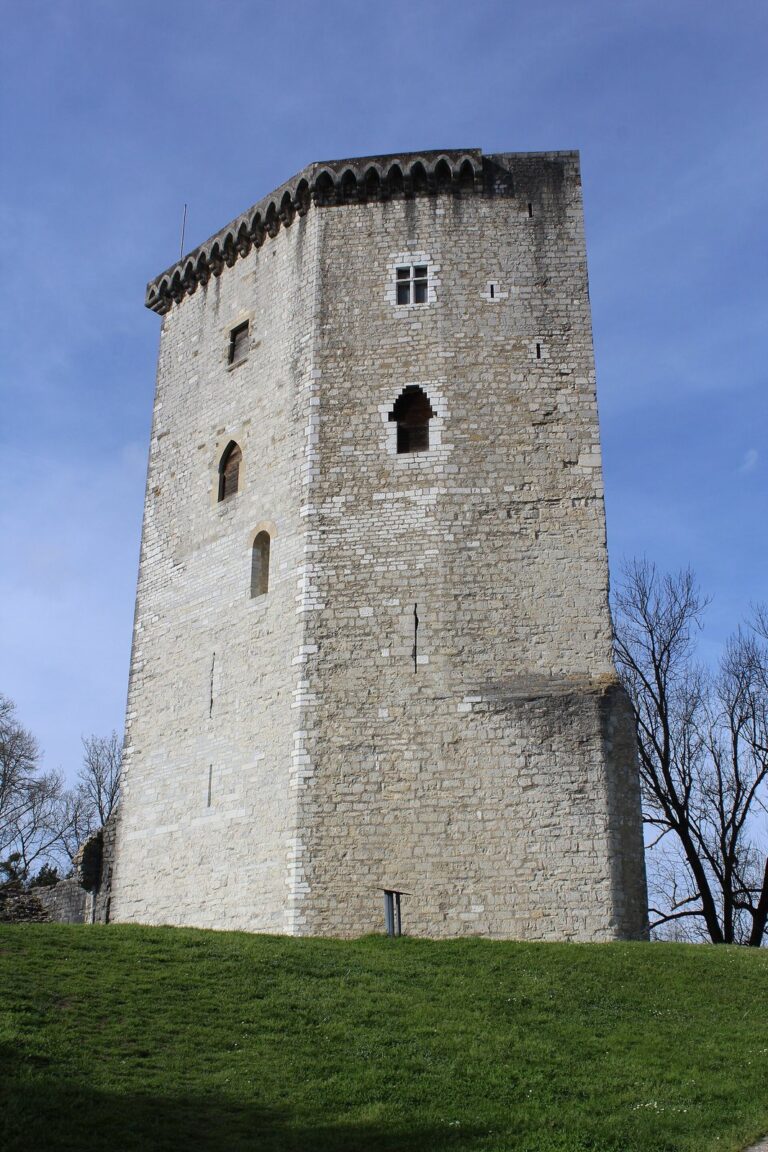
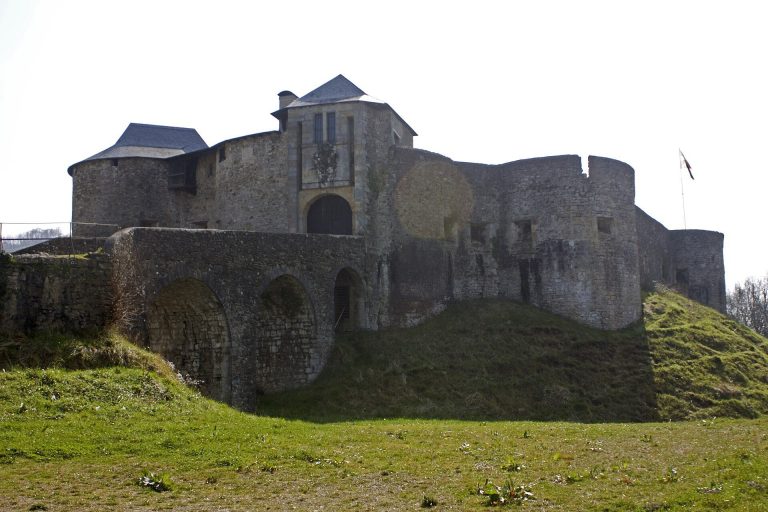
The castle has a rectangular plan and three levels. A pavilion at its northern corner contains the former chapel, while the entrance door bears the Lataulade family arms.
Collections
The collections include artworks, among them paintings attributed to the Flemish artists Pierre Paul Rubens and Pieter Brueghel the Elder, and to the French painters Élisabeth Vigée Le Brun and Jean-Honoré Fragonard.
Gardens and park
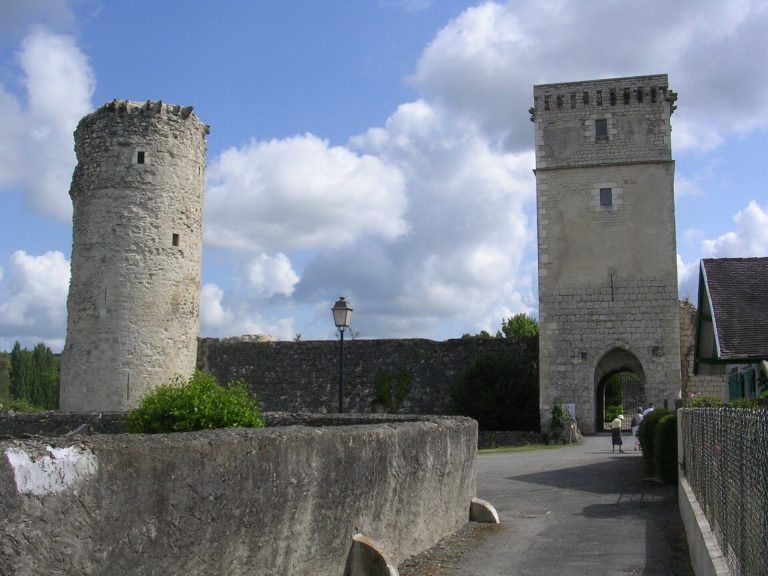
The estate includes outbuildings, an orangery, traditionally used to shelter citrus trees and other tender plants in winter, and a small formal French garden with fountains. Its 12-hectare park contains rare plant species and extends to the bank of the Gave d’Oloron, a river below the estate.