Loëx Castle: A Medieval Fortified Residence in France
Site at a Glance
- Popularity
- Low
- Country
- France
- Primary era
- Medieval
- Eras represented
- Medieval
- Civilizations
- Unclassified
- Site type
- Military
- Remains
- Castle
On this page6 sections
History
Loëx Castle is a medieval fortified residence in Bonne, France. It served as the center of the Loëx family’s lordship, whose members retained possession until the fifteenth century.
The Loëx lordship
The family first appears in the historical record in the thirteenth century. In 1276, Hugues de Loëx pledged feudal allegiance for fiefs he held in Faucigny, a historic Alpine territory, and was named as one of the lords of the fortified residence.
Hugues’s son Pierre de Loëx was a knight and a member of the council of Amédée VI, a fourteenth-century Count of Savoy. Pierre married Jeanne de Ternier. From the fourteenth century, the property fell within the castellany of Bonne, a territorial jurisdiction administered by a castellan.
Successive owners
The property was sold to Louis Machard, secretary to Charles I, Duke of Savoy. Machard was ennobled in 1491. Philibert de La Forest acquired the fief in 1561, and it remained in his family until 1693, when Janus (Jean) Noyel de Bellegarde acquired it.
Balthazard de Machard de Chassey possessed the château during the seventeenth century. The Machard de Chassey branch retained it until 1813, when it passed to the Machard de Chillaz branch.
Inheritance and protection
In 1827, the property passed by inheritance to the family of Baron Alexandre Bouvier d’Yvoire. That family held it until 1955, when it was sold to Boudet. On 22 June 1993, a historic-monument listing gave the property partial protection.
Remains
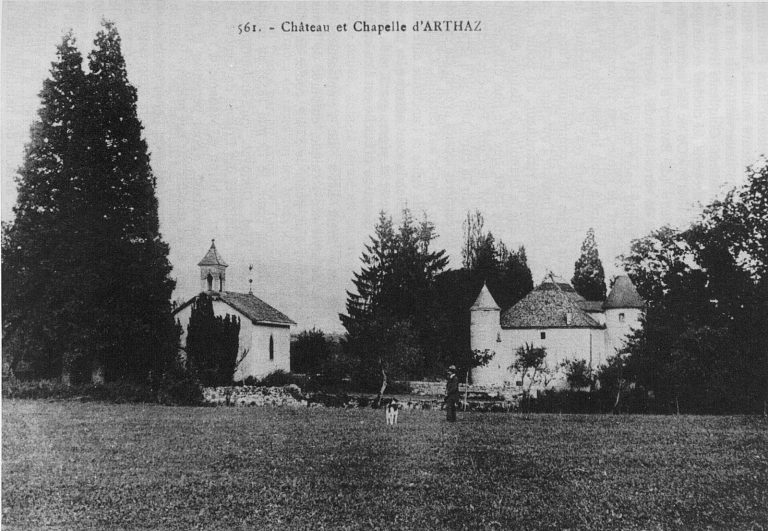
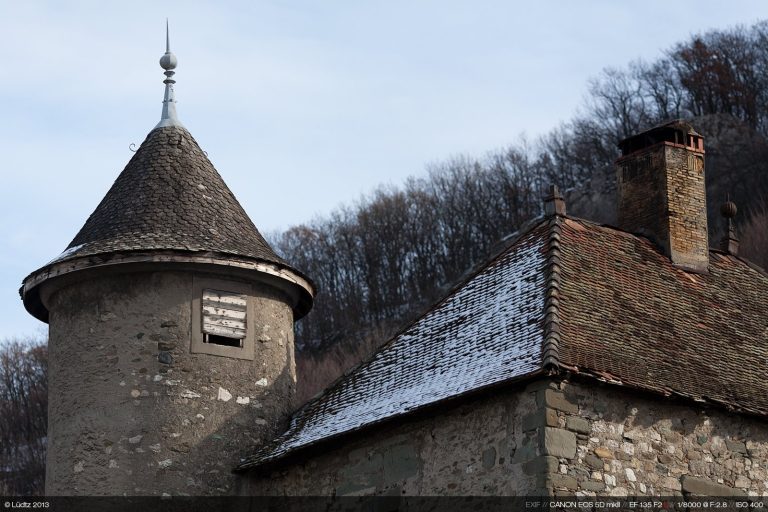
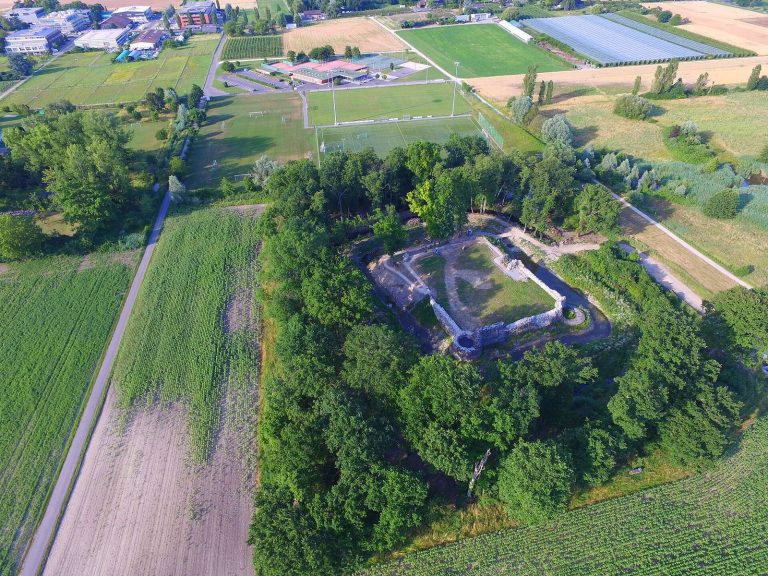
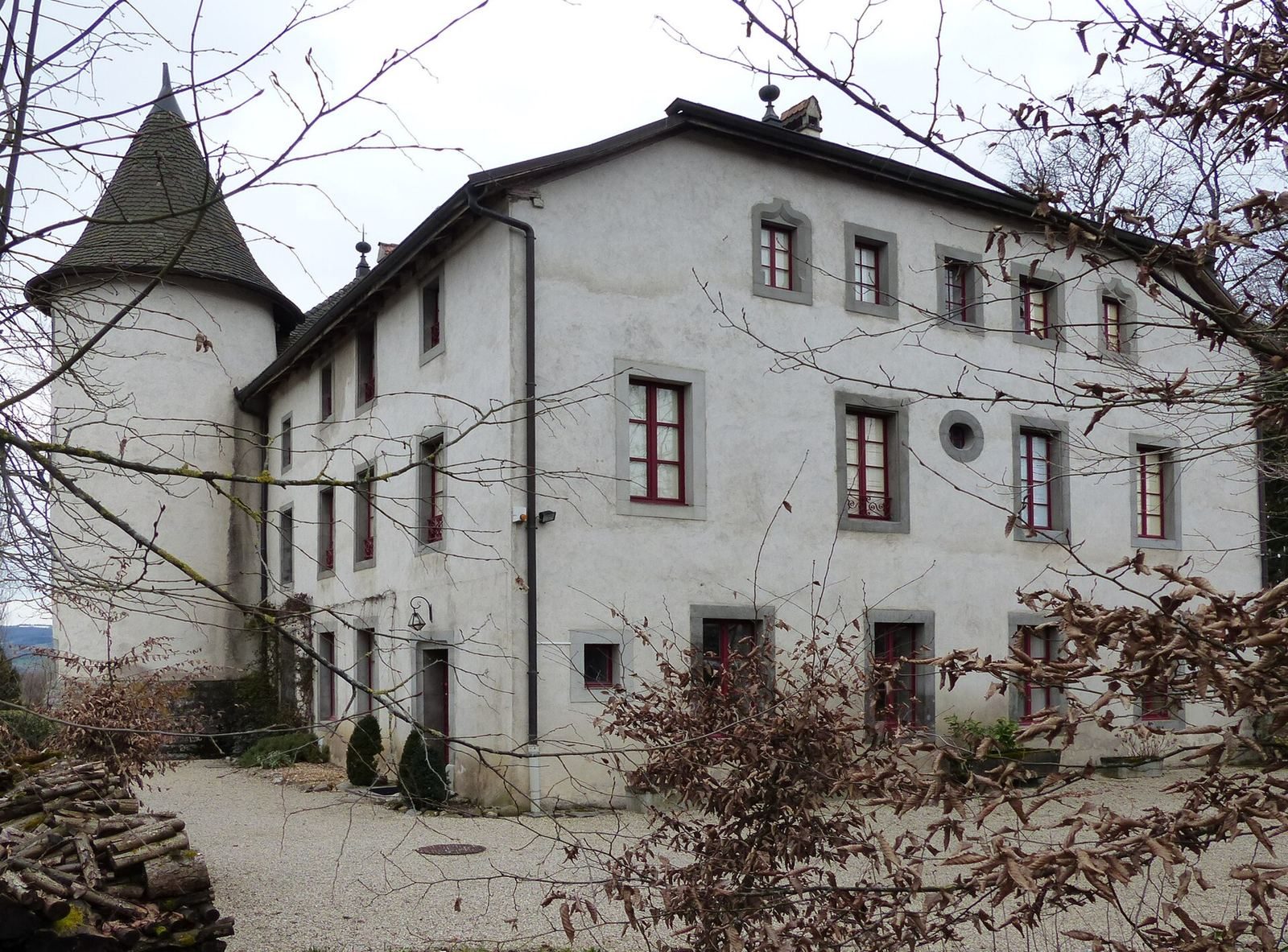
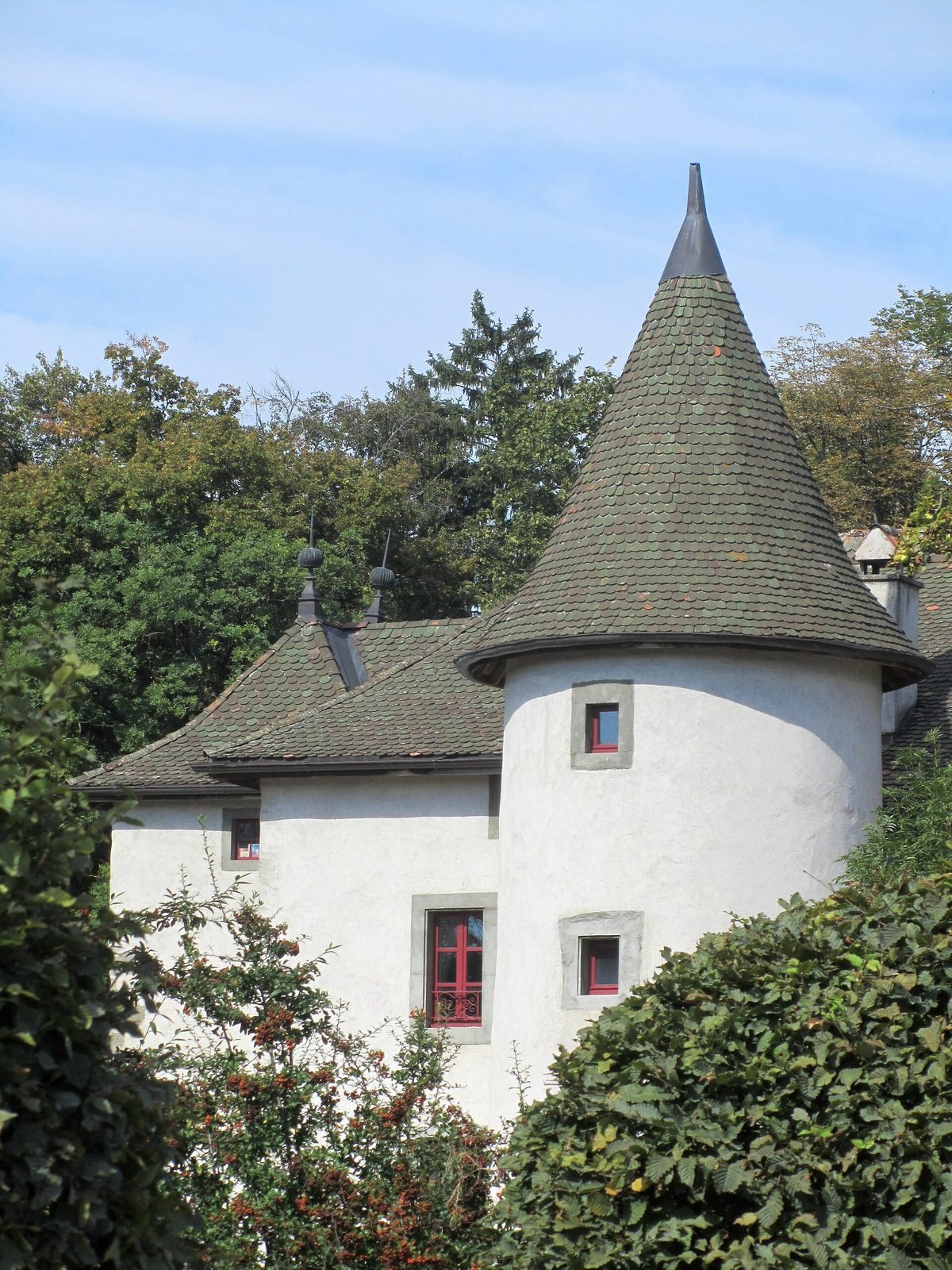
The fortified residence stands on a terrace on the left bank of the Menoge. Its plan brings together two residential ranges set at right angles, a round tower, and a square tower.
First-floor mural paintings
Two rooms in the northwest part of the first floor are decorated with mural paintings.