Old Gorhambury House: An Elizabethan Prodigy Mansion
Site at a Glance
- Popularity
- High
- Country
- United Kingdom
- Primary era
- Early Modern
- Eras represented
- Early Modern
- Civilizations
- English
- Site type
- Domestic
- Remains
- Elite Residence
On this page8 sections
History
The Bacon house
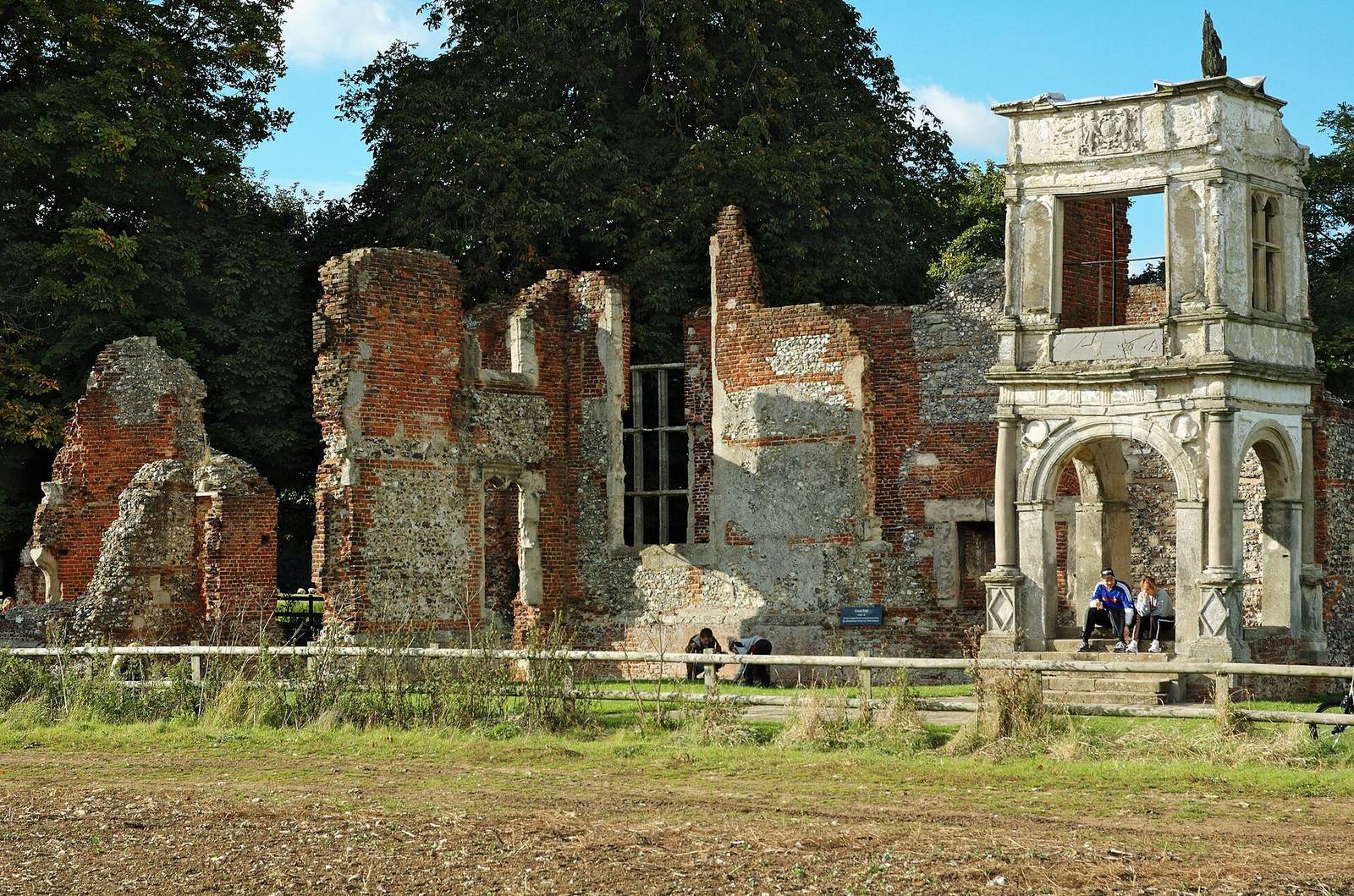
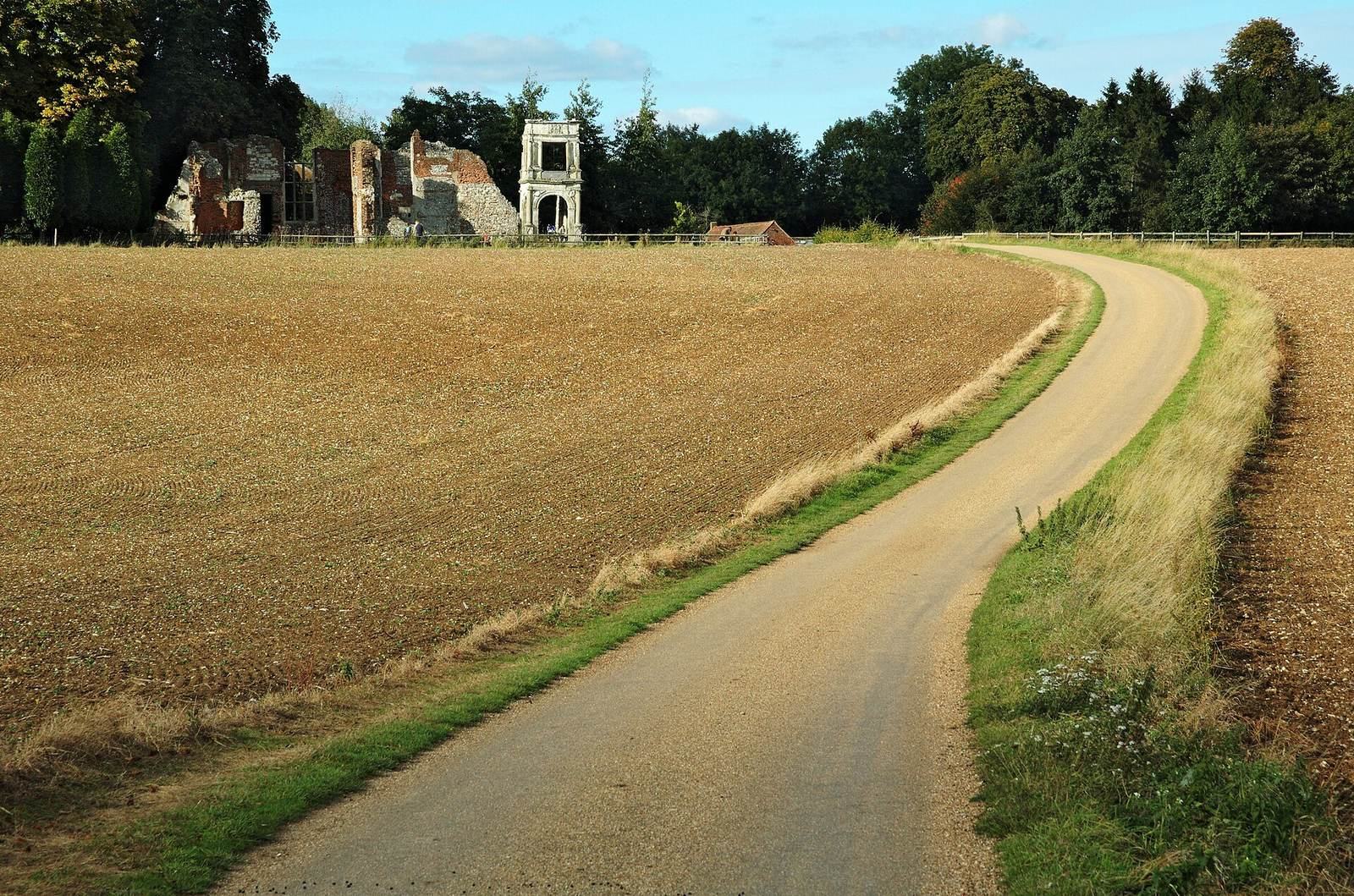
Old Gorhambury House is a ruined mansion near St Albans in Hertfordshire, United Kingdom, built by the English statesman Sir Nicholas Bacon in 1563–68. It belongs to the Elizabethan period, the reign of Elizabeth I (1558–1603), and is an early and leading example of a prodigy house, an elaborate residence intended to display its owner’s status and wealth.
Elizabeth I visited the house several times. It later served as the residence of Bacon’s youngest son, Sir Francis Bacon, a philosopher and statesman. Francis bequeathed it to his former secretary, Sir Thomas Meautys, who married Anne Bacon, Sir Nicholas’s great-granddaughter.
Inheritance and replacement
In 1652, the estate passed to Anne’s second husband, Sir Harbottle Grimston, a lawyer and politician. It descended through Harbottle’s son Samuel, who died without children in 1700, to Harbottle’s great-nephew William Luckyn. Luckyn became the first Viscount Grimston in 1719, a peerage rank below an earl, and the Grimston family continued to own the estate.
Old Gorhambury House was superseded by a new mansion built nearby in 1777–84 for James Bucknall Grimston, 3rd Viscount Grimston. Designed by Sir Robert Taylor in the Palladian style, which draws on classical forms and the work of the Italian architect Andrea Palladio, the new house replaced the old one. Old Gorhambury was retained as a feature of the landscaped parkland, while the new house remains the home of the Earl of Verulam.
Old Gorhambury House is Grade I listed. The pondyards were scheduled in 2020 under the Ancient Monuments and Archaeological Areas Act 1979.
Remains
Mansion remains
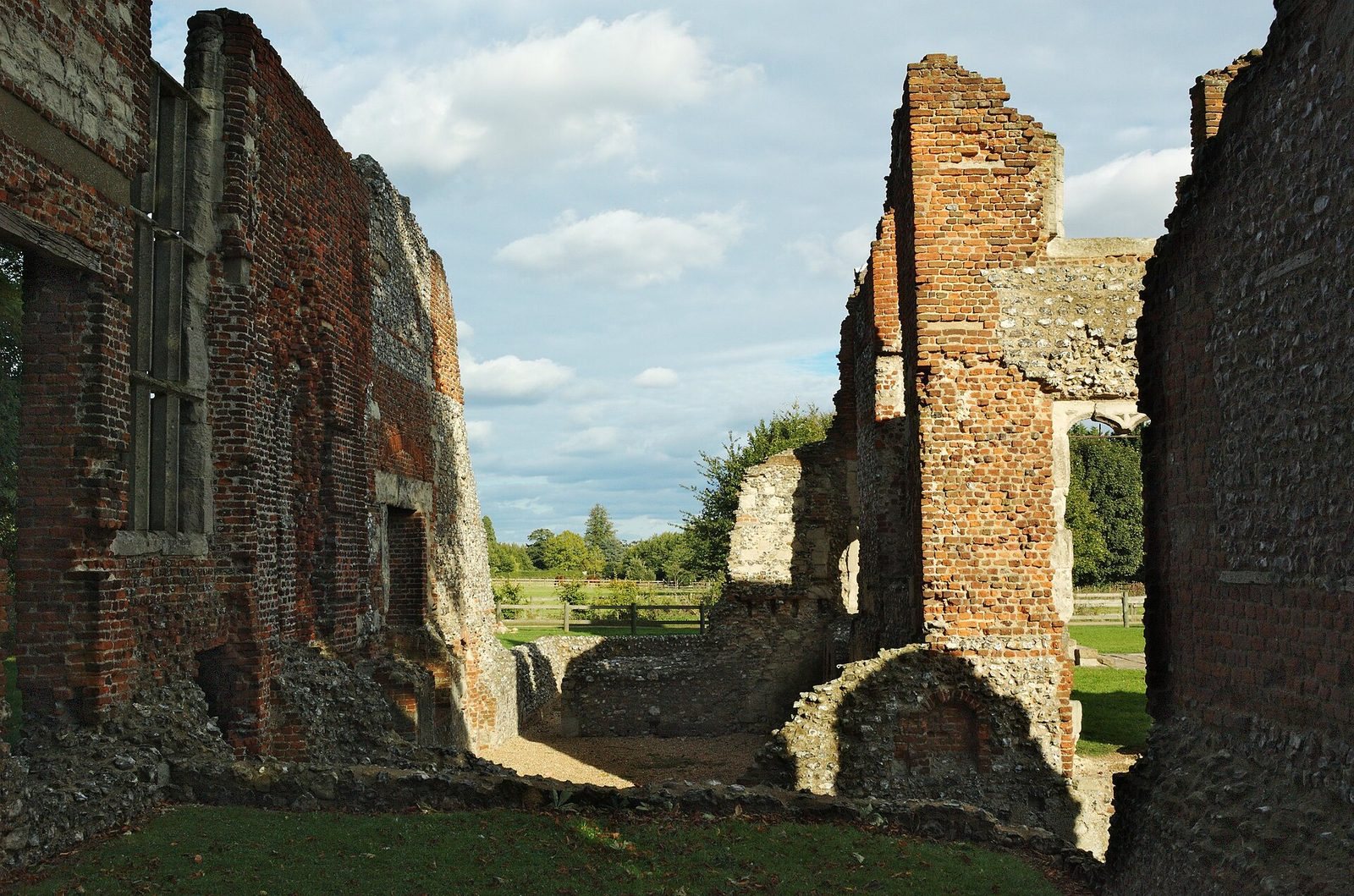
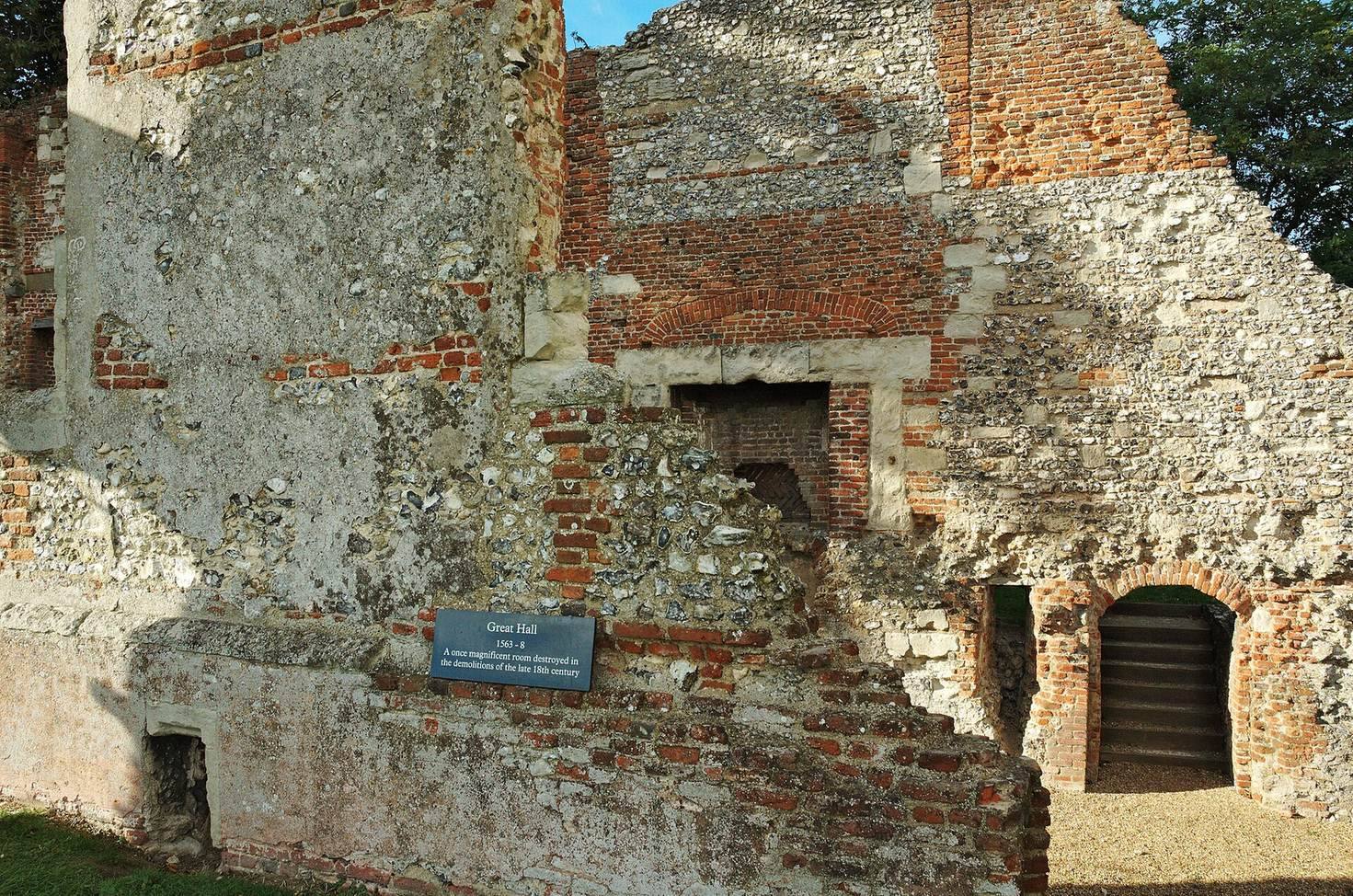
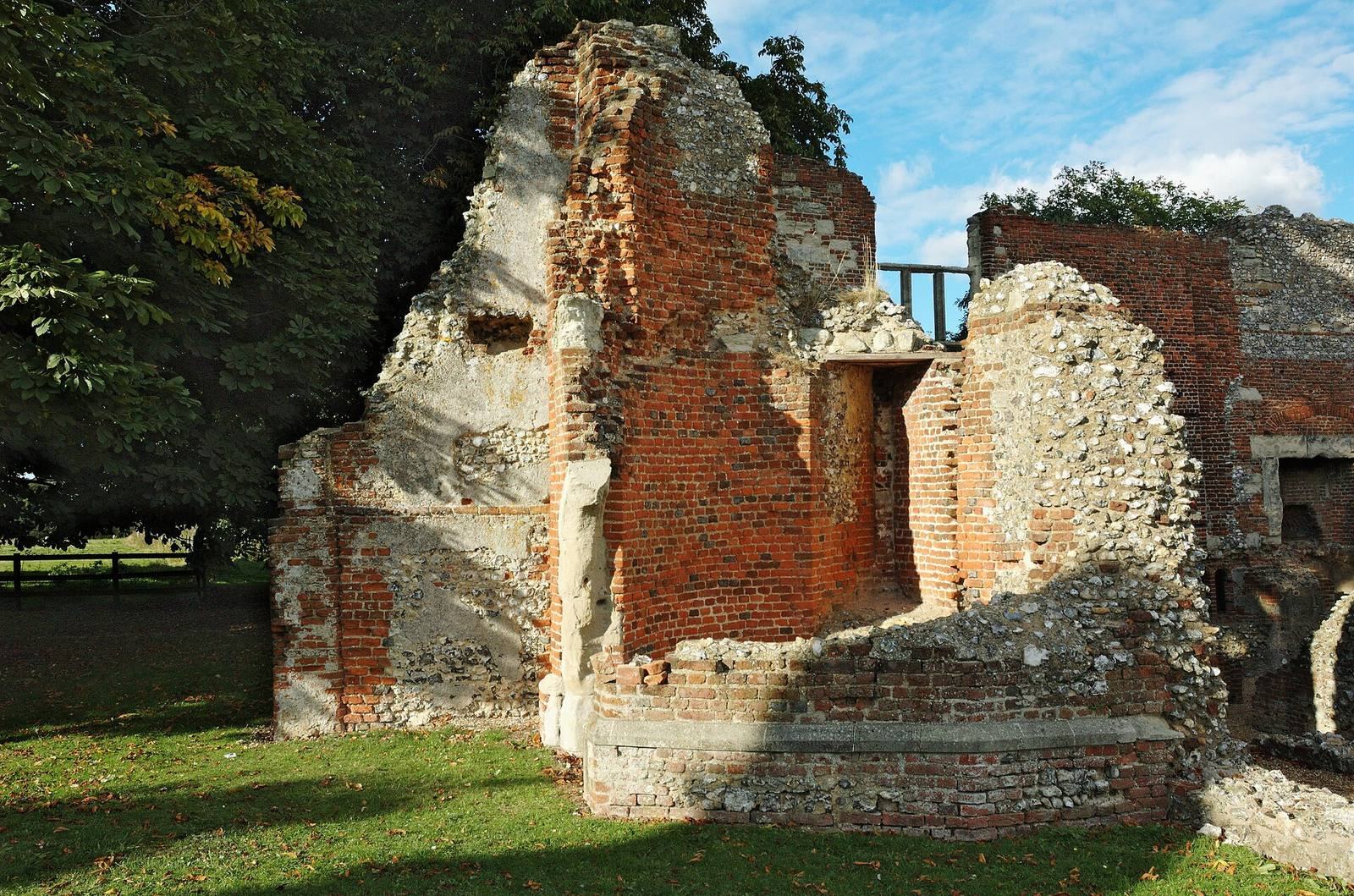
The mansion survives in ruin, with a two-storey porch, a chapel, and a clock tower among its remains. Some of its bricks came from former abbey buildings at St Albans, which were being dismantled after the Benedictine priory there had closed and its property had been dispersed about 25 years earlier. Some contemporary features at Gorhambury have been tentatively attributed to William Cure the Elder, a mason and sculptor.
Parkland features
Avenues
Sir Nicholas Bacon laid out long walks or avenues at Gorhambury, extending from the house toward the park boundaries. He established a similar arrangement at Redgrave.
Pondyards
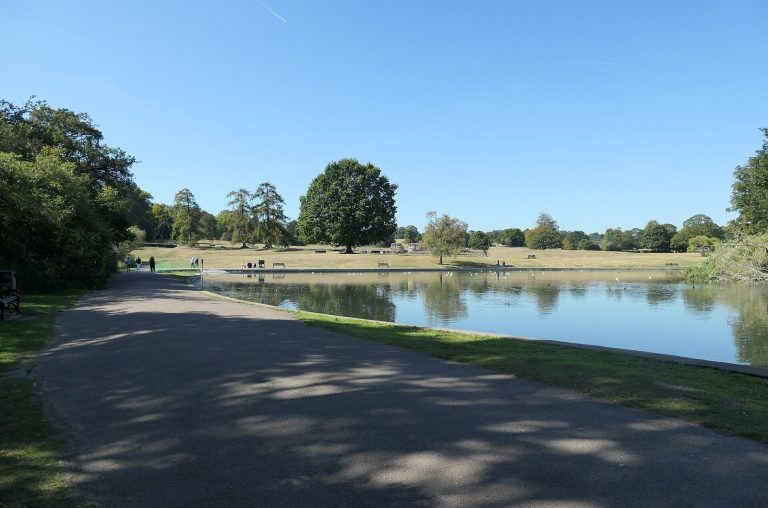
Near the River Ver, the pondyards are the remains of a water garden laid out for Sir Francis Bacon in the seventeenth century. The design may have adapted earlier ponds.