Samlesbury Hall: A Medieval Manor House in the United Kingdom
Site at a Glance
- Popularity
- High
- Country
- United Kingdom
- Primary era
- Medieval
- Eras represented
- Medieval, Early Modern
- Civilizations
- English
- Site type
- Domestic
- Remains
- Manor House
On this page10 sections
History
The Southworths
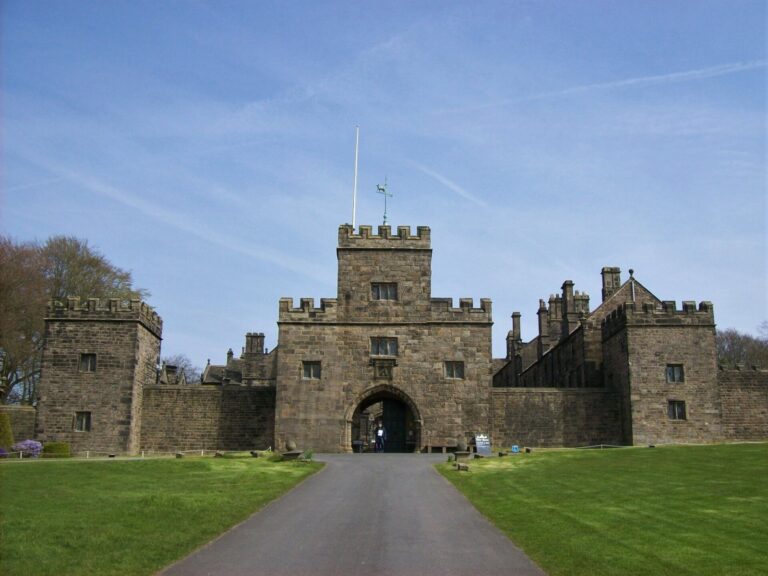
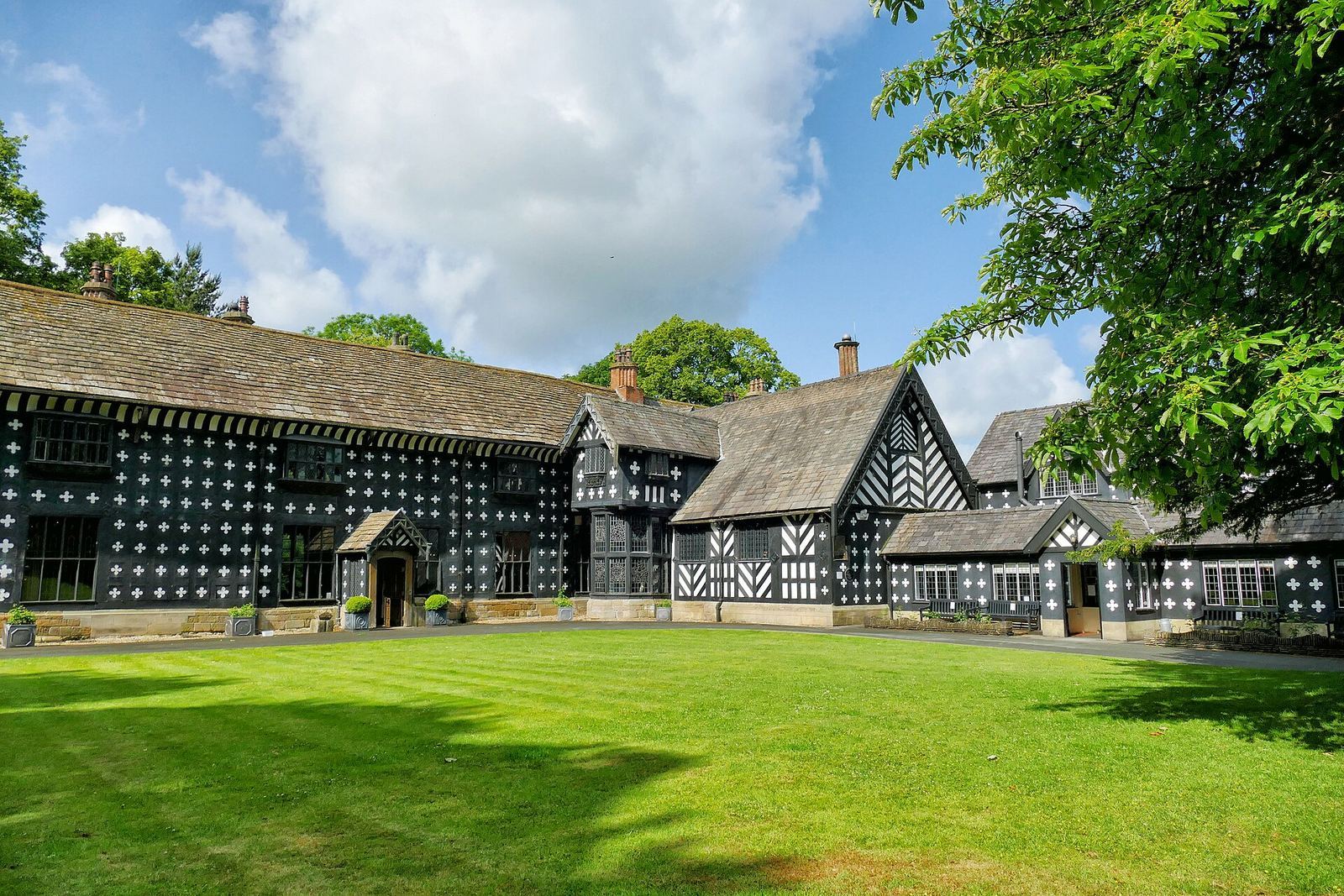
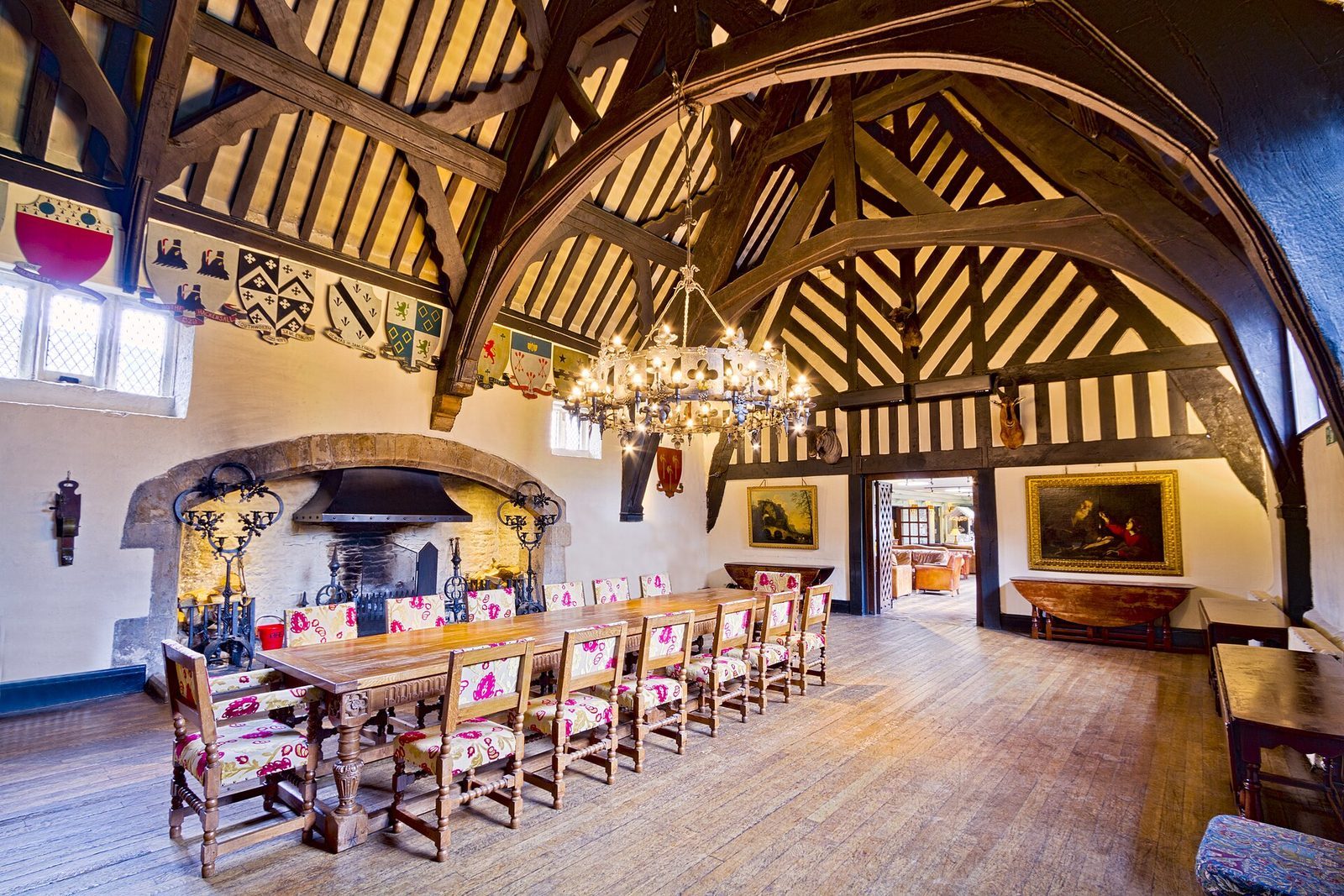
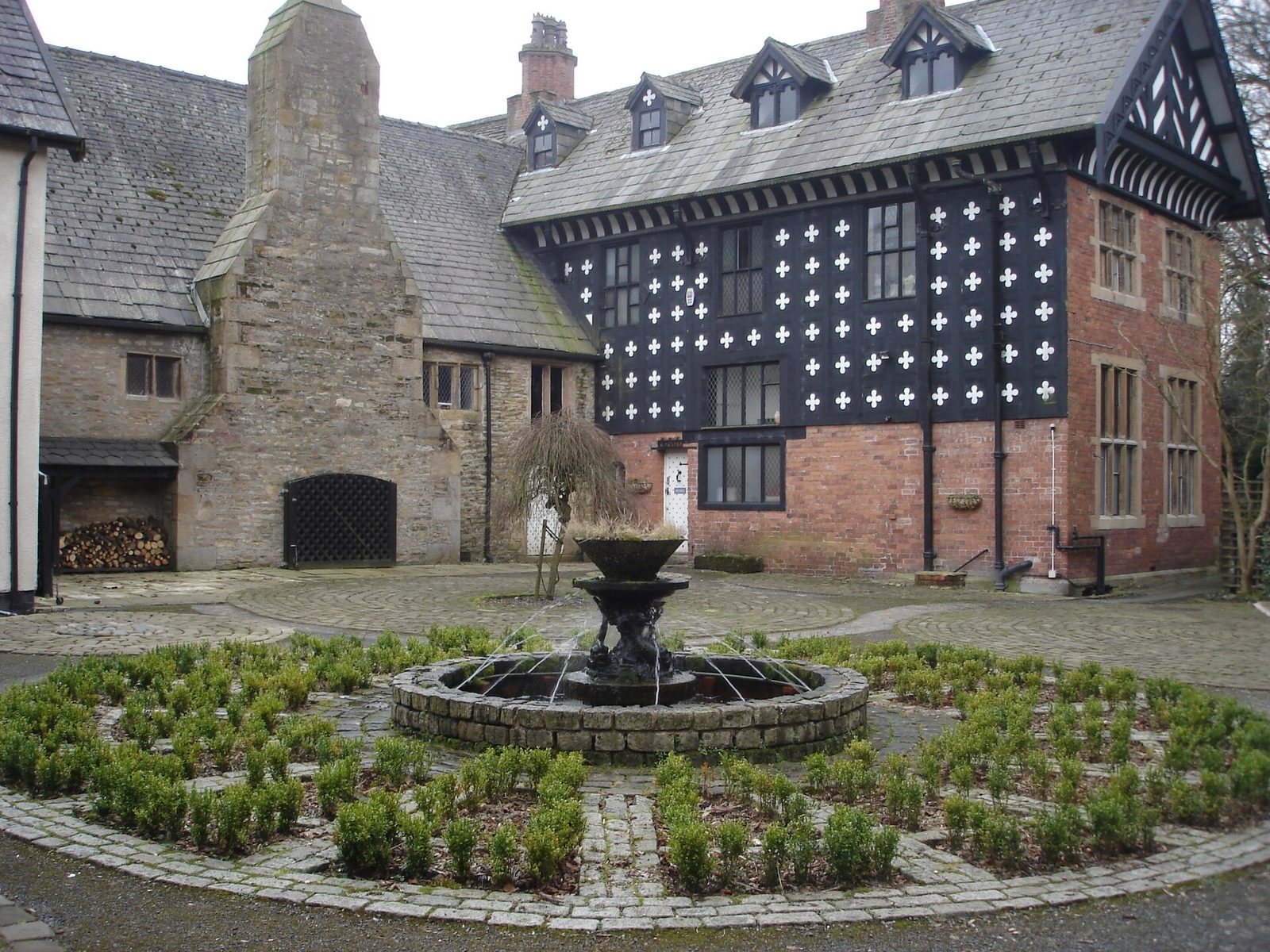
Samlesbury Hall is a medieval manor house in the United Kingdom. Gilbert de Southworth of Warrington is credited with building its Great Hall around 1325, after gaining half the manor through his marriage to Alice d’Ewyas. The manor had previously belonged to her family. The hall may have replaced a building destroyed during the Great Raid of 1322, a Scottish incursion into northern England during the First War of Scottish Independence.
The Southworths made the hall their principal residence until the early seventeenth century, and their descendants kept their share of the manor until Edward Southworth sold it to Thomas Bradyll in 1677–78. The family also built a chapel as part of an effort to establish the residence as a manor house. Such a household was associated with a chapel and priest, a large domestic staff, fish for Fridays, and typically a pond, watermill and grain store.
New uses and owners
Bradyll did not live at Samlesbury Hall. He removed much of its interior and took the stripped features to his main residence, Conishead Priory. He let the hall to handloom weavers, and in 1830 it became the Bradyll Arms inn.
John Cooper bought the building in 1850 and leased it to Mrs. Mary Ann Harrison, who opened a co-educational boarding school there. Its teaching drew on the ideas of Swiss educational reformer Johann Heinrich Pestalozzi and anticipated aspects of the later Montessori approach by about fifty years.
Harrison ownership and preservation
Joseph Harrison purchased the hall in November 1862 and carried out extensive renovations. His eldest son, William, lived there until 1879. After a fall on ice in January caused serious injuries to his brain and leg and led to severe depression, he died by suicide that year. Joseph died after a prolonged illness on 18 February 1880, and the hall passed to his youngest son, Henry. During the Harrisons’ ownership, Frederick Baynes and his family also rented the property for several years.
When Henry died in 1914, an entail, a legal restriction directing an estate to specified heirs, passed the estate to his nephew M. J. C. Johnston, the son of Henry’s sister Agnes. The hall had stood empty since 1909 when a building firm bought it in 1924, intending to demolish it and build housing. A public subscription enabled its purchase in 1925, preventing demolition for its timber. The Samlesbury Hall Trust, a registered charitable trust, has administered the hall since then. The hall received Grade I listed status in 1952, the highest grade for buildings of exceptional interest in England; its associated lodge was listed Grade II in 1984, a grade for nationally important buildings of special interest.
Remains
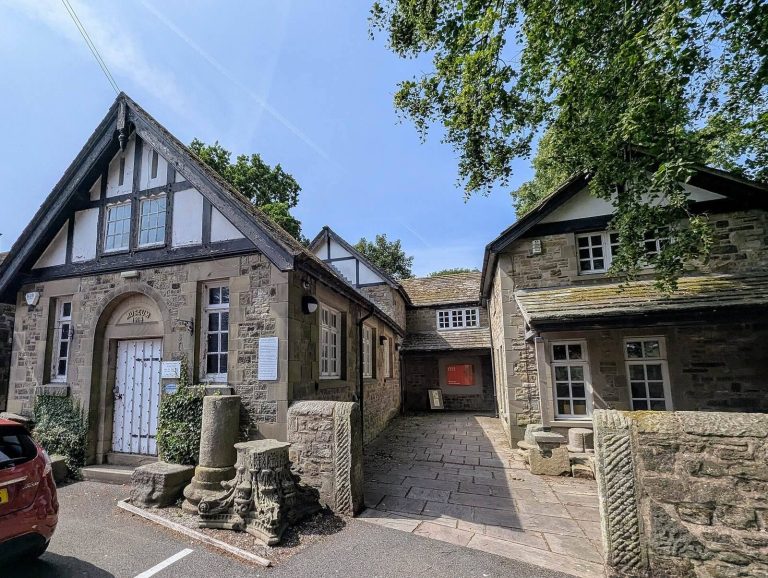
The surviving group centers on the medieval Great Hall and includes a later chapel joined to it, a south-west wing and an associated lodge. The hall’s east-facing solar end, the part containing a private living chamber, and the chapel’s orientation and angled junction are distinctive features of the arrangement.
Hall and associated buildings
Great Hall
The windows at the hall’s solar end face east, in keeping with practice of the period. A solar was a private living chamber in a medieval house.
Chapel
The chapel faces east and was built about 140 years after the hall. It was joined to the main building roughly 60 years later. At the junction, the two structures meet at an angle of less than 90 degrees, a feature attributed to changes in the sun’s position at the solstices during the intervening years.
South-west wing
Thomas, Gilbert de Southworth’s great-grandson, built the south-west wing.
Lodge
An associated lodge forms part of the group of buildings at Samlesbury Hall.