Bisham Abbey: A Manor House and Former Monastic Site
Site at a Glance
- Popularity
- Very High
- Country
- United Kingdom
- Primary era
- Medieval
- Eras represented
- Medieval, Early Modern
- Civilizations
- English, Knights Templar
- Site type
- Domestic
- Remains
- Manor House
On this page6 sections
History
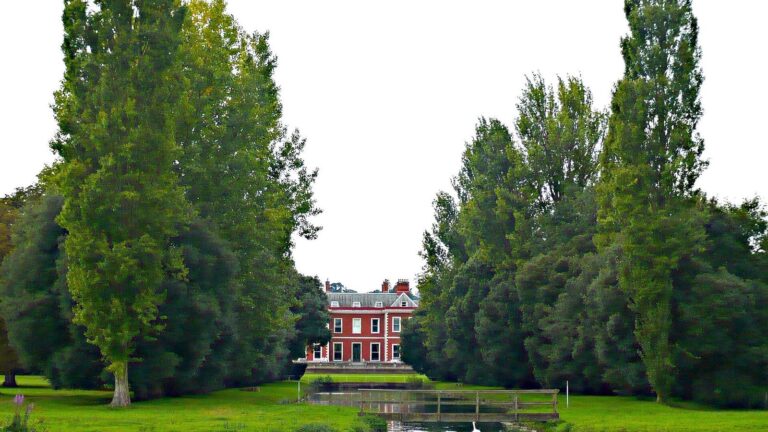
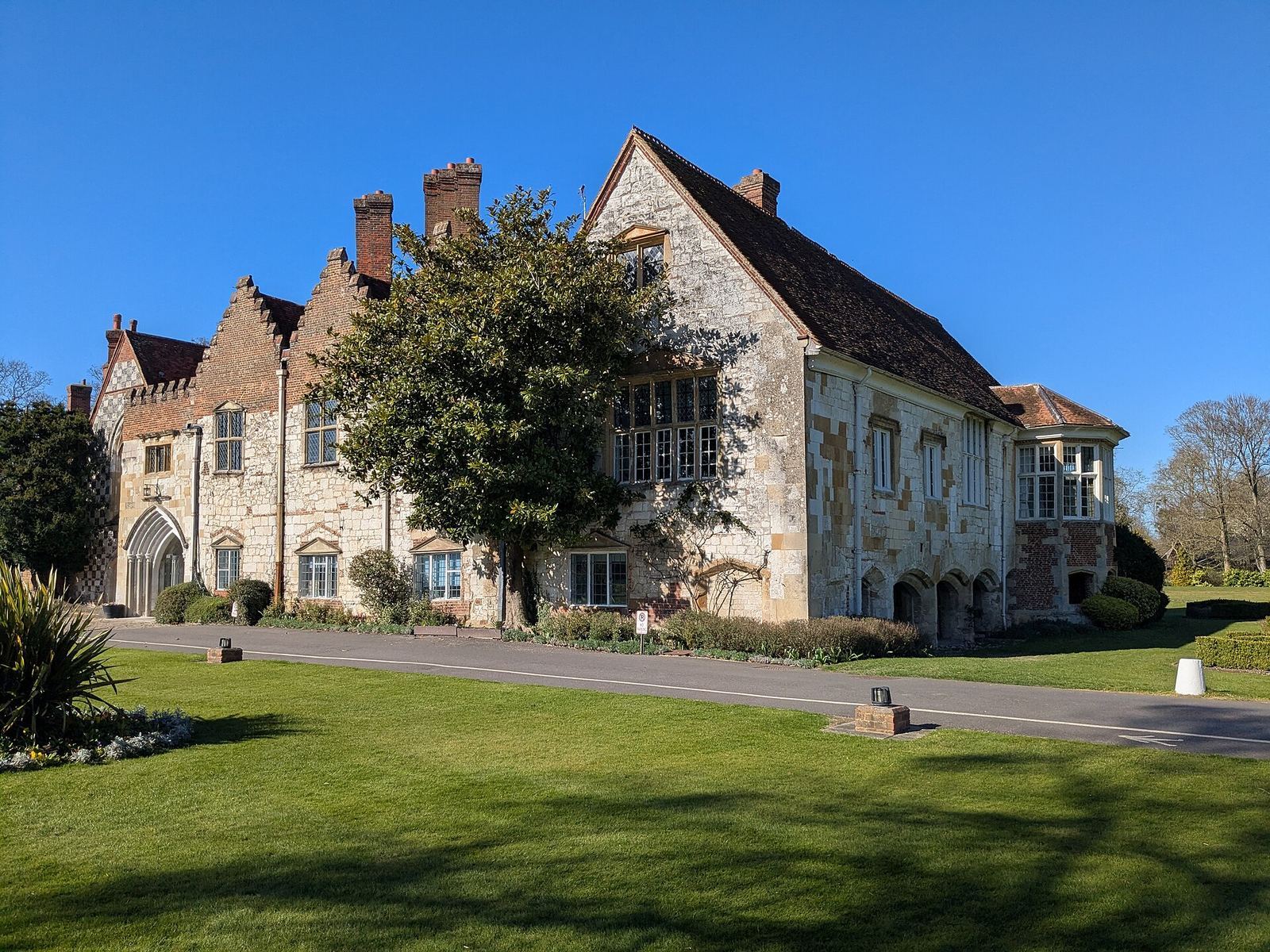
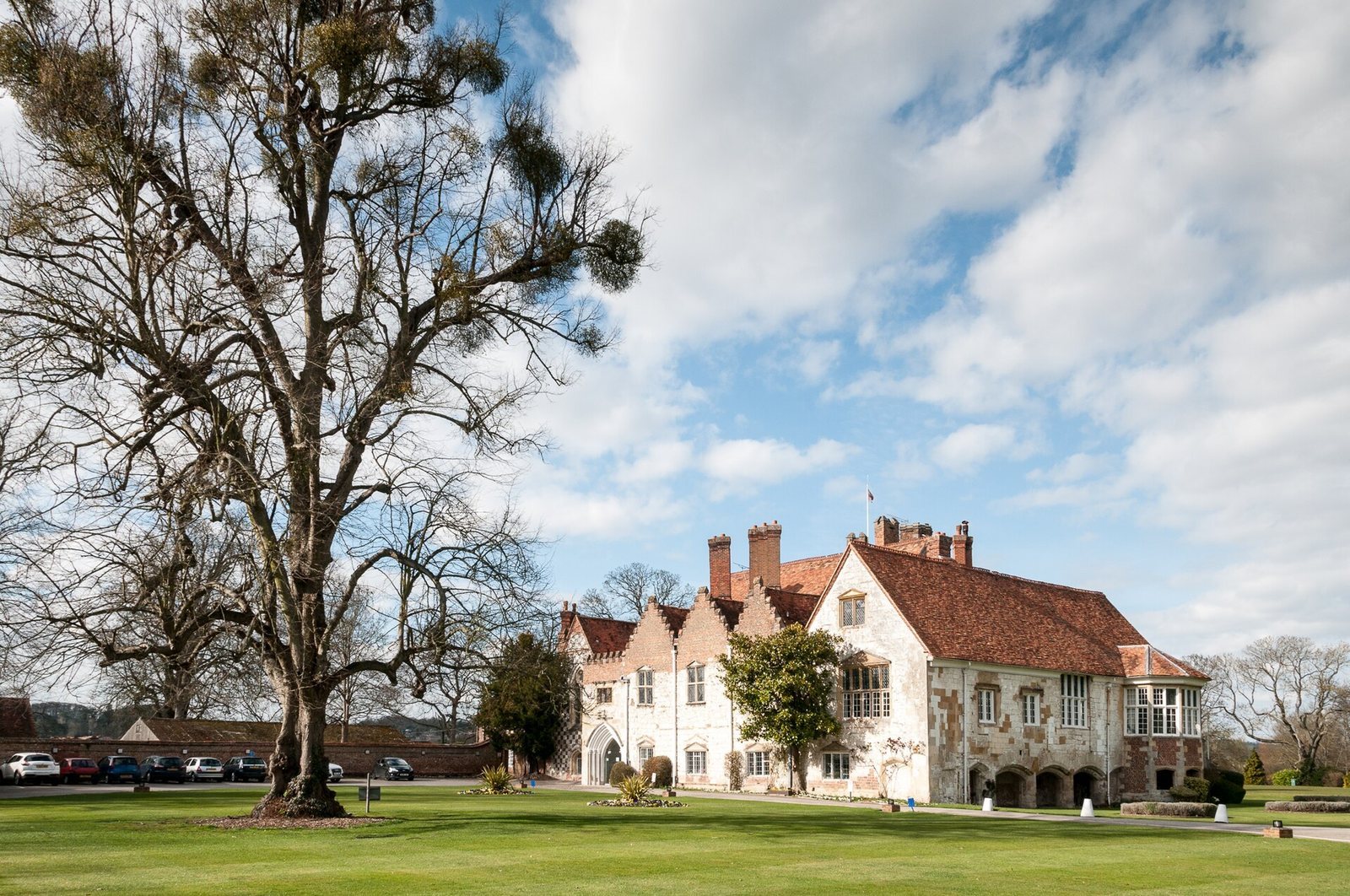
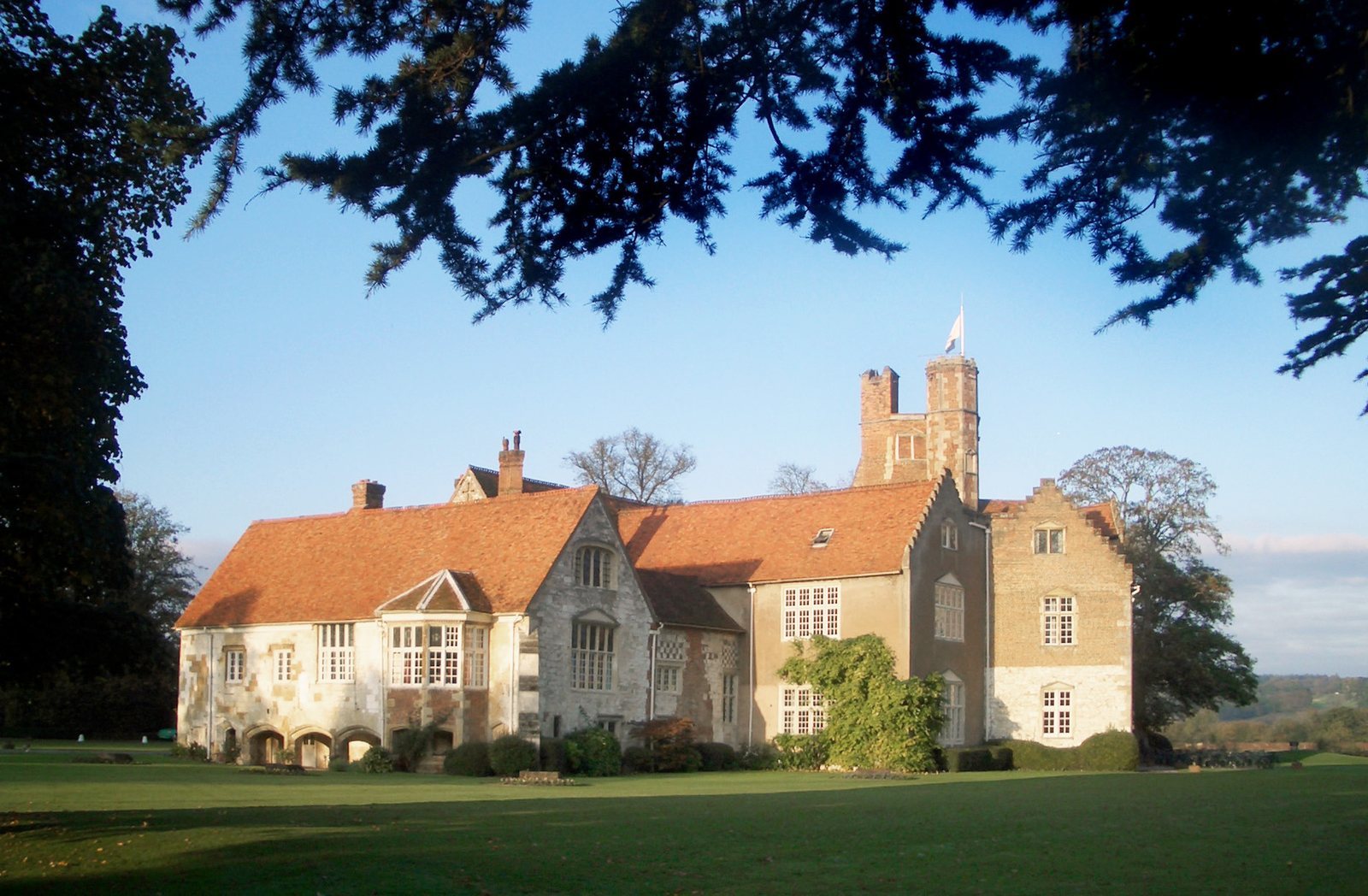
Bisham Abbey is a medieval manor house in Bisham, United Kingdom, about one kilometre south of Marlow. Its name comes from the monastery that once stood beside the manorial buildings. The house was built around 1260 as a community house for two Knights Templar, a medieval religious order with a military role.
Templar manor and royal custody
A grant of land at Bistlesham is attributed to the English nobleman Robert de Ferrers during the reign of Stephen, before 1155. The manor house was built about a century later for the Templars.
After the Templars were suppressed in the early fourteenth century, Edward II took control of the manor’s rights and distributed them among relatives. Hugh le Despenser, a royal favorite and nobleman, received the manor. In 1310, Queen Elizabeth of the Scots, her stepdaughter Princess Marjorie, and her sister-in-law Lady Christine of Carrick were confined at the house. Captured on Rathlin Island during conflicts over succession to the Scottish crown, they remained in the charge of John Bentley, a member of the royal household, for two years before being taken to Windsor.
Montacute priory and abbey
William Montacute, 1st Earl of Salisbury, bought the manor in 1335 and founded a priory beside it in 1337. Its Augustinian Canons were clergy who followed the Rule of Saint Augustine. The manor also served as a secondary residence for the Earls of Salisbury. The priory held relics of Saints Cosmas and Damian, early Christian martyrs associated with medicine, but did not become a major pilgrimage centre. Other churches held relics of the same saints, and two separate places claimed to possess their skulls.
The priory and abbey became burial places for members of the Montagu and Neville families and their relations. The English peerage ranked a marquess above an earl and an earl above a baron; a countess was the female equivalent of an earl. Those associated with burial there included Simon de Montagu, 1st Baron Montagu (1316); William Montagu, 2nd Baron Montagu (1319); William Montagu, 1st Earl of Salisbury (1344); Catherine Grandison, Countess of Salisbury (1349); William de Montagu, 2nd Earl of Salisbury (1397); John Montacute, 3rd Earl of Salisbury (1400); Eleanor Holland, Countess of Salisbury (1413); Thomas Montagu, 4th Earl of Salisbury (1428); Alice Montacute, 5th Countess of Salisbury (1462); Richard Neville, 5th Earl of Salisbury (1463); Thomas Neville, who died in 1460; John Neville, 1st Marquess of Montagu (1471), and his wife Isabel Ingoldisthorpe (1476); Richard Neville, 16th Earl of Warwick (1471); and Edward Plantagenet, 17th Earl of Warwick (1485).
The priory was dissolved on 5 July 1537. With Henry VIII’s permission, it was refounded as a Benedictine abbey on 18 December that year. Benedictines were monks who followed the Rule of Saint Benedict. The new abbey was dissolved on 19 June 1538. Tradition holds that Abbot John Cordery cursed the property as he was dragged away, predicting that it would never pass to two successive direct heirs and that its sons would suffer misfortune.
The manor after the dissolutions
Henry VIII granted the manor house to Anne of Cleves as part of their divorce settlement. The Hoby family later purchased it and lived there until 1768; Elizabeth I regularly visited during their tenure. Queen Anne of Denmark, wife of James VI and I, stayed at the house in August 1610. A long-standing haunting legend centres on Dame Elizabeth Hoby, a sixteenth-century gentlewoman, and says that she beat her son to death for blotting his copybook.
The manor house is Grade I listed. Its surrounding complex now serves as one of three National Sports Centres operated on behalf of Sport England, with residential training facilities for athletes, teams, and community groups. England’s senior men’s football team trained there for 40 years, until early 2001. England Rugby used the site as a training base until moving to the University of Bath in 2005.
Remains
The manor house and associated features
The manorial buildings stood beside the monastery, and the manor house has undergone substantial rebuilding and alteration in later centuries. Anne of Denmark’s arms, accompanied by her motto La Mia Grandezza dal Eccelso, and the arms of her husband James VI and I appear in stained glass that was first in the parish church and was later installed in the manor house. A brass plaque once attached to the priory’s foundation stone can still be seen at Denchworth.