Stonor Park: An Oxfordshire Country House and Deer Park
Site at a Glance
- Popularity
- Very High
- Country
- United Kingdom
- Primary era
- Medieval
- Eras represented
- Medieval, Early Modern, Modern
- Civilizations
- British, English
- Site type
- Domestic
- Remains
- Elite Residence
On this page9 sections
History
Medieval origins and family seat
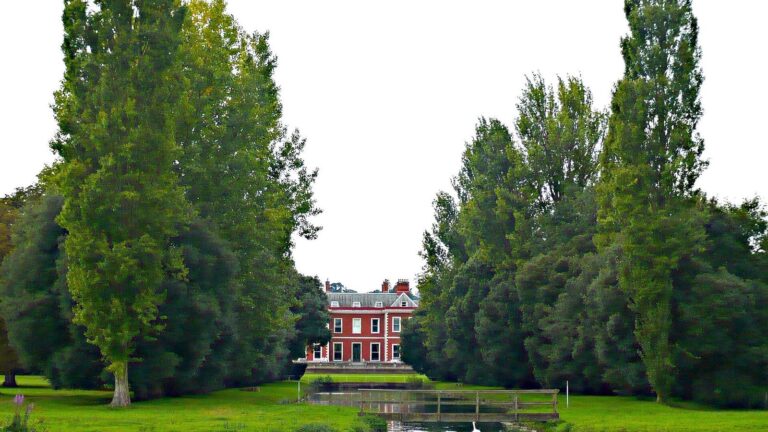
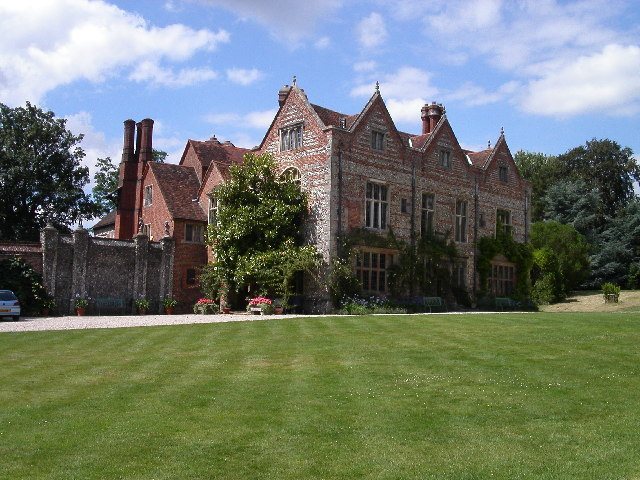
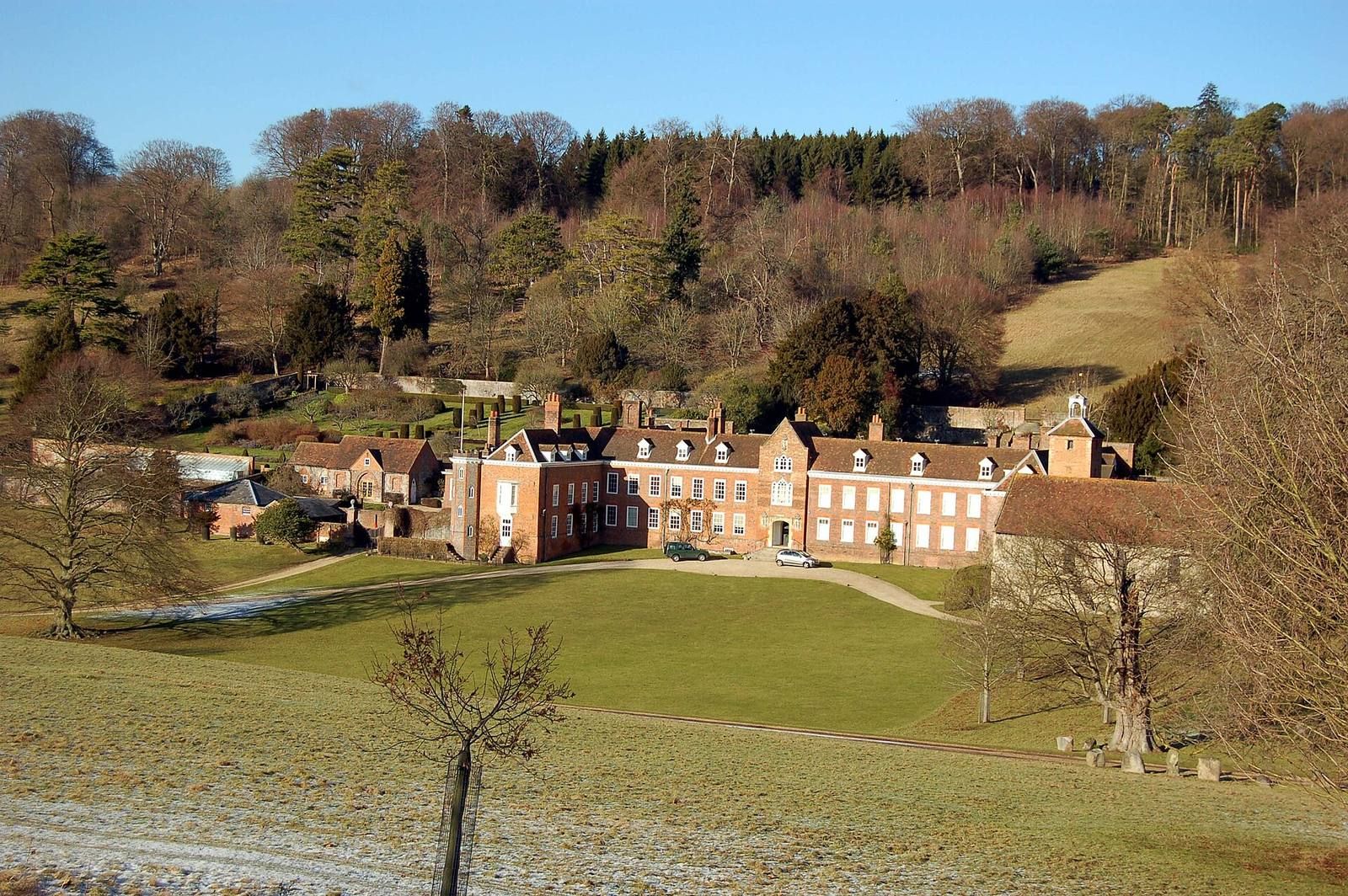
Stonor Park is a country house and private deer park at Stonor in Oxfordshire, United Kingdom, near the Buckinghamshire boundary. Stonor House probably began after 1280, in connection with Sir Richard Stonor’s marriage to his second wife, Margaret Harnhull. For more than eight centuries, it has been the Stonor family’s home and ancestral seat, associated with the barony of Camoys.
Catholic recusancy and the 1581 raid
During and after the English Reformation, when England broke with papal authority and established the Church of England, the Stonors remained Catholic recusants: they refused to conform to the established church. In 1581, Jesuit priests Edmund Campion and Robert Parsons, members of the Catholic Society of Jesus, lived and worked at Stonor Park. A secret press there printed Campion’s Decem Rationes, meaning “Ten Reasons.”
On 4 August 1581, a raid uncovered the press. Campion and Parsons had left several days earlier, but Lady Cecily Stonor, her son John, Jesuit priest William Hartley, the printers, and four servants were imprisoned. Hartley was exiled in 1585.
Catholic continuity and later preservation
Despite subsequent prosecutions and fines, the Stonors remained Roman Catholic through the seventeenth and eighteenth centuries. They let villagers attend Mass in the family’s private chapel. From 1716 to 1756, John Talbot Stonor, a Catholic bishop serving as vicar apostolic of the Midland District, used the estate as his headquarters. A vicar apostolic governed a Catholic territory that had not been organized as a diocese, usually on the pope’s behalf.
The family’s continued Catholicism contributed to its marginalization and relative impoverishment in later centuries. This helped leave the house relatively unaltered. Stonor House was listed at Grade I in 1951, England’s category for buildings of exceptional interest; the park and garden were registered at Grade II* in 1984, a category for particularly important landscapes.
Remains
House and grounds
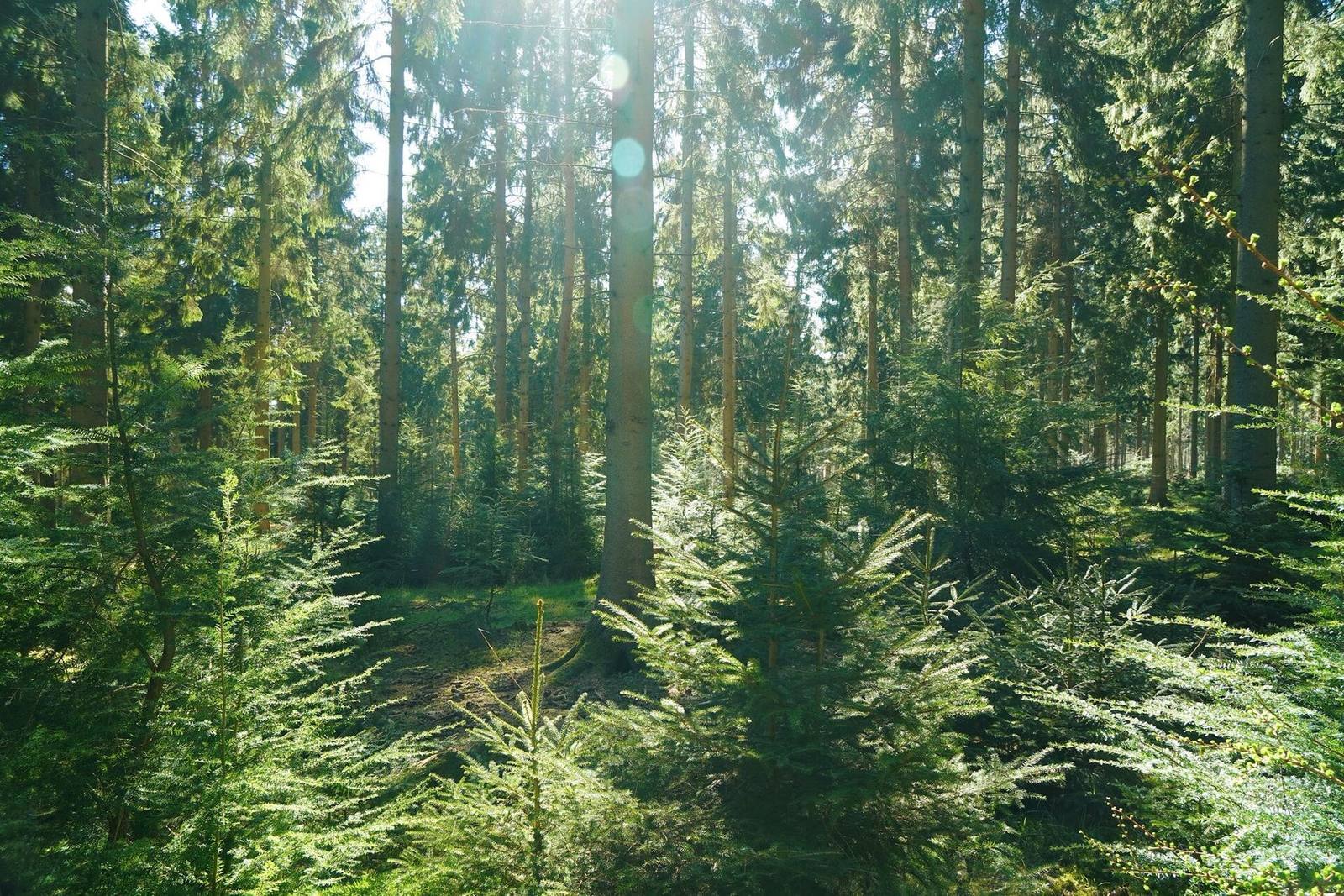
The estate lies in a Chiltern Hills valley and combines the main house with a private deer park surrounded by Almshill Wood, Balham’s Wood, and Kildridge Wood. Behind the house, a walled garden in an Italianate design, influenced by Italian architecture and garden design, rises up a slope and affords views. The house contains displays of family portraits, tapestries, bronzes, and ceramics, while the park supports a herd of fallow deer.
Chapel and prehistoric remains
Private chapel
The private chapel dates to the twelfth century. Built of flint and stone, it has an early brick tower. A stone from the prehistoric circle is incorporated into the chapel’s south-east corner.
Stone circle
The house stands on the site of a prehistoric stone circle or henge, a circular earthwork enclosure. Stones from the circle remain visible and are made of sarsen, a hard sandstone, and Hertfordshire puddingstone, a conglomerate rock. Their positions were changed during seventeenth-century landscaping and again in a twentieth-century reconstruction.