Burg Rossberg: A Medieval Motte Castle near Winterthur
Site at a Glance
- Rating
- 2
- Popularity
- Very Low
- Country
- Switzerland
- Primary era
- Medieval
- Eras represented
- Medieval
- Civilizations
- Holy Roman Empire
- Site type
- Military
- Remains
- Castle
On this page4 sections
History
The Rossberg family and castle
Burg Rossberg is a ruined medieval motte castle on a hill south of Winterthur, Switzerland. The Rossberg family first appears in a 1169 deed of gift, which names brothers Burkhard and Ekkehard as followers of the Counts of Kyburg, a medieval ruling dynasty in what is now Switzerland. In 1180, Heinrich and Ulrich of Rossberg witnessed the settlement of a dispute between the Counts of Kyburg and the church of Oberwinterthur.
The castle and its chapel appear in records of the Kyburg counts’ property. In 1241, Count Hartmann V transferred the chapel’s income to his wife, Margaretha of Savoy. Three years later, he bequeathed the castle, along with other possessions, to the Bishop of Strasbourg. The name Rossberg appears in Zurich records in 1256. Suevo, the last recorded member of the family, witnessed a document at the nearby monastery of Töss in 1259. It is not known whether the castle was still inhabited at that time or when it was abandoned. In 1266, the Bishop of Constance reassigned the chapel’s benefice, a church office supported by income or property, and noted that the castle had already been destroyed long before.
Later disturbance and excavation
In 1552, Martin Offner of Siders dug across the castle area while seeking treasure with a divining rod. The work caused lasting damage, and the hill came to be called “Schatz,” meaning “Treasure.” Teacher Emil Stauber directed excavations there in 1908. The exposed masonry was not conserved and has since largely decayed.
Remains
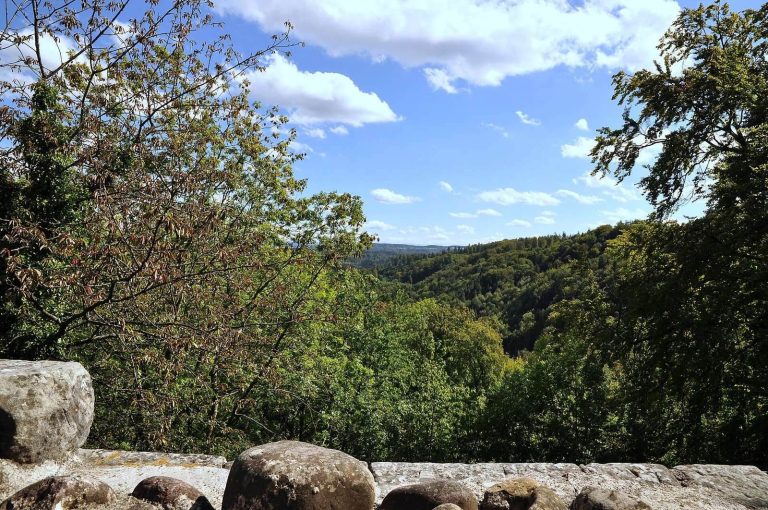
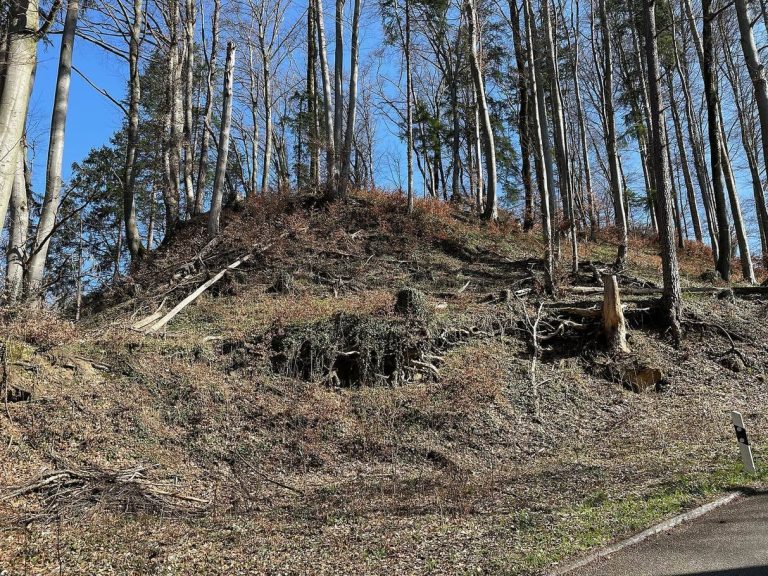
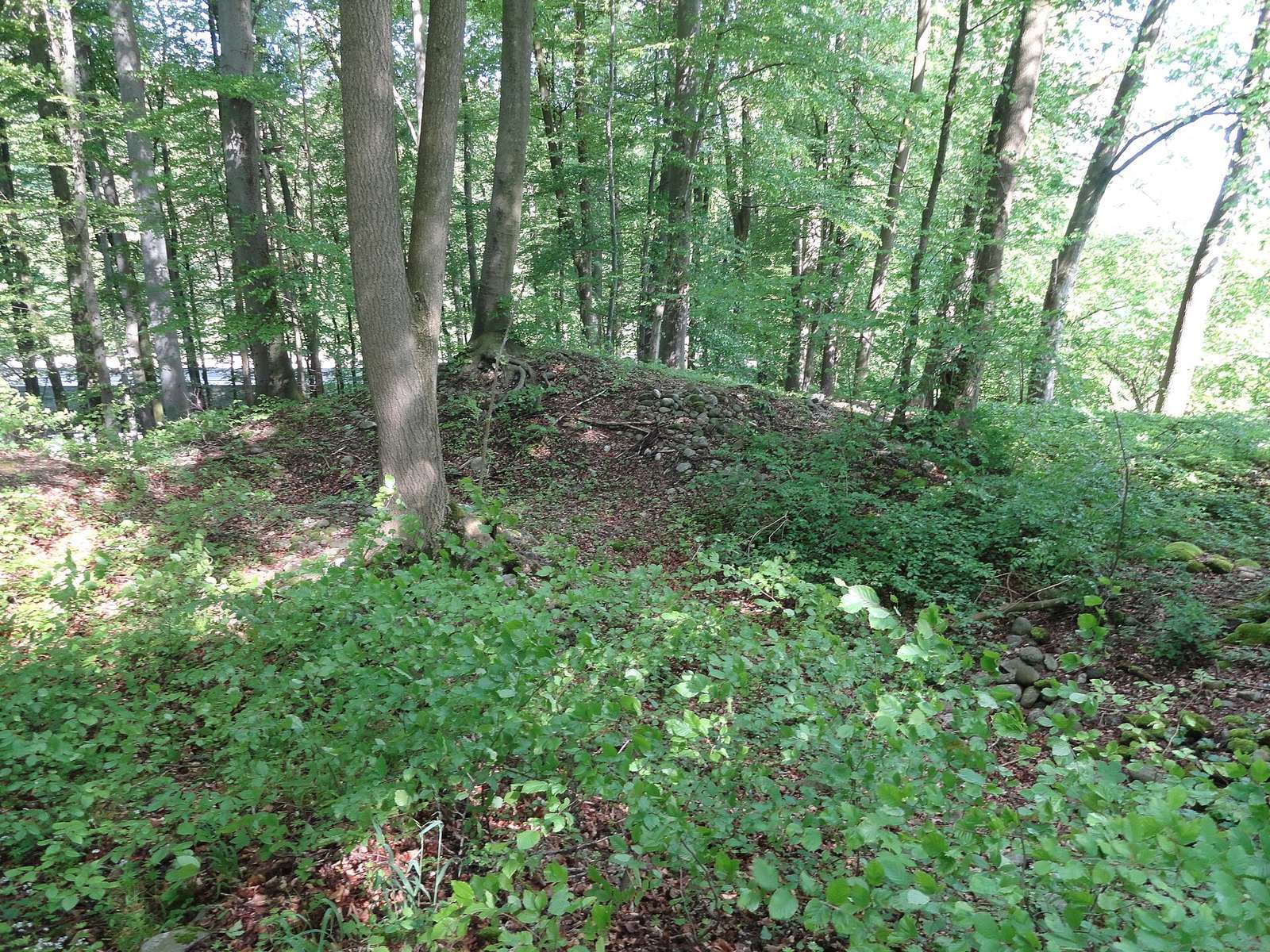
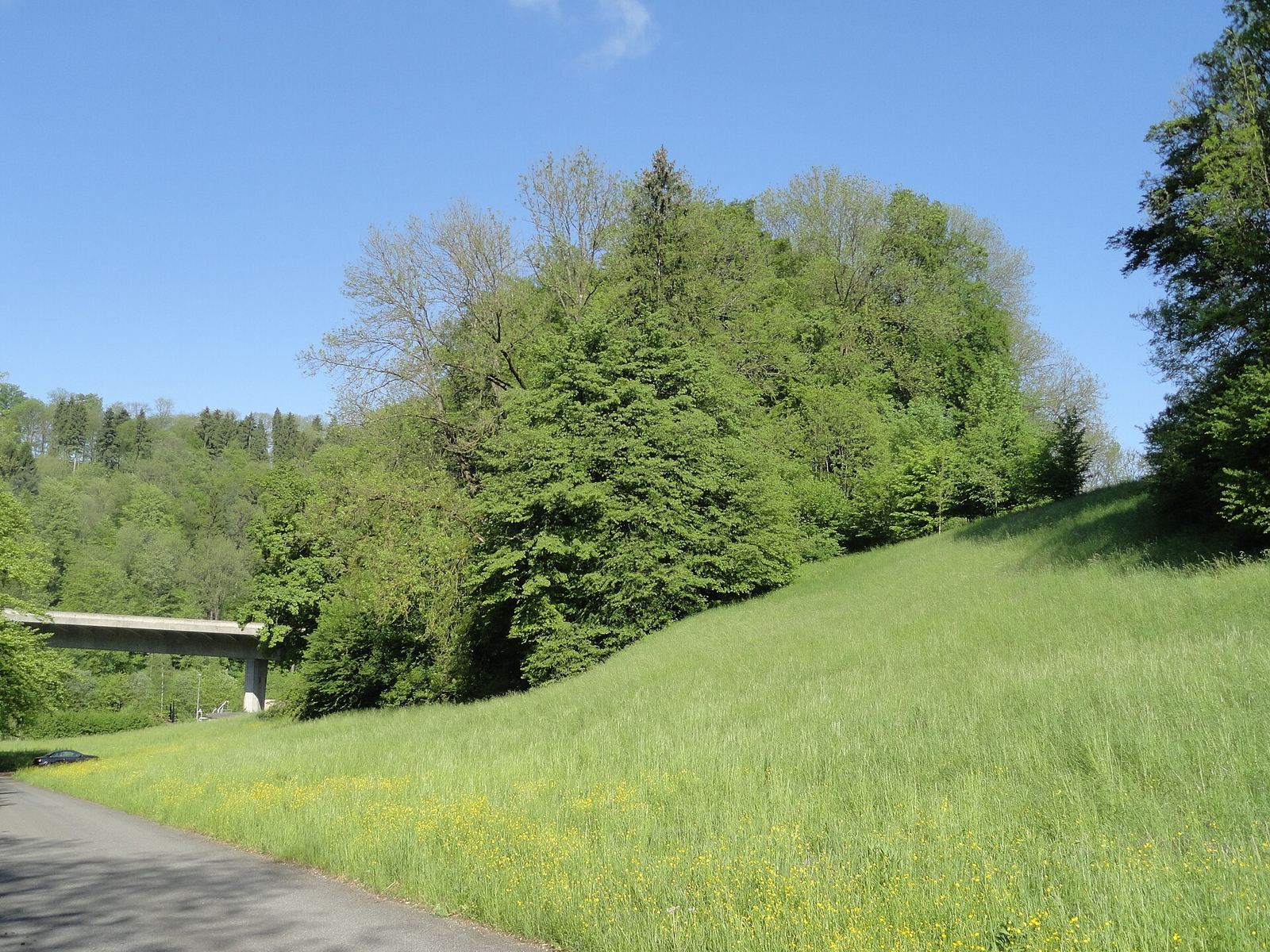
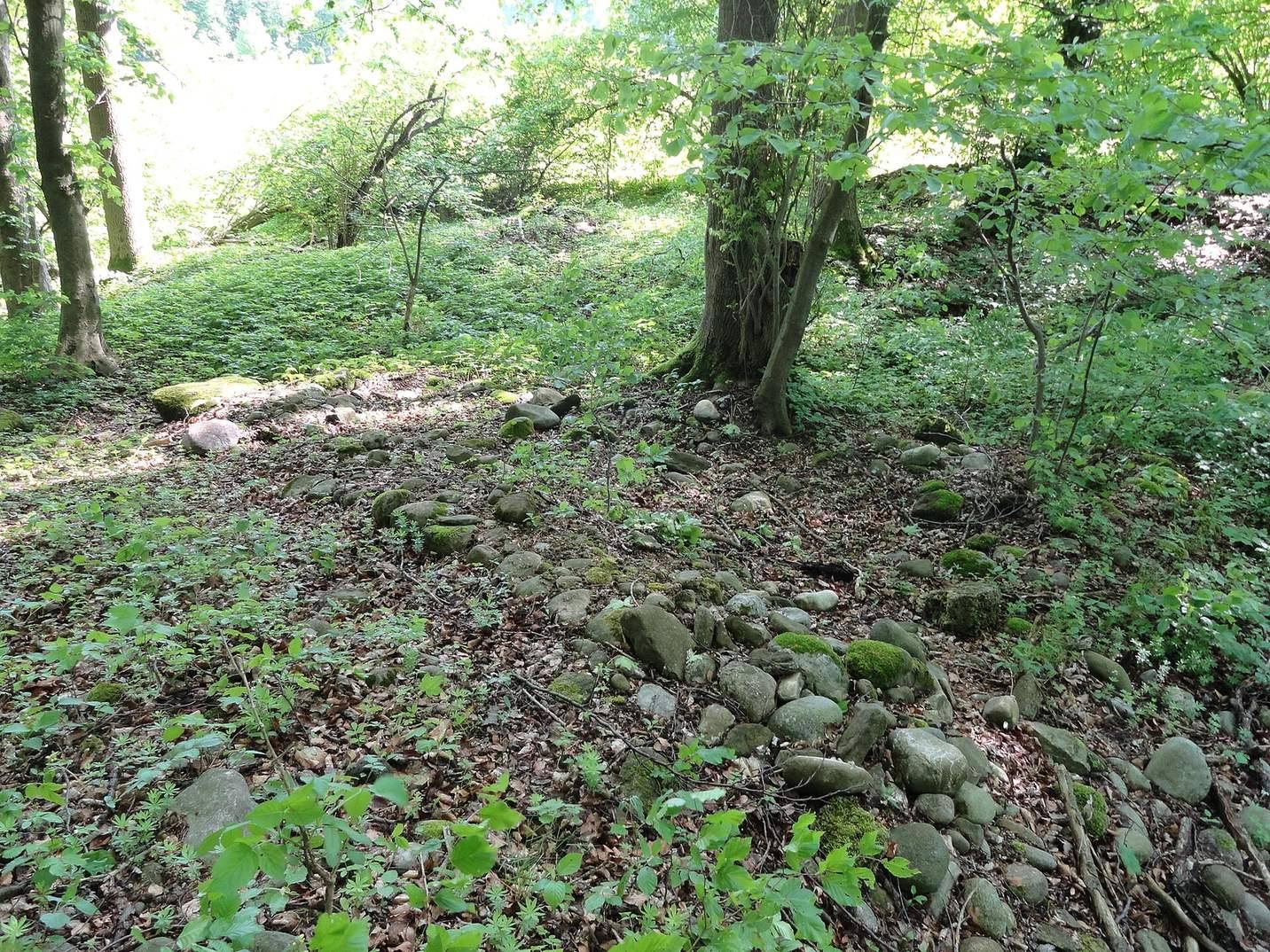
The castle occupied a hill at 490 metres above sea level in the Rossberg outlying district, near Kemptthal. It was built of boulders. Only foundation traces now remain, and the site is largely ruined. Piles of boulder rubble survive in the southern part of the complex, left by the 1552 digging.
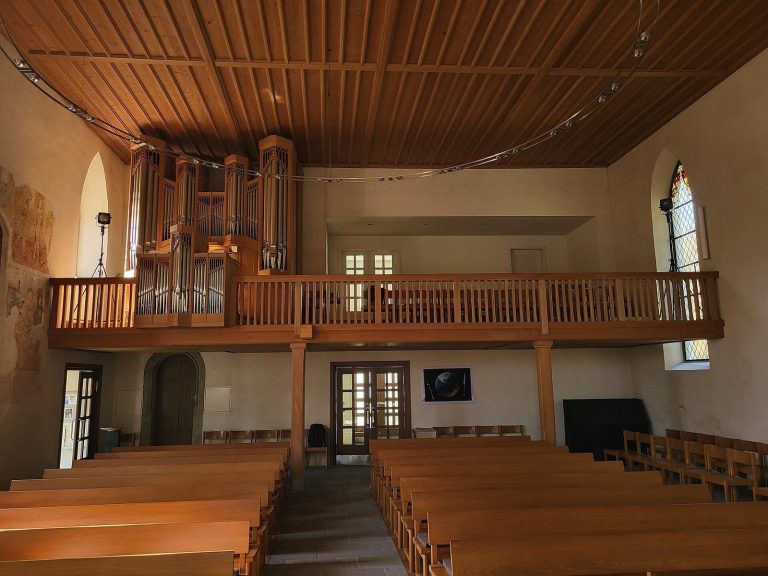
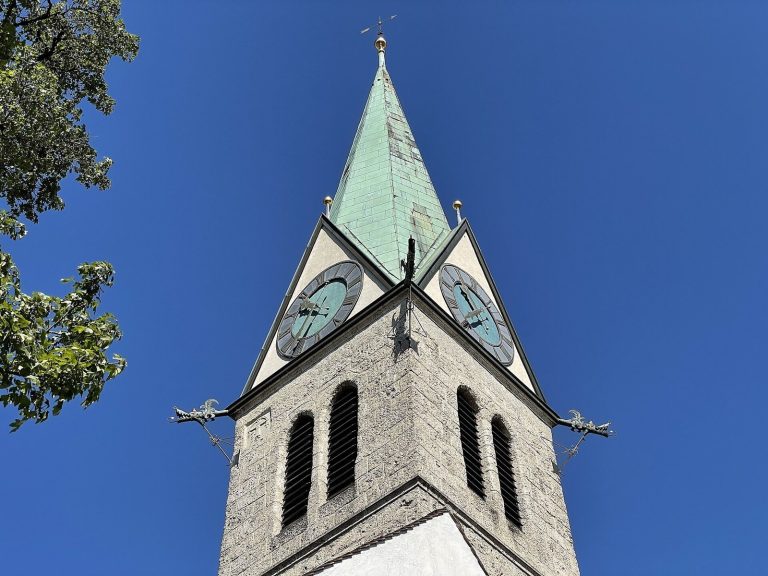
The 1908 excavations revealed foundations belonging to a residential tower. In the building’s southern part, excavators found a sandstone block that Stauber interpreted as a kitchen hearth, along with sheep shears and a small number of other minor finds. The castle’s holdings also included a farm and the Rossberg chapel, which stands about 800 metres to the north and still survives.