Tonenburg: A 14th-Century Defensive Castle in Germany
Site at a Glance
- Popularity
- Medium
- Country
- Germany
- Primary era
- Medieval
- Eras represented
- Medieval, Early Modern
- Civilizations
- Holy Roman Empire
- Site type
- Military
- Remains
- Castle
On this page8 sections
History
Foundation and conflict
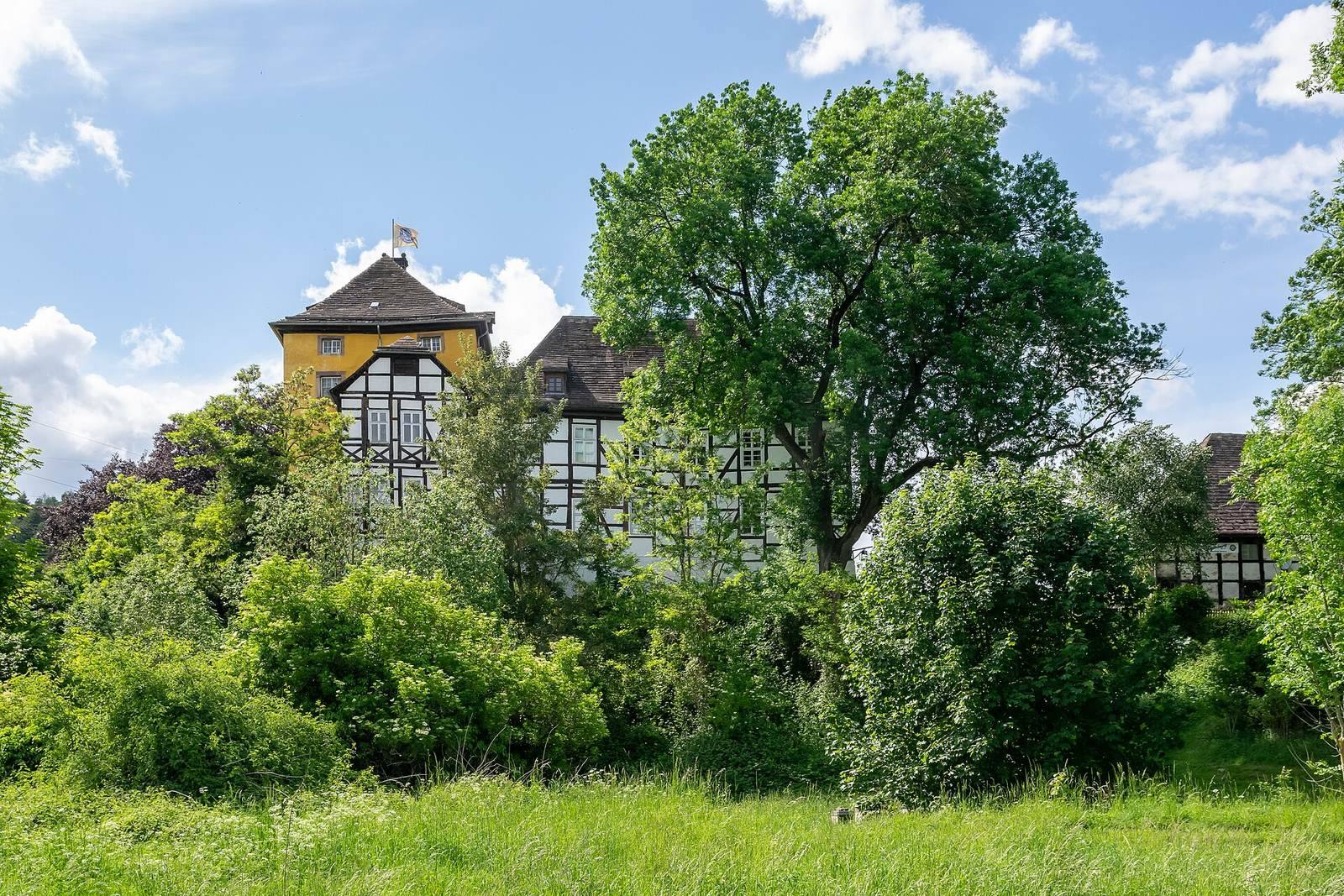
Tonenburg is a hilltop defensive castle above the Weser near Albaxen, Germany, built in 1315 by Corvey abbot Ruprecht von Horhusen. Corvey was a Benedictine abbey, a monastic institution governed by an abbot. Ruprecht, also identified as Ruprecht von Tomberg, built the stronghold against the dukes of Brunswick and the counts of Everstein, who were based at nearby Everstein Castle in Polle.
Soon after its construction, a Count of Everstein attacked and captured Tonenburg. In 1332, Welf forces under Otto and Magnus of Brunswick took it. The Welfs were a German ruling dynasty, with Otto and Magnus belonging to its Brunswick branch. In 1343, Hermann von Everstein gave up his claims to the castle and reconciled with his feudal lord, Corvey abbot Dietrich I von Dalwigk.
Abbey residence and later use
Corvey’s abbots later used Tonenburg as a residence and place of refuge. During the Höxter Rebellion of 1603, Abbot Theodor von Beringhausen resided there.
The entire complex was restored. In 1995, Viktor, Duke of Ratibor and Prince of Corvey, sold it to Norbert and Paula Pirone. By 1998, they had adapted the buildings into a motorcycle meeting place, a use that helped keep the complex economically viable.
Remains
Castle complex
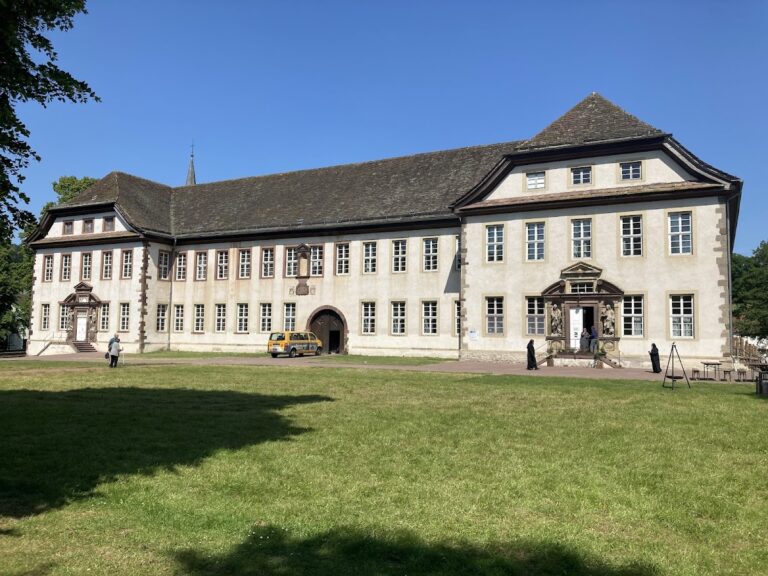
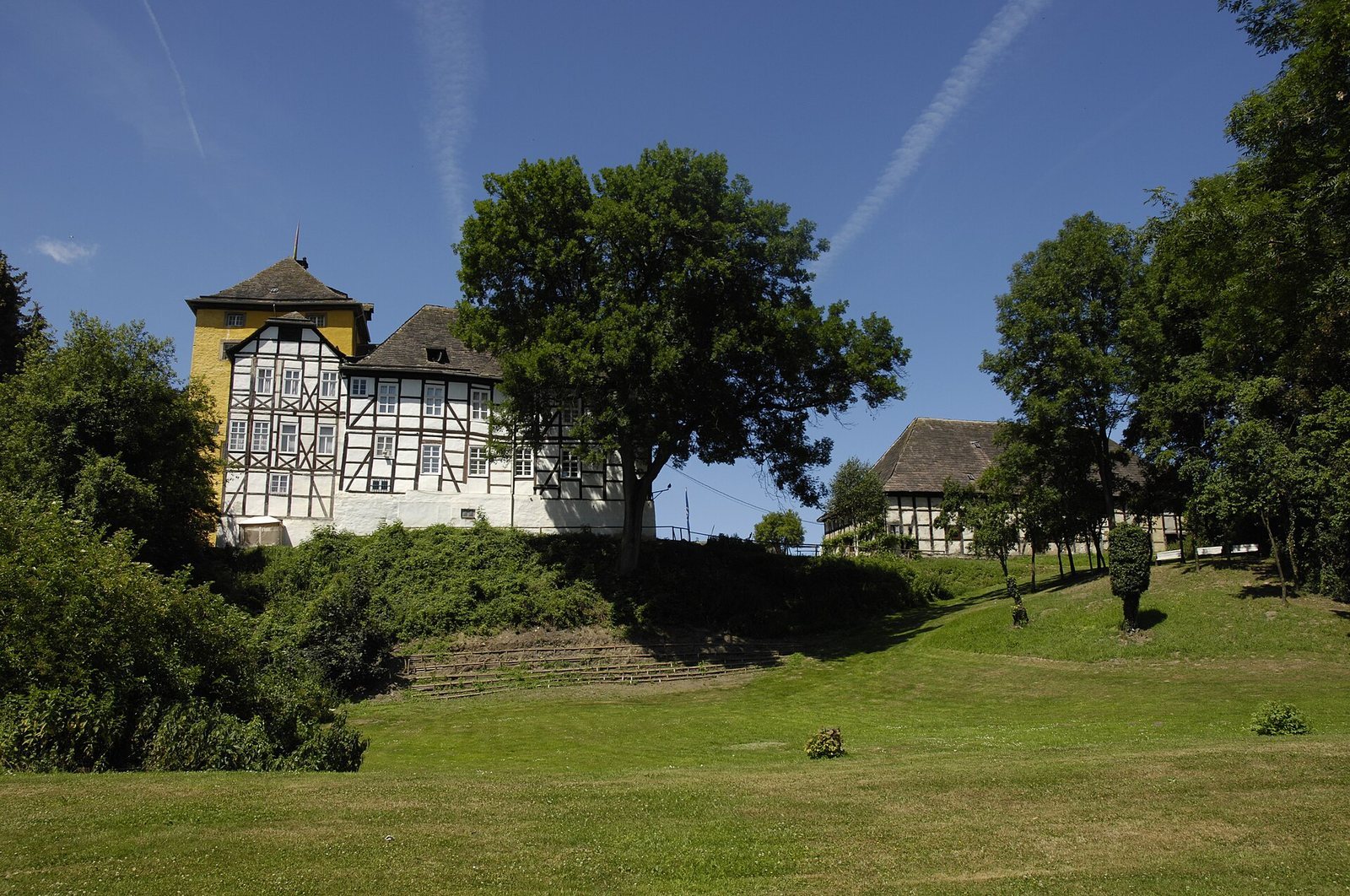
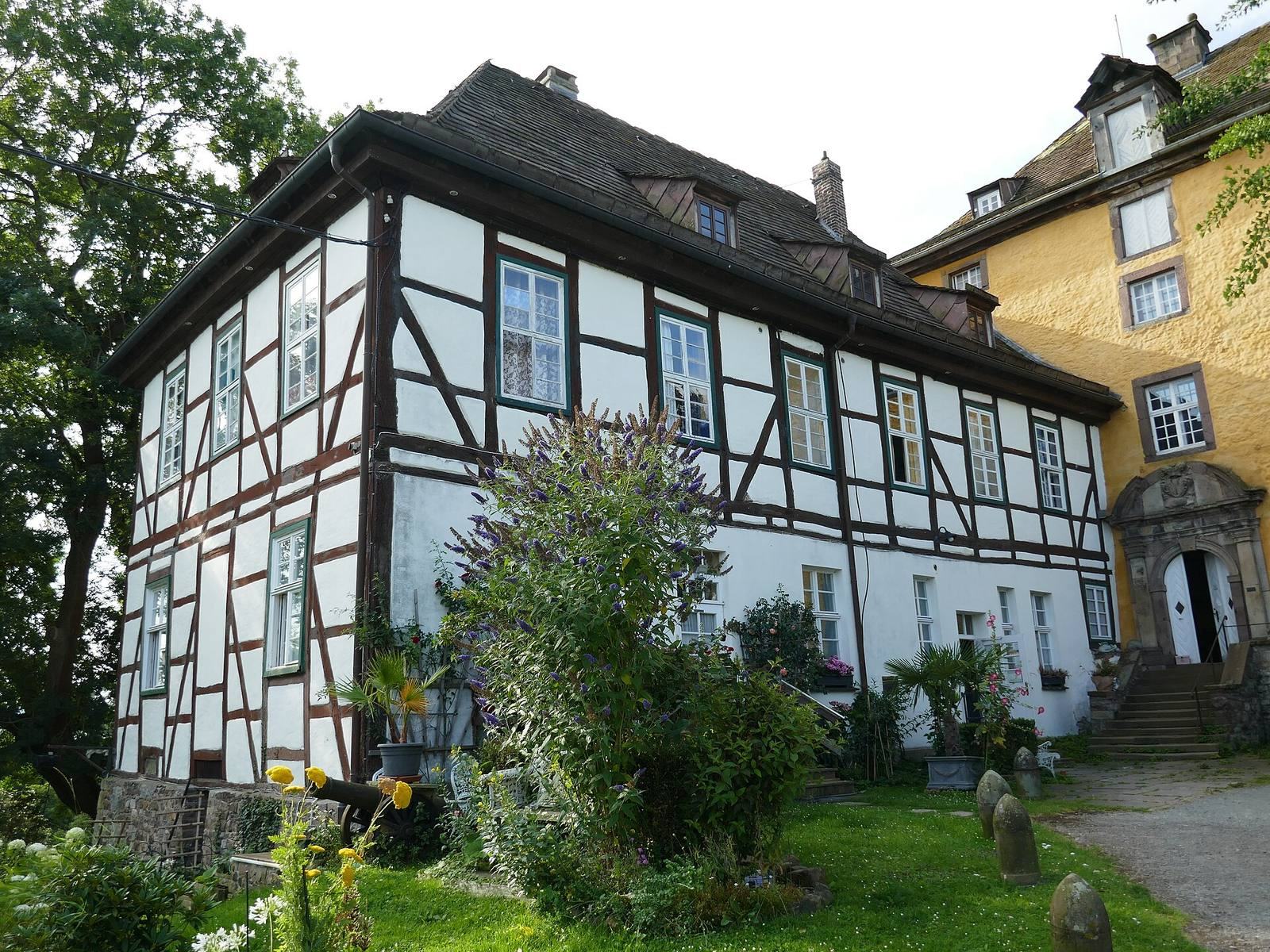
The hilltop site above the Weser includes the defensive castle and a farmyard, with substantial parts of the complex surviving. Tonenburg lies near Albaxen and within sight of Corvey Abbey.
Defensive castle
Around 1500, two halls were added and the roof structure was renewed. In 1574, a fireplace was installed above existing cellar vaults, and a three-storey projecting bay with its own cellar was built on the side facing the Weser.
Farm buildings
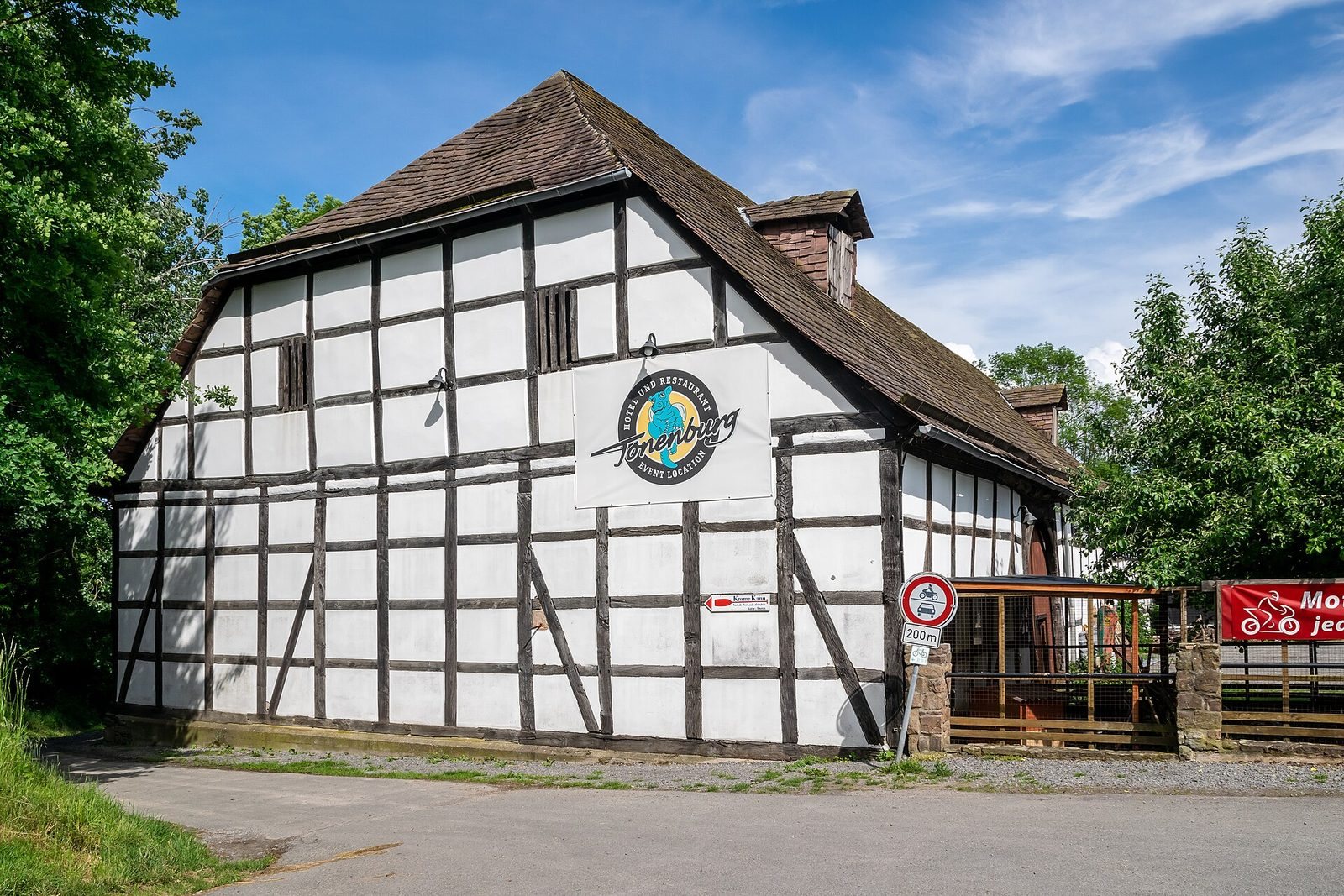
The farmyard includes a farmhouse dating to 1675 and a former distillery built in 1660, now used as a restaurant. A rye barn and other farm buildings date to 1708.
Well
A well within the complex is 18 metres deep and roughly 700 years old.