Kelmscott Manor: William Morris’s Cotswolds Country Home
Site at a Glance
- Popularity
- High
- Country
- United Kingdom
- Primary era
- Early Modern
- Eras represented
- Early Modern
- Civilizations
- English
- Site type
- Domestic
- Remains
- Manor House
On this page12 sections
History
Origins and changing ownership
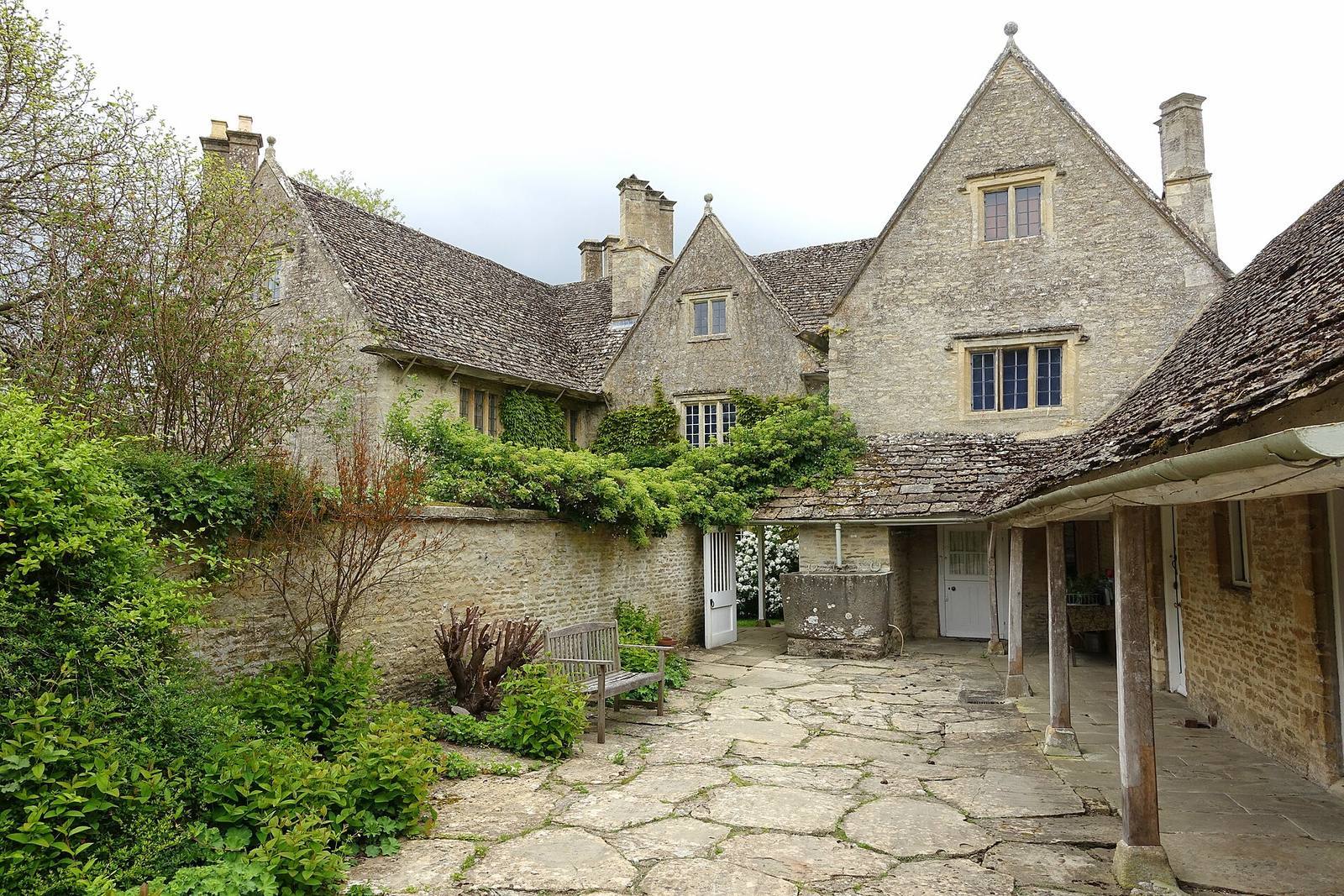
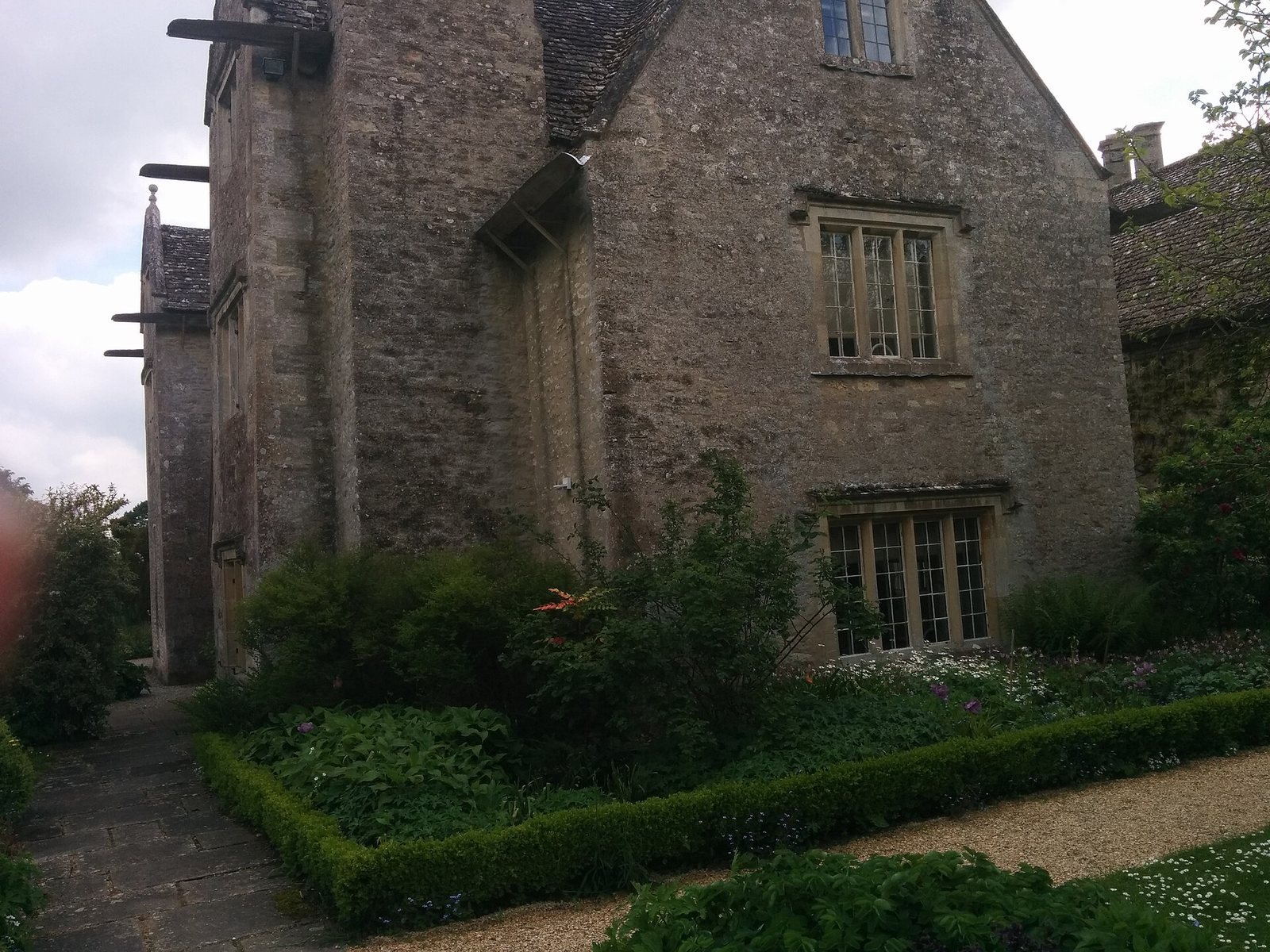
Kelmscott Manor is a limestone house in the Cotswolds village of Kelmscott, United Kingdom. Local farmer Thomas Turner built it around 1570, and it remained with his family for generations. The house was first known as Lower House. After George Turner died in 1734, it was let to tenants. In 1864, James Turner bought 53½ acres of manorial land and the lordship, the status and rights associated with being lord of a manor. The property then became known as Kelmscott Manor. James’s nephew Charles Hobbs inherited it after his death in 1870 and also let the house.
The Morris household and its artistic circle
William Morris, a nineteenth-century writer and designer, and his wife, Jane, made the manor their country home from 1871 until his death in 1896. Its craftsmanship, architecture, and rural surroundings, particularly the garden, inspired Morris. He was closely associated with the Arts and Crafts movement, which championed skilled making and traditional craft. The house also appears in his work News from Nowhere. In 1890, Morris named his independent printing enterprise, the Kelmscott Press, after the village; he had earlier given the same name to his London home, Kelmscott House.
The painter and poet Dante Gabriel Rossetti lived at Kelmscott from 1871 to 1874, using the Tapestry Room and White Room as studios. Jane and other women in the Morris family modelled for him. Morris’s friend Ford Madox Brown and the artist and designer Edward Burne-Jones also visited the manor frequently.
Later residents and preservation
After Morris died, Jane continued to live at the manor and bought it in 1913, shortly before her death. Their daughters Jenny and May later lived there. Jenny died in 1935, and May in 1938. May left the property to the University of Oxford on the condition that its contents be kept together and the public admitted. The university later transferred the house and land to the Society of Antiquaries of London, a learned society devoted to history and antiquities. The Society has owned the manor since 1962.
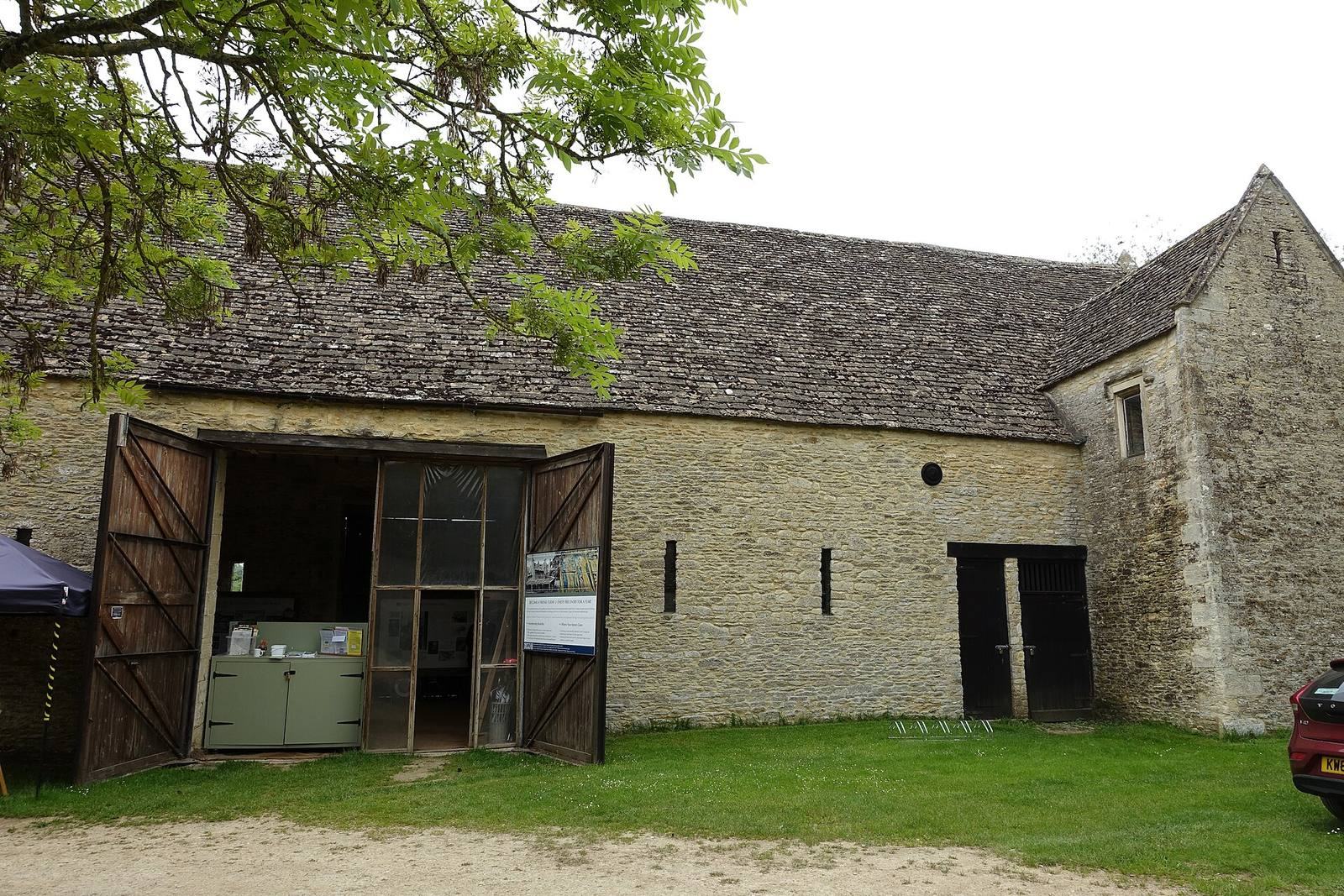
Edward and Stephanie Scott-Godwin, artists and friends of May Morris, lived at Kelmscott from 1940 to 1948. During that period they published a book about William Morris, illustrated with their own work. When the Society took over the manor, the building was in serious decay; work in the 1960s sought to prevent further deterioration. The Society acquired associated barns in the 1970s and adapted them for reuse. A major restoration in the early twenty-first century included structural repairs and interior renovation.
The manor received Grade I listed status in 1955, a category for buildings of exceptional interest. Its garden wall, summerhouse, and privy were listed at Grade II, for special interest, in 1989.
Remains
The manor and its interior
Structure and layout
Built of limestone, the manor has three floors and includes a wing added in the late seventeenth century. Its attic, now used to display Morris textile designs, was originally occupied by farm labourers.
Decoration and furnishings
Much of the interior decoration and furniture associated with Morris remains in the house. Textile patterns, embroidery, and wall hangings show flowers and birds. Morris preferred woven or embroidered wall coverings to wallpaper, which he considered an inferior substitute. His Willow Boughs pattern drew on the willows beside his fishing place and was used in Jane Morris’s bedroom. The furnishings bring together country-house antiques and furniture made by Morris, from his early, heavy pieces in a medieval style to simple Sussex chairs. Rossetti later introduced lacquered furniture. Stone fireplaces have blue-and-white tile edging, while the floors were covered with Oriental-style or rush carpets.
Books, furniture, and artworks
Morris’s bedroom contains original books associated with him and a collection of prints by German Renaissance artist Albrecht Dürer. The house also displays furniture from Red House, Kelmscott House, and other family homes, along with works by Rossetti, Burne-Jones, and Flemish painter Pieter Brueghel the Younger. Rossetti painted Proserpine, La Ghirlandata, The Bower Maiden, The Blessed Damozel, a smaller replica of Dante’s Dream, and The Roman Widow at the manor. His 1871 portrait of Jane, Water Willow, shows the house in the background. Ford Madox Brown painted much of Cromwell on His Farm outdoors at Kelmscott in 1872.
Garden and associated buildings
Garden and orchard
A wall encloses the front garden, where a summerhouse stands in one corner among standard roses, roses trained into a tree-like shape on a single stem. Old trees grow across the garden, including a very old black mulberry behind the house. Part of the original orchard was cleared to create a small car park, while many fruit trees remain.
Barns
The associated barns were adapted for new uses after the Society of Antiquaries acquired them in the 1970s.