Havránok: Celtic Hillfort and Medieval Castle Site in Slovakia
Site at a Glance
- Popularity
- Medium
- Country
- Slovakia
- Primary era
- Iron Age
- Eras represented
- Iron Age, Classical, Medieval
- Civilizations
- Celtic, Hungarian
- Site type
- City
On this page12 sections
History
Havránok is an archaeological site and open-air museum in Liptovská Sielnica, Slovakia, known for a Celtic fortified settlement of the Púchov culture. This Iron Age culture was associated with communities in what is now northern Slovakia. From about 300 BCE to 180 CE, Havránok served as an important religious, economic, and political centre. The Celtic Cotini lived there alongside people connected with the earlier Lusatian culture of central Europe.
Celtic centre
The settlement flourished until around the beginning of the Common Era, when it was destroyed along with other Celtic settlements in Slovakia. The destruction has been attributed either to the Quadi, a Germanic people of central Europe, or to the Dacians, an ancient people from the lower Danube region. During the Iron Age and Roman era, the shrine at Havránok was an important place of worship for Celts in northern Slovakia. Celtic villages also stood around the site, and some were later submerged when the Liptovská Mara reservoir was created.
The Celts at Havránok minted simple copper coins. These were contrasted in quality with the silver Biatecs minted by the Boii, another Celtic people, at Bratislava.
Medieval settlement
A Slavic settlement occupied Havránok from the 12th to the 15th centuries. A nearby wooden castle is dated broadly to the 11th–15th centuries, and a masonry church was built at the site in a later period.
Rediscovery and protection
Archaeological work in the 1960s, during construction of the Liptovská Mara dam, uncovered the Celtic fortified settlement and a medieval wooden castle. Parts of the site were reconstructed, and Havránok became an open-air archaeological museum within the Liptov Museum, a regional museum based in Ružomberok. Slovakia designated it a national cultural monument in 1967.
Remains
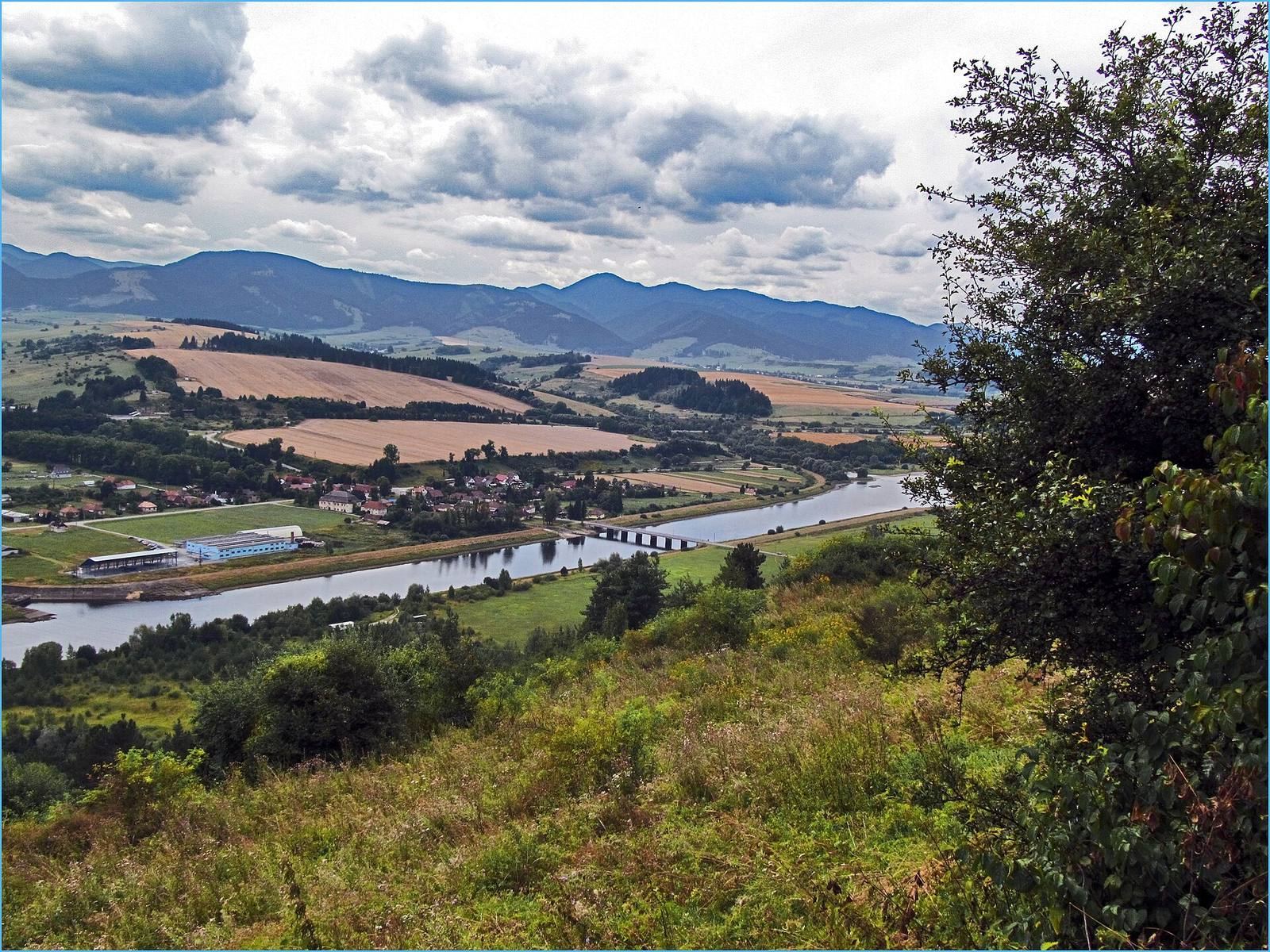
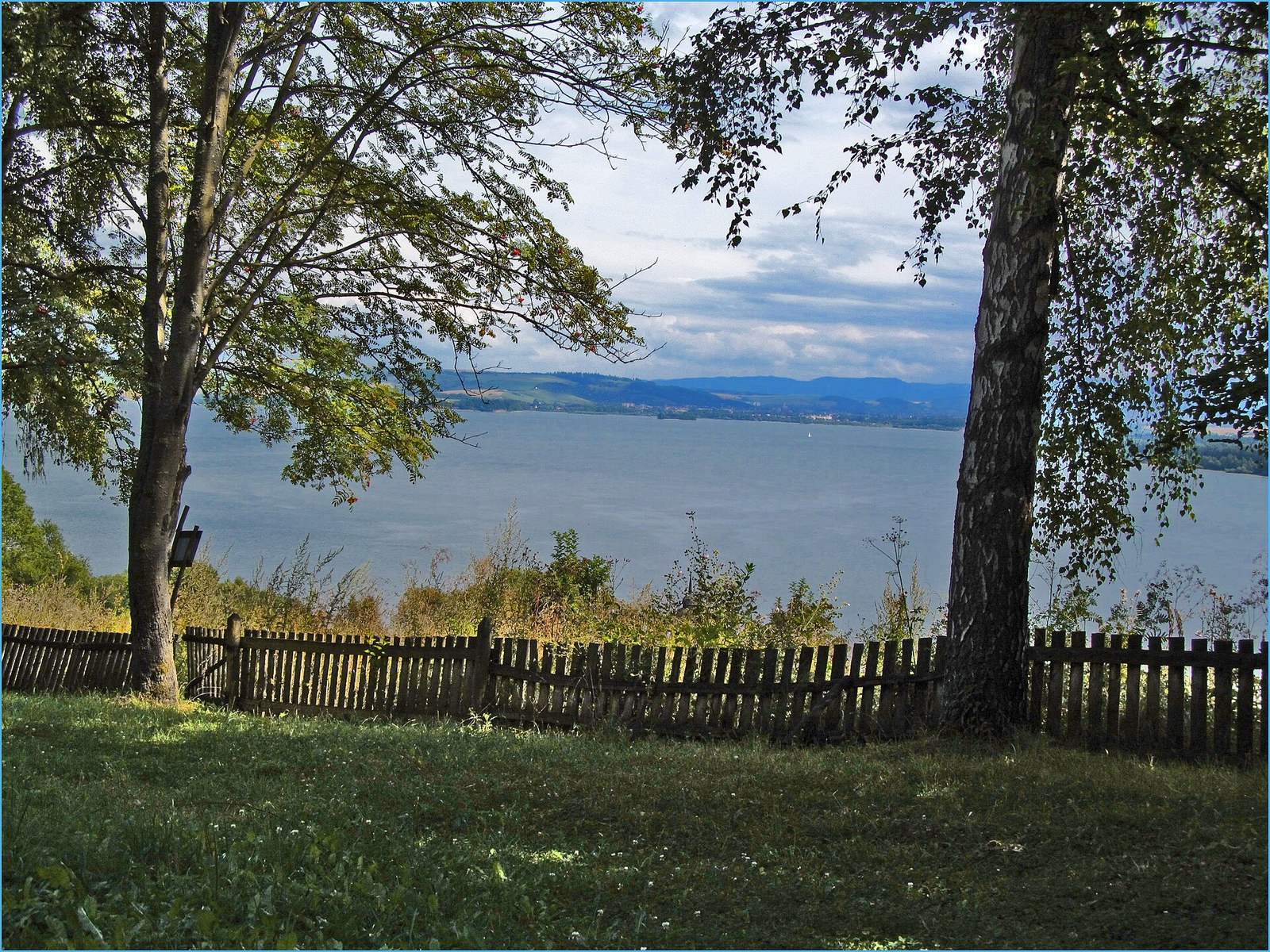
The archaeological site occupies a hillside above the Liptovská Mara reservoir, on the eastern foot of Úložisko, which rises to 741.7 metres. It lies about two kilometres south of Bobrovník. The reconstructed remains include the Celtic fortified settlement and its buildings, while the medieval castle stood nearby.
Celtic fortified settlement
Defensive walls and entrance
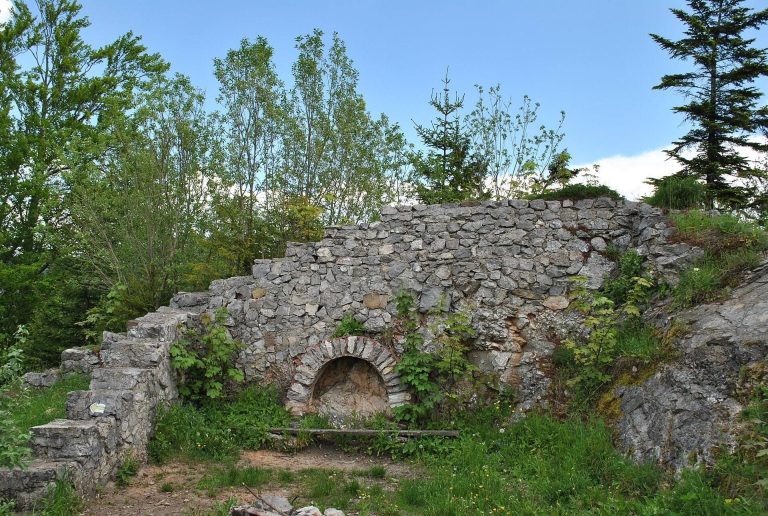
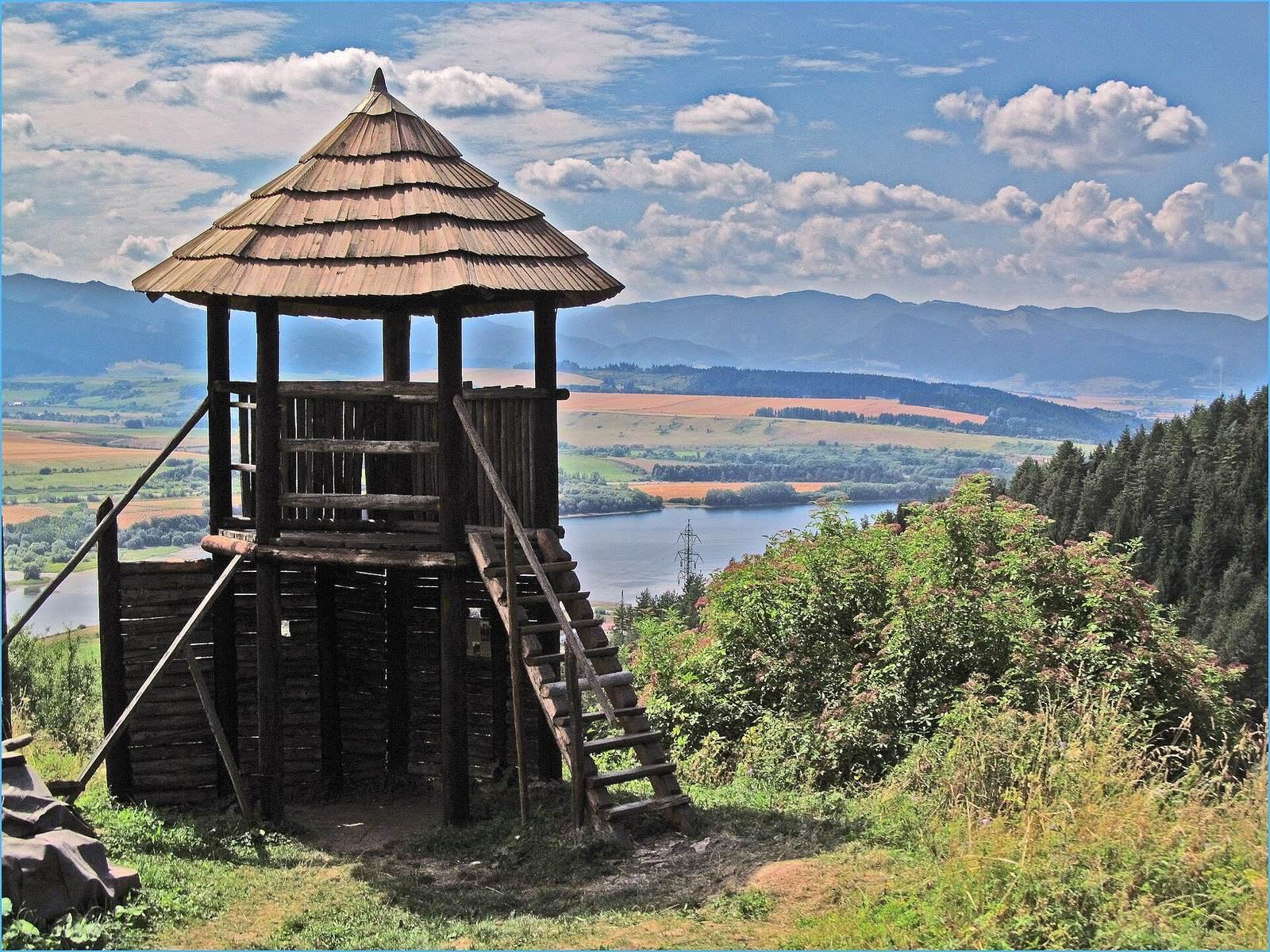
Reconstructed defenses include stone walls, wooden palisades, or defensive fences, and an entrance gate. A section of stone wall dates to 120–50 BCE.
Farmstead and other buildings
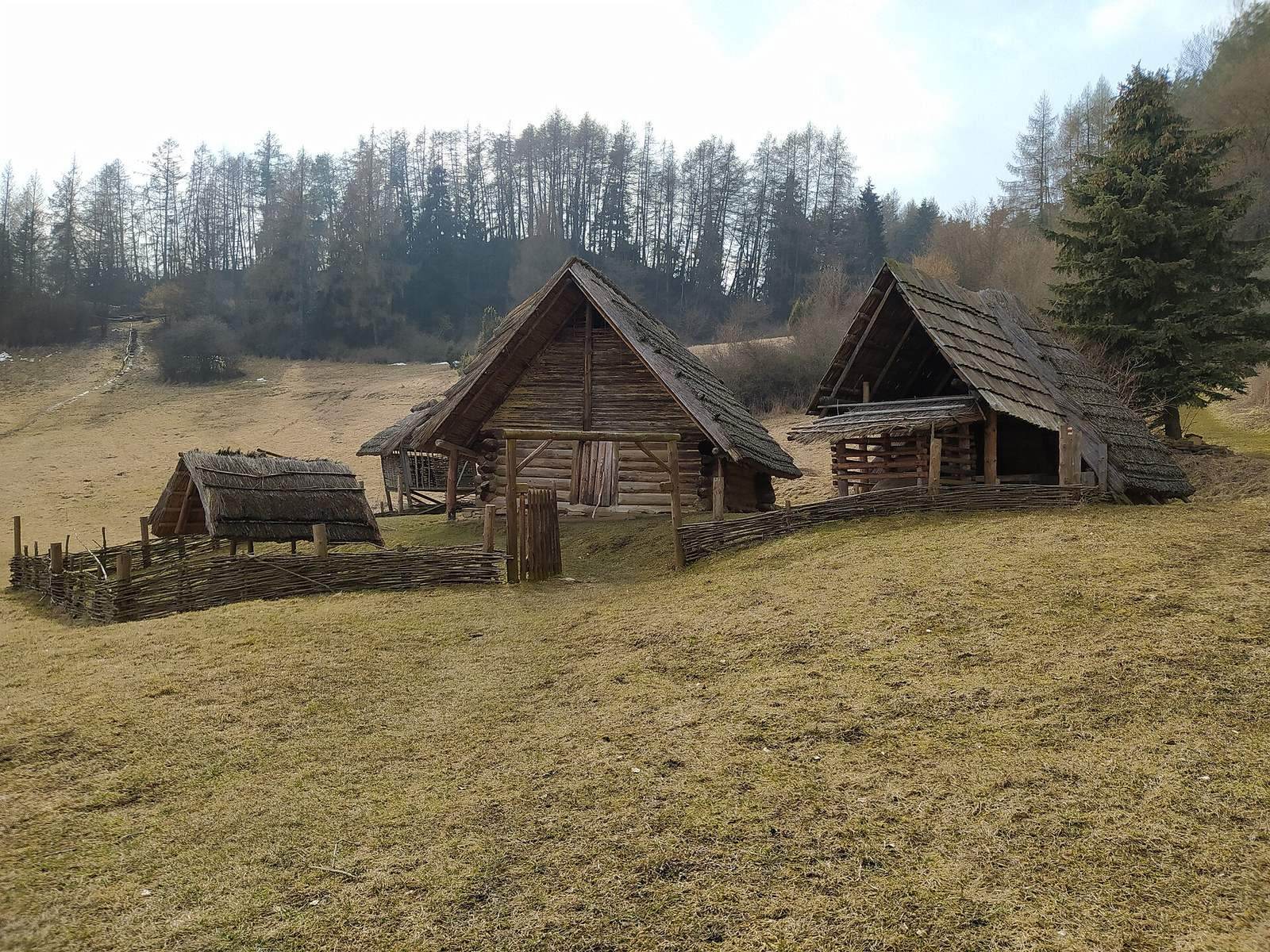
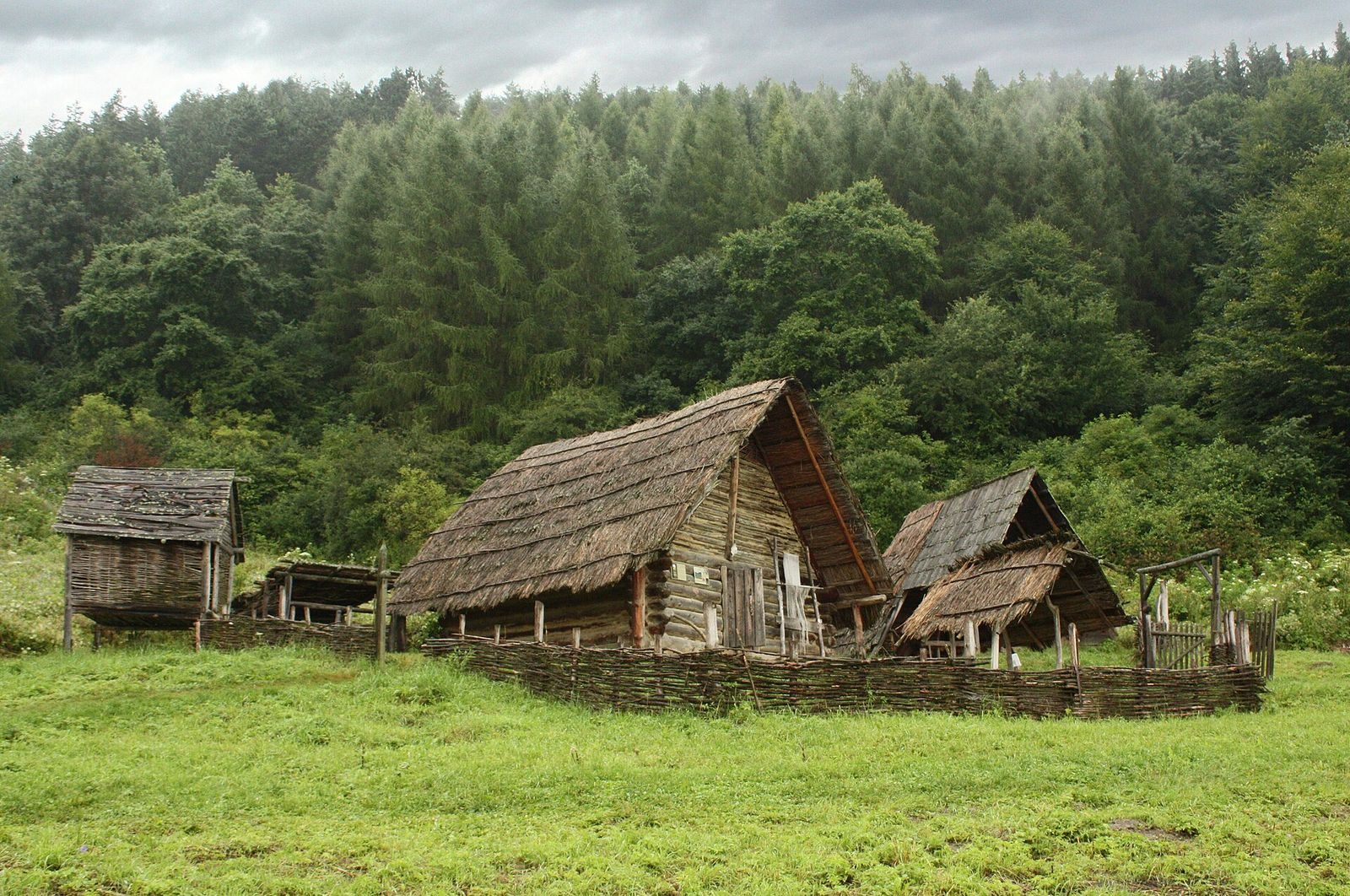
The reconstructed settlement includes a farmstead dated to 300–100 BCE and a pottery kiln from the same period. Huts represent different phases of occupation, and the reconstructed complex also contains a courtyard compound built of logs.
Shrine
The wooden shrine was built in the 1st century BCE around an exceptionally tall wooden column, possibly a totem or statue. A ritual pit near it contained bones of at least seven people, interpreted as victims of human sacrifice. They had been beaten to death and quartered, and some had also been burned. Agricultural tools found beside the pit have prompted the interpretation that the sacrifices may have been intended to secure a good harvest. Smaller wooden columns in the shrine area had buried offerings nearby, including jewelry, agricultural produce, and animals that had been burned.
Medieval castle and church
Wooden castle
The wooden castle stood close to the remains of the Celtic settlement. Its described features include palisades, a ditch, and a residential tower.
Masonry church
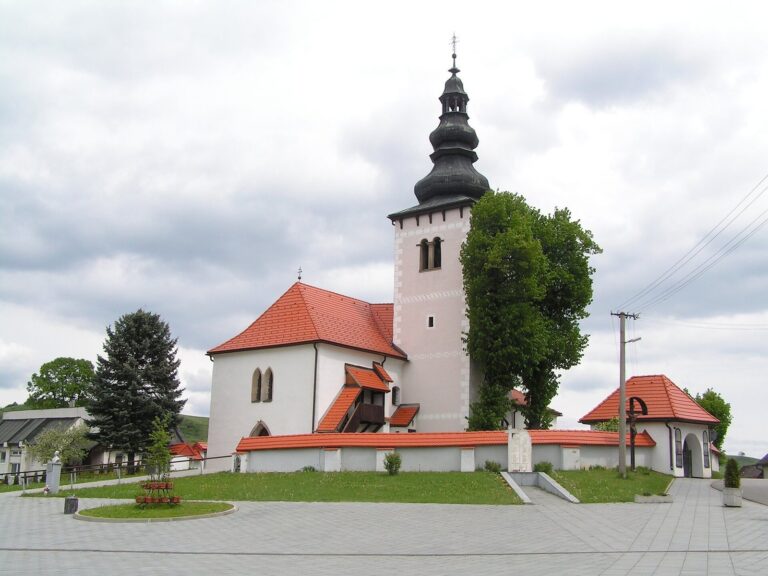
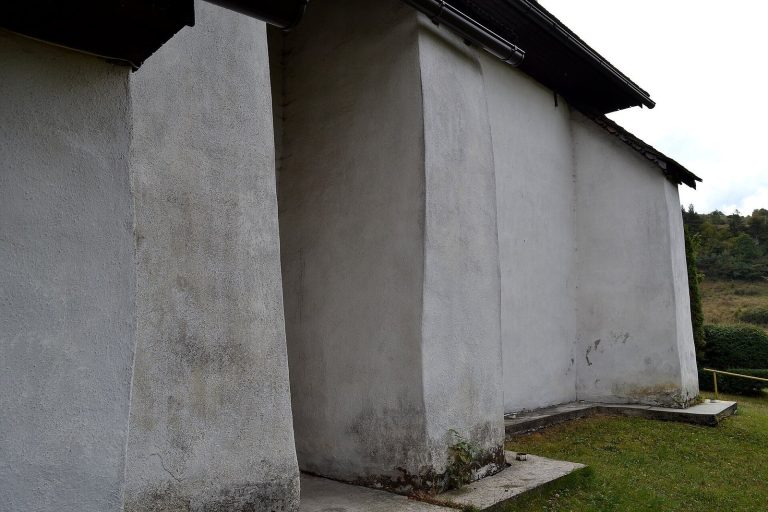
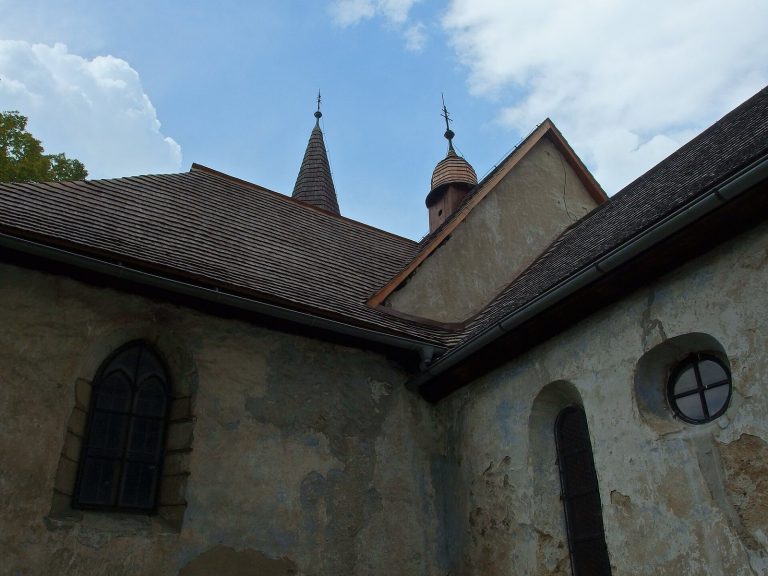
A masonry church was built at the site in a later period. It forms part of the medieval remains alongside the earlier wooden castle.