Arcóbriga: A Celtiberian and Roman City in Spain
Site at a Glance
- Popularity
- Medium
- Country
- Spain
- Primary era
- Classical
- Eras represented
- Iron Age, Classical
- Civilizations
- Celtiberian, Roman
- Site type
- City
On this page11 sections
History
Arcóbriga was a Celtiberian city that later became a Roman settlement on Cerro Villar near Monreal de Ariza, Zaragoza province, Spain. Founded in the seventh to sixth centuries BCE, it stood beside the Jalón River, a communication corridor connecting the northeastern coast of Iberia with the Castilian plateau. This route brought the city into contact with outside cultural influences.
Celtiberian city
Despite those influences, Arcóbriga’s early inhabitants retained their religious beliefs. Human-sacrifice remains found at the site point to a ritual practice common among the Celtiberians, ancient peoples of inland Iberia.
Roman period and disappearance
In the Roman imperial period, Arcóbriga belonged to Tarraconensis, a Roman province in Hispania. It served as an official stop on the road from Caesaraugusta (Zaragoza) to Complutum (Alcalá de Henares), roughly midway between Aquae Bilbilitanorum (Alhama de Aragón) and Segontia (Sigüenza). Pliny the Elder, a Roman author and naturalist, and Claudius Ptolemy, a Greco-Roman geographer, mention the city. It also appears in The Antonine Itinerary, a Roman collection of routes, and the Anonymous of Ravenna, an early medieval geographical compilation. Arcóbriga ceased to exist as a city in the second century CE.
Excavation and heritage protection
Enrique de Aguilera y Gamboa, the Marquis of Cerralbo and an archaeologist, excavated the site in the early twentieth century; later work reviewed his excavations. The National Archaeological Museum holds the most important material remains from Arcóbriga. The site was declared a Historic-Artistic Monument in 1931. Its classification was later revised by the Government of Aragon’s Department of Culture and Tourism, and since 2002 it has held Cultural Interest Complex status.
Remains
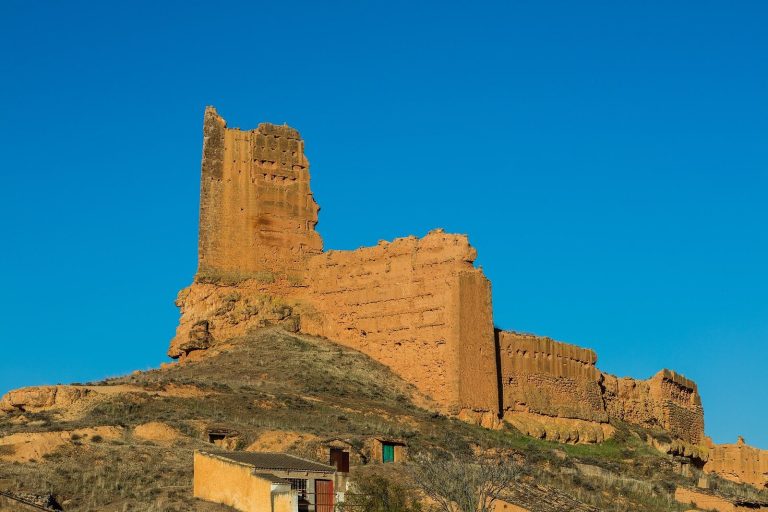
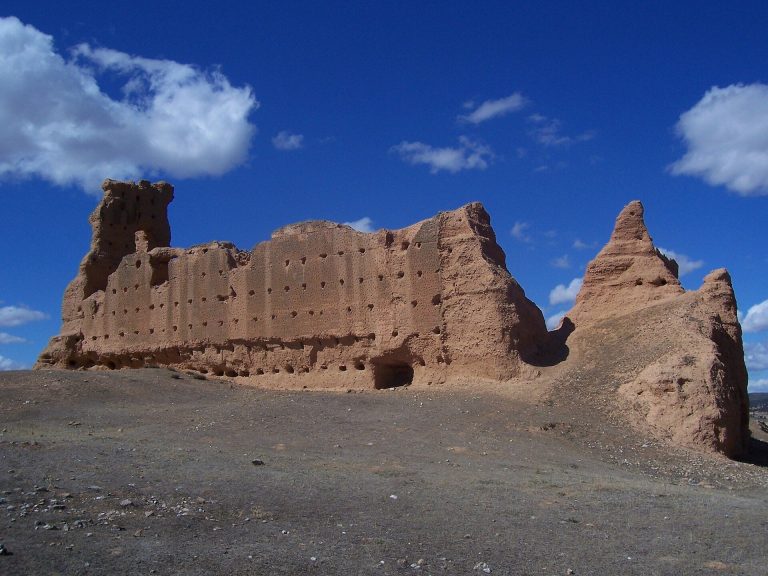
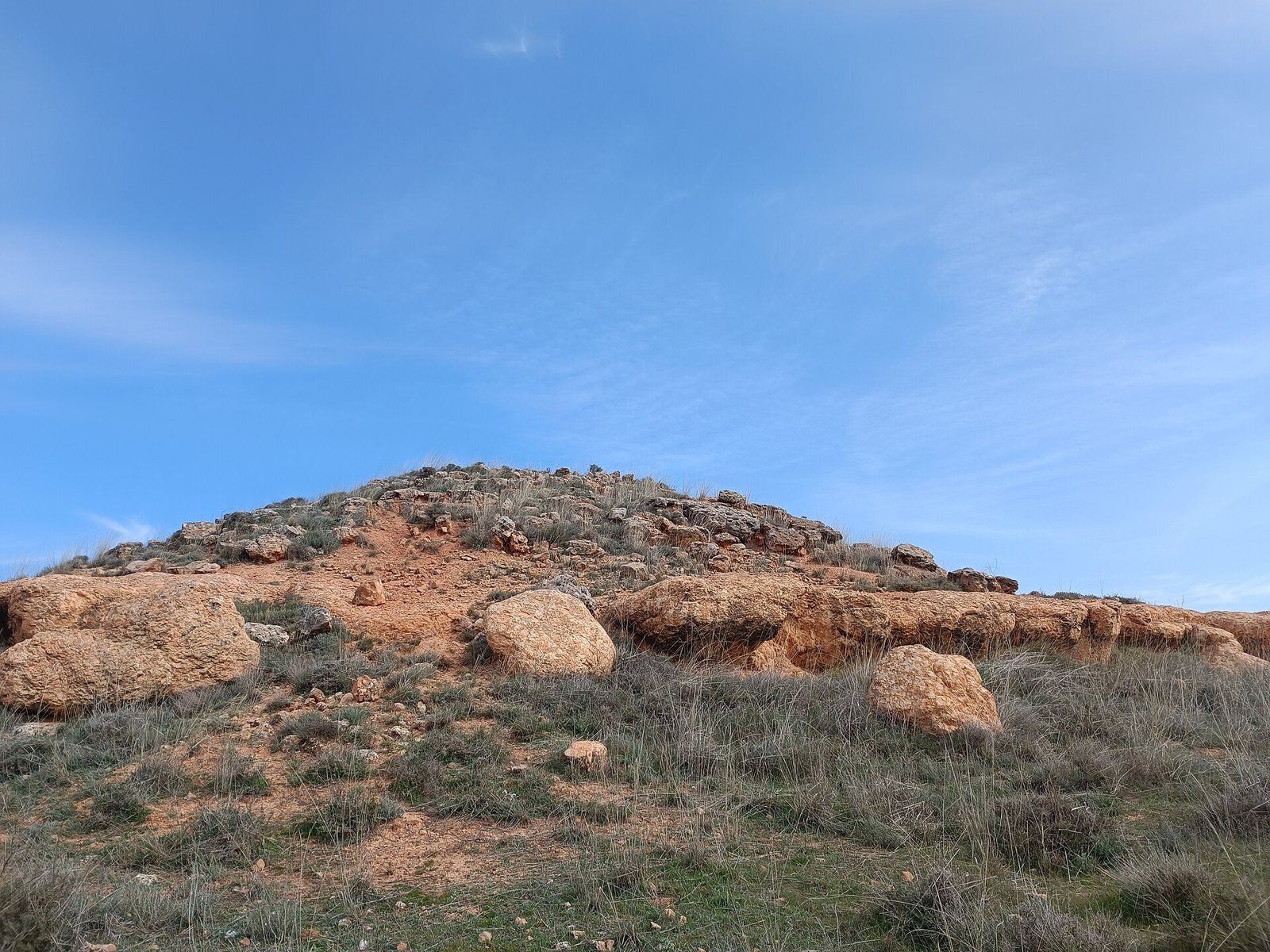
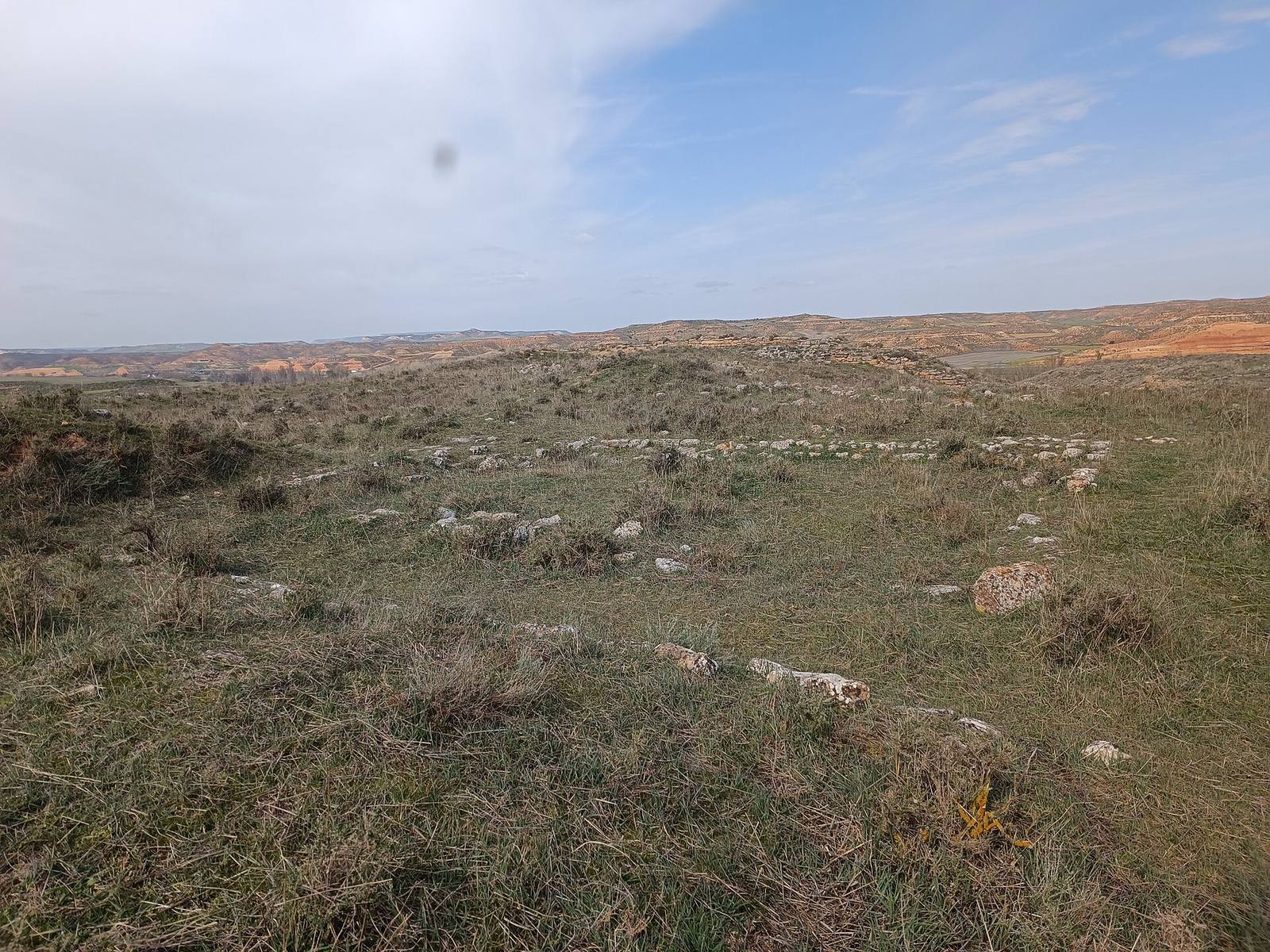
The remains occupy the flattened terraces of Cerro Villar, with residential and public areas set within a system of defenses. The cemetery lies nearby, on Cerro de San Pedro. The arrangement of walls and buildings follows the hill’s terraced landscape.
Defenses and residential areas
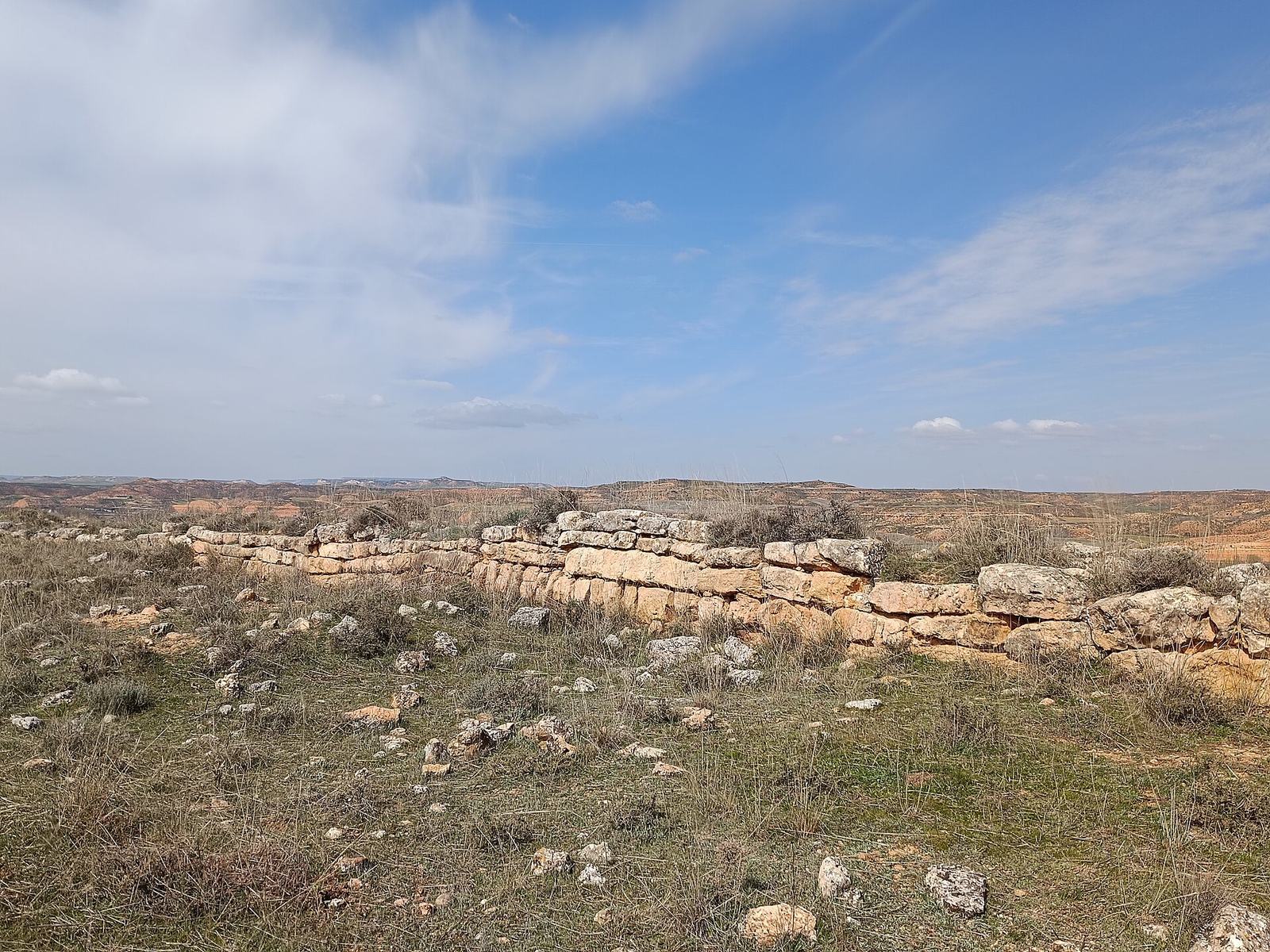
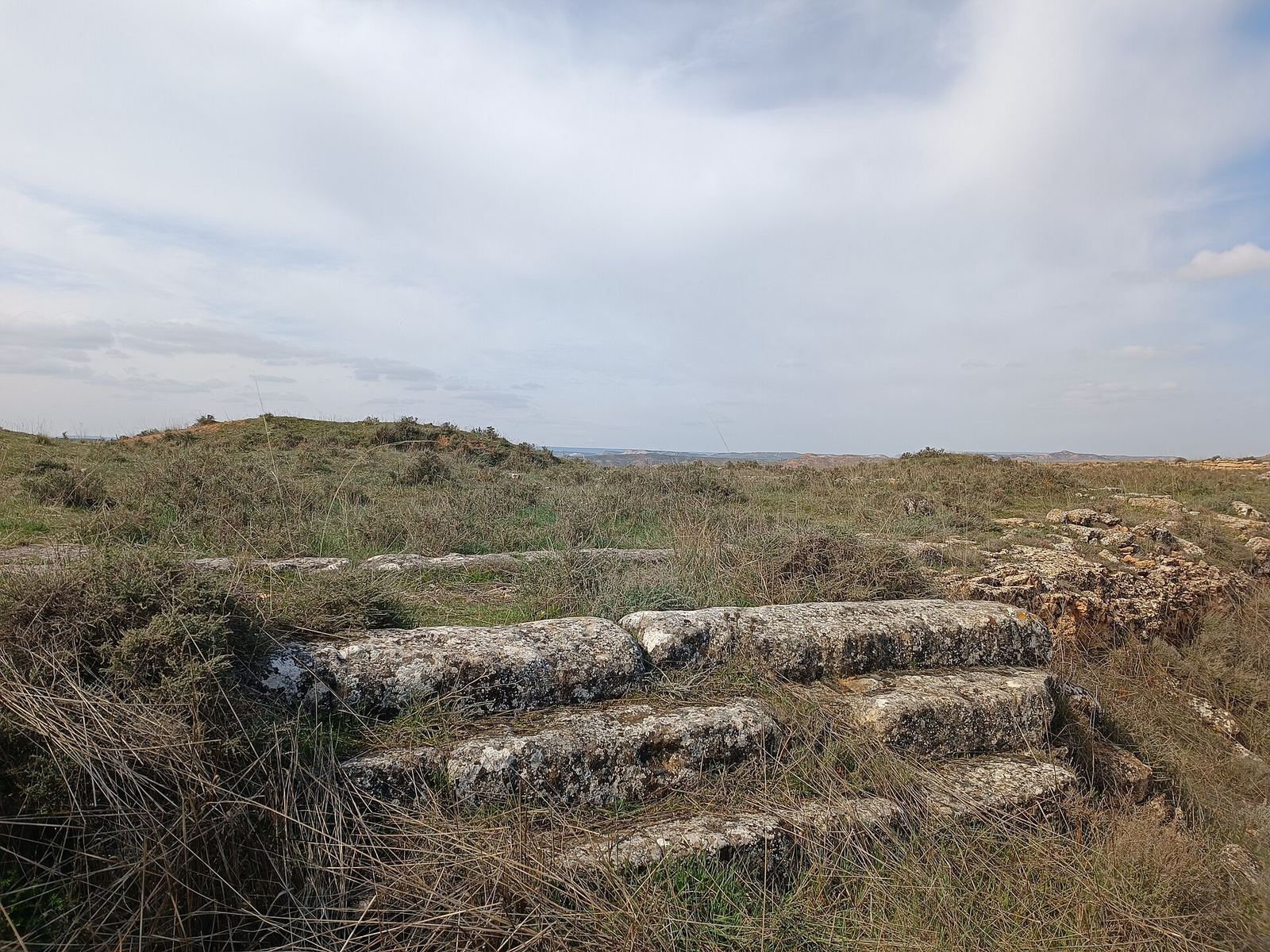
Two rings of defensive walls follow the hill’s terraces, reaching up to three metres thick in places. A separate wall encloses the acropolis, the city’s elevated fortified center. A stair beside a wall provides access to it. Small houses, loosely arranged, have been excavated on the first terrace.
Roman public buildings
Beyond the second wall, the next terrace contains public buildings from the Romanized city. These include baths and cisterns, as well as the Praetor’s house, associated with a senior Roman magistrate, and a temple.
Baths
The bath complex covers about 700 square metres, with approximately half its area occupied by the building and half left open to the air. In the changing room, remains of wall lockers are still visible, and excavation revealed a notable floor. From this room, bathers could enter either a caldarium (hot room) or a small covered frigidarium (cold-bathing room). The hot room led to a larger tepidarium (warm room), kept warmer than the surrounding air. A hypocaust (heating system that warms rooms from below) lay beneath the hot and warm rooms.
Temple and possible theater
On the northeastern slope, the temple has a rectangular plan measuring 40 by 14 metres and is divided into two aisles. It may have had a gallery at the far end. A possible theater survives on the same side of the terrace.
Forum, market, and house
A fountain is discernible in the upper part of the forum, the city’s central civic space. On its eastern side, a market building retains eleven column bases in its covered colonnade, along with entrances to the shops. The same block contains a house with floors made of opus signinum, a Roman building material incorporating crushed pottery, and an atrium with four columns.
Necropolis
The necropolis at Vallunquer, on Cerro de San Pedro near the settlement, appears to have been used from the seventh or sixth century BCE until the second century CE. Each grave held an individual cremation. Ashes were placed in one or more ceramic urns or, in some cases, directly in a pit. The burials had relatively few accompanying objects, including weapons, bracelets, brooches, necklace beads, and tools. Burial spaces were covered with stone or with mounds made of stone and adobe.