Mausoleum of Gallienus: A Roman Imperial Tomb on the Appian Way
Site at a Glance
- Popularity
- Low
- Country
- Italy
- Primary era
- Classical
- Eras represented
- Classical
- Civilizations
- Roman
- Site type
- Burial
- Remains
- Tomb
On this page11 sections
History
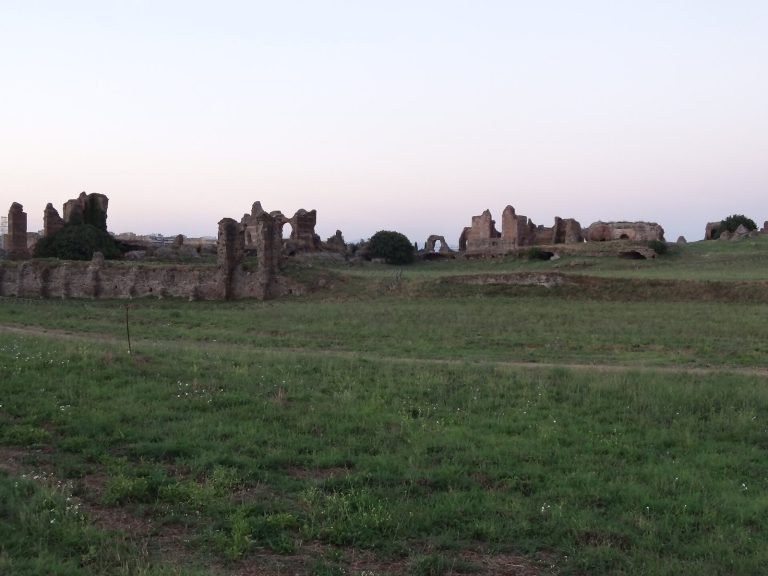
The Mausoleum of Gallienus is a Roman tomb on the ancient Appian Way near Rome, Italy, traditionally identified as the burial place of Emperor Gallienus. He ruled from AD 253 to 268 and was murdered and buried in 268.
Ancient burial accounts
The ancient imperial history Epitome de Caesaribus places Gallienus’s tomb at the ninth mile of the Appian Way. It also says that Flavius Severus, a Roman emperor of the early fourth century, was buried there after being killed in 307. Another ancient history, the Origo Constantini imperatoris, locates Gallienus’s monument at the eighth mile. A horse-changing station was thought to have stood nearby, perhaps called ad Nonum, meaning “at the ninth mile.”
Medieval reference and later identification
A document from 954 mentions an estate called Palumbario and a deserted church dedicated to the Virgin Mary, Mother of God. It describes the church’s monument as a round crypt, but the identification of that monument with this mausoleum is uncertain. The mausoleum is also known as the Torraccio del Palombaro, a name associated with the Palombaro estate and with other nearby tombs, including one across the ancient road.
In 1837, the Italian antiquarian Antonio Nibby assigned the mausoleum to the Severan era, the period of a Roman dynasty that ruled in the late second and early third centuries. He placed Gallienus’s textually recorded tomb in another monument across the road, farther toward Rome. Luigi Canina later identified this mausoleum as Gallienus’s tomb.
Excavation and modern study
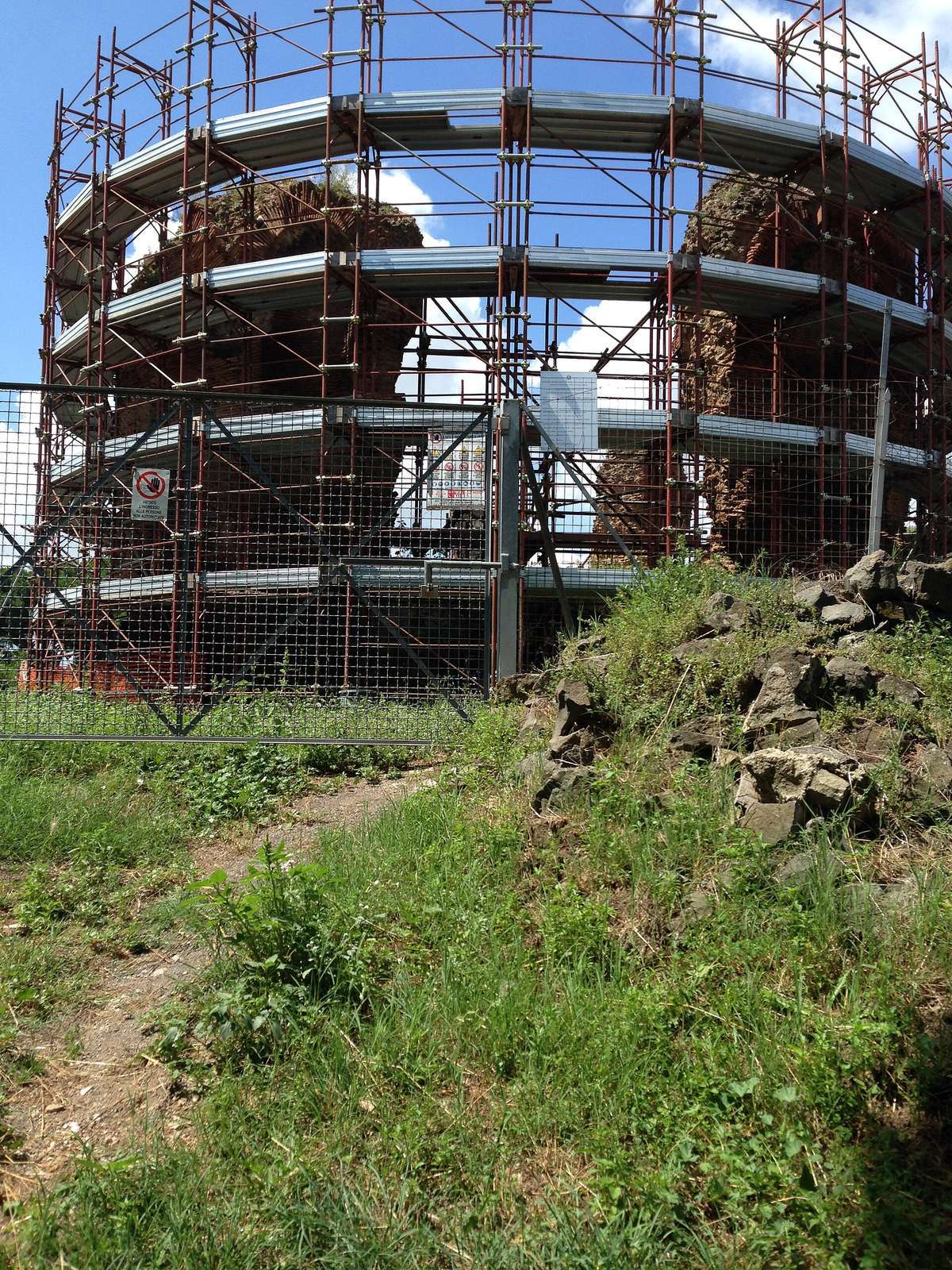
The Scottish painter and antiquarian Gavin Hamilton directed excavations on the Palombaro estate in the eighteenth century. Peter Marzolff and Peter Grossman studied the mausoleum in 1959, but their work was not published. Restoration began in 2013.
Remains
Mausoleum structure
Overall form
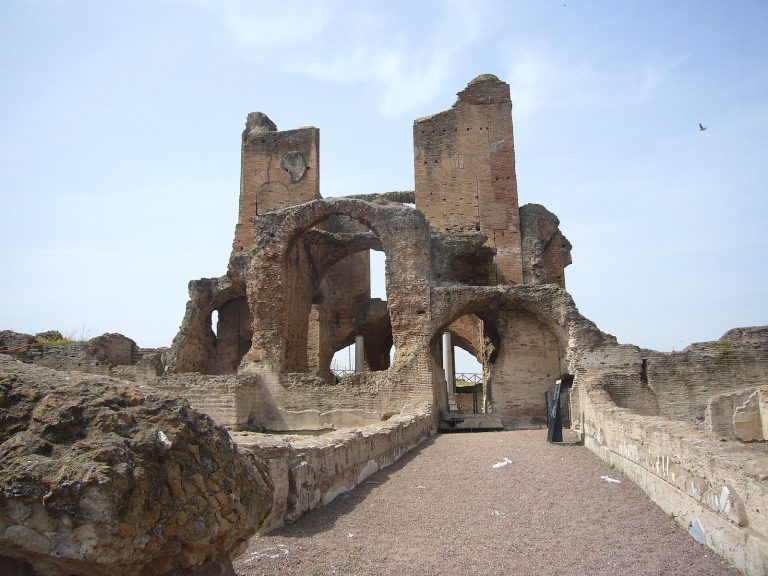
The surviving structure rests on a circular base about 13 metres across. Built of brickwork and originally faced with marble, the tomb had a drum-shaped exterior and a dome.
Exterior
Niches articulated the outside of the drum. The building was probably encircled by 16 columns with Corinthian capitals.
Interior layout
The interior was arranged on two levels. Below, a broad central passage opened into two rectangular chambers, each ending in a semicircular recess intended to hold a sarcophagus. Above, a large circular hall had alternating semicircular and rectangular niches around its walls.
Stonework and columns
Nibby noted Alban stone near Doric capitals, as well as marble Corinthian capitals of different sizes. Canina described fragments of large columns and fluted pillars with bases and capitals framed in marble.
Sculptures
Sculptures recovered during Hamilton’s excavations are now dispersed among museums and private collections. They may have come from Gallienus’s villa, near which the monumental tomb was thought to have been built.