Kara Mustafa Paşa Caravanserai: An Ottoman Religious and Commercial Complex in Kayseri
Site at a Glance
- Popularity
- Medium
- Country
- Turkey
- Primary era
- Early Modern
- Eras represented
- Early Modern, Modern
- Civilizations
- Ottoman
- Site type
- Economic
- Remains
- Caravanserai
History
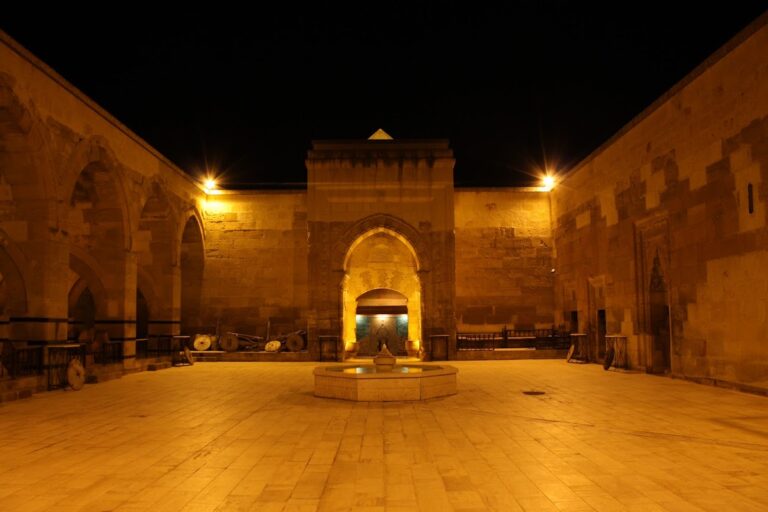
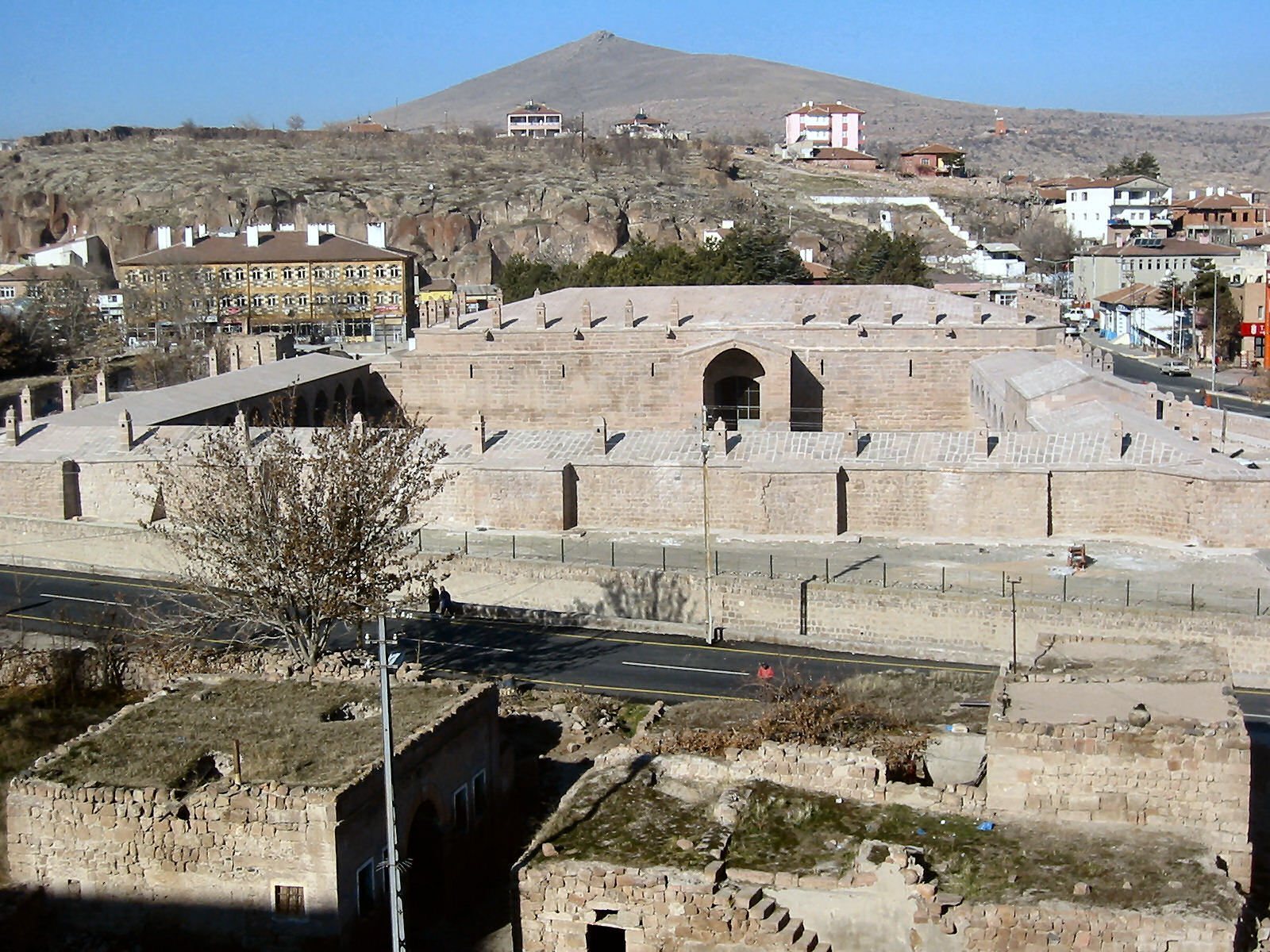
Kara Mustafa Paşa Caravanserai, also known as the Silahtarmustafapaşa Caravanserai, is an Ottoman complex built in 1660 at İncesu in Kayseri, Turkey, by Merzifonlu Silahtar Mustafa Paşa, a seventeenth-century statesman and vizier (a senior minister in Ottoman government). It served as a caravanserai, an inn for traveling merchants and caravans, and was established as a külliye, a complex serving religious, charitable, and sometimes commercial purposes.
An endowment deed, which listed resources assigned to support a charitable or religious foundation, was prepared eight years after the complex was completed. It indicates that five fountains, a tannery, a mill for producing linseed oil, a warehouse, a dyehouse, and a courthouse were also once part of the complex.
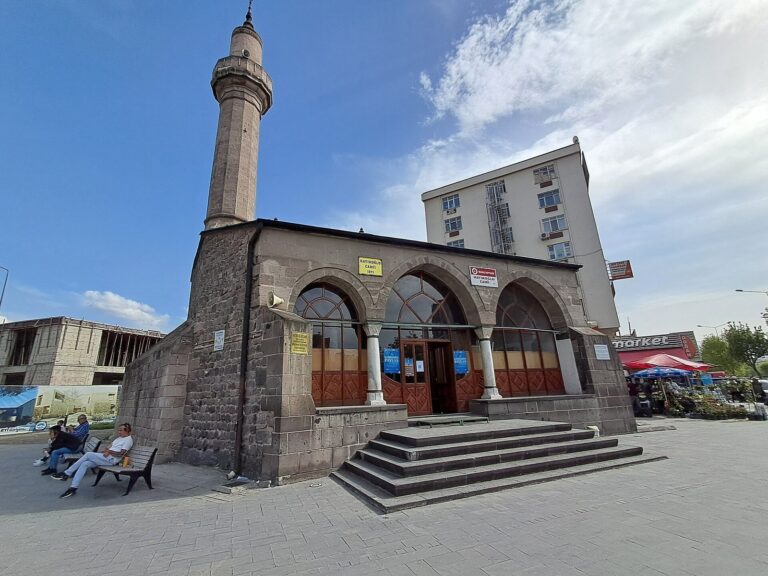
In 1860–61, workers partly repaired the mosque and courtyard wall and added a second storey above the shops. Inscriptions record these alterations. A further restoration campaign began in 2022 at the initiative of the Kayseri Governor’s Office.
Remains
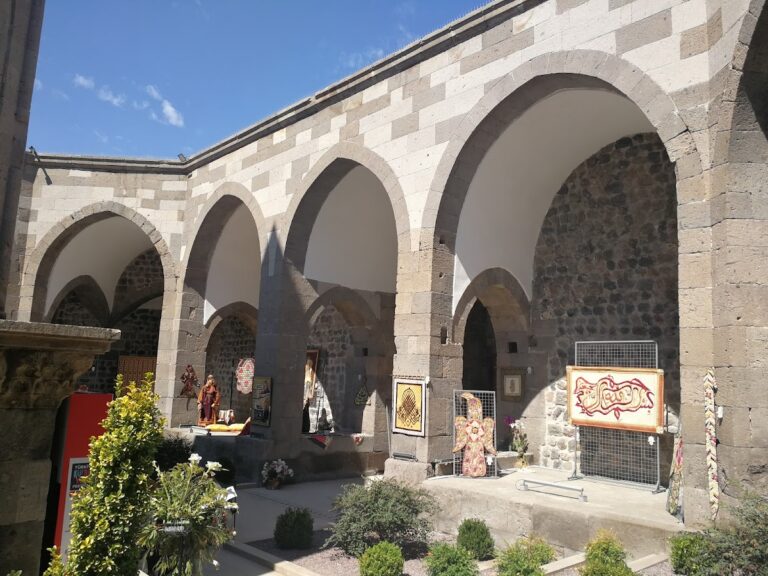
The complex brings together a caravanserai, bazaar, madrasa (a school for Islamic religious instruction), bath, mosque, and shopping area containing thirty shops. Its features also include winter quarters and a courtyard with arcades (rows of arches). Inscriptions are located at the mosque, the courtyard’s north gate, and above the shops. Restoration campaigns repaired the mosque in 1953–54, the bath in 1956, the caravanserai’s winter quarters in 1959–65, and the arcaded courtyard in 1972–75.