Hatıroğlu Mosque: A Seljuk-Era Mosque in Kayseri
Site at a Glance
- Rating
- 4.5
- Popularity
- Low
- Country
- Turkey
- Primary era
- Medieval
- External website
- Open
- Eras represented
- Medieval, Early Modern
- Civilizations
- Ilkhanate, Ottoman, Seljuk
- Site type
- Religious
- Remains
- Mosque
On this page7 sections
History
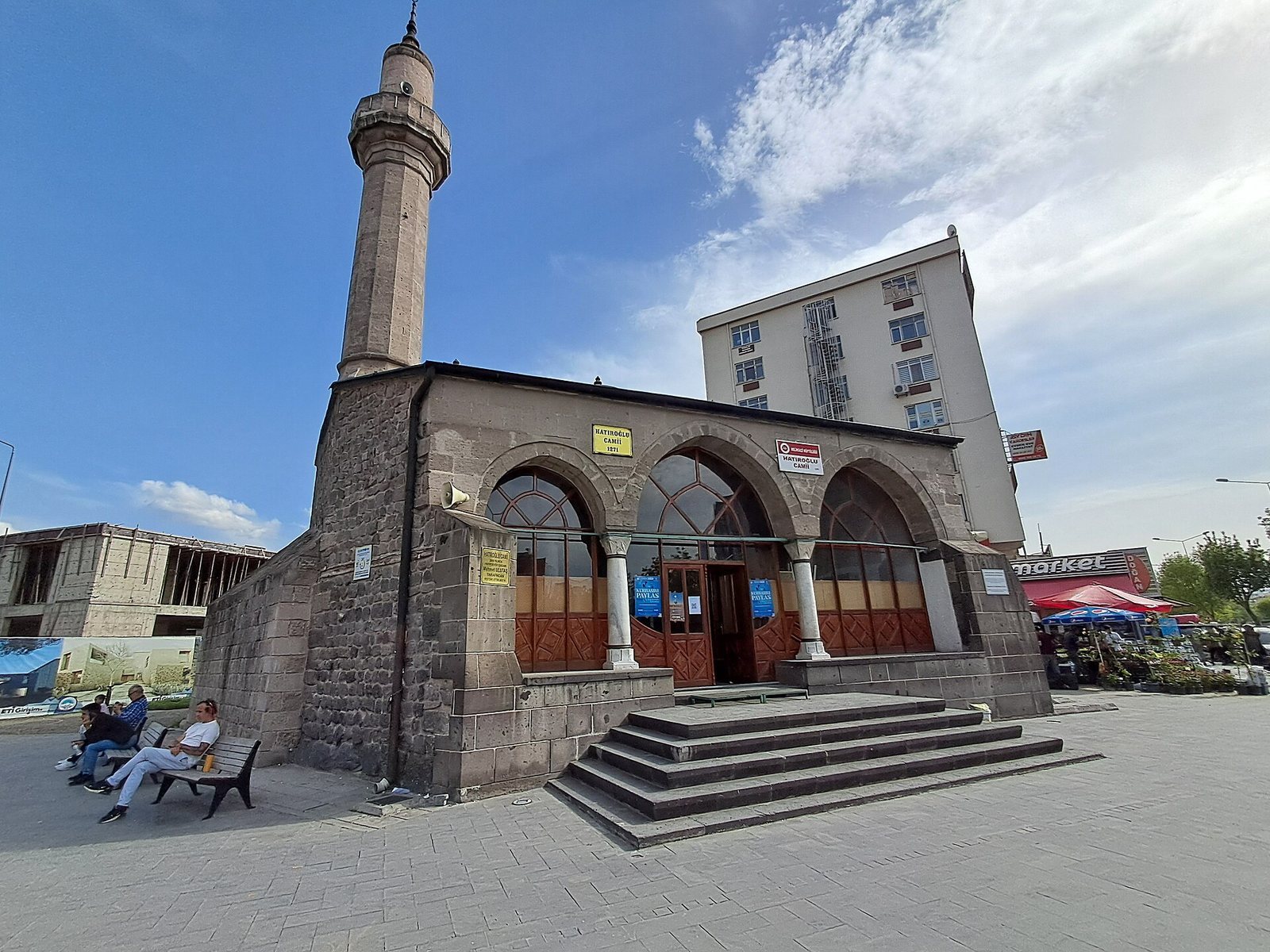
Hatıroğlu Mosque is a 13th-century mosque in Kayseri, Türkiye, generally dated to 1271 and attributed to Hatıroğlu Eşref Bey. An alternative date of 1222 is also given. Eşref Bey is described either as a Seljuk emir, a title for a senior official, or as an official serving under Mongol rule. The Anatolian Seljuk state, a medieval sultanate based in Anatolia, was under Mongol domination during this period.
Seljuk period and revolt
In 1276, Hatıroğlu Şerafettin Bey led a revolt against the Mongols in Kayseri. The uprising failed, and Şerafettin Bey was executed. The mosque’s association with this resistance made it one of the symbols of resistance in Anatolia.
Ottoman-era changes and repairs
Additions and restoration in the 16th century, during Ottoman rule, gave the mosque its present form. An earthquake in 1835 damaged the building and brought down its minaret. Repairs in 1867 included rebuilding the minaret.
A comprehensive restoration followed in 1912, during the reign of Sultan Reşat, also known as Mehmed V. In 2008, businessman and philanthropist Mehmet Ulutaş had the mosque restored. It continues to serve as a place of worship.
Remains
Layout and construction
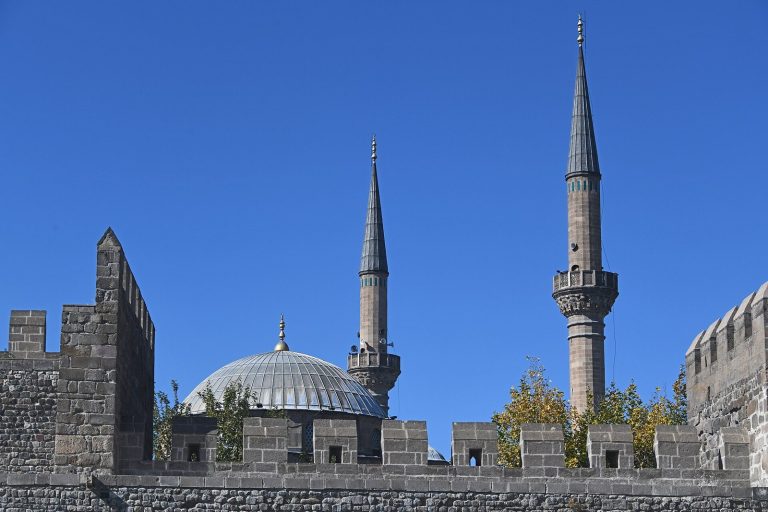
The mosque is built of cut stone and combines its original Seljuk design with Ottoman architectural features. Its layout brings together a prayer hall, a portico on the north side, and a minaret.
Prayer hall
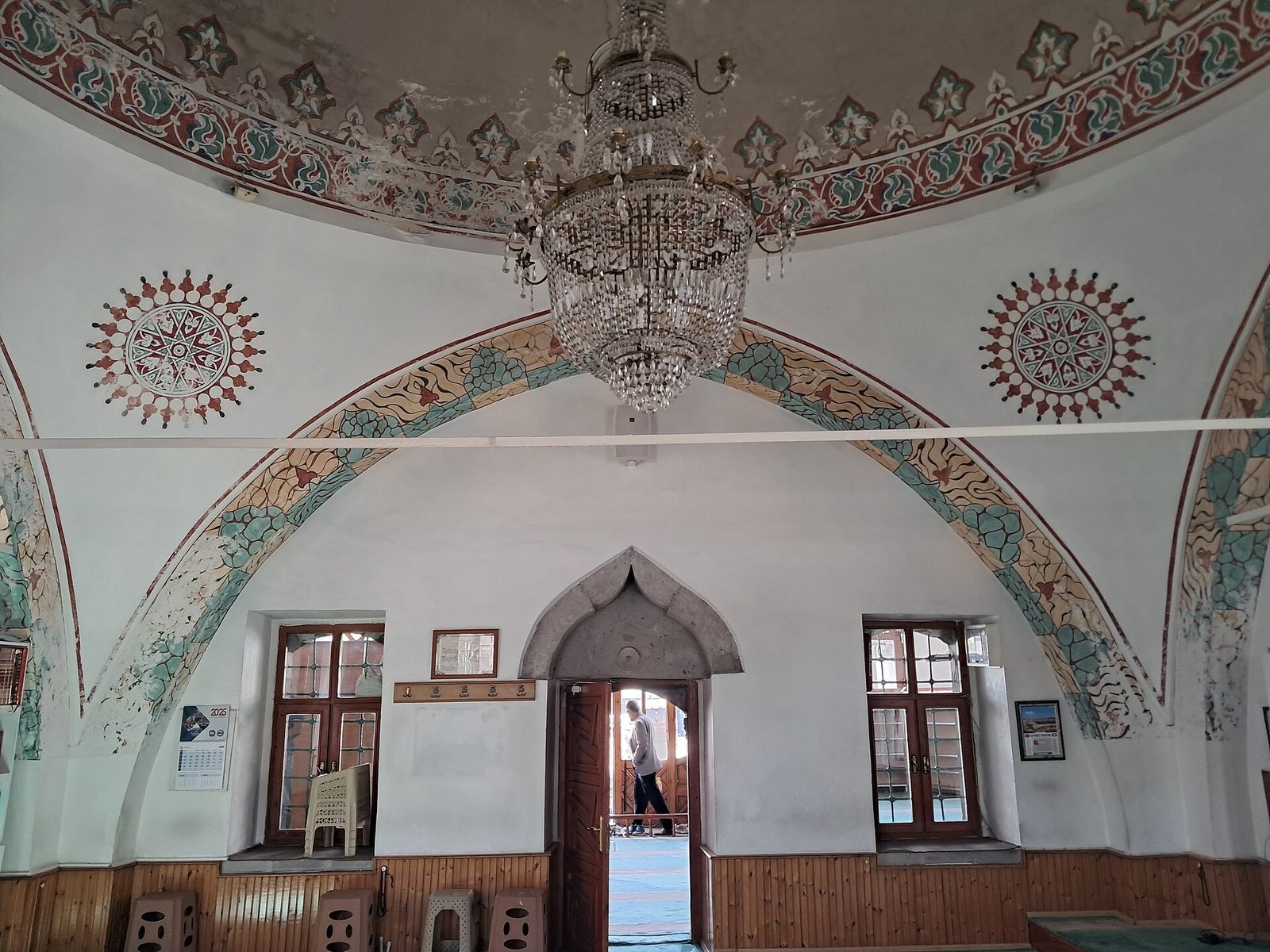
The prayer hall has a square plan and is covered by a single dome.
North portico and minaret
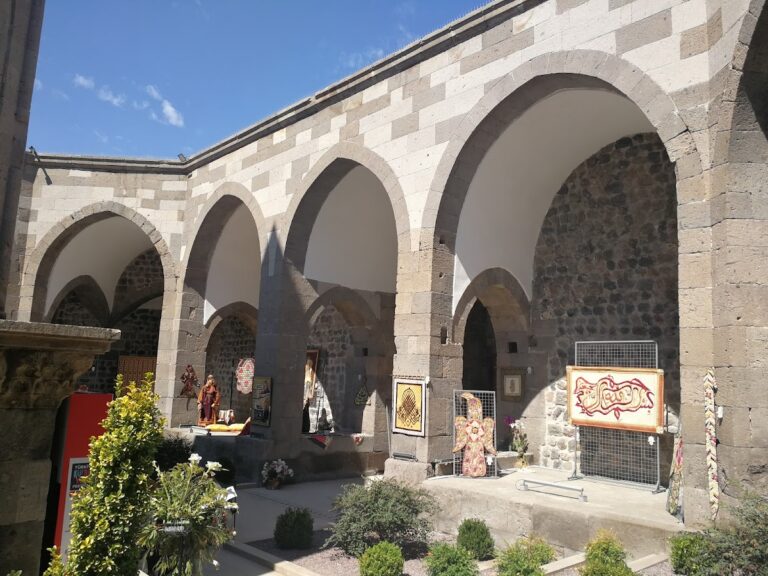
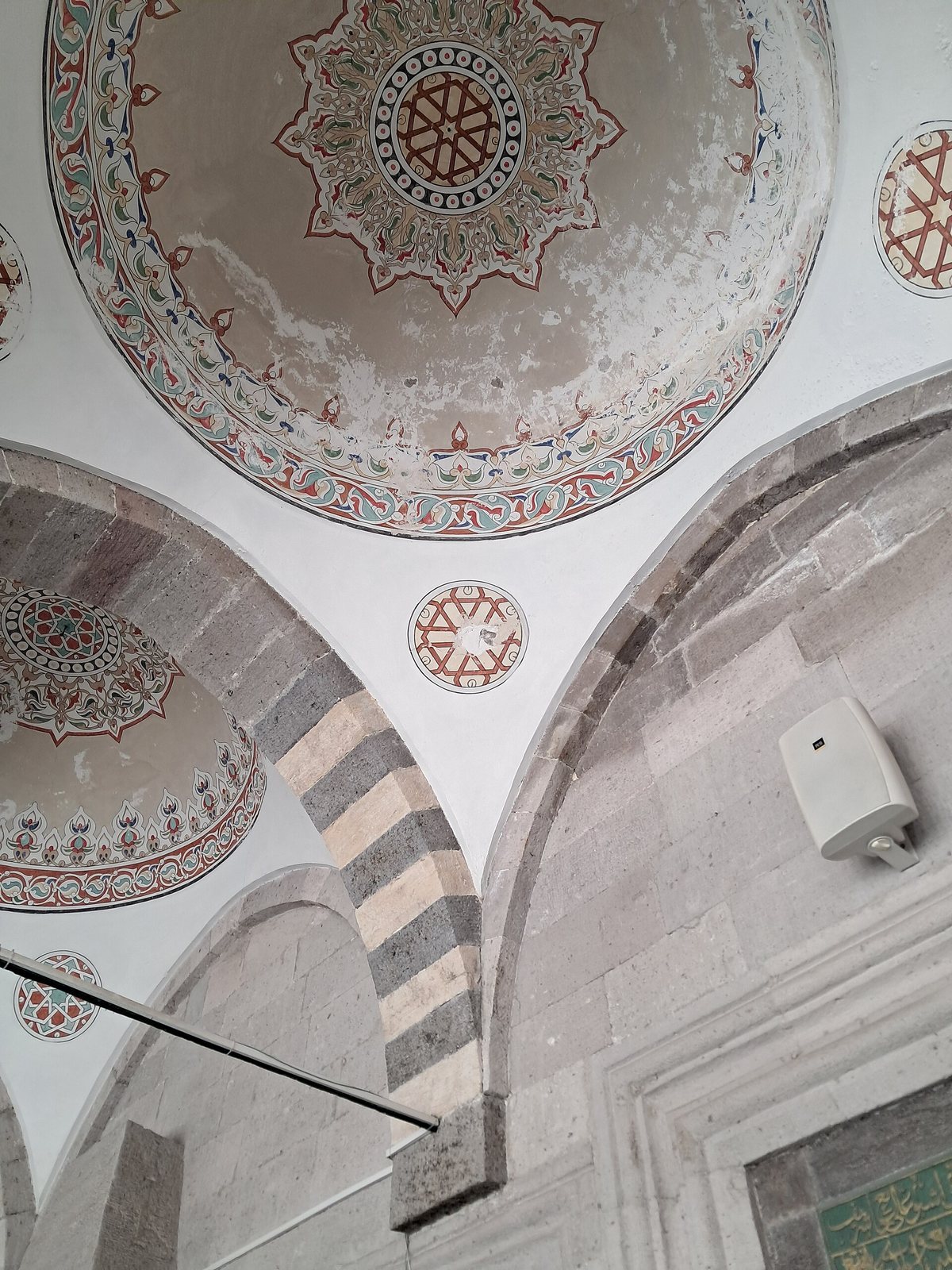
The portico along the north side is covered by three small domes. The rebuilt minaret is another part of the mosque’s surviving structure.