Rejep Pasha Mosque: An Ottoman Mosque on Rhodes
Site at a Glance
- Popularity
- Low
- Country
- Greece
- Primary era
- Early Modern
- Eras represented
- Early Modern
- Civilizations
- Ottoman
- Site type
- Religious
- Remains
- Mosque
On this page10 sections
History
Ottoman foundation
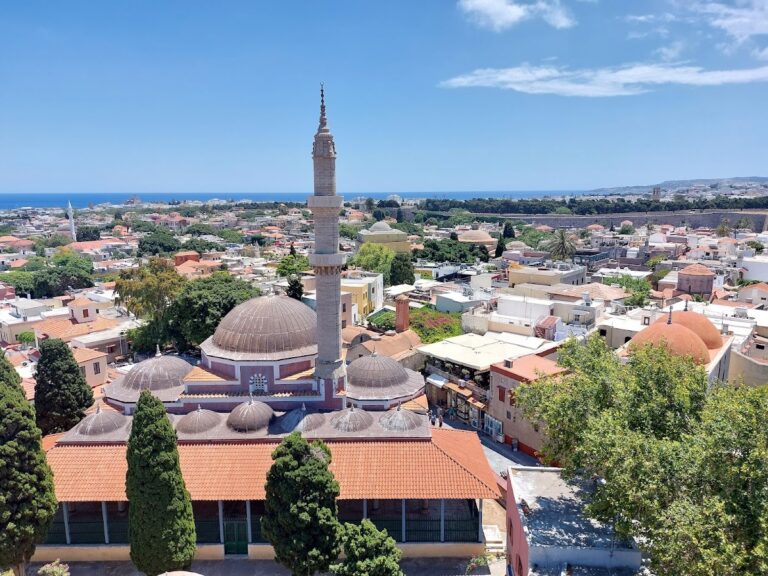
Rejep Pasha Mosque is an Ottoman mosque at Dorieos Square in the old city of Rhodes, Greece. Topal Recep Pasha, an Ottoman grand vizier, or chief minister, commissioned it in 1588, and it was completed that year. Its imperial Ottoman style belongs to the empire’s 16th-century golden age, a period of great political and cultural power.
After the Ottoman conquest of Rhodes in 1522, new mosques were built on the island, while some existing Christian churches were converted for Muslim worship. During Ottoman rule, Rhodes had 27 mosques; seven survive, including Rejep Pasha Mosque.
Neglect and proposals
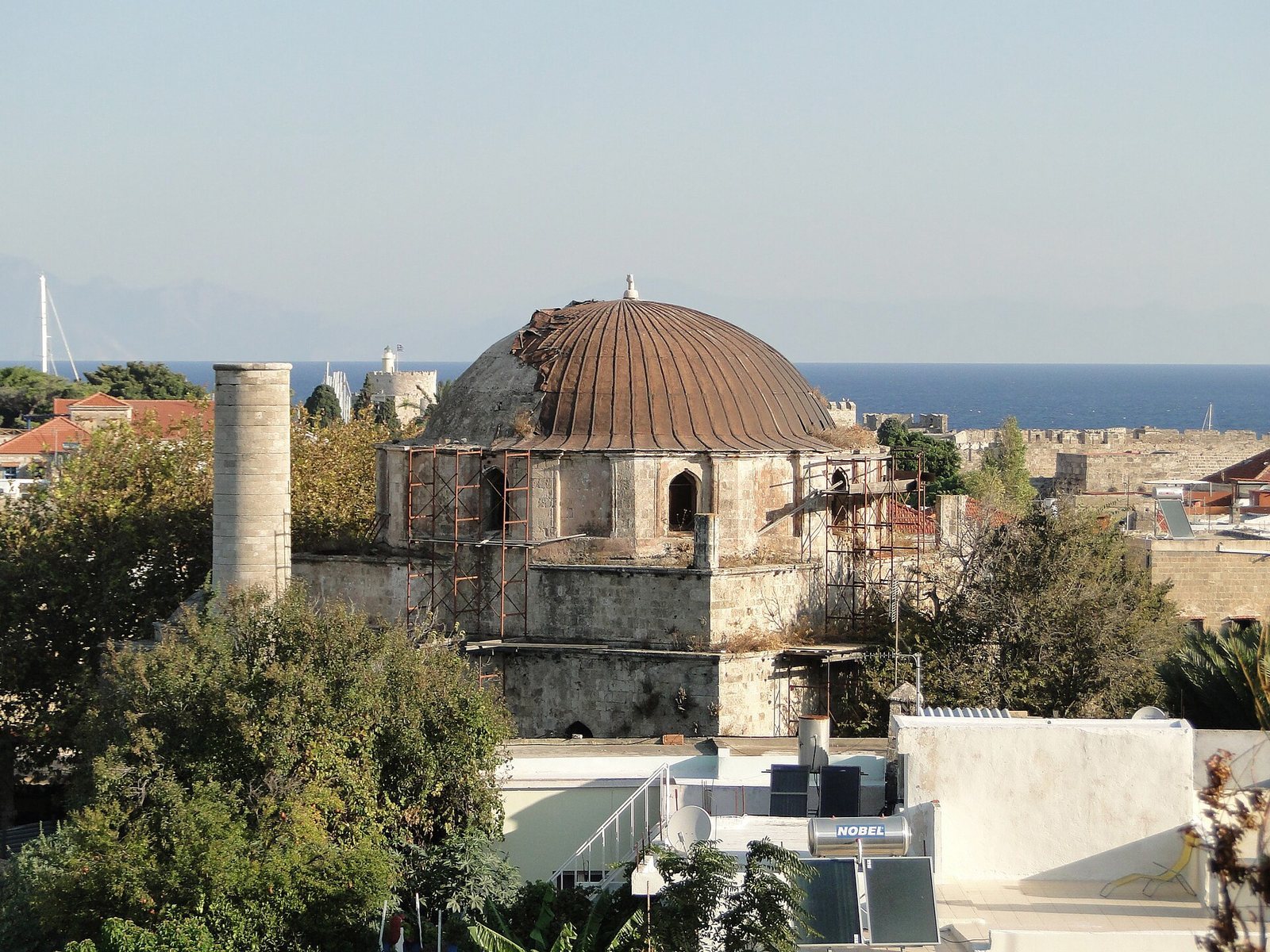
Prolonged neglect left the mosque in poor condition. In December 2011, damage to the complex led to repairs being halted for lack of resources. The mosque has been closed for worship for more than 25 years, and no repairs have been completed. A proposal has been made to convert it into a museum of Islamic art after restoration.
Remains
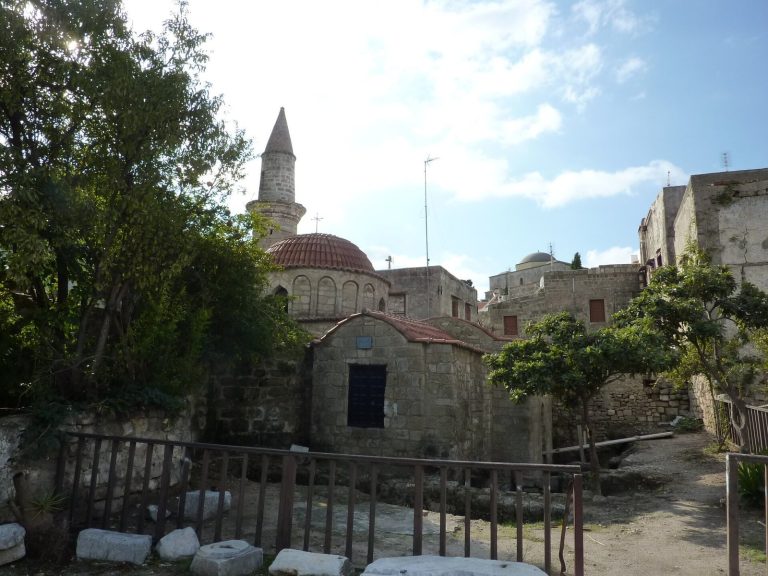
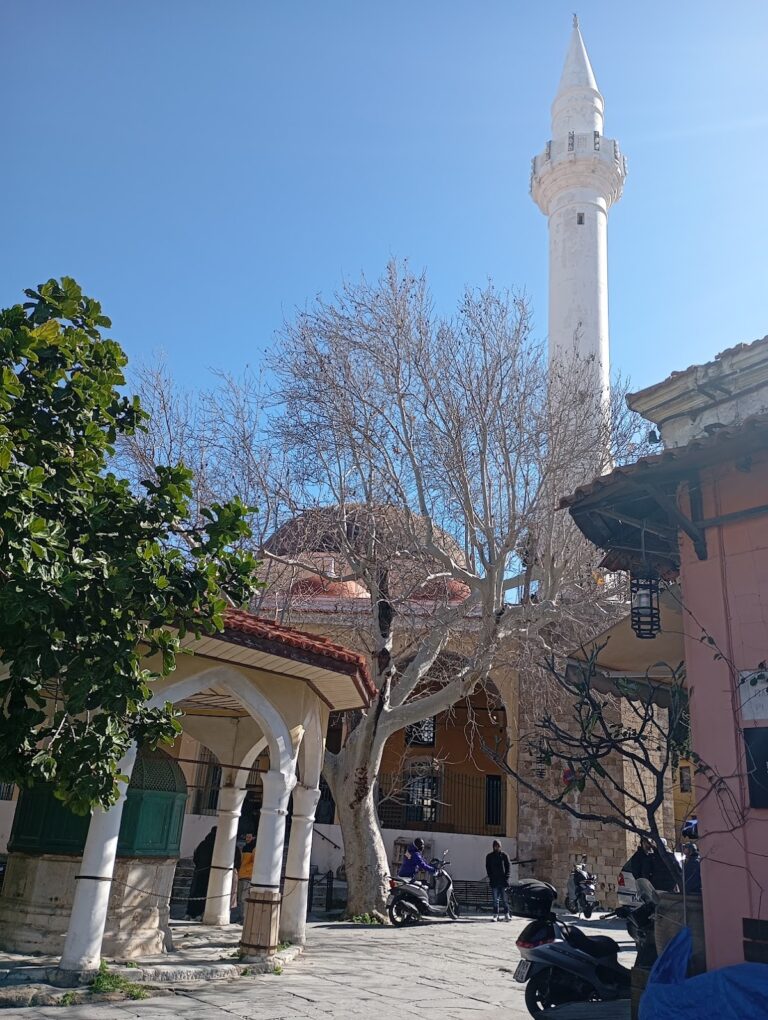
The complex stands in the central part of the old city’s Turkish quarter. Cut stone and brick were used to build the mosque, with an ablution fountain to its west and a mausoleum to its east, within the courtyard.
The mosque
Exterior and structure
A large dome rests on four columns, two of which have collapsed. The mosque also has a single minaret and a two-domed portico, a covered entrance porch that is now severely ruined. The minaret is partly collapsed, while its base has especially elaborate decoration. Three levels of simple moulded cornices run across the exterior. Carved arches frame the windows, with more ornament on the lower levels and plainer forms nearer the dome. A many-sided band marks the change from the dome’s 16-sided drum, the wall beneath the dome, to its circular form. More elaborate decoration surrounds the central doorway. An inscription above the entrance records the dedication and expresses the hope that the building would uplift the spirit. The complex may have been built by an architect associated with the school of Mimar Sinan, a leading Ottoman architect.
Interior
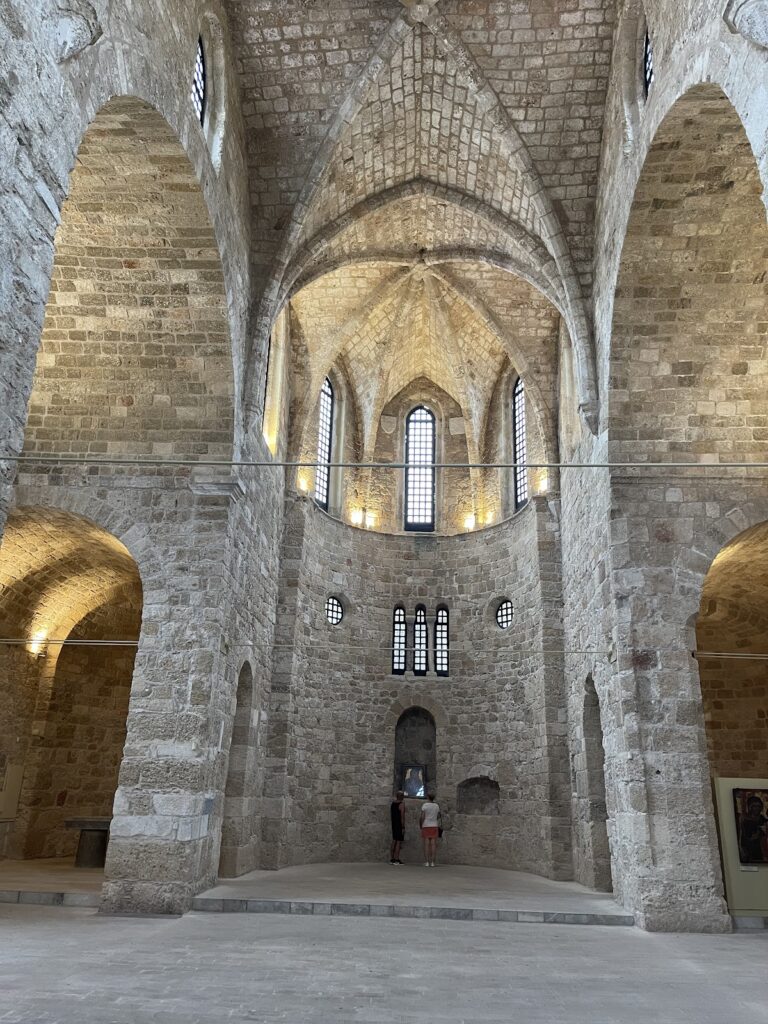
Sixteenth-century Iznik tiles, part of an Ottoman ceramic tradition associated with the town of Iznik, carry verses from the Quran, Islam’s central sacred text, in fine calligraphy. Painted floral panels above the windows use colours and patterns associated with Iznik ceramics. The mosque also incorporates single-stone columns taken from earlier Christian buildings.
Associated structures
Ablution fountain
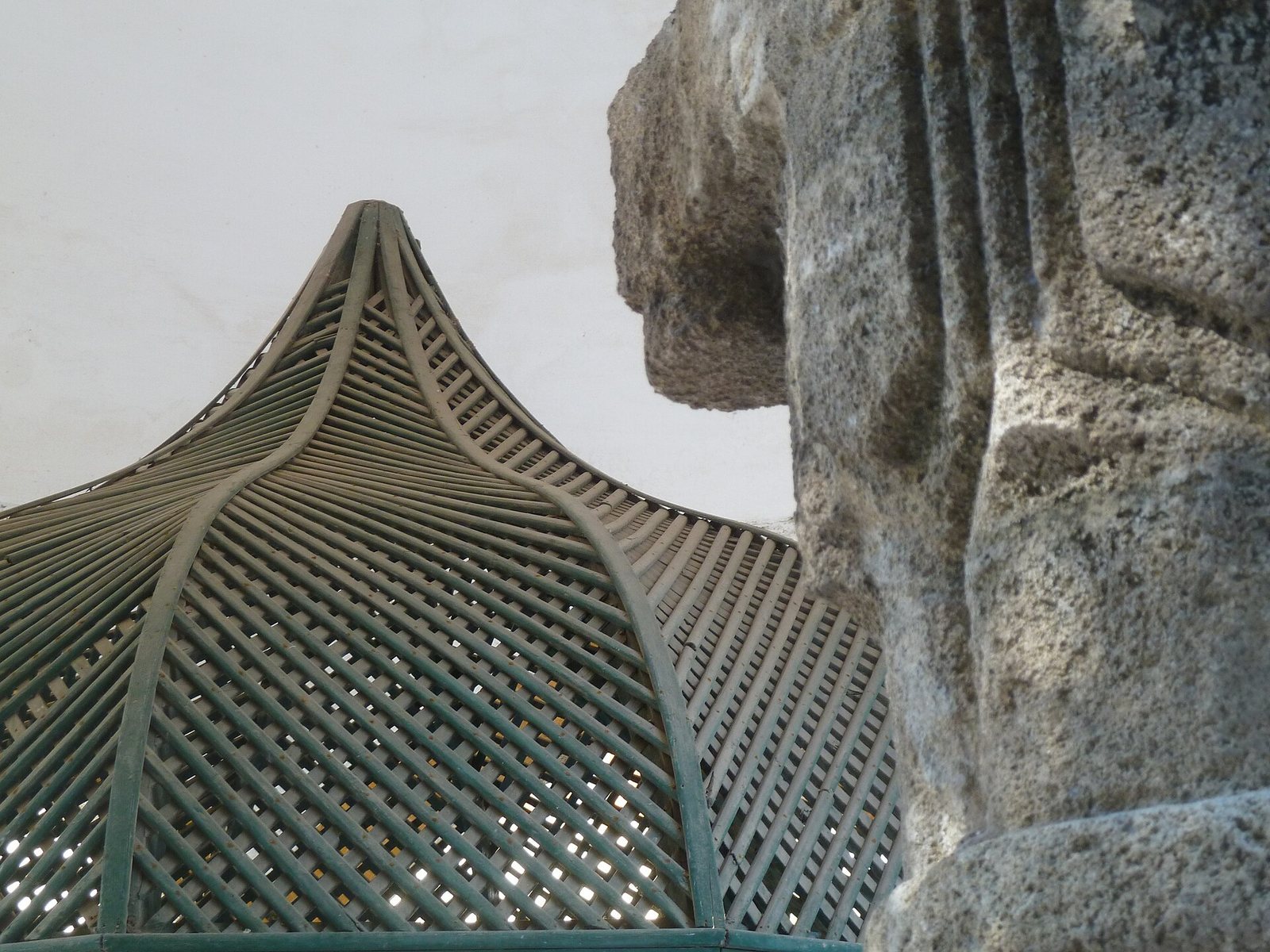
The octagonal fountain west of the mosque has survived in good condition. It was used for ablution, the ritual washing performed before Muslim prayer.
Mausoleum
The mausoleum east of the mosque stands within the courtyard and is covered by wild vegetation. It contains Recep Pasha’s sarcophagus. Its windows are embellished with interlocking wedge-shaped stones that form arches.