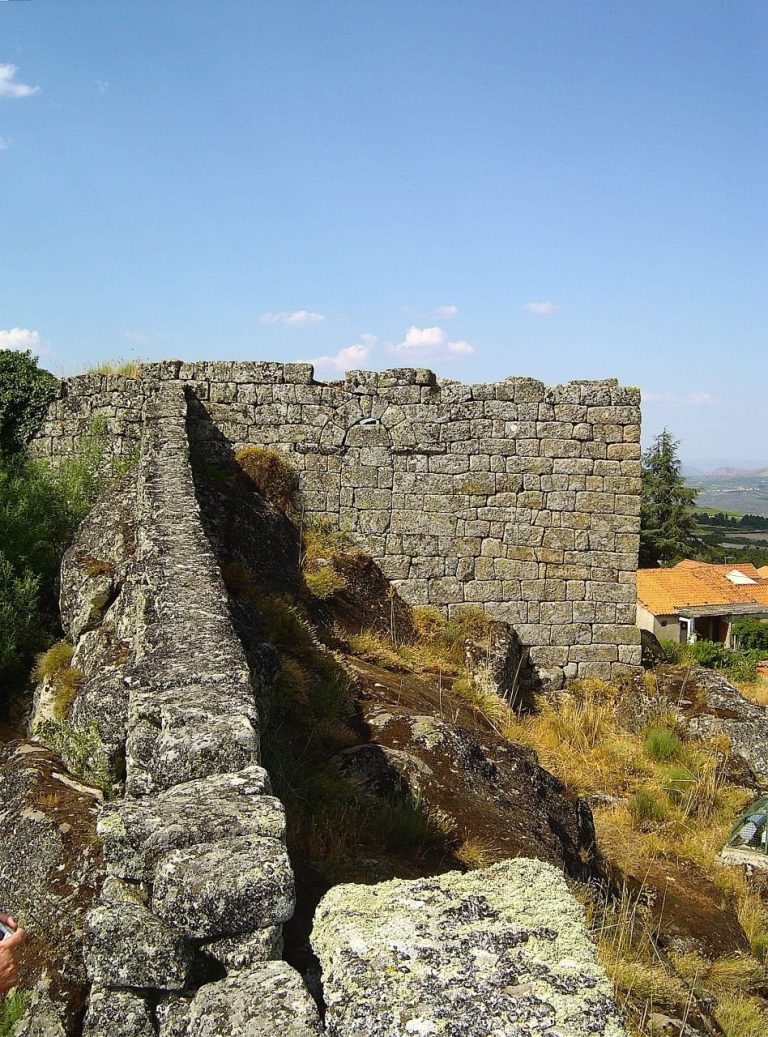
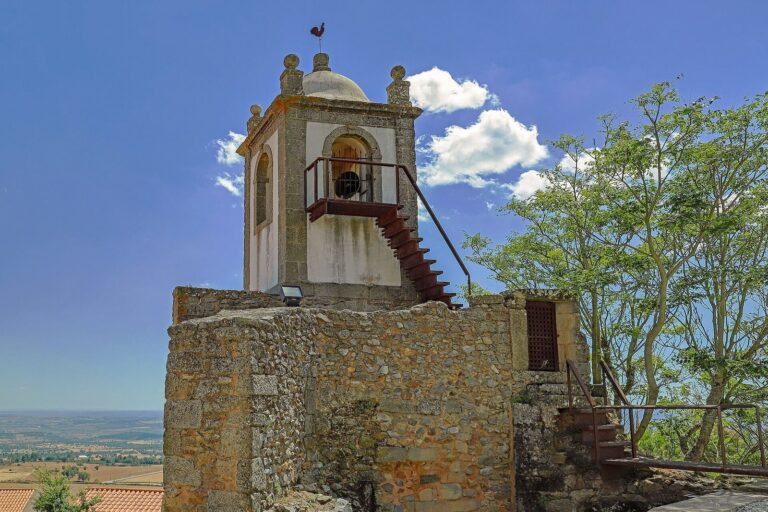
Prehistoric Rock Art Sites in the Côa Valley: An Open-Air Paleolithic Complex in Portugal
Site at a Glance
- Popularity
- High
- Country
- Portugal
- Primary era
- Stone Age
- Eras represented
- Stone Age, Bronze Age, Iron Age, Early Modern, Modern
- Civilizations
- Celtiberian
- Site type
- Civic
- Remains
- Rock Art
On this page13 sections
History
Prehistoric Rock Art Sites in the Côa Valley form an open-air Paleolithic rock-art complex in northeastern Portugal, near the Spanish border. The engravings date broadly from about 22,000 to 10,000 BC and span the Gravettian, Solutrean and Magdalenian, successive cultural phases of the Upper Paleolithic. When engraving ended during the Magdalenian remains uncertain.
Discovery and the dam dispute
Engravings at Canada do Inferno were identified in 1991, as plans were being developed for a dam at Vila Nova de Foz Côa. A survey in 1992 recorded archaeological sites and an engraved panel, but the discoveries were not made public until November 1994. Archaeologist Nélson Rebanda, who had been studying the valley through an arrangement involving Portugal’s national energy company, EDP, and its architectural heritage agency, IPPAR, helped bring them to wider attention.
The proposed dam would have placed the valley beneath more than 100 metres of water. Dating commissioned by EDP placed the engravings between 5,000 and 100 years before present, but scientists rejected the results because they considered the method unsuitable. The ensuing dispute, known as the Battle of Côa, prompted public protests and calls in Portugal and abroad to protect the carvings.
In December 1994, French prehistorian Jean Clottes investigated the valley for UNESCO. An initial UNESCO assessment did not reach agreement on whether the dam should be cancelled. Clottes described Côa as the largest open-air Paleolithic art site in Europe, possibly the world, while also noting that rising water might shield carvings from vandalism. A later UNESCO delegation, led by archaeologist Mounir Bouchenaki, concluded that a large proportion of the images dated to the Paleolithic.
After an election and change of government, Prime Minister António Guterres cancelled the dam project in November 1995. The Pocinho Dam and reservoir, built in the twentieth century, probably submerged many drawings on rock faces.
Research and recognition
Archaeological study and cataloguing continued from 1995. Direct dating of the engravings proved unsuccessful, so researchers have relied on comparisons with Paleolithic cave and portable art, alongside archaeological evidence from the region. Organic material is often too poorly preserved for radiocarbon dating; thermoluminescence, which estimates when mineral material was last heated or exposed to light, has been used more often.
Research following the discovery identified more than 30 Upper Paleolithic sites in the region, with evidence for Gravettian and, to a lesser extent, Solutrean and Magdalenian occupation. Excavations at Fariseu took place in 1999 and again in 2005. The Archaeological Park of the Côa Valley and the National Centre for Prehistoric Art were established in May 1997 to support research and preservation.
Part of the site became a national monument in 1997. UNESCO added the Côa Valley rock-art site to the World Heritage List in 1998 under criteria recognizing exceptional creative achievement and exceptional testimony to a cultural tradition. In 2010, the World Heritage property was extended to include Siega Verde in Spain.
A design competition for the Côa Museum was held in 2004, and construction began in January 2007. The museum was created to support research and public presentation of the valley’s archaeological heritage.
Remains
The archaeological park covers about 200 square kilometres. Its rock-art locations extend along the final 17 kilometres of the Côa River and into tributary valleys. In the lower valley, which runs south to north at about 130 metres above sea level, rolling hills include river scrub, vineyards, olive and almond trees, pasture and fields. An inventory counts 23 locations: ten on the Côa’s left bank, eight on its right and five along other tributaries of the Douro.
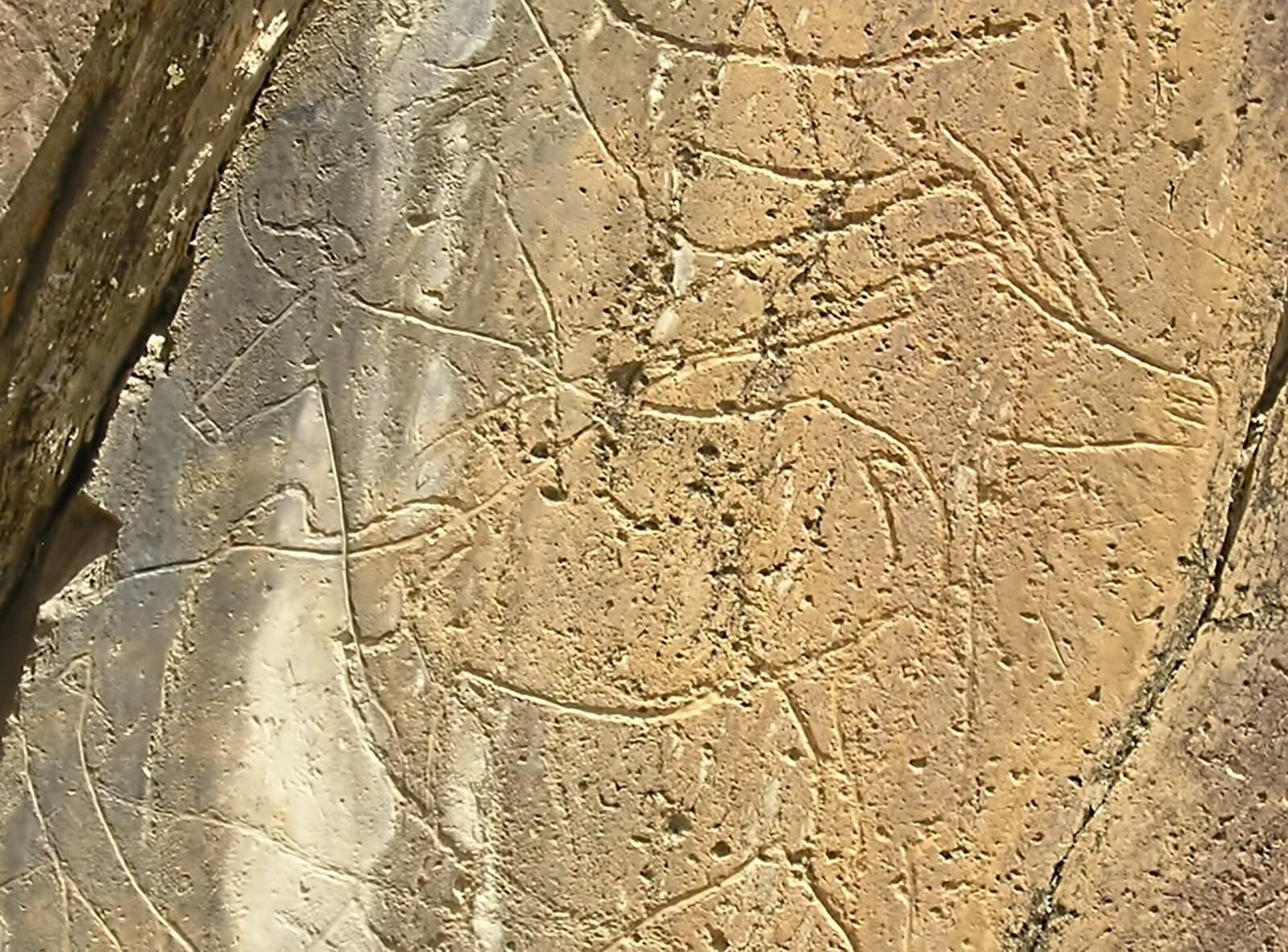
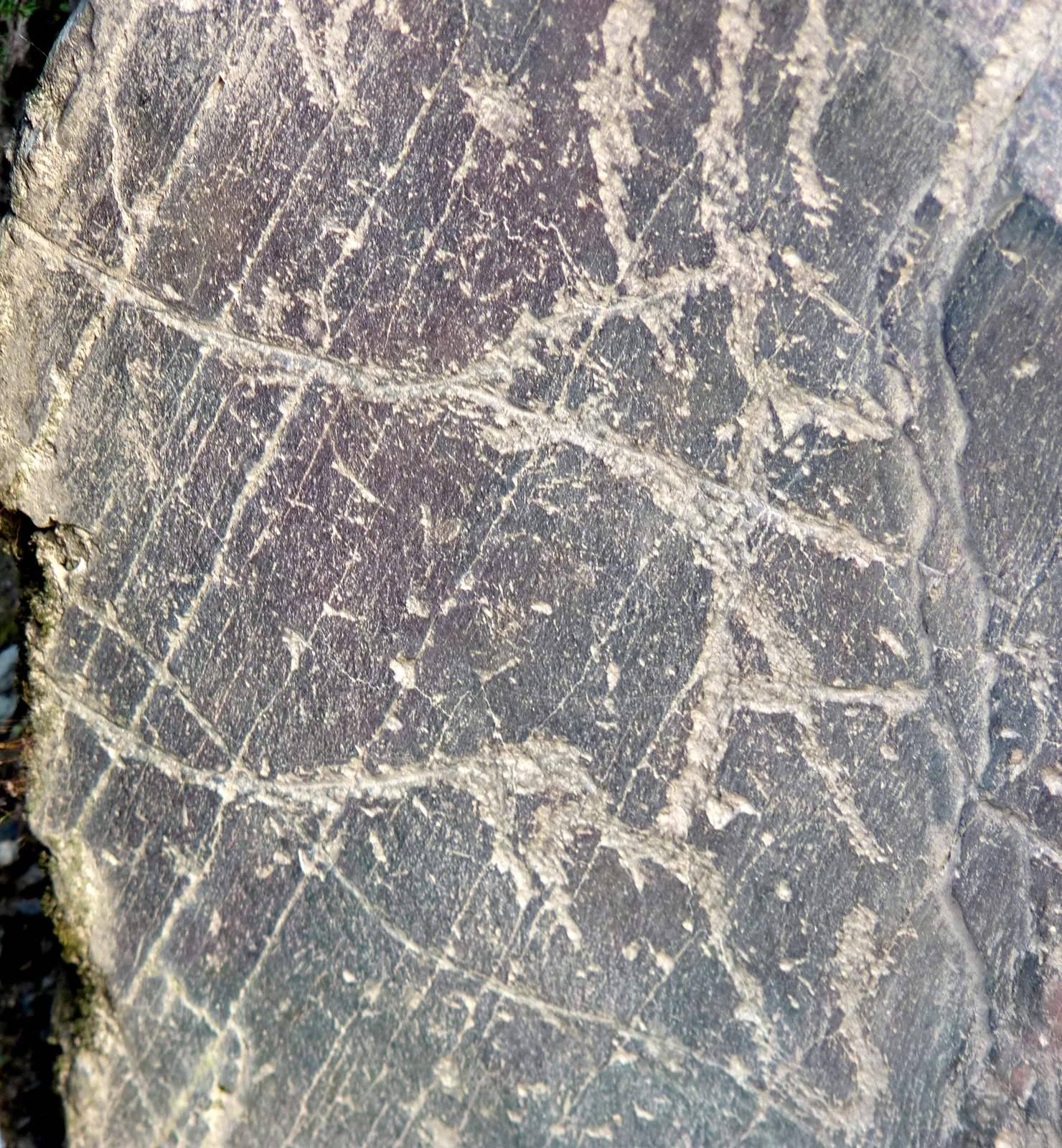
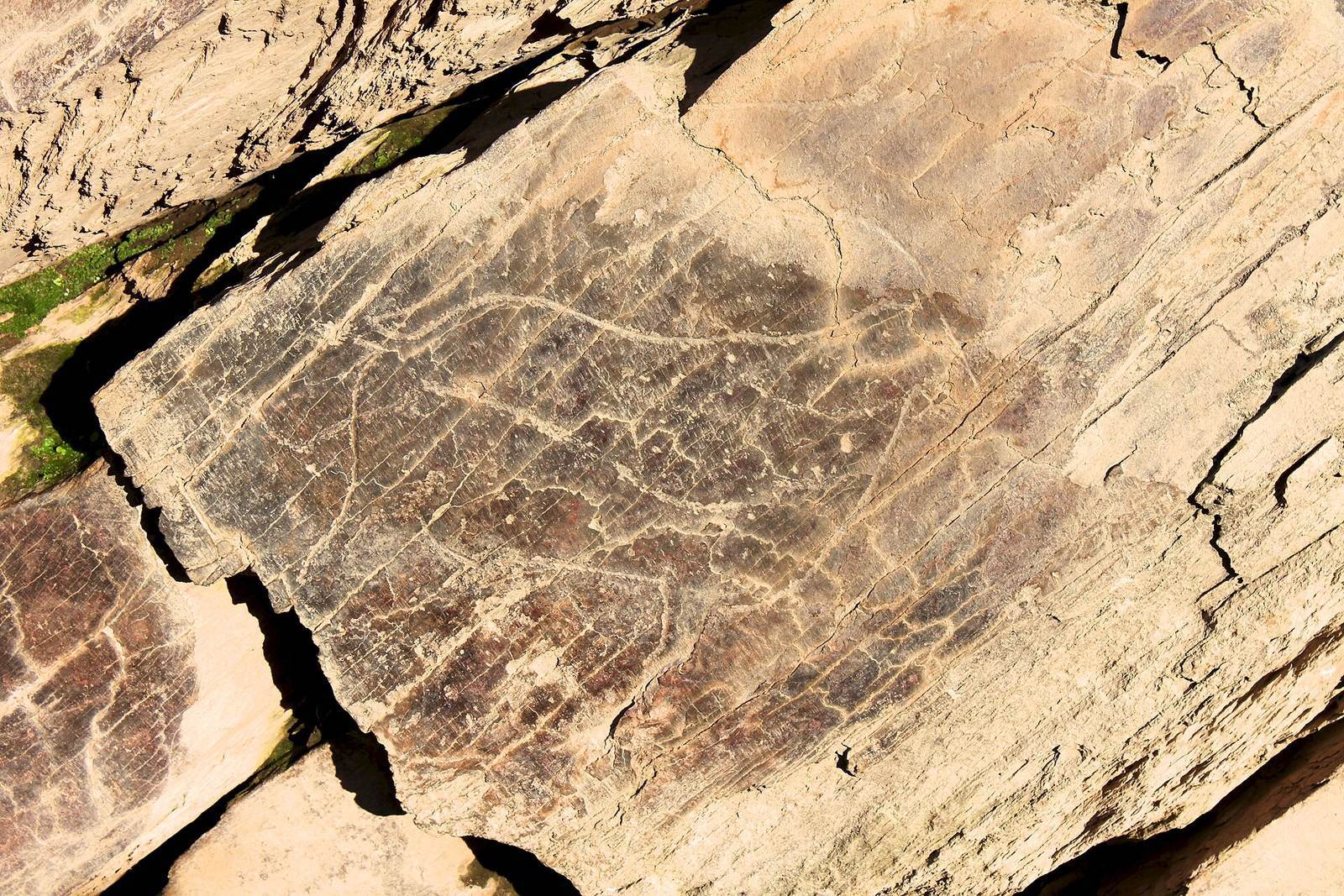
Rocky granite and schist outcrops occur around the 17-kilometre point. Schist is a metamorphic stone with visible mineral layers. In the valley’s final stretch, it forms relatively flat, smooth surfaces suited to engraving, unlike the less favourable granite farther upstream. Most Paleolithic images occupy vertical schist faces, where artists cut, hammered, grooved or scraped lines into the stone, sometimes using several methods together.
Paleolithic engravings
Animals and panel composition
A 2007 inventory counted about 335 decorated surfaces and more than 2,000 motifs in 30 groups, 15 of them attributed to the Upper Paleolithic. A separate catalogue of older art recorded 137 rocks bearing about 1,000 carvings and a small number of paintings. Images range from about 15 to 180 centimetres, with most measuring 40 to 50 centimetres. Horses, aurochs, caprines and deer are prominent, alongside fish and animals that are harder to identify. Aurochs were wild cattle that are now extinct, while caprines belong to the goat-and-sheep group. Deer are particularly associated with the final Magdalenian phase.
Figures often overlap, whether made in separate periods or during the same phase, and panels combine strong lines with finer strokes. Many animals appear in profile with just one front leg and one hind leg; some have several heads, interpreted as an effort to suggest movement. At Ribeira de Piscos, the heads of two horses meet on rock 1. Geometric and abstract marks, including lines and symbols, occur at Penascosa and Canada do Inferno.
Human figures
Human images are uncommon. Rock 2 at Ribeira de Piscos shows a man with an erect penis, crossed by later figures and appearing isolated among the images.
Imagery from later periods
Epipaleolithic and Neolithic images
At Faia, sheltered granite formations preserve painted and engraved aurochs. These are the only surviving paintings from the Paleolithic phases identified in the valley, and ochre emphasizes details such as the animals’ mouths and nostrils. The Epipaleolithic, the period following the Upper Paleolithic, and the Neolithic are represented by later zoomorphic carvings at Faia and Vale Cabrões. About 230 carvings at Faia have been assigned to the Epipaleolithic and Bronze Age and attributed to two groups of artists.
Iron Age and historical carvings
Later imagery includes an Iron Age horseman at Vermelhosa carved over a deer. Iron Age scenes also show people, horses, dogs, deer and birds, along with swords, lances and shields. Some armed figures may represent battles or hunting parties. Archaeologist António Martinho Baptista attributed a group of these carvings to Celtic-Iberian communities he identified as the Medobrigenais or Zoilos.
Carvings from the seventeenth to twentieth centuries include religious motifs, people and animals, inscriptions and dates. They also depict boats, trains, bridges and aircraft, as well as scenes by artists António Seixas and Alcino Tomé.
Excavated evidence
Fariseu
At Fariseu, occupation layers from the Solutrean and Magdalenian lie over engraved rock surfaces, showing that the engravings predate those episodes of occupation. Excavations in 2005 also recovered Paleolithic schist slabs about 10 by 20 centimetres in size. One schist pebble bears animal motifs comparable to engravings on the valley’s rock faces.
Olga Grande 4
Five quartzite pieces from Olga Grande 4 were dated by thermoluminescence to between 30,000 ± 2,400 and 26,800 ± 1,800 years before present. In this dating convention, “present” refers to AD 1950. The results are consistent with the proposed Gravettian attribution of the site. Triangular points found there may have been used to engrave rock, supporting a contemporaneous relationship between at least some settlements and the art.