Porta San Giovanni: A Renaissance Gate in Rome’s Aurelian Wall
Site at a Glance
- Popularity
- High
- Country
- Italy
- Primary era
- Early Modern
- Eras represented
- Classical, Early Modern, Modern
- Civilizations
- Italian, Papal States, Roman
- Site type
- Military
- Remains
- Gate
On this page5 sections
History
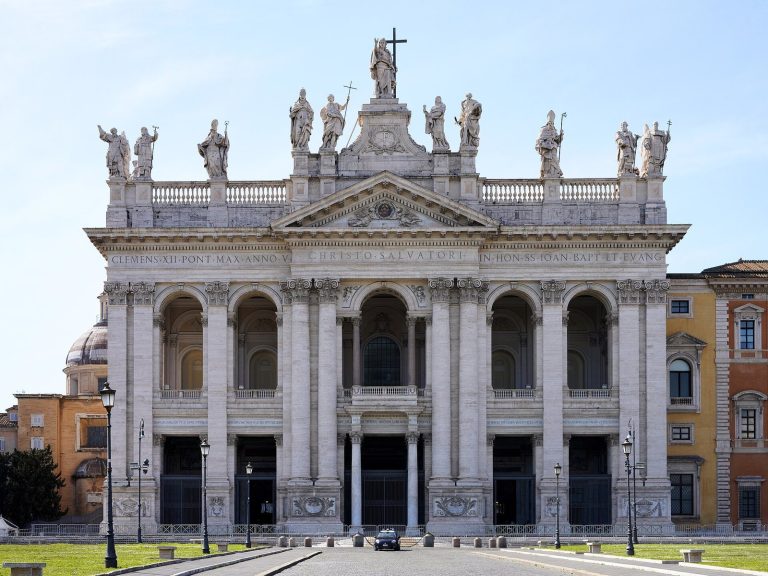
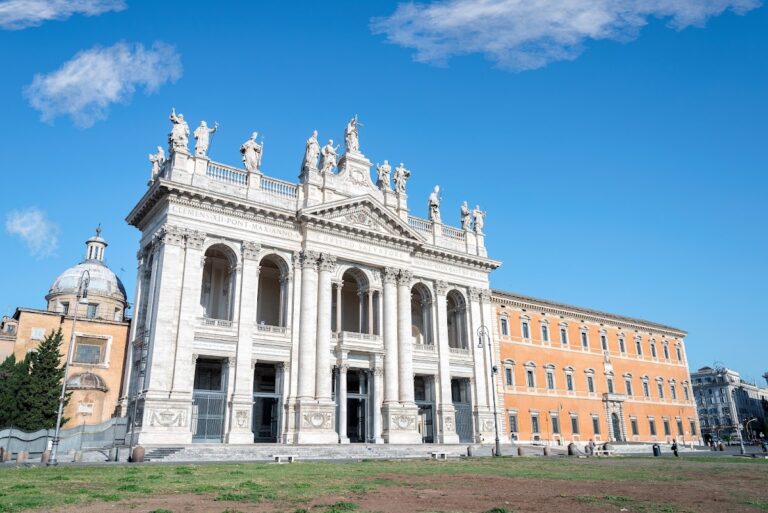
Porta San Giovanni is a Renaissance gate in the Aurelian Wall in Rome, Italy, named for the nearby Archbasilica of Saint John Lateran, the city’s cathedral church. The Aurelian Wall is Rome’s late-third-century defensive circuit, built under Emperor Aurelian, who ruled from AD 270 to 275. Construction began in 1574, and the gate was inaugurated that year for Pope Gregory XIII, whose papacy lasted from 1572 to 1585.
Construction and road reorganization
The new entrance accompanied changes to the Lateran area intended to improve traffic moving to and from southern Italy. Its opening brought the definitive closure of nearby Porta Asinaria, an older, more imposing gate of the Aurelian period. By the 1570s, rising road levels had made Porta Asinaria nearly unusable, and it could no longer serve the volume of traffic.
Porta San Giovanni opened onto Via Campana, now Via Appia Nuova. The road followed the ancient Via Asinaria for its first three miles, then continued along the route of Via Labicana. Its name referred both to Campania, its eventual destination, and to the Roman Campagna through which it ran.
The gate’s architect remains uncertain. It has been attributed to Giacomo della Porta or, more probably, Giacomo del Duca, an Italian architect who had worked with Michelangelo on Porta Pia. Contemporary chronologies identify the designer only as a famous architect named Giacomo. Roman tradition instead credits della Porta and tells that he died in a crowd near the gate, believed to be his own work, after severe indigestion from eating melons and watermelons on his return from the Castelli Romani.
Saint John’s Night traditions
The gate was associated with the Roman celebration of Saint John’s Night on 23 June, a festival that has almost entirely disappeared. According to legend, Herodias, a figure in the New Testament story of John the Baptist’s execution, held a witches’ gathering on the Lateran meadows that night. Romans answered with a noisy celebration, using rattles and fireworks to drive the witches away.
Eating snails was another custom. Their horns represented discord, and people believed that eating them would bury the year’s quarrels and resentments and encourage reconciliation. The interpretation of the horns as a sign of betrayal arose much later.
Twentieth-century urban change
In 1926, development of the Appio-Latino quarter outside the gate transformed the surrounding area. Houses, cottages, villas, vineyards, inns, and meadows were demolished or built over.
Remains
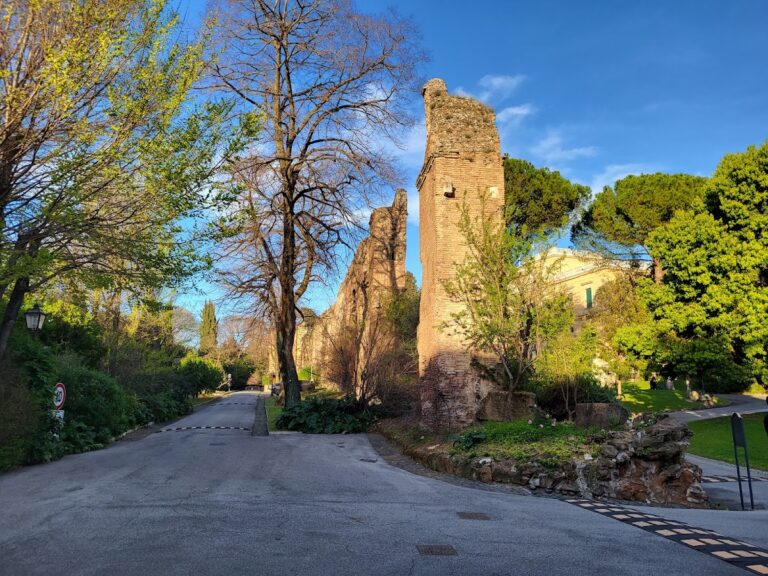
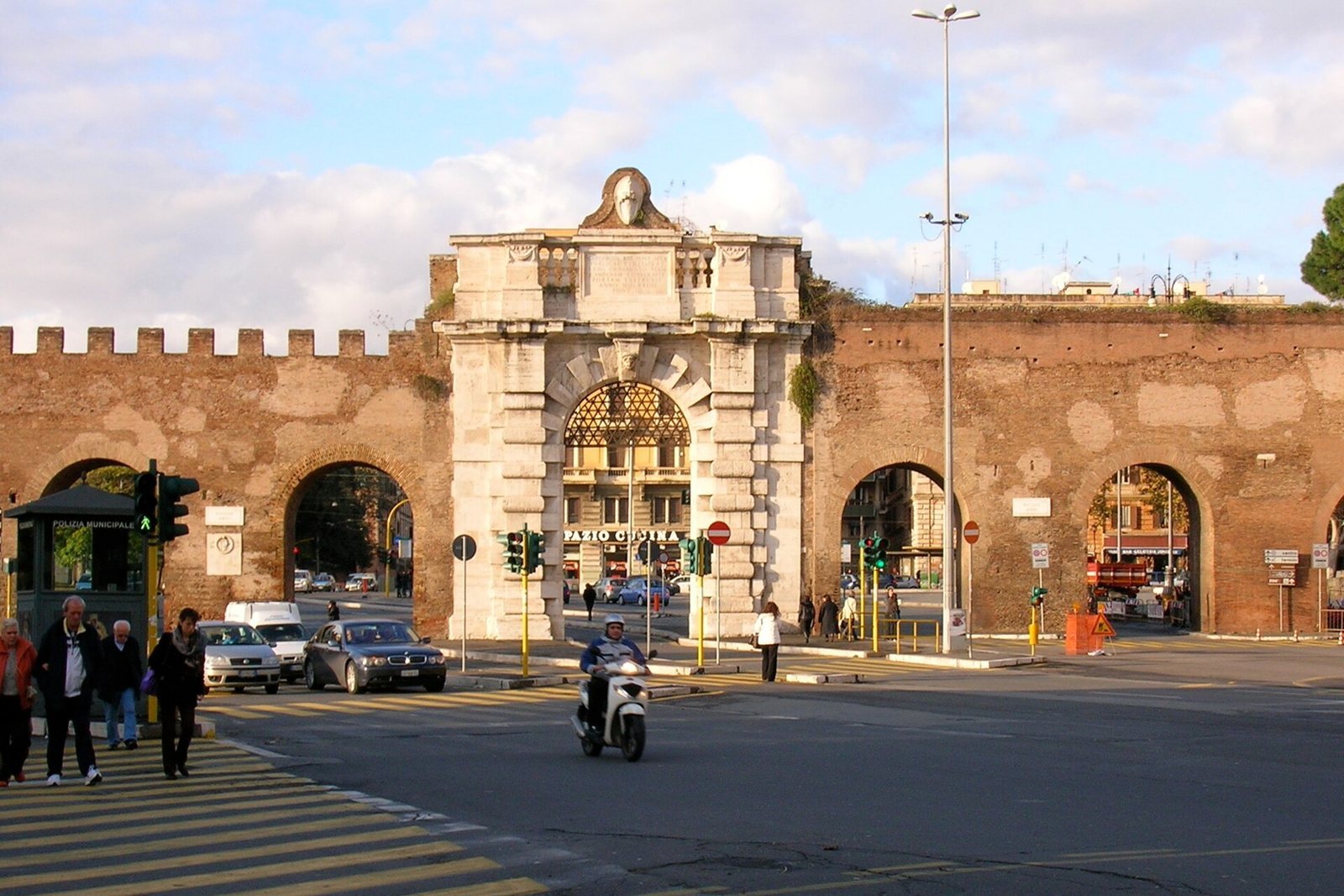
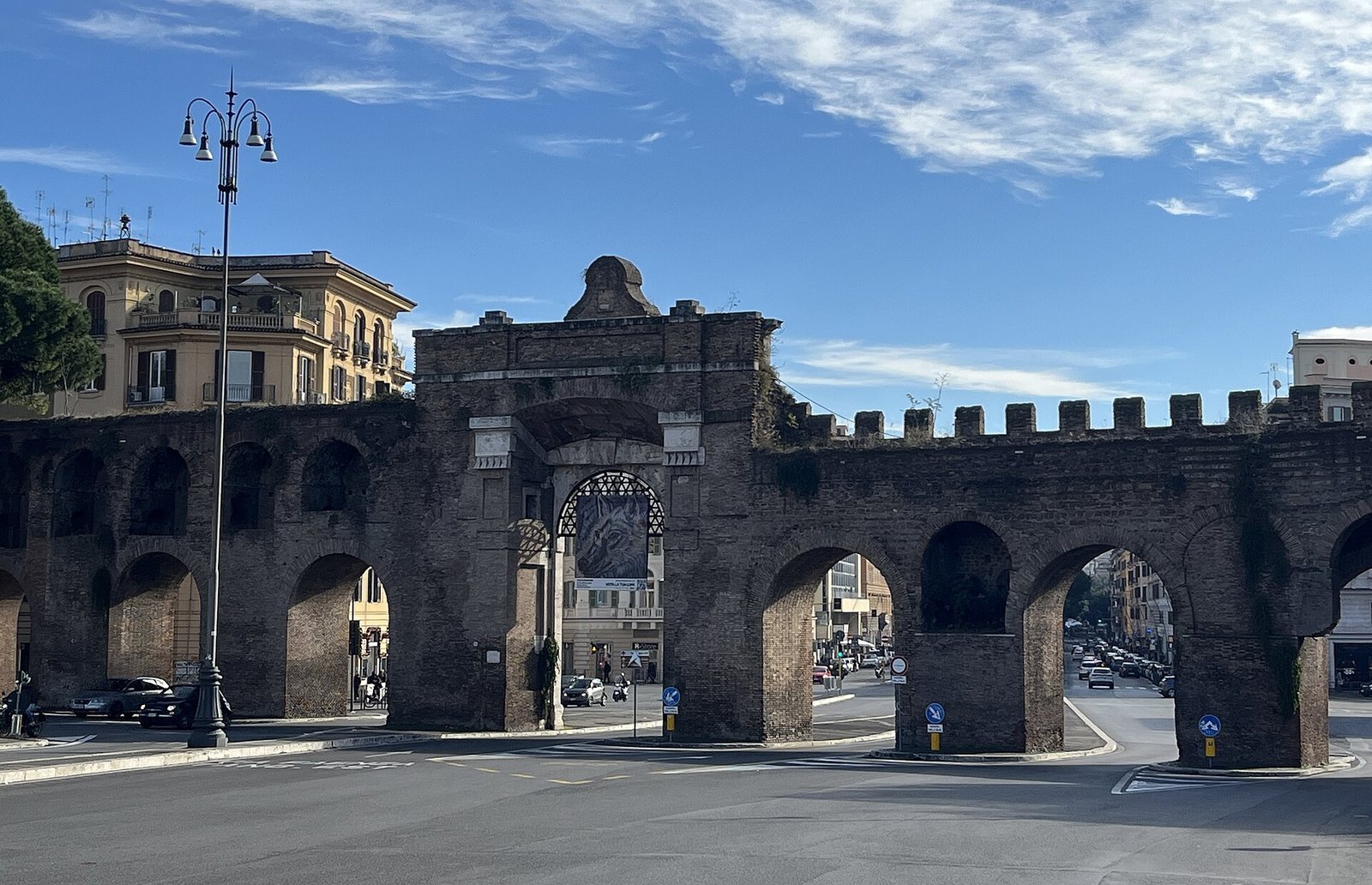
Porta San Giovanni forms an opening in the Aurelian Wall and consists of a single large arch. Its Renaissance design resembles a villa entrance more than a defensive work. The exterior has pronounced rustication, masonry made from deliberately rough-faced blocks, set within a simple decorative scheme.
A large bearded head appears above the arch on its outer side, and the gate is associated with reliefs depicting historical and military events. An inscription above the arch commemorates Gregory XIII’s work, stating that he built Via Campana and erected the gate in 1574, the third year of his pontificate, for the "public good and the adornment of the city." Arched passages flank the gate; opened in 1926 to maintain traffic flow, they remain visible today.