Arthur’s Stone, Herefordshire: A Neolithic Chambered Tomb
Site at a Glance
- Popularity
- High
- Country
- United Kingdom
- Primary era
- Stone Age
- Eras represented
- Stone Age
- Civilizations
- Unclassified
- Site type
- Burial
- Remains
- Tomb
On this page9 sections
History
Arthur’s Stone is a Neolithic chambered tomb on a ridge near Dorstone in Herefordshire, United Kingdom. Its construction is estimated at around 3200 BC, within a broader date range of 3700 to 2700 BC. The Neolithic was the later Stone Age, when farming communities lived in Britain.
Neolithic origins and landscape
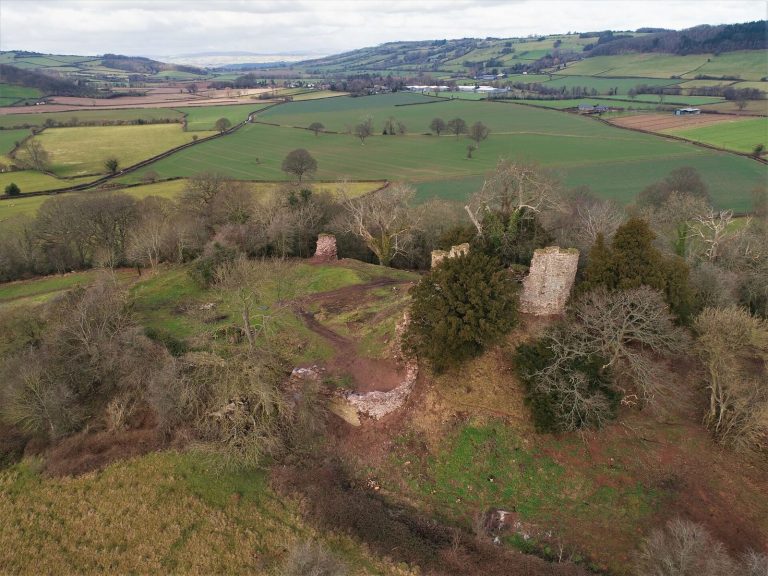
Archaeologists Julian Thomas and Keith Ray proposed in 2021 that the high ground formed part of a connected ceremonial landscape extending south along the hill. They suggested that the tomb may have been built in two phases with different orientations, and may be linked to three funerary structures at Dorstone Hill. Proposed interpretations of its use extend beyond burial, including ancestor rituals connected with claims to land and seasonal gatherings at a summer-pasture site.
Arthurian traditions and later use
The monument had become associated with the legendary King Arthur before the thirteenth century. Stories say that it marked one of his battles, or that he killed a giant there and the giant’s fall left marks on a stone. Other traditions attributed marks on the Quoit Stone to Arthur’s knees or elbows as he knelt in prayer.
During the Wars of the Roses, a knight named Turberville died in a duel at the site with Thomas ap Griffith. On 17 September 1645, Charles I, king of England, Scotland, and Ireland from 1625 to 1649, assembled his army at the monument and dined there before spending the night at Holme Lacy. Dances continued at the site until the mid-nineteenth century, and a baptism service was traditionally held there on the fourth Sunday of July. Arthur’s Stone also inspired the Stone Table in C. S. Lewis’s The Chronicles of Narnia, where the lion Aslan is sacrificed.
Archaeological study and protection
Nash excavated at the site in 2006. Boucher and Rouse of Headland Archaeology carried out preliminary work on the mound in 2011, and another excavation took place in 2023. Arthur’s Stone became a scheduled monument, a site protected under UK heritage law, on 9 October 1981.
Remains
Chambers and mound
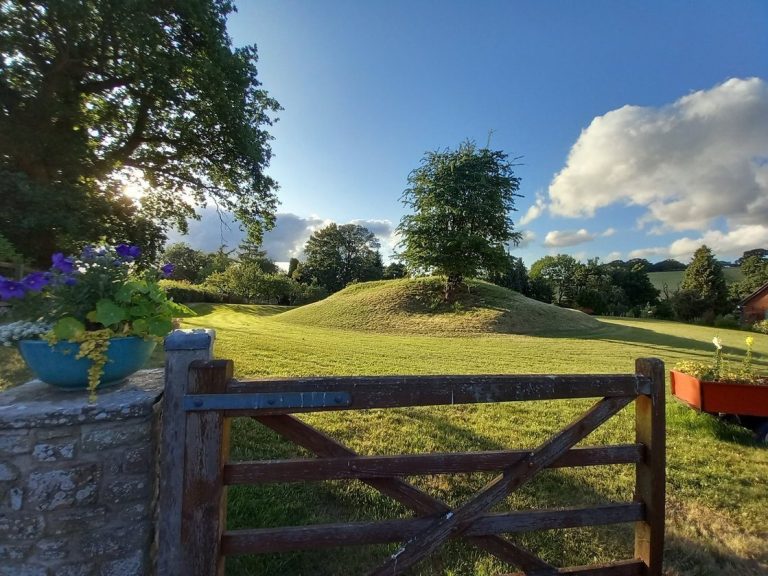
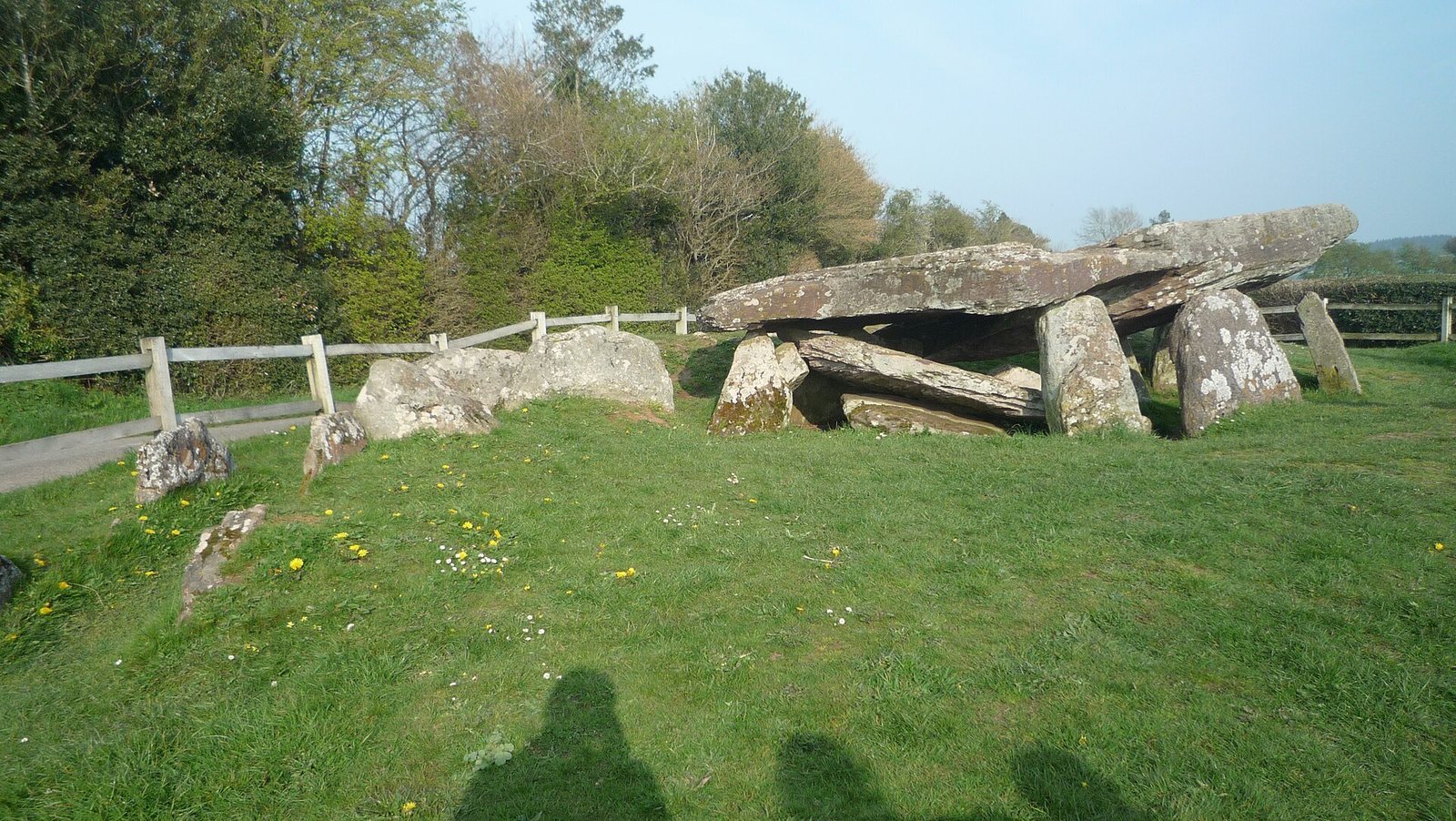
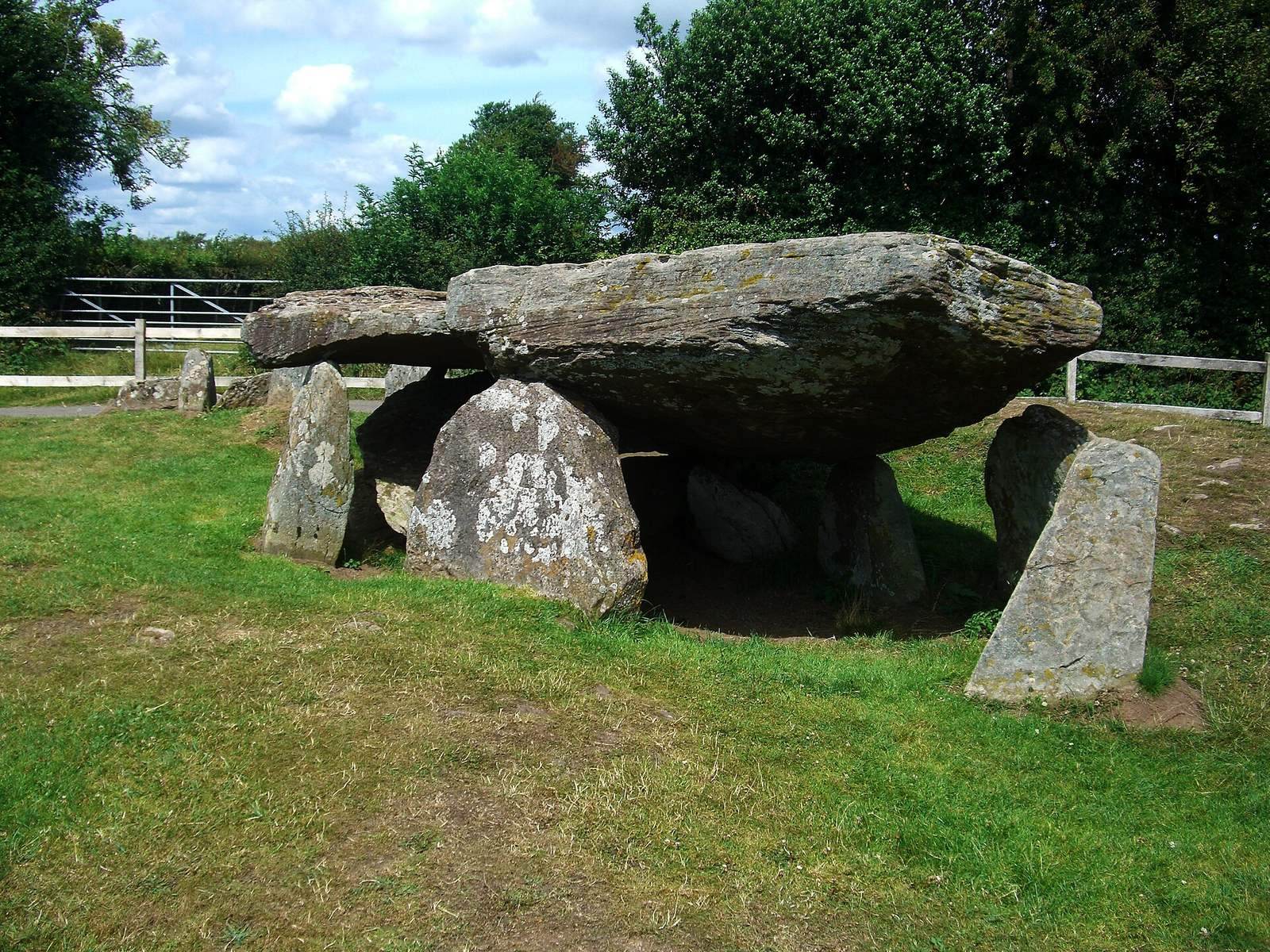
The tomb has two chambers. A capstone weighing more than 25 tonnes rests on nine upright stones, and a curved entrance passage measures 4.6 metres long. A smaller chamber, with a passage that turns at a right angle, lay within a wedge-shaped stone mound. The stones were enclosed by an elongated earth mound about 25 metres long, aligned north to south. It had an entrance on the east and a false portal on the south, an entrance-like feature that does not lead into the tomb. Grass covered the mound, and upright wooden posts retained its earth. The mound has almost entirely eroded, while the capstone is broken and a large piece has fallen from its underside.
Ridge setting
Arthur’s Stone stands on a ridge between Dorstone and Bredwardine, overlooking the Golden Valley and the Wye Valley. The site faces the Black Mountains in southern Wales, and its view south reaches the Brecon Beacons in the distance. Arthur’s Stone Lane runs along the northern side and crosses the area of the original mound. A wooden fence encloses the site.
Approach and alignments
A route marked by large posts led toward the mound from the Golden Valley. The avenue, the chambers, and a standing stone in front of them align with a gap on the southeastern horizon between Skirrid and Garway Hill. The tomb itself appears oriented toward Ysgyryd Fawr, about 25 kilometres to the south in Monmouthshire.
Nearby stones and funerary structures
A detached stone near the southern false portal is thought to have belonged to the monument. A stone south of the tomb is known as the Quoit Stone. Arthur’s Stone is regarded as a northern outlier of the Severn-Cotswold group, a regional class of Neolithic chambered tombs, and one of five Neolithic tombs in the local area. The three funerary structures at Dorstone Hill comprise turf mounds built over wooden buildings that were later burned.