Forte de São Francisco de Chaves: A Portuguese Border Fort
Site at a Glance
- Popularity
- Low
- Country
- Portugal
- Primary era
- Early Modern
- Eras represented
- Early Modern
- Civilizations
- Portuguese
- Site type
- Military
- Remains
- Fort
On this page9 sections
History
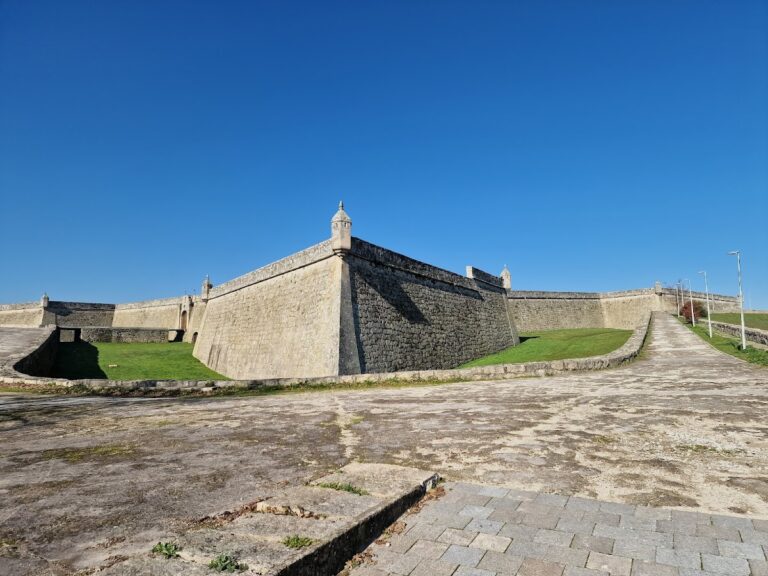
Forte de São Francisco de Chaves is a seventeenth-century Portuguese fort in Chaves, Portugal, developed from a Franciscan convent and incorporated into the city’s defenses during the Portuguese Restoration War. Its design followed the Vauban system, which used projecting defenses to resist artillery and let defenders cover approaches with overlapping fire. Its position near the Galician border gave it a role in protecting Chaves.
The convent and seventeenth-century defenses
The fort began as the convent of Nossa Senhora do Rosário, built in the early sixteenth century. That name remained an alternative name for the fort. A deed dated 1446 links the convent’s design to master builder Joanes de Cibrão and credits him with making its vault. A separate architectural attribution names King Afonso VI as the fort’s architect.
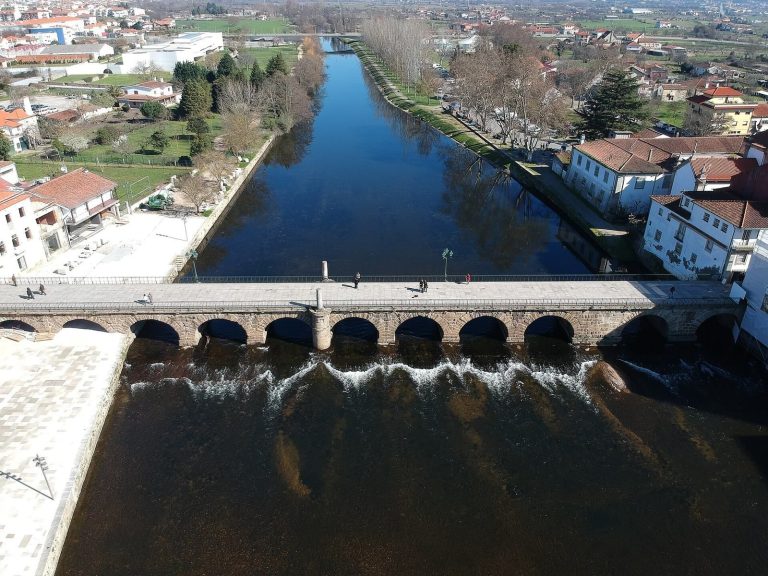
During the Restoration War, the conflict that ended the Iberian Union and restored Portugal’s independence from Spanish rule, the convent on Pedisqueira Hill was enclosed by bastioned defenses and converted into a fort. Forte de São Francisco de Chaves and Fort São Neutel formed part of Chaves’s wider defensive system. New walls connected the fort with the medieval town walls, which were reinforced or rebuilt to enclose neighborhoods that had grown beyond them. The defensive line reached the old Roman bridge over the Tâmega River, where the approach on the opposite bank was protected by the Madalena Ravelin, an outer defensive work guarding the approach to the fort.
French occupation and later fighting
At the beginning of the nineteenth century, Chaves and its defenses were not prepared to withstand the French forces campaigning in Portugal during the Peninsular War. After clashes with troops commanded by Marshal Soult, Portuguese forces led by General Francisco da Silveira Pinto da Fonseca Teixeira withdrew to strategic positions. A small garrison under Lieutenant Colonel Pizarro remained at Chaves. The garrison and militiamen who had resisted the French were captured and later released. French forces then used the fort as their headquarters.
In March 1809, Silveira’s counteroffensive compelled the French garrison to surrender and brought Chaves back under Portuguese control. The fort later saw fighting during the Portuguese Liberal Wars, a civil conflict over the country’s constitutional and dynastic order, and again in 1910, during the proclamation of the Portuguese Republic.
Military decline and later uses
After it ceased to serve as a defense, the fort housed Portugal’s 10th Battalion of Caçadores, light-infantry troops, for almost seventy years. The facilities were later abandoned and deteriorated. The fort was designated a National Monument in 1938. Public conservation work began in 1957, followed by further campaigns of clearing, consolidation, repair, and reconstruction.
During the second half of the 1970s, the facilities temporarily housed families from Portugal’s former African colonies. The fort was temporarily transferred to the Municipality of Chaves in 1989. In 1994, its facilities were converted into a hotel in a project promoted by Sociedade Forte de S. Francisco, Hoteis, Ldª, and designed by architect Pedro Jalles. The hotel opened in 1997.
Remains
Fort plan and entrances
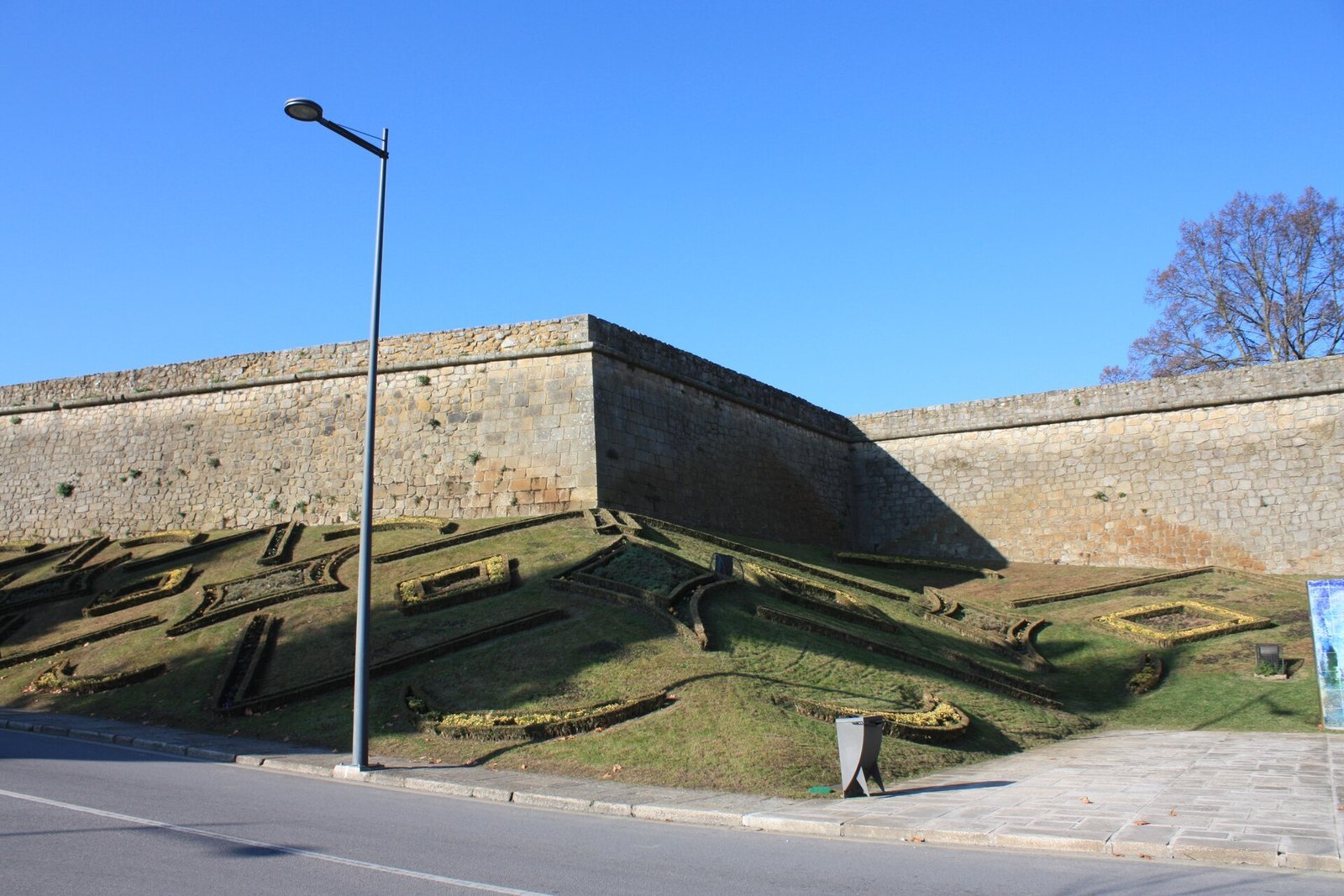
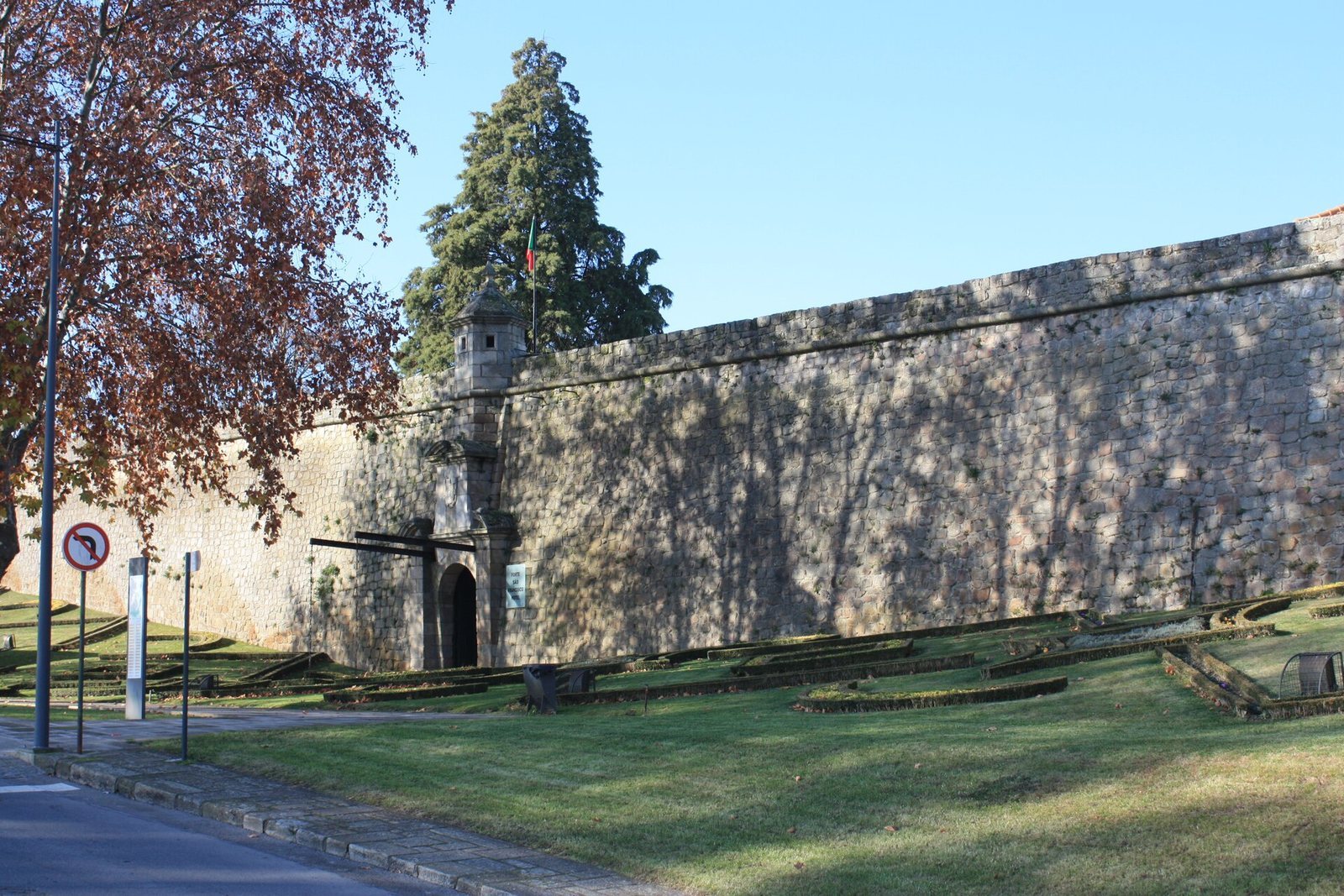
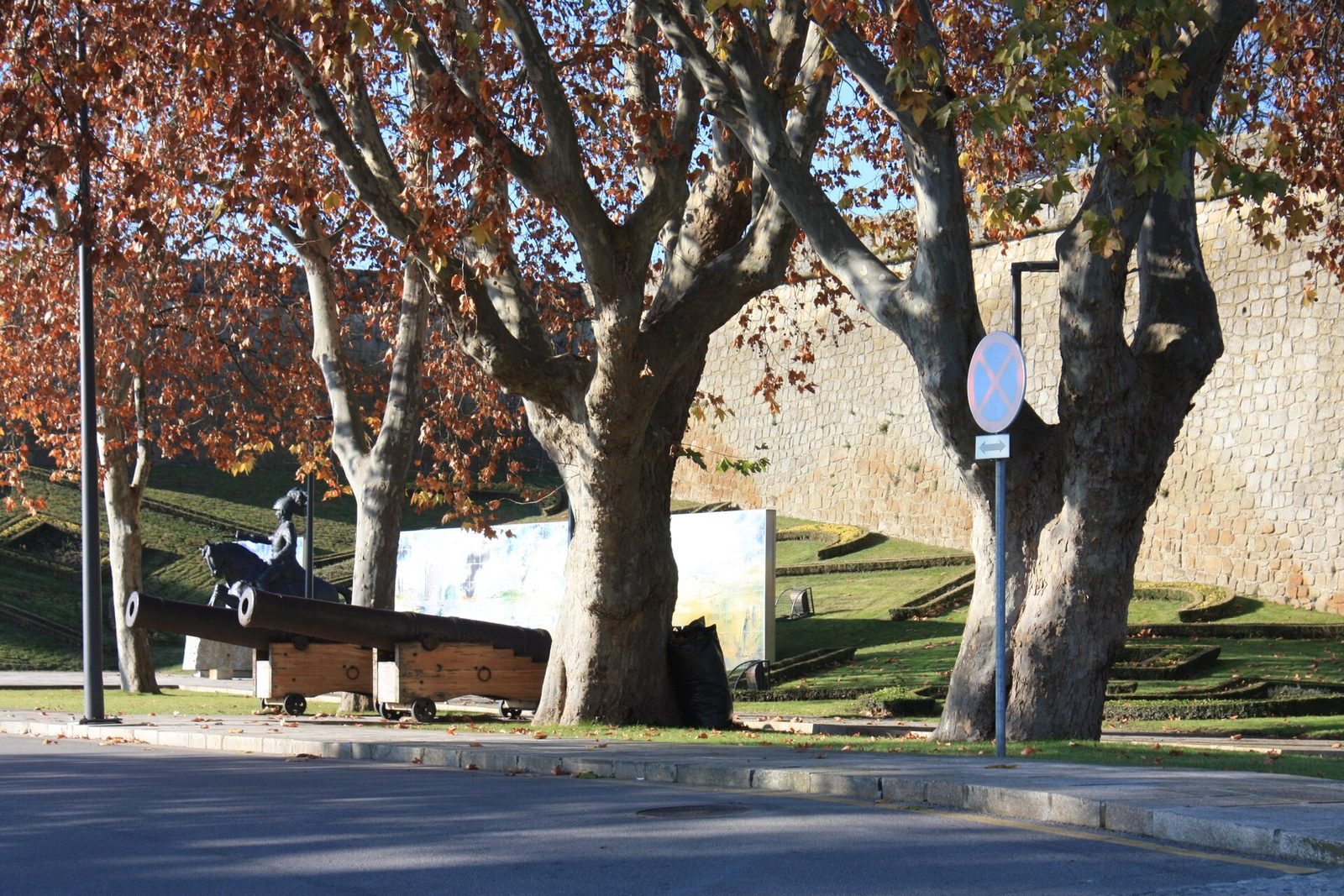
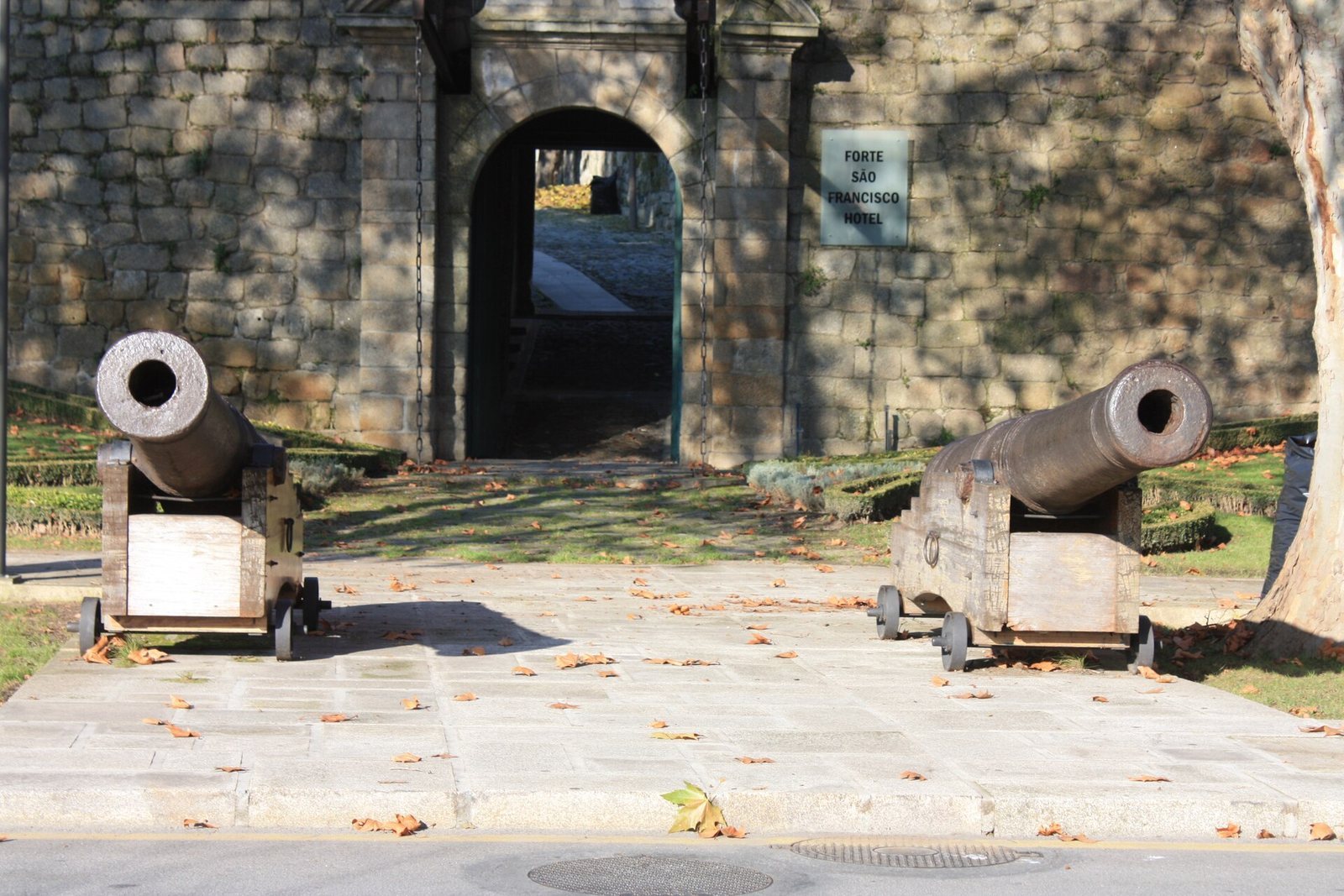
Set on Pedisqueira Hill beside the Tâmega River and the old Roman bridge, the fort has a simple star-shaped plan, with four bastions, or projecting corner defenses. Granite-covered walls, about one metre thick, rise between 4 and 20 metres. The main entrance lies on the south side, where a drawbridge once crossed the moat, now filled in. Secondary entrances on the east and west pass through tunnels to the parade ground.
Chapel and memorial
São Francisco Chapel and the tomb of Afonso
The former São Francisco Chapel stands within the fort. It housed the tomb of Afonso, the first Duke of Braganza, a Portuguese nobleman and the first holder of the duchy, for three centuries, until 1942. The tomb is restored and well preserved.
Memorial to the 1809 liberation
A bronze plaque beside the main gate commemorates Chaves’s liberation. Its inscription says that Silveira’s troops and the militias of Trás-os-Montes stormed and captured the stronghold on March 25, 1809, after close fighting on March 21 and 24, forcing the French garrison to surrender unconditionally. The municipality, local people, and garrison dedicated the plaque on the centenary to those who fought for the liberation of the homeland.