Forte de São Neutel: A Portuguese Frontier Fortification at Chaves


Site at a Glance
- Rating
- 4.2
- Popularity
- Low
- Country
- Portugal
- Primary era
- Early Modern
- Eras represented
- Early Modern, Modern
- Civilizations
- Portuguese
- Site type
- Military
- Remains
- Fort
On this page6 sections
History
Forte de São Neutel is a Portuguese military fortification in Chaves, Portugal, built between 1664 and 1668 during the Portuguese Restoration War. This conflict restored Portugal’s independence from the Spanish Habsburg monarchy between 1640 and 1668. Together with Fort São Francisco, it defended Chaves near the frontier with Galicia.
Construction during the Restoration War
The fort developed from the stockade at Alto da Trindade, which was converted into a permanent stone fort during the war. Construction took place under General Andrade e Sousa, Governor of Arms of the Province of Trás-os-Montes. Alphonse VI, the seventeenth-century king of Portugal, is identified as the fort’s architect.
Military and civic transformations
Forte de São Neutel remained associated with the military history of the region, including the Peninsular War, the Iberian campaign of the Napoleonic Wars fought mainly from 1807 to 1814. In 1912, it became a scene of fighting during the Royalist attack on Chaves, when monarchists led by the Portuguese military officer and monarchist leader Paiva Couceiro confronted the newly established First Portuguese Republic.
From 1925, the fort served as the civil jail of the municipality of Chaves. It remains Portuguese Army property and belongs to the state. Public-works interventions in 1981 and 1987 improved the site, while the Municipality of Chaves created an amphitheater inside the fort in 1994 for concerts and other outdoor activities. Forte de São Neutel has been classified as a National Monument since 1938.
Remains
Fortifications and entrance
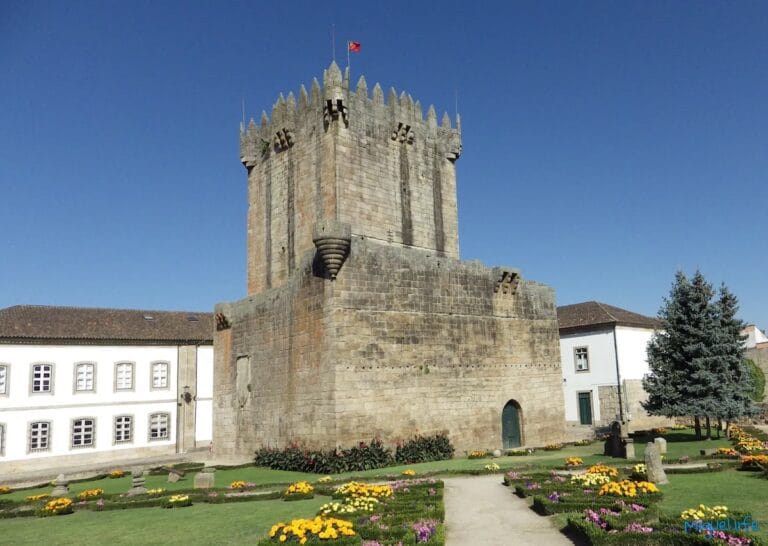
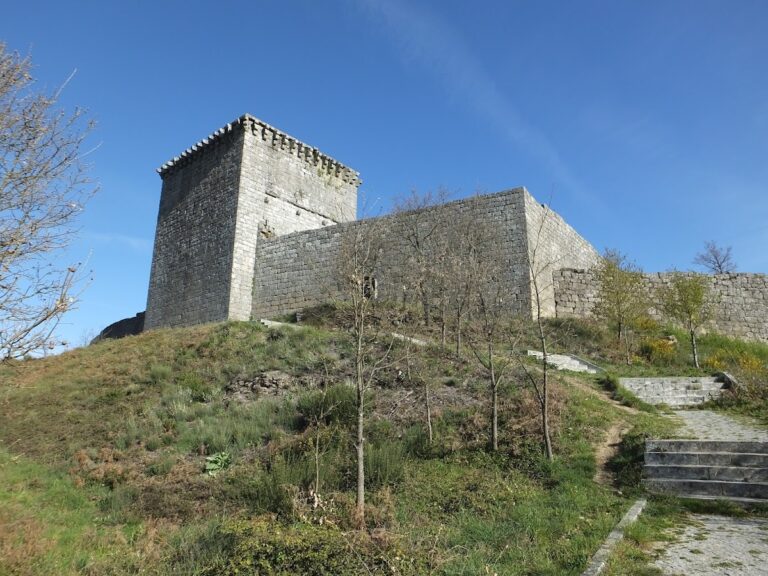
Forte de São Neutel occupies a commanding position on Pedisqueira Hill, beside the Tâmega River and the old Roman bridge, north of Chaves and close to the Galician border. Its square plan follows the terrain. Bastions at the corners form a Vauban-style defensive system, characterized by angular projecting platforms, enclosing walls, and ditches. A dry moat and a second defensive line surround the fort. A substantial stone bridge crosses from the outer wall to the gate of arms, forming the principal approach into the enclosure.
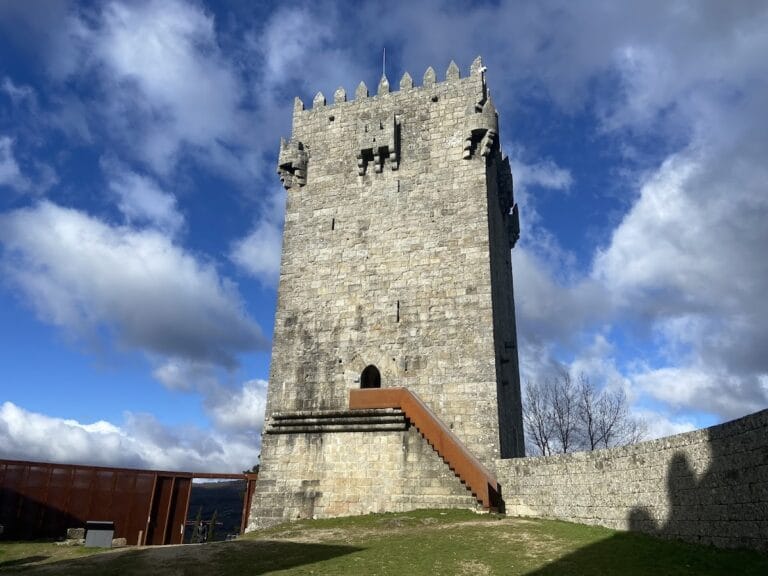
The fort’s granite walls are between one and one and a half metres thick and rise between seven and ten metres high. Their scale, together with the bastions, moat, and outer defensive line, expresses the site’s role as a fortified position guarding Chaves and its frontier approaches.
Chapel and barracks
The Chapel of Nossa Senhora das Brotas predates the fort and stands within its enclosure. Its single altar holds an image of São Neutel, while Senhora das Brotas appears in a painting hung on a side wall. This imagery is associated with the persistence of an ancient pagan cult of Ceres, the Roman goddess linked with agriculture and grain.
Barracks behind the chapel formerly housed veteran soldiers of the former Battalion of Caçadores No. 10. The image of Nossa Senhora das Brotas remains the focus of an annual procession and feast held on Easter Sunday.
Nearby sites