Santa Catalina Castle and Wall: A Coastal Fortress and Palace in Málaga
Site at a Glance
- Popularity
- Medium
- Country
- Spain
- Primary era
- Modern
- Eras represented
- Early Modern, Modern
- Civilizations
- Spanish
- Site type
- Domestic
- Remains
- Elite Residence
On this page7 sections
History
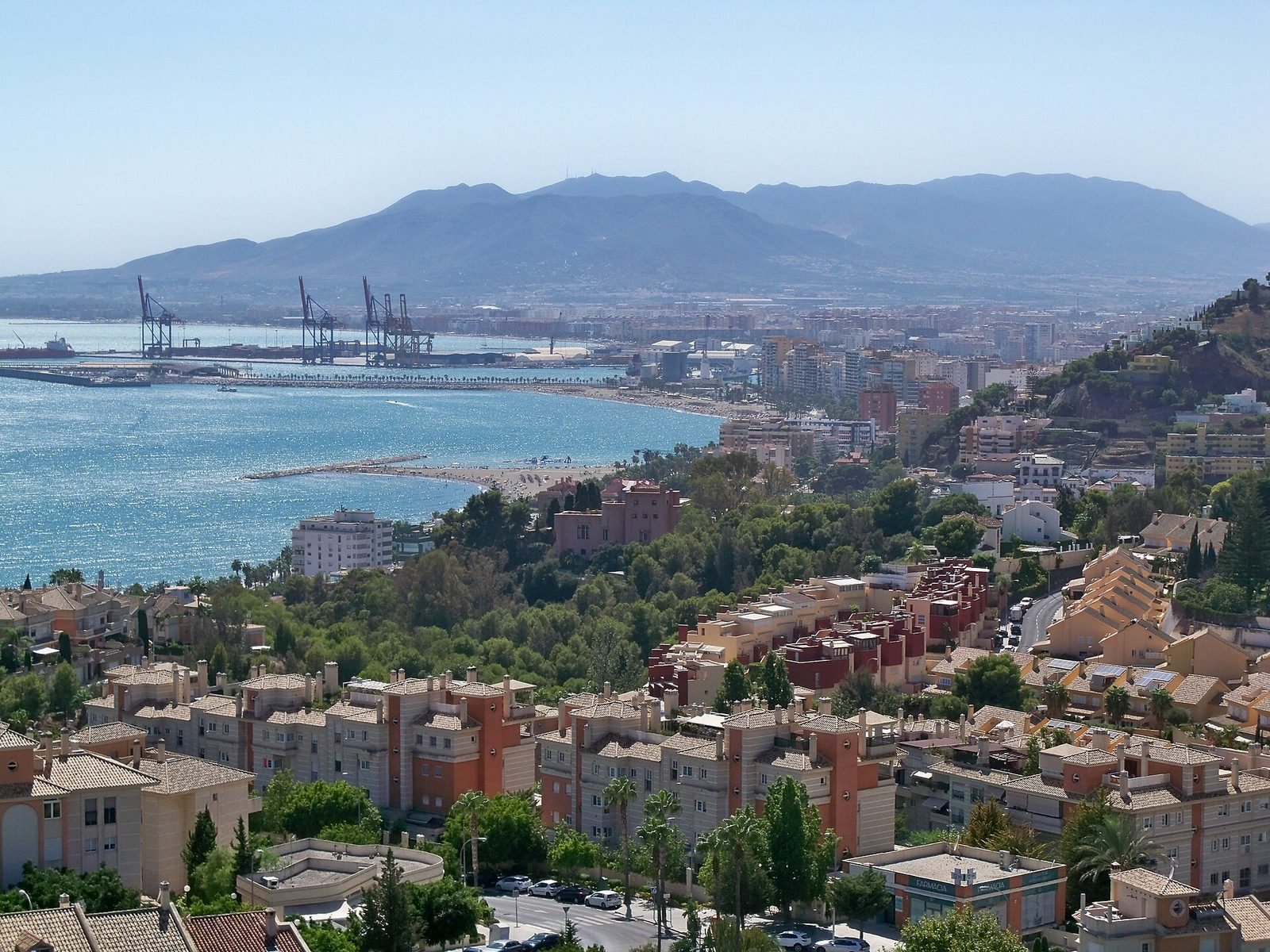
Santa Catalina Castle and Wall is a coastal fortification in eastern Málaga, Spain, commissioned by Bishop Francisco de Mendoza in 1625 to defend La Caleta. Its design followed plans by Sebastián de Arriba.
The fortress and its later owners
Initially called Fuerte Alto de la Caleta, the fortification later took the name Santa Catalina during the Enlightenment, an intellectual and cultural movement influential in Europe in the eighteenth century. In 1849, the state decided to sell the fort because of its poor condition. It subsequently passed through a succession of private owners.
The palace and twentieth-century uses
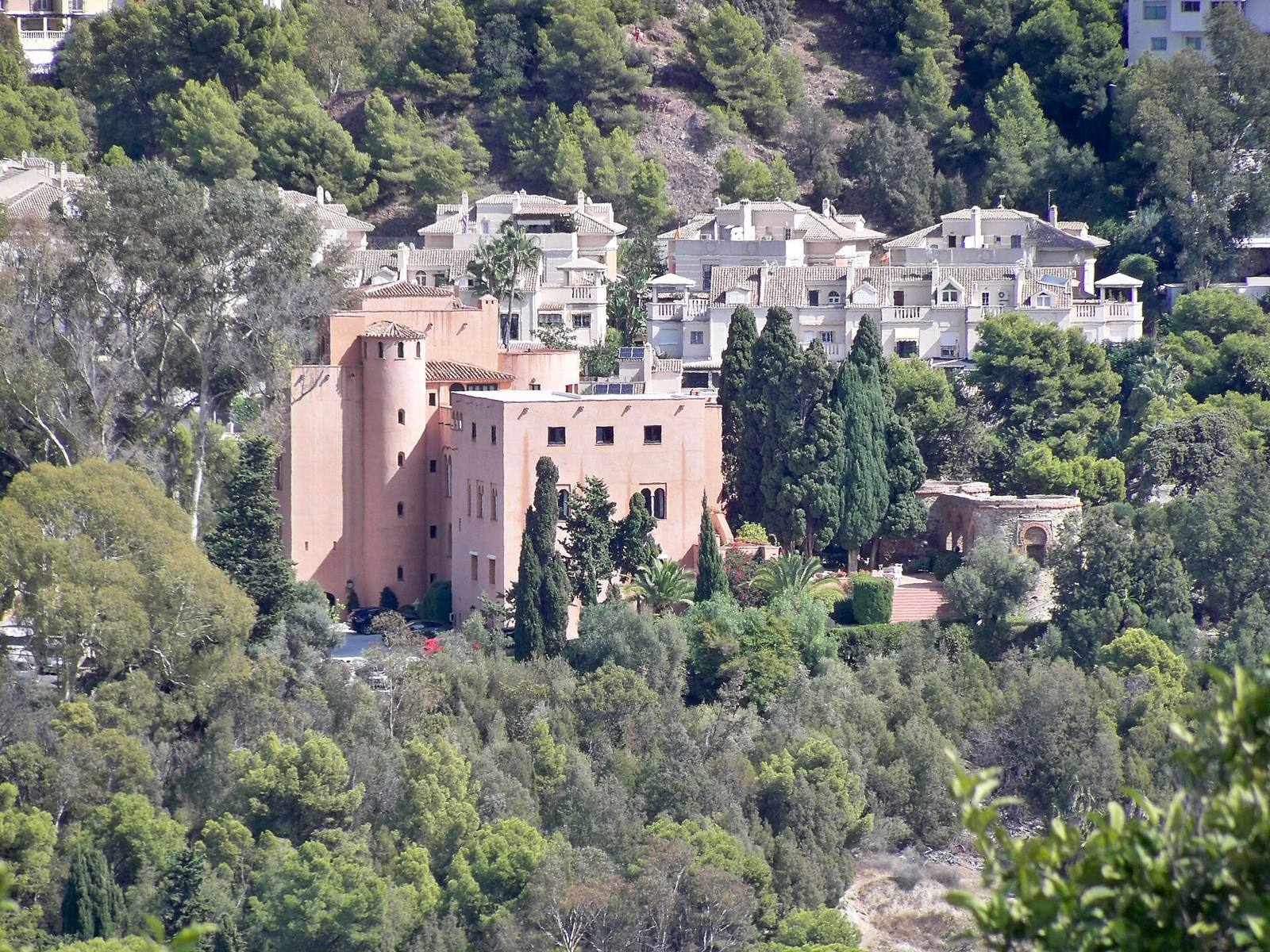
At Manuel Loring’s initiative, a palace was built inside the fortress enclosure as a family residence. French architects Lahalle and Levard designed it, and construction took place from 1929 to 1933.
After the Spanish Civil War, fought from 1936 to 1939, ended in Málaga, the palace briefly housed an office of Spain’s National Tourism Board, a public body concerned with tourism. It also hosted Spanish military dictator Francisco Franco during visits in 1943 and 1956, and Saudi king Saúd bin Abdulaziz in 1962.
The property was declared an Asset of Cultural Interest on 19 December 1989. After a period of use for social events, it was acquired by the Málaga hotel group Soho Boutique for use as a five-star hotel.
Remains
The fortress enclosure and palace
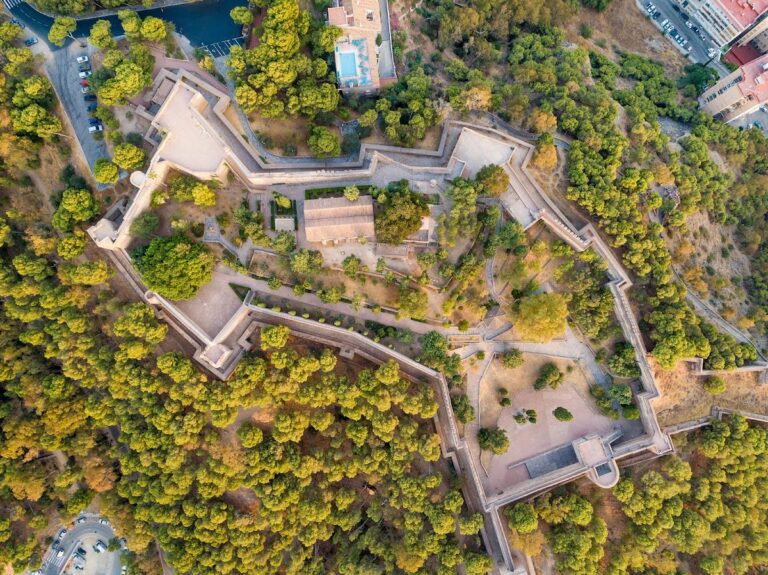
The complex brings together the original defensive enclosure and a palace built within it. Its surviving fabric combines military fortifications with a residence whose design drew on architectural styles fashionable in the early twentieth century.
Fortification
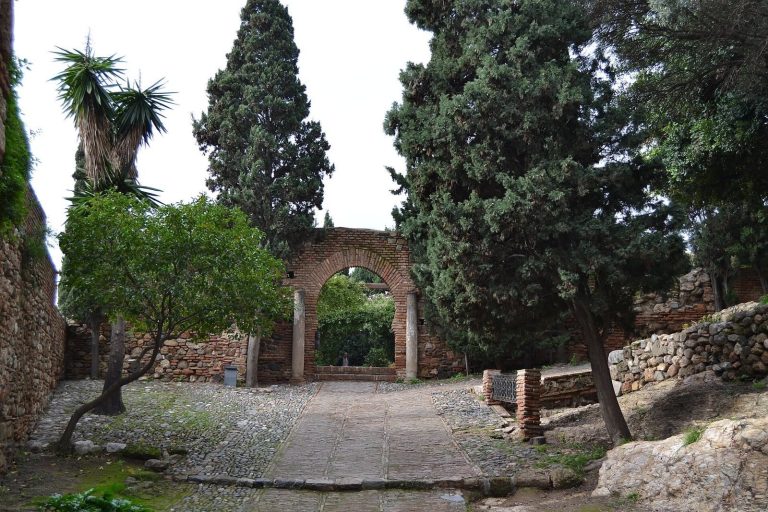
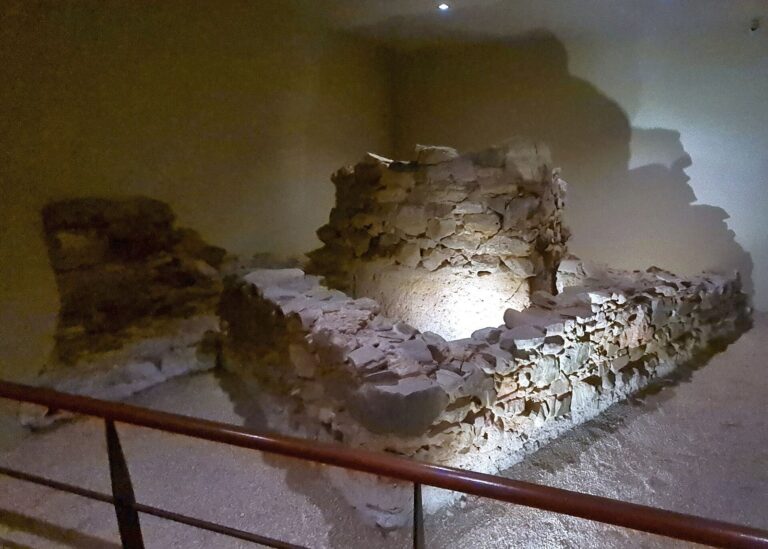
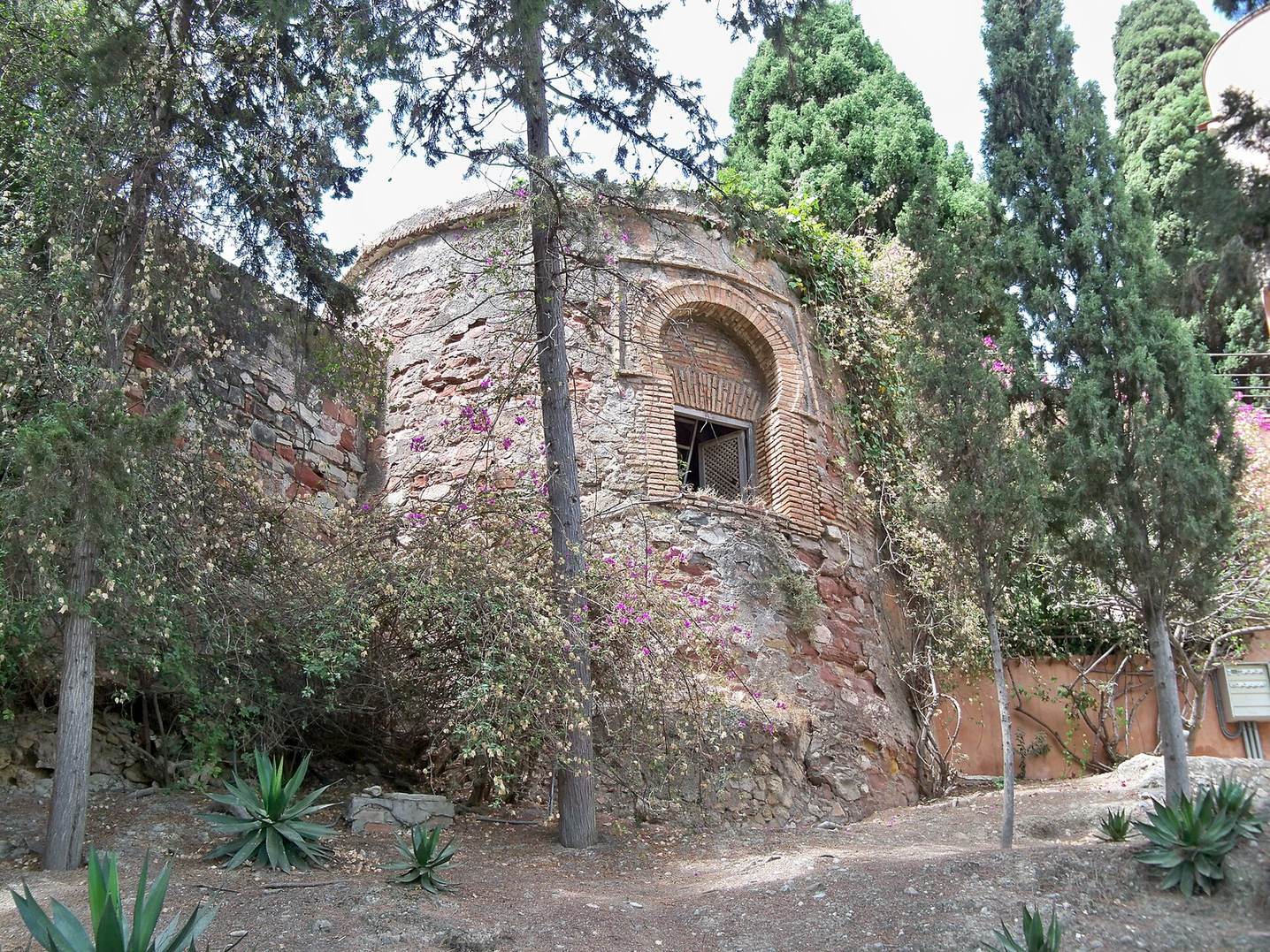
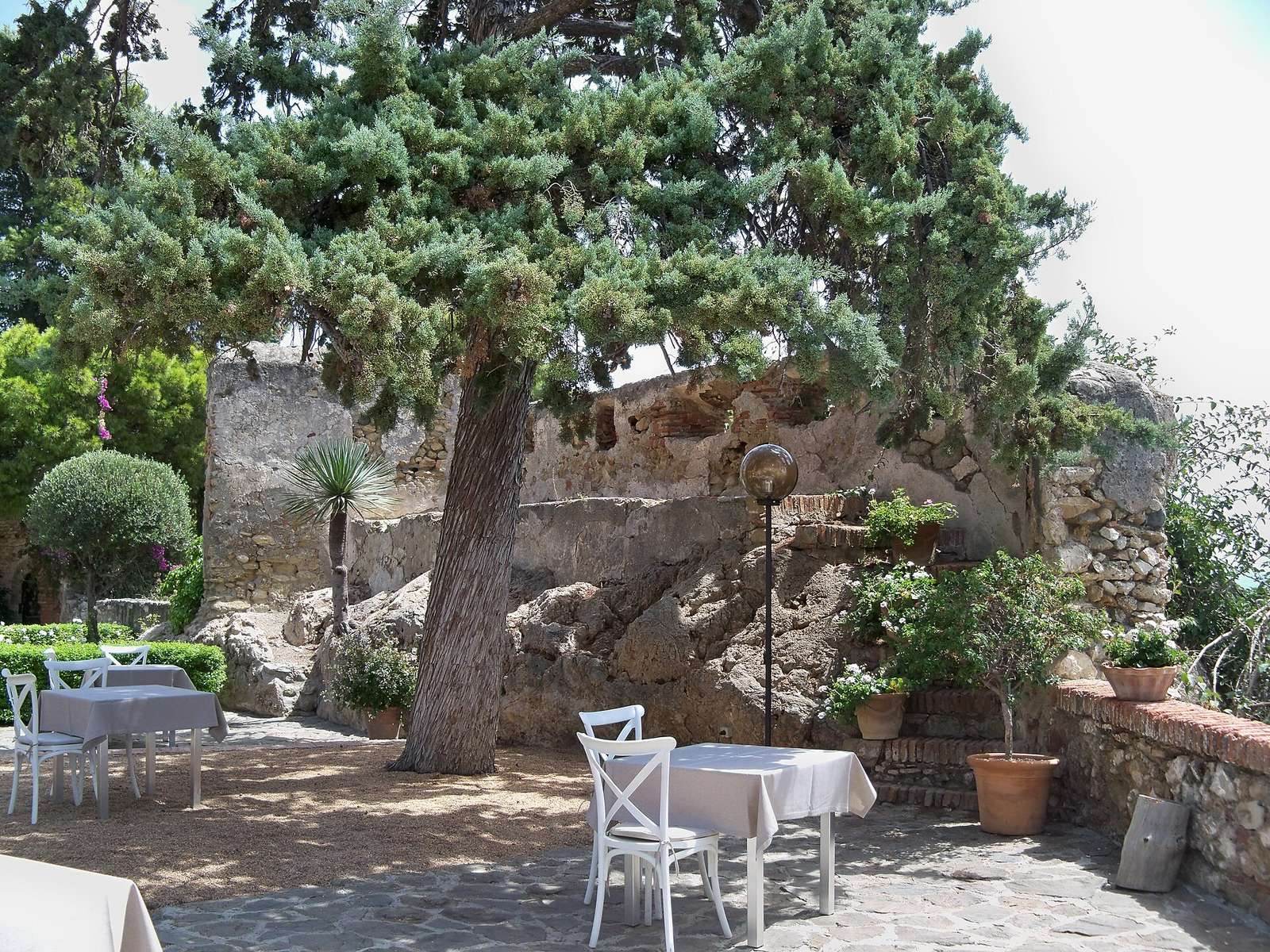
The original fort had two circular towers on its northern side and two diamond-point bastions facing the beach. Stables occupied the inner courtyard, while the towers provided quarters for guards and storage. The surviving fortress is a heavily rebuilt battery of stone and lime. Two towers and sections of the walls remain, integrated into the complex’s gardens.
Palace
The palace’s design draws on North African and Andalusian architecture, influences that were fashionable when it was built.