Fischbach Castle: A Grand-Ducal Residence in Luxembourg
Site at a Glance
- Popularity
- High
- Country
- Luxembourg
- Primary era
- Unclassified
- Eras represented
- Unclassified
- Civilizations
- Unclassified
- Site type
- Domestic
- Remains
- Palace
On this page5 sections
History
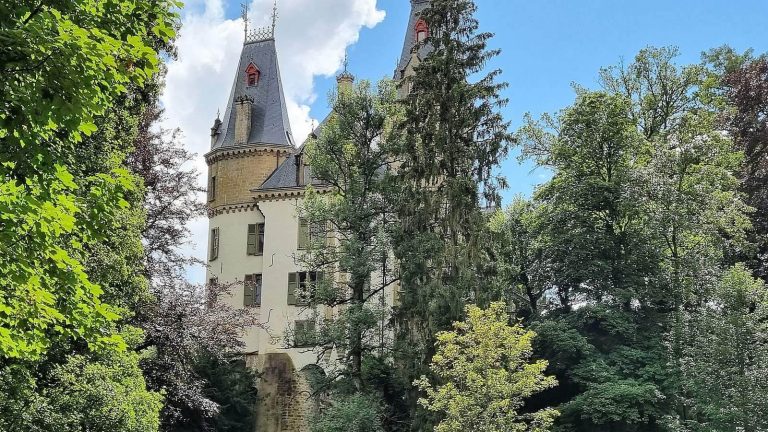
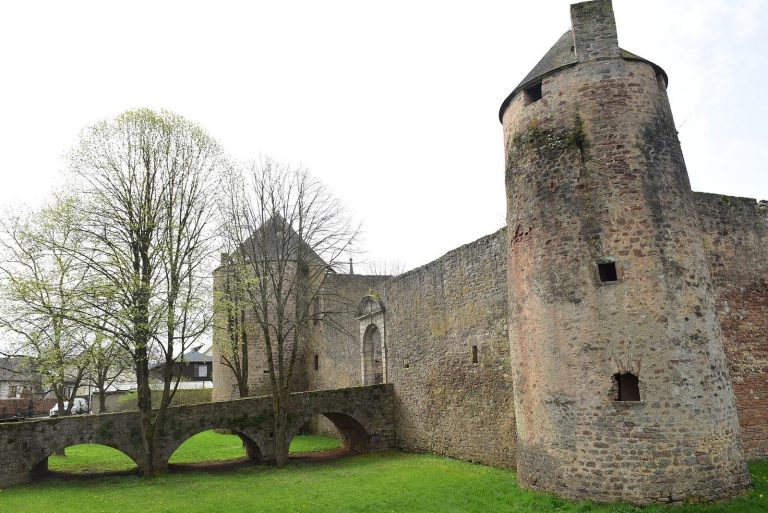
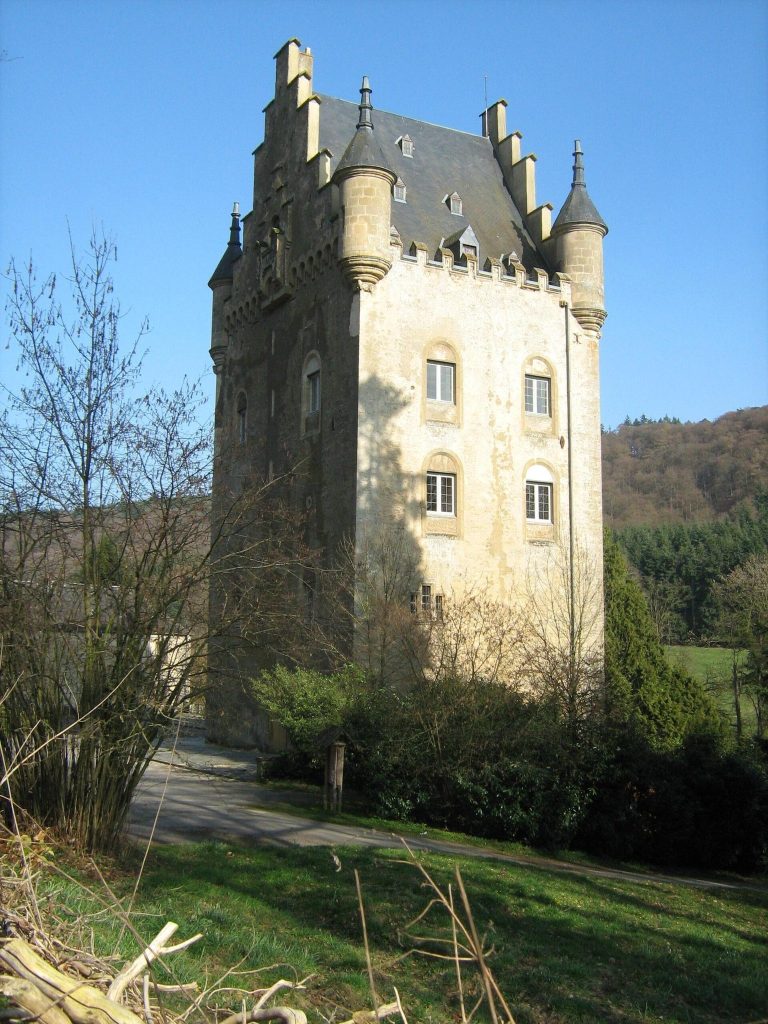
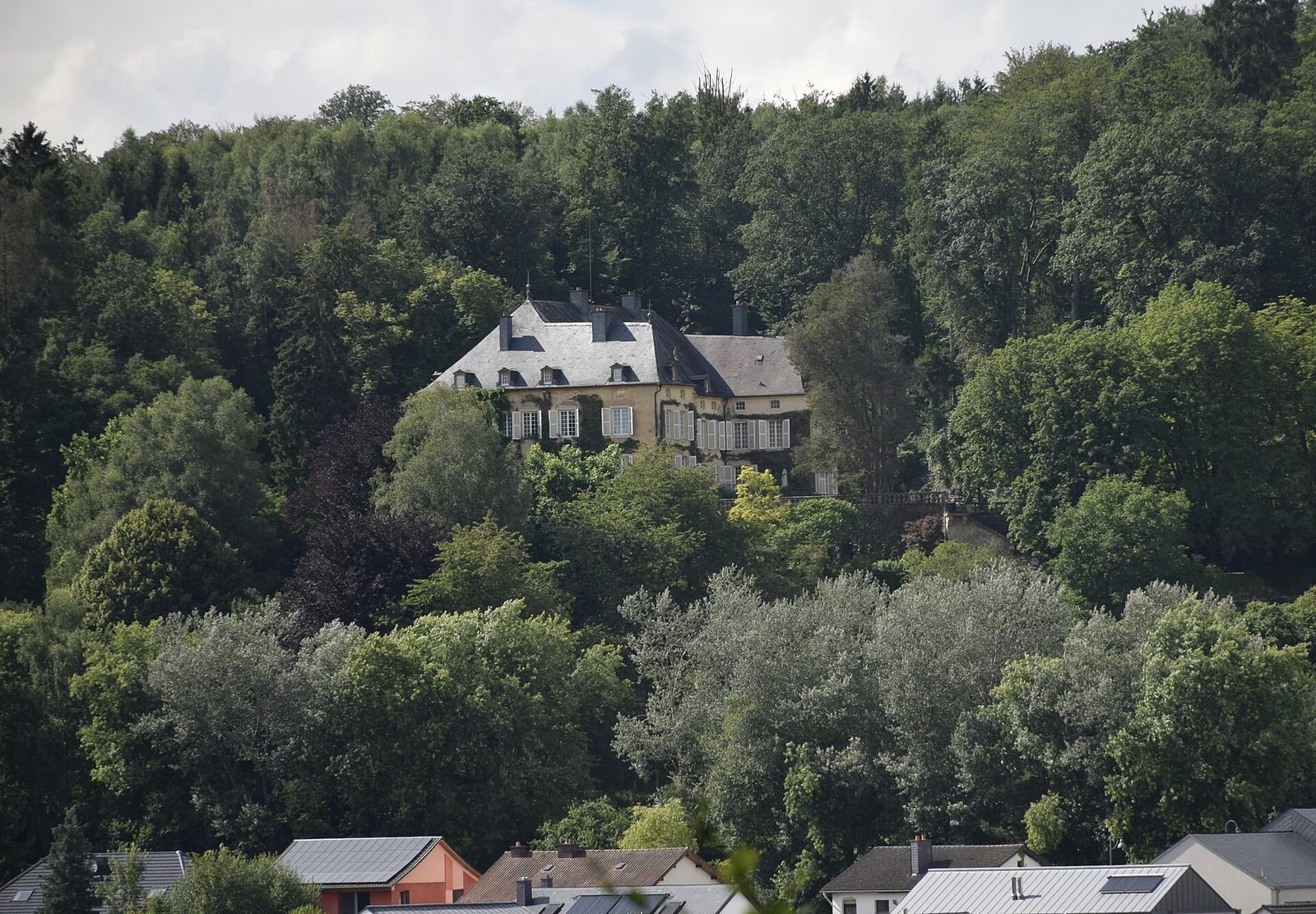
Fischbach Castle stands in the town of Fischbach, Luxembourg, and is regarded as the castle with the longest history in the country.
Early ownership and destruction
The Abbey of Echternach, a Benedictine monastery and Luxembourg’s wealthiest institution for centuries, was the first owner of the estate. In 1050, the first lord independent of the Church took possession of the castle. The buildings were rebuilt and altered several times before the castle was completely destroyed in 1635 during the Thirty Years’ War, a major European conflict fought from 1618 to 1648.
Industrial use and grand-ducal ownership
In the second quarter of the nineteenth century, industrialist and metallurgist Auguste Garnier owned Fischbach and turned the estate into an industrial center by building blast furnaces. Grand Duke William II acquired the estate in 1847, becoming the first head of state to own the castle. In the aftermath of the Belgian Revolution, the 1830–1831 revolt that led to Belgium’s separation from the Netherlands, William sought to strengthen his political control of Luxembourg and appease local residents. He ordered Garnier’s blast furnaces demolished immediately.
Duke Adolphe of Nassau bought the castle from Grand Duke William III in 1884. In 1890, Adolphe became Grand Duke of Luxembourg as the personal union between Luxembourg and the Netherlands ended. A personal union allows separate states to share a monarch while remaining distinct political entities.
Wartime occupation and Grand Duchess Charlotte
During the Nazi occupation in the Second World War, Fischbach served as a rest home for German artists under the name Künstlerheim Fischbach (Artists’ Home Fischbach). The castle was looted of artworks and historical artifacts. Unlike other Luxembourg palaces, it was neither rebuilt nor partly demolished for Nazi purposes, and it remained habitable when Grand Duchess Charlotte returned from exile.
After the war, Charlotte continued living at Fischbach because the other royal palaces were unsuitable. She remained there even after Berg Castle and the Grand Ducal Palace had been fully restored. She stayed at Fischbach after abdicating in 1964 and lived there until her death in 1985.
Later grand-ducal residents
Prince Henri and Princess Maria Teresa moved into the castle in 1987 and lived there until Henri succeeded his father, Grand Duke Jean, in 2000. Jean then lived at Fischbach until his death on 23 April 2019. Later that year, Hereditary Grand Duke Guillaume and Hereditary Grand Duchess Stéphanie moved in after returning to Luxembourg from a year in London. The Grand Ducal Family of Luxembourg owns the castle.