Fort Saint-Georges: A Fortified Section of Chinon’s Royal Fortress
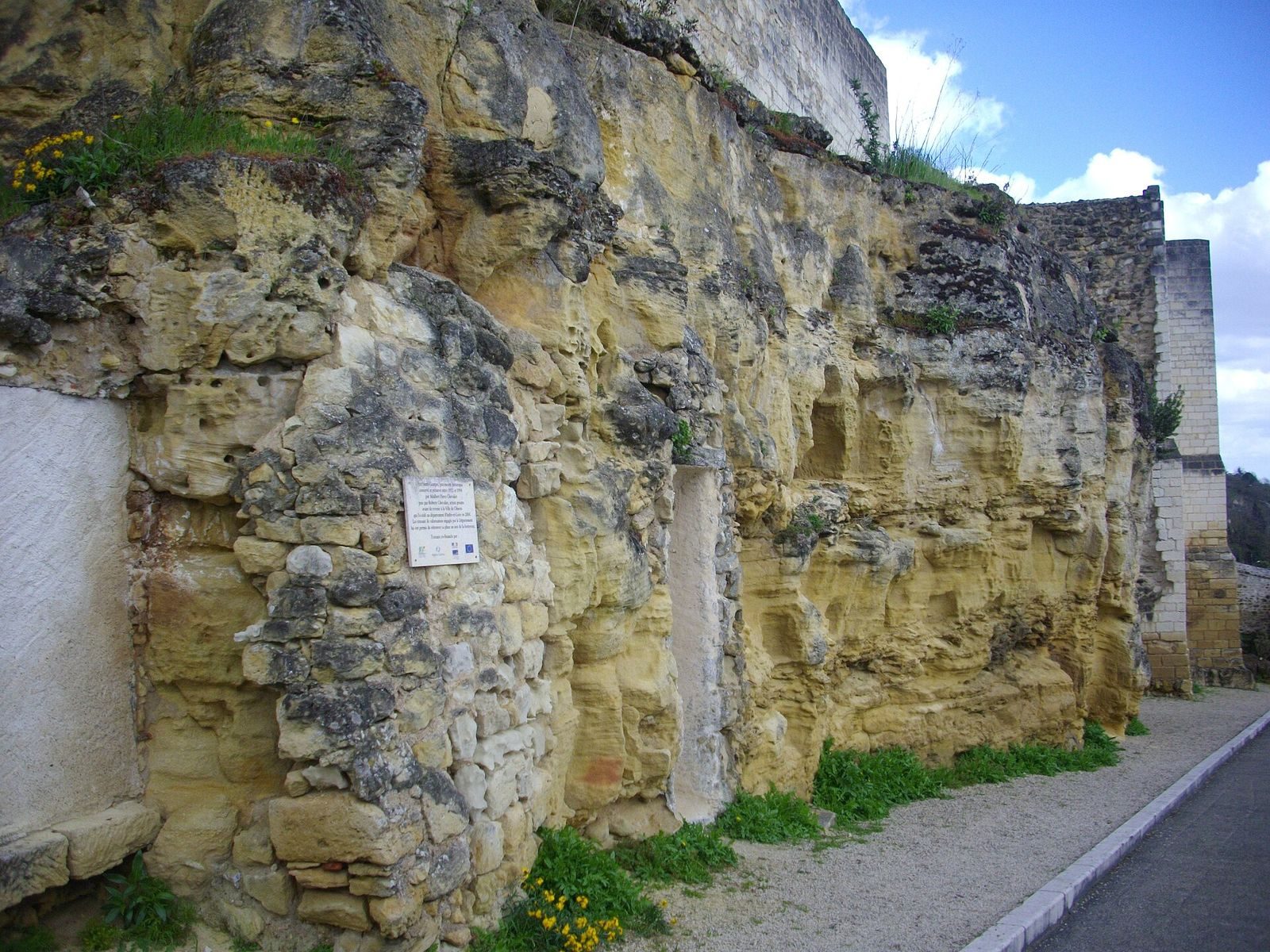
Site at a Glance
- Popularity
- Low
- Country
- France
- Primary era
- Medieval
- Eras represented
- Medieval
- Civilizations
- Unclassified
- Site type
- Military
- Remains
- Fort
On this page9 sections
History
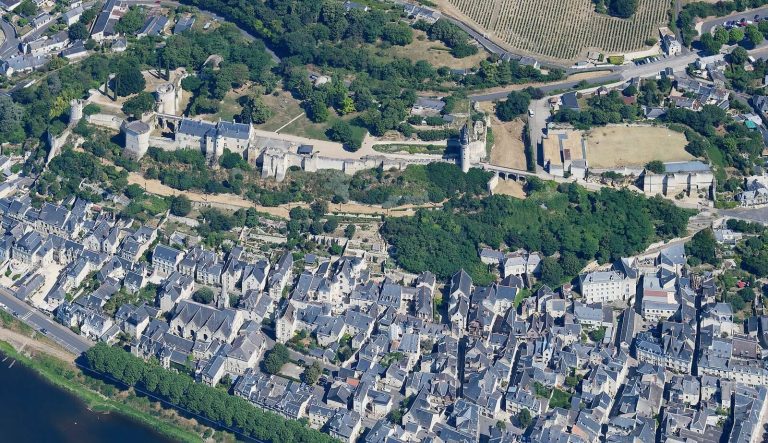
Fort Saint-Georges is the easternmost of the three fortified sections of the royal fortress at Chinon, France. Henry II (1133–1189), king of England from 1154 to 1189 and a member of the Plantagenet royal house, built it in the second half of the twelfth century to defend the entrance to the main castle.
Decline and agricultural use
From the sixteenth century, the fort lost its defensive role as kings stopped staying at Chinon, and it was abandoned. A chapel dedicated to Saint George, probably dating from the Plantagenet period, disappeared in 1763. In the eighteenth century, vineyards were planted after a layer of topsoil several decimeters deep was added. The site later became derelict agricultural land.
Protection and archaeological work
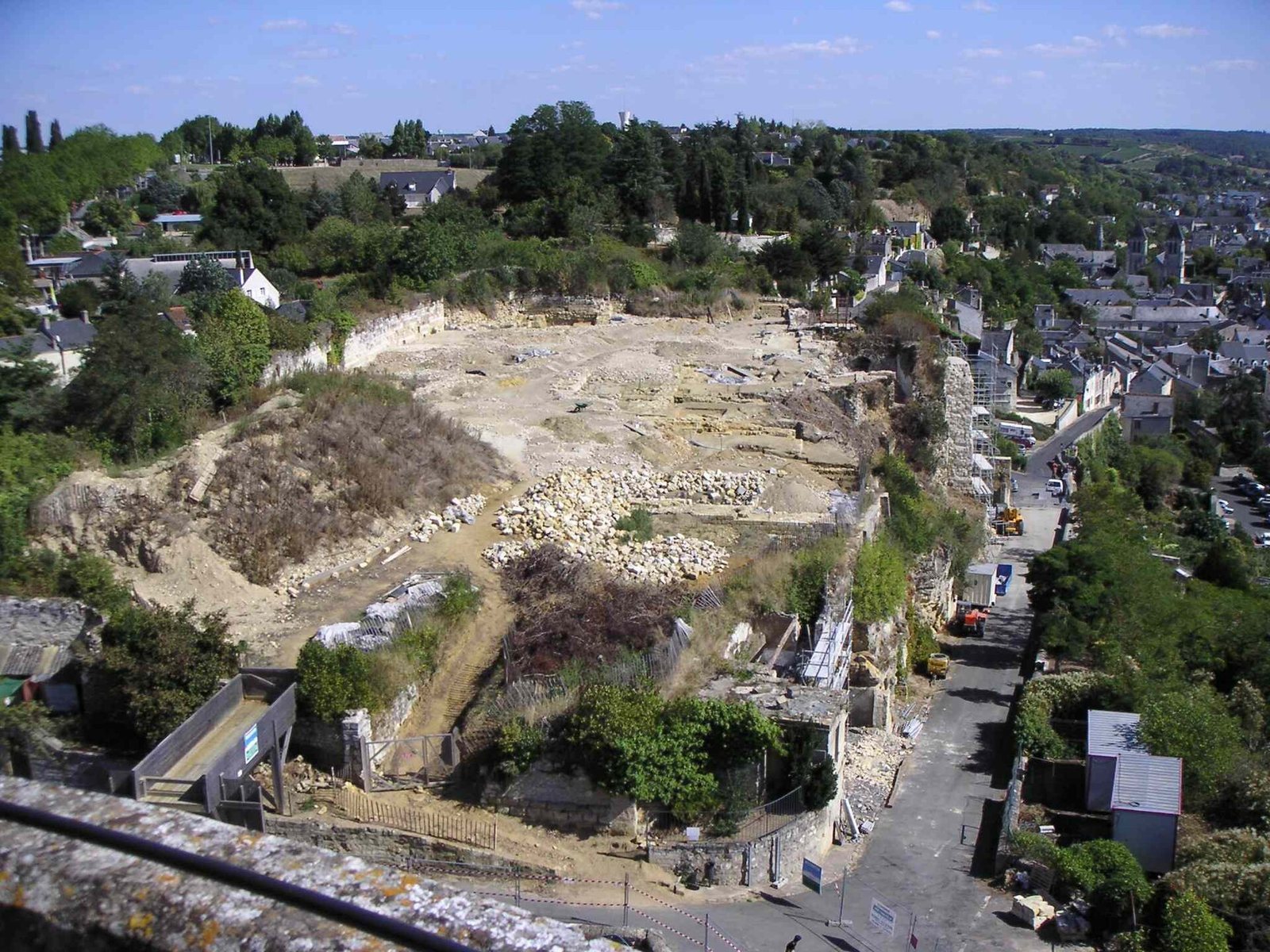
The fort’s remains were listed as historic monuments in 1926, 1927, and 1931. The Indre-et-Loire departmental council acquired the site in the early 2000s, after which it was excavated and rehabilitated.
Remains
Layout and setting
The nearly rectangular fort occupies the eastern end of the castle site, where the castle spur begins. A north-south valley separates it from the main castle, although the western connection between the two areas changed over time. The fort stands at an average elevation of 88 metres, more than 40 metres above the Vienne valley, and walls enclose its area.
Buildings and defensive features
Courtyard buildings
Many buildings and two towers occupied the enclosed area, arranged around a courtyard. The oldest buildings date from the fort’s construction, and later alterations changed the group repeatedly. Their functions are uncertain, though they may have served as administrative buildings for Henry II’s officials.
Towers
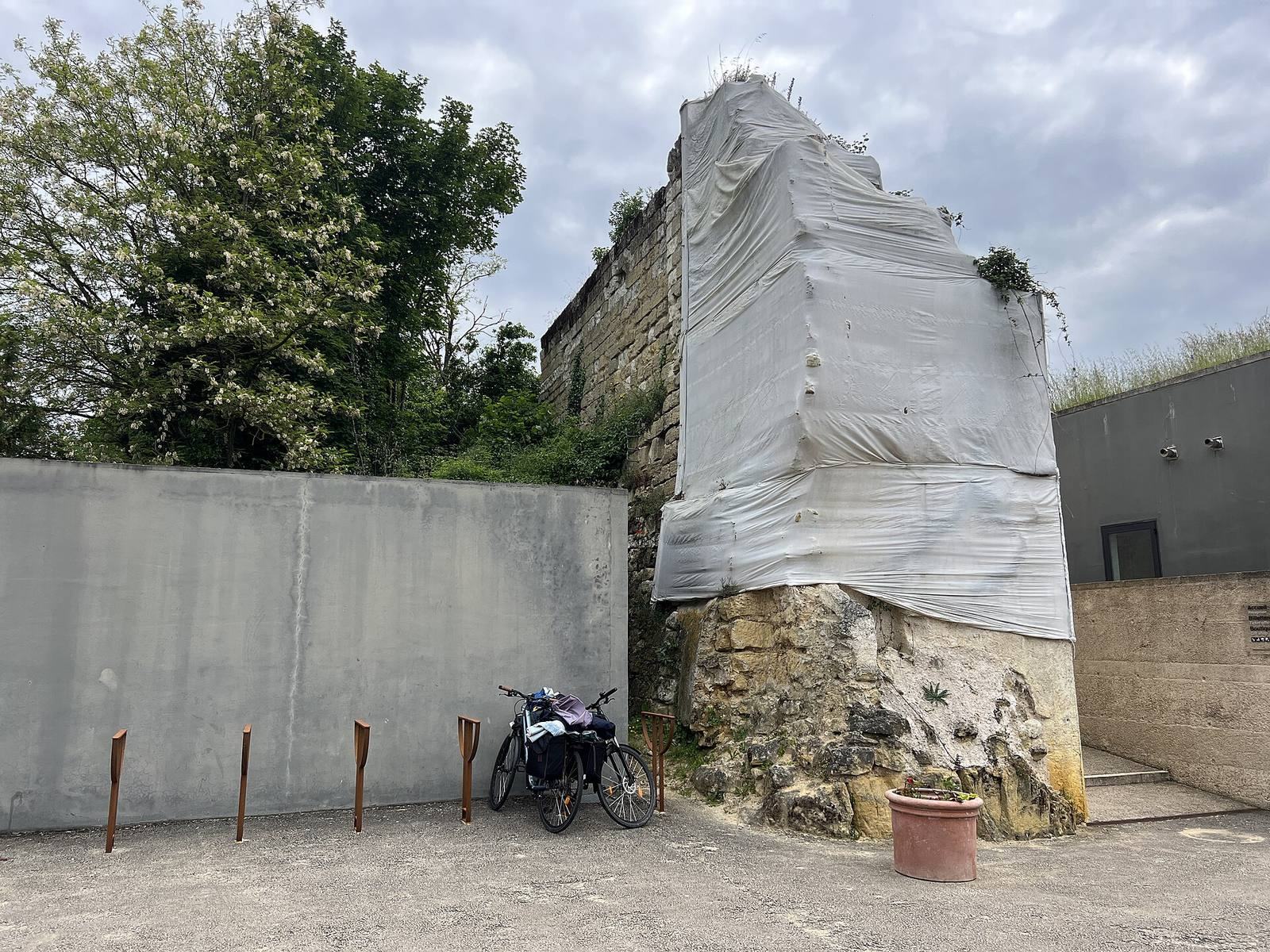
Several towers stood at the northwestern and northeastern ends of the fort. Some belonged to its original layout, while others were added or modified later. One of the two towers partly collapsed in 1907.
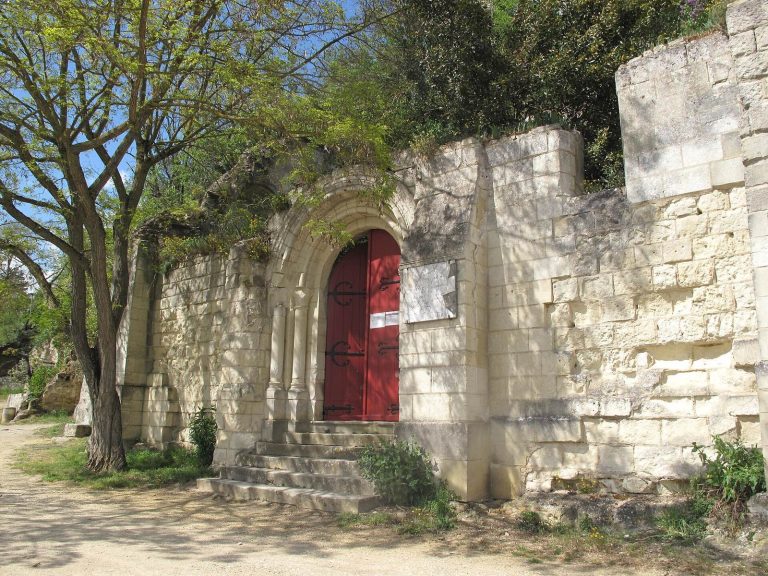
Chapel
The chapel dedicated to Saint George stood at the fort’s southeastern corner.