Château de Caudon: A Country House and Estate in France
Site at a Glance
- Popularity
- Low
- Country
- France
- Primary era
- Modern
- Eras represented
- Modern
- Civilizations
- French
- Site type
- Domestic
- Remains
- Elite Residence
On this page10 sections
History
Estate purchase and construction
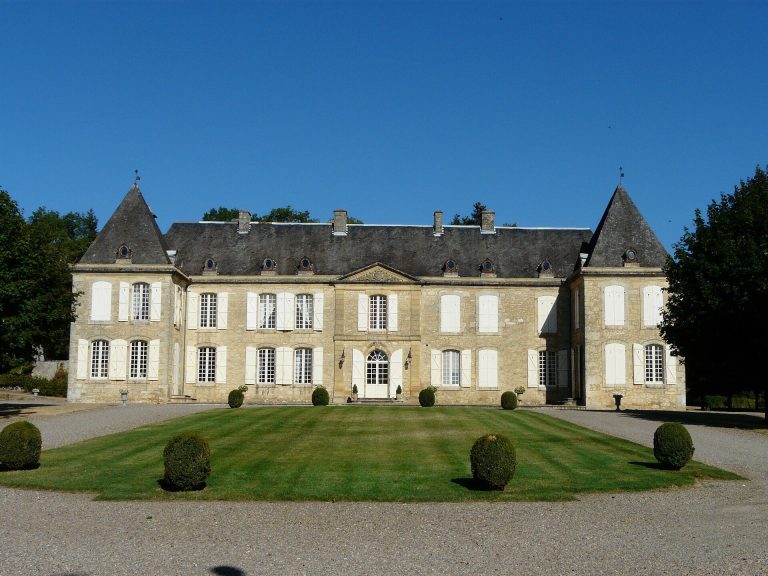
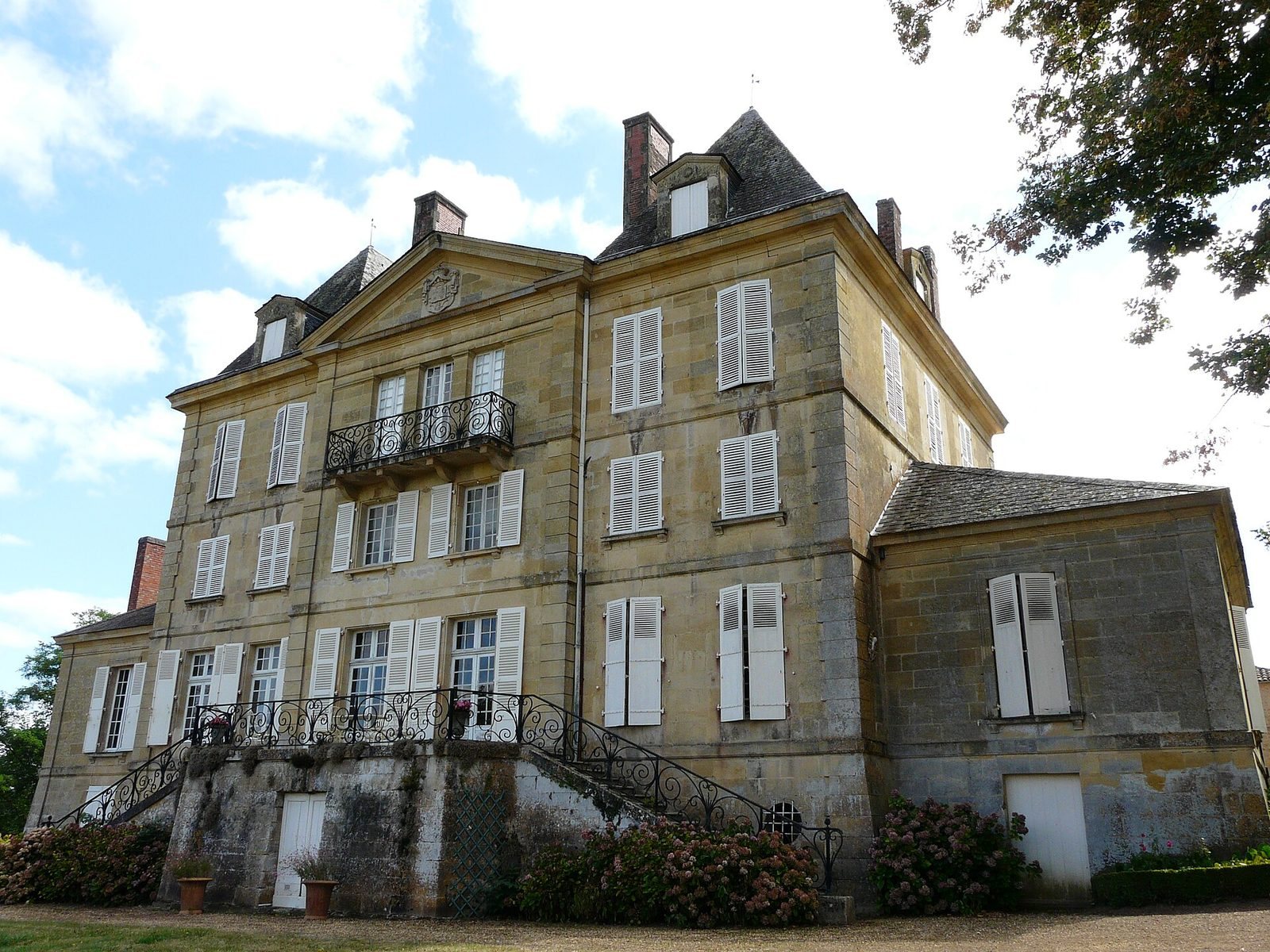
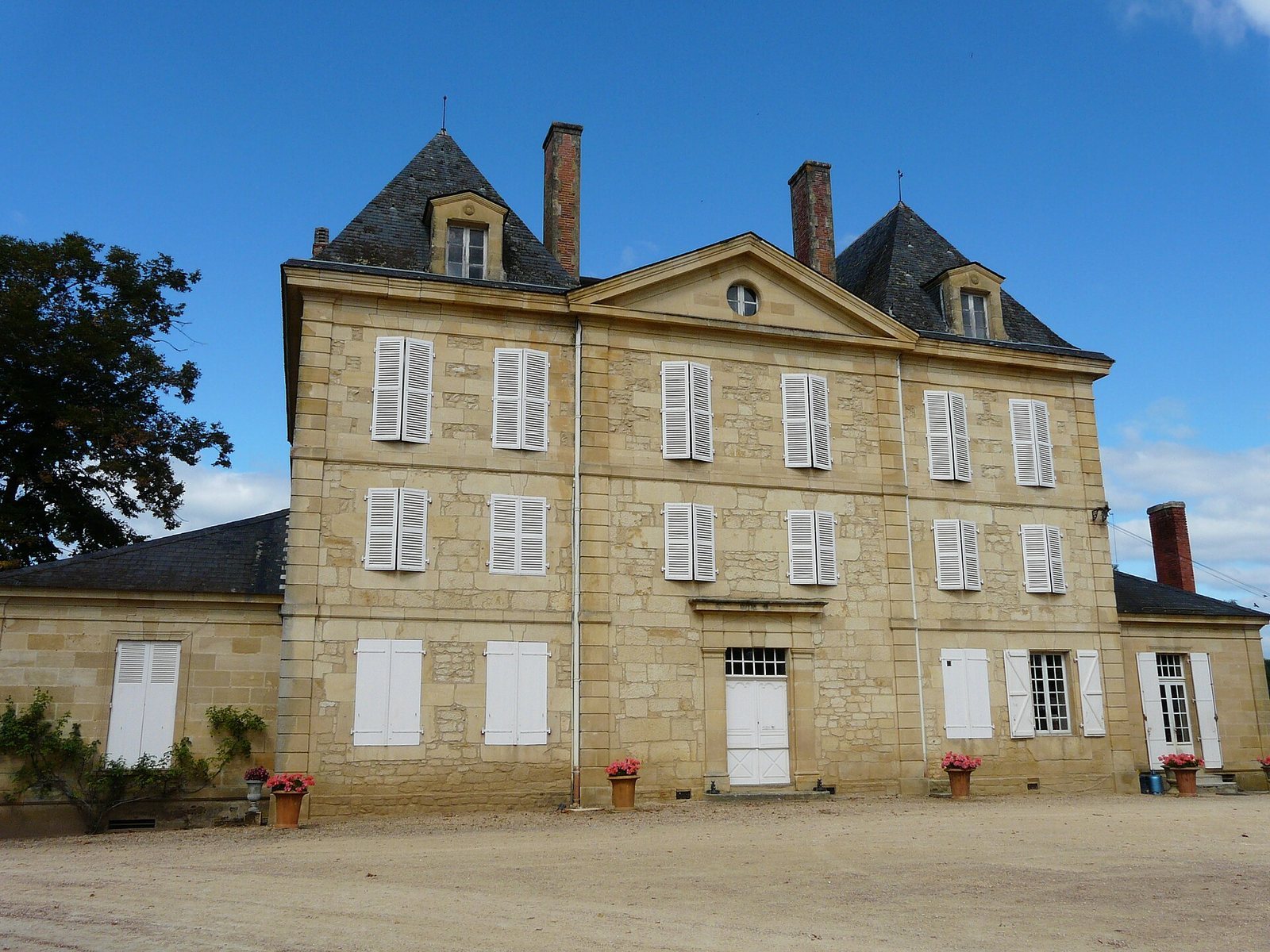
Château de Caudon is a country house in France, on the left bank of the Dordogne about three kilometres northeast of Domme. Jacques de Maleville bought the estate of Las Bories, formerly a noble stronghold, in 1777 and had the château built there in 1805. A lawyer who later helped draft the French Civil Code, France’s codification of civil law, de Maleville created a residence on the estate. Its architectural period is associated with the reign of Louis XVI, the final phase of the French monarchy before the Revolution, and the French Empire under Napoleon I.
Gardens and estate development
Between 1808 and 1814, de Maleville created a formal French garden with an ordered geometric layout and a French landscape garden shaped by more naturalistic forms. His son Pierre Joseph later laid out the park and had outbuildings and an orangery built. An orangery is a building traditionally used to shelter citrus trees in cold weather.
Alterations and protection
In 1835, Lucien, Pierre Joseph’s son and a future deputy in the National Assembly and senator for Dordogne, had the château raised by one floor and added two lateral pavilions.
Protection of the château’s façades and roofs as a historic monument began in 1998 and extended to the entire estate in 2015. The gardens also hold France’s Remarkable Garden designation, which recognizes notable gardens. The estate’s chapel has been protected as a historic monument since 1948.
Remains
The estate’s main residence, side pavilions, outbuildings, and gardens form its principal groups of surviving features. The château stands on a rise roughly 30 metres above the Dordogne valley.
Residence and estate buildings
Main residence
The main building has an added upper floor and two lateral pavilions. Its features include a southeast façade and entrance, a doorway into the main building, and the de Maleville family coat of arms.
Outbuildings and orangery
The estate includes outbuildings and an orangery among its grounds. The orangery is part of the group of buildings developed alongside the residence and park.
Gardens
The grounds contain both a formal French garden and a French landscape garden. An avenue of 32 plane trees, each nearly two centuries old, is among the garden features. The estate also includes a boxwood topiary garden, where plants are clipped into shaped forms, with a labyrinth, as well as a Lebanon cedar and a giant sequoia.
Monolithic chapel
The estate’s monolithic chapel, carved from a single mass of rock, lies more than one kilometre east of the château. It stands on one of the earliest Christianized sites in Périgord, a historic region in southwestern France centered on present-day Dordogne.