Colonster Castle: A Fortified Castle Transformed into a Pleasure Residence
Site at a Glance
- Popularity
- Low
- Country
- Belgium
- Primary era
- Early Modern
- Eras represented
- Early Modern
- Civilizations
- Holy Roman Empire
- Site type
- Domestic
- Remains
- Castle
On this page4 sections
History
From fortified castle to pleasure residence
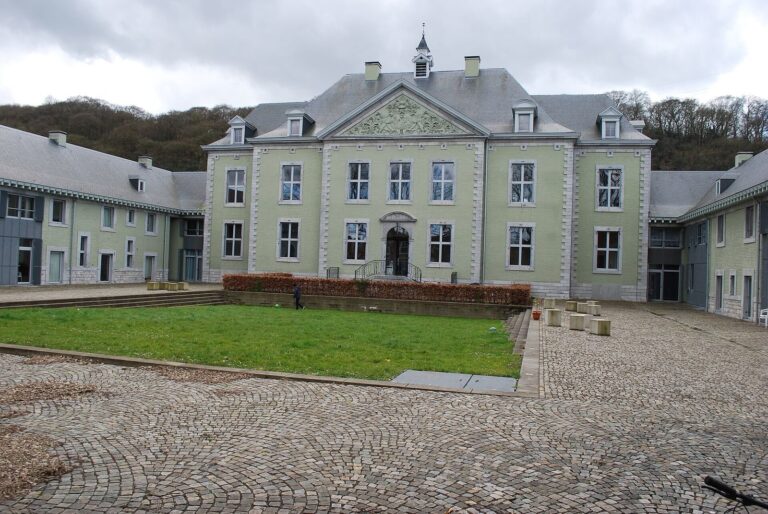
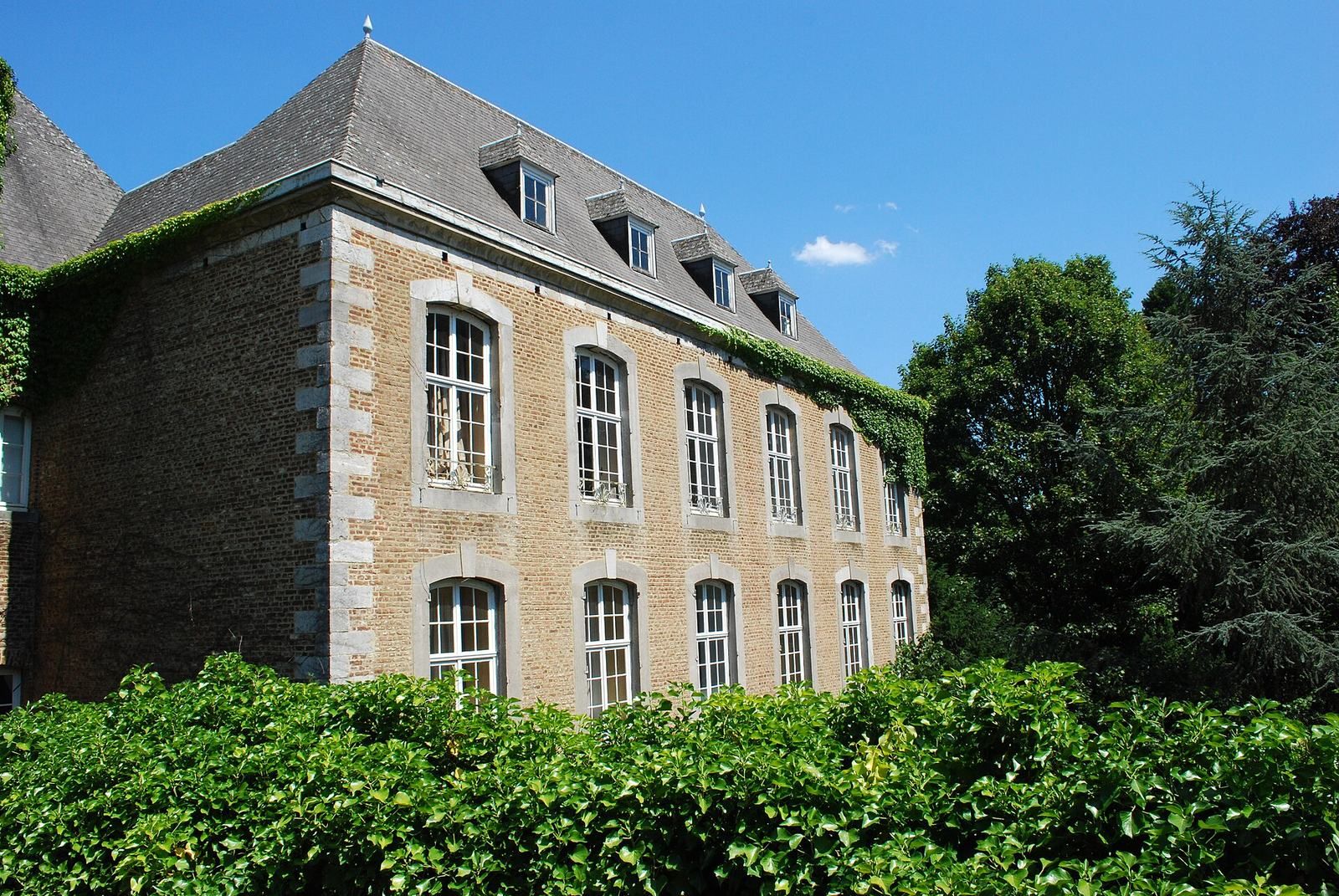
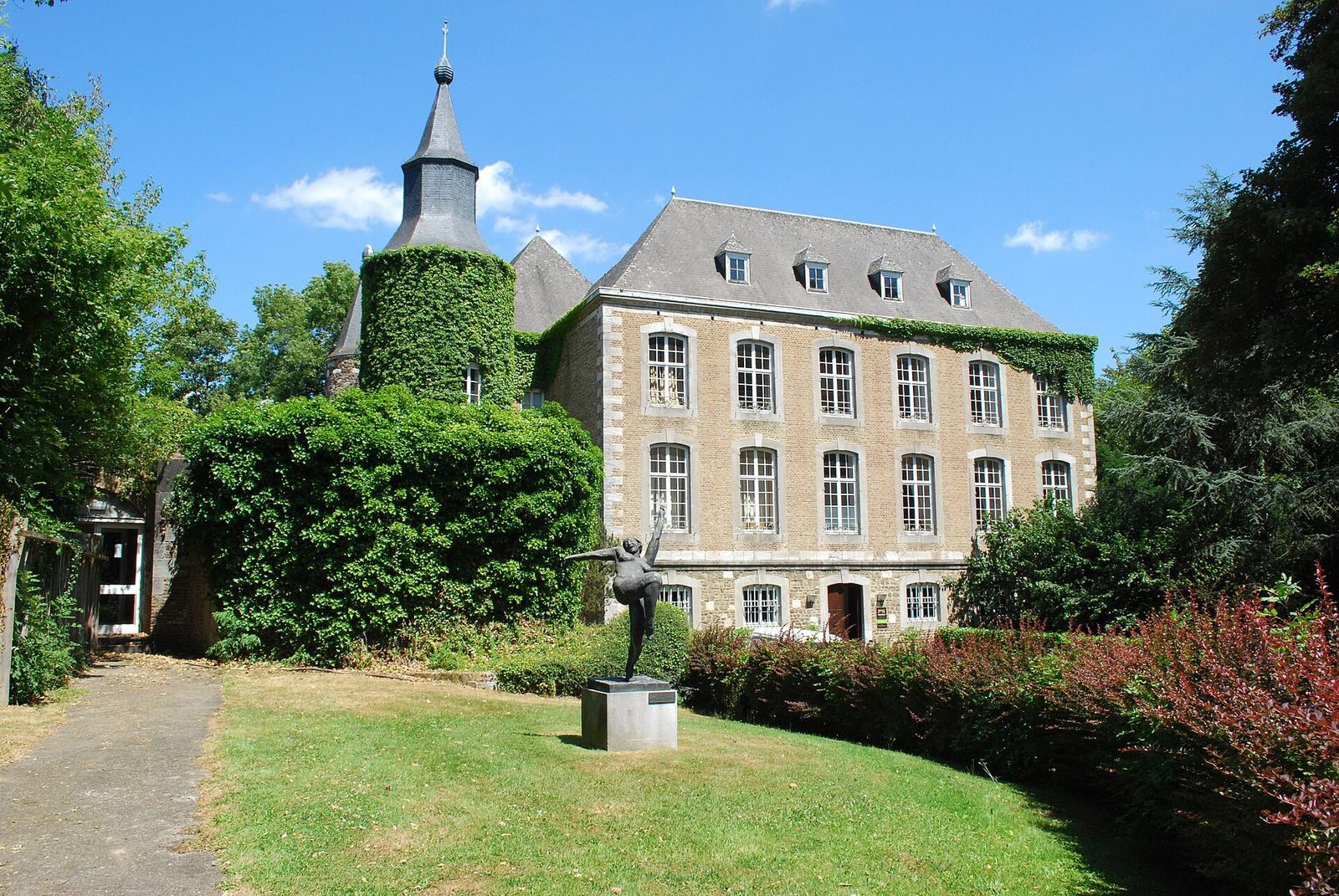
Colonster Castle is a historic residence in Sart-Tilman, at the edge of Liège, Belgium, overlooking the Ourthe valley. First recorded in the fourteenth century, it originally served as a residence. In the eighteenth century, the nobleman Maximilien-Henri-Hyacinthe, Count of Horion, transformed the fortified castle into a pleasure residence.
Ownership and university use
In 1787, jurist and lawyer Mathias-Guillaume de Louvrex acquired the land and lordship of Colonster, the territory over which a lord held authority. Baron de Hasselbrouck bought the castle the following year. It later passed to the de Sélys-Longchamp family, the Barons of Chestret from 1863 to 1882, Baroness de Waha from 1882 to 1891, Baron Allard from 1891 to 1920, and the Barons van Zuylen from 1920.
The University of Liège bought the castle and surrounding land from Baron P. van Zuylen in 1963. A fire destroyed a large part of the castle in 1966. Architects Henri Lacoste and Jean Opdenberg led its restoration and adaptation for contemporary uses, including receptions and meetings. The castle and park have belonged to the university since 1963; the castle now also accommodates a starred restaurant.
Remains
The castle stands on a rocky spur overlooking the Ourthe valley, and its park forms part of the Sart-Tilman estate. Its present appearance reflects the eighteenth-century transformation from a fortified castle into a pleasure residence.
Painter Paul-Joseph Delcloche was responsible for the castle’s decoration. An interior portrait of the Count of Horion was painted by Edmond Plumier, an artist from Liège.