Lux Castle: A Former Fortress and Historic Residence in France
Site at a Glance
- Popularity
- Low
- Country
- France
- Primary era
- Early Modern
- Eras represented
- Medieval, Early Modern
- Civilizations
- Duchy of Burgundy, French
- Site type
- Domestic
- Remains
- Castle
On this page7 sections
History
Lux Castle is a historic residence in Lux, France. Its present building dates to the early 16th century and replaced a fortress probably built in the late 12th century. The castle is also associated with Henri IV’s 1595 campaign and his stay there after the Battle of Fontaine-Française.
From fortress to early château
The first fortified castle was probably built in the late 12th century. In 1184, Duke Hugh III of Burgundy granted the lands of Lux to Guy I of Til-Châtel, a Burgundian lord, on condition that he fortify the place.
The Mâlain family owned the estate from the late 15th century into the early 17th century. During this period, in the early 16th century, the present castle was built to replace the older fortress.
The Mâlain era and the 1595 battle
On the morning of 5 June 1595, Henri IV, king of France from 1589 to 1610, assembled troops at Lux. He then marched against forces led by the Duke of Mayenne, a leading Catholic League commander, and the Constable of Castile, a senior military office in the kingdom of Castile. Their forces had come from Franche-Comté to relieve Catholic League supporters trapped in Dijon Castle. The League was a Catholic political and military coalition active in France’s wars of religion.
The armies met east of Fontaine-Française. Edme de Mâlain and Marshal Biron led a cavalry charge; Mâlain was thrown from his horse, while Biron became surrounded. Henri IV entered the fighting with a small force, helping secure victory. He returned to Lux Castle that evening.
Later owners and modern history
After the Mâlain family, the castle passed to governors of Burgundy and then, from 1646 to 1668, to the Prince of Condé, a title held by members of a prominent branch of the French royal House of Bourbon. Claude du Housset, Marquis of Til-Châtel, became its owner afterward. In 1683, his niece Catherine d’Aguesseau received the estate as a dowry when she married Charles de Saulx-Tavannes.
Descendants of the Saulx-Tavannes family kept the castle after the French Revolution and lived there until it was sold in 1979. Prince Meli Lupi de Soragna was the last of these descendants to reside there. The Quirot de Corbeton family also visited several times; Nicolas Quirot de Corbeton, a military commissioner in Turin and a knight of the Order of Saint Louis and the Legion of Honour, died at the castle in 1843.
An order of 8 January 1946 registered the castle, its chapel, and 13th-century remains under France’s historic-monument system, which protects historic buildings and sites. The castle is now privately owned.
Remains
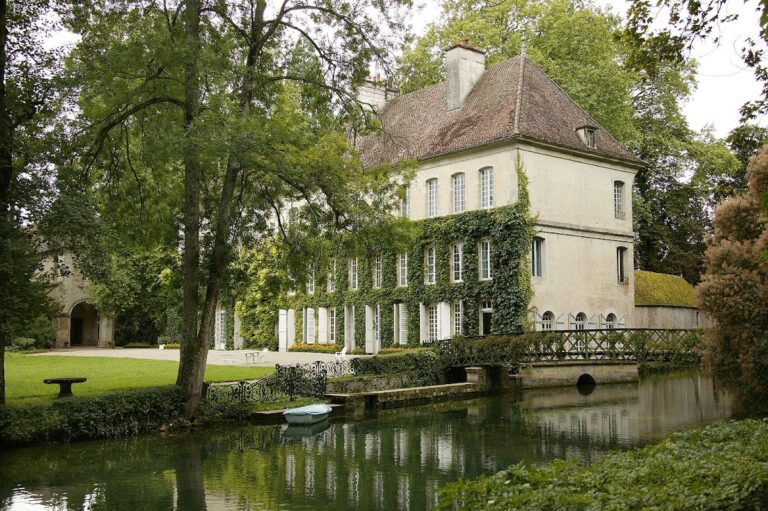
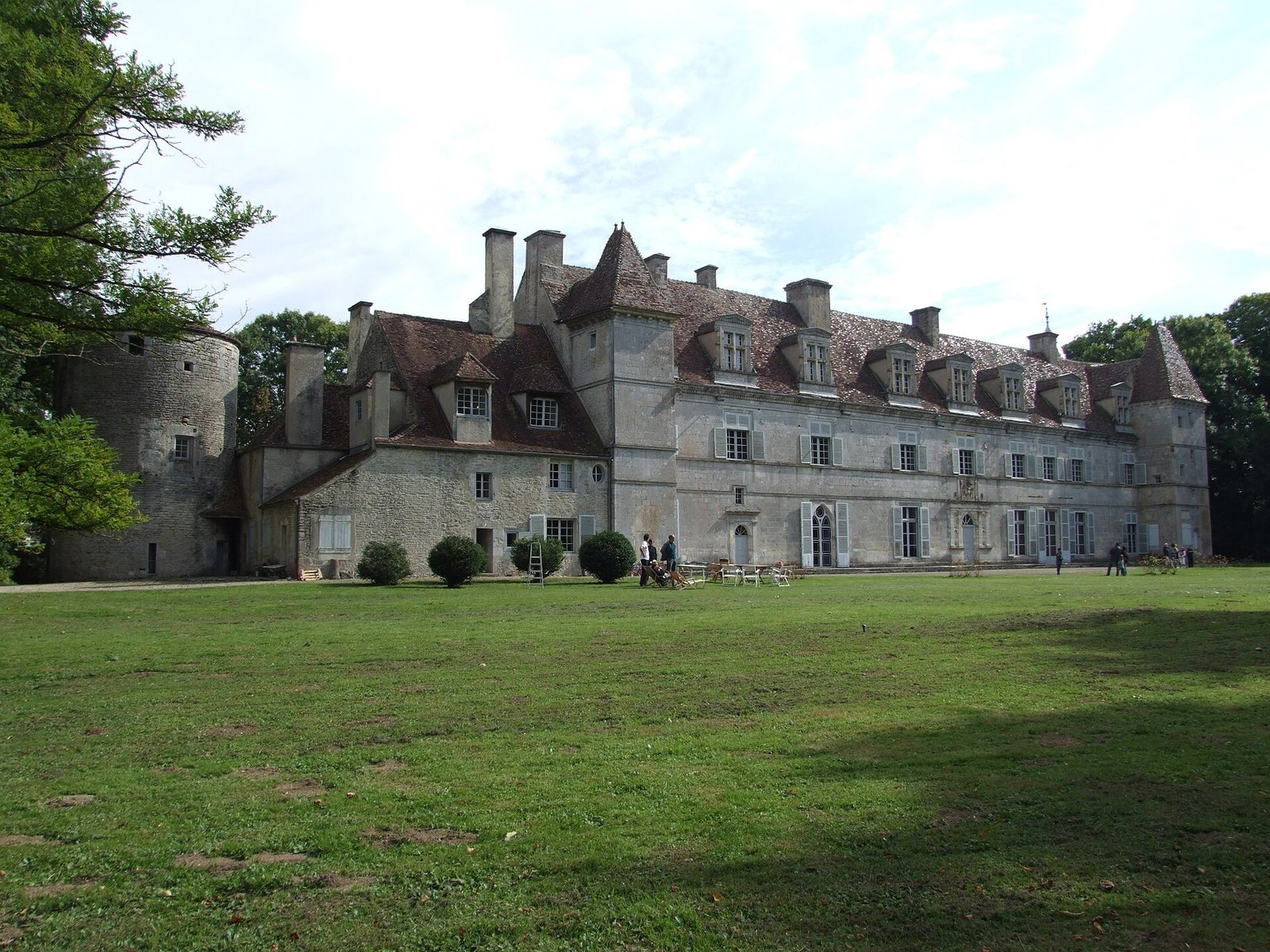
The surviving complex brings together a long stone residence, structures in the park, and traces of the earlier fortified site.
Main residence
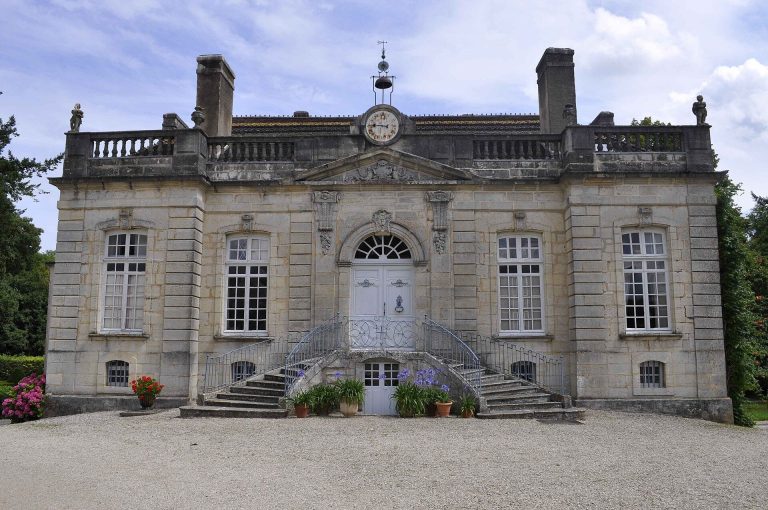
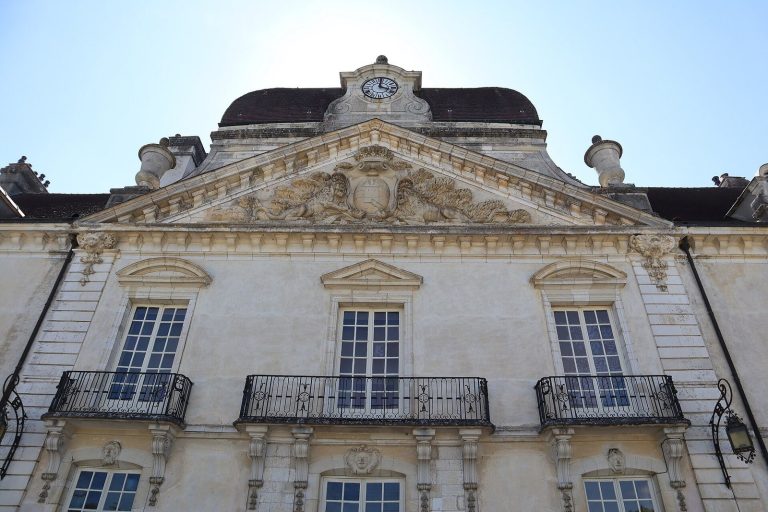
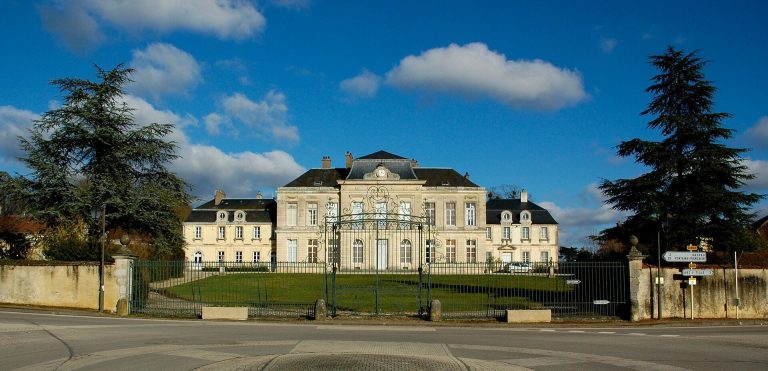
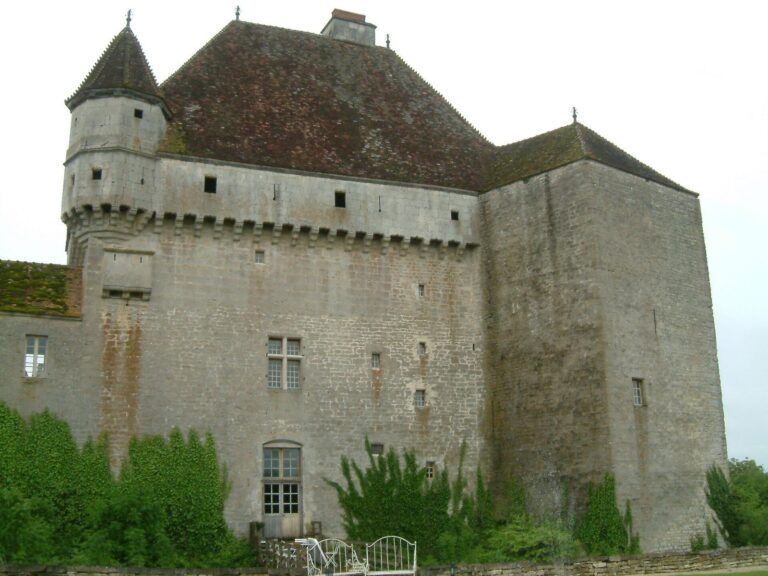
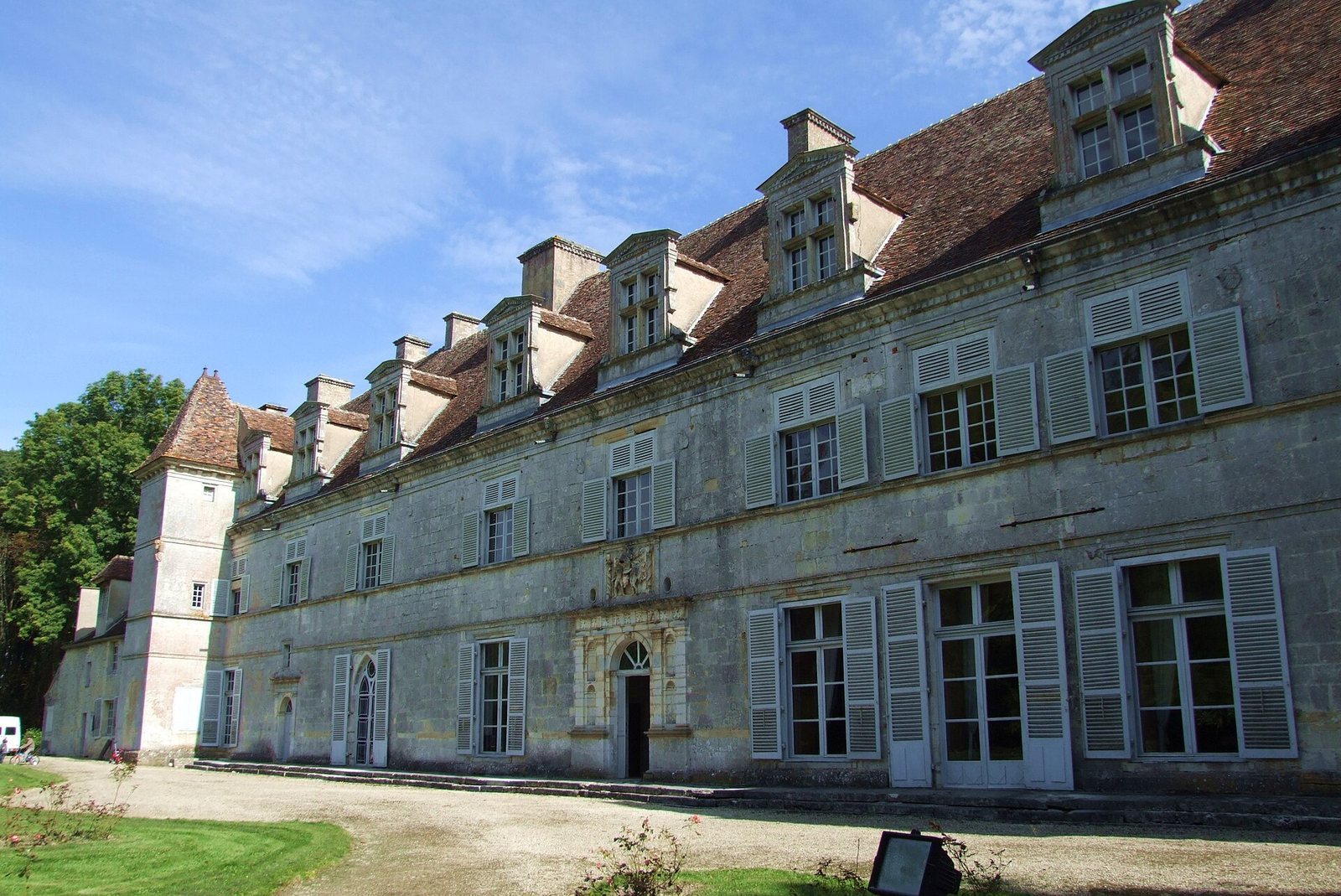
The main building is made chiefly of local stone. One façade is framed by two small square pavilions, while the opposite side is flanked by two towers of unequal size. On the park side, flat attached supports with vertical grooves frame the entrance. Above the doorway, a carved cartouche, or ornamental panel, sits between two columns; it once carried heraldic arms. Fragments of frescoes, paintings applied to plaster while it is wet, survive inside from the rebuilding.
Park structures and earlier remains
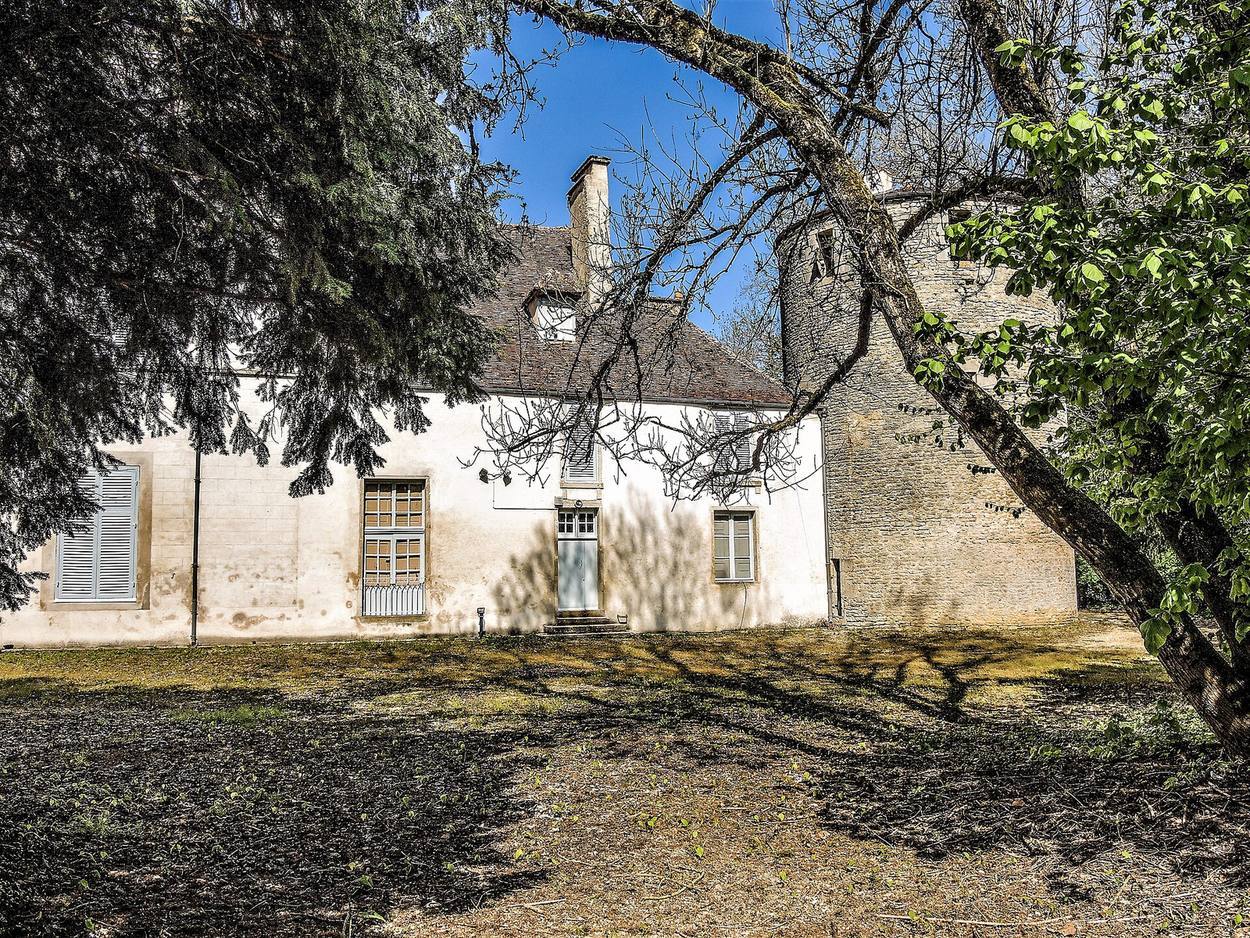
The park contains two separate towers and a chapel. A few elements of the earlier fortress also survive at the site.