Matzen Castle: A Medieval Castle Transformed into a Palace in Austria
Site at a Glance
- Popularity
- Medium
- Country
- Austria
- Primary era
- Early Modern
- Eras represented
- Medieval, Early Modern, Modern
- Civilizations
- Austrian Empire, Habsburg, Holy Roman Empire
- Site type
- Domestic
- Remains
- Castle
On this page4 sections
History
Early Castle and Palace Transformations
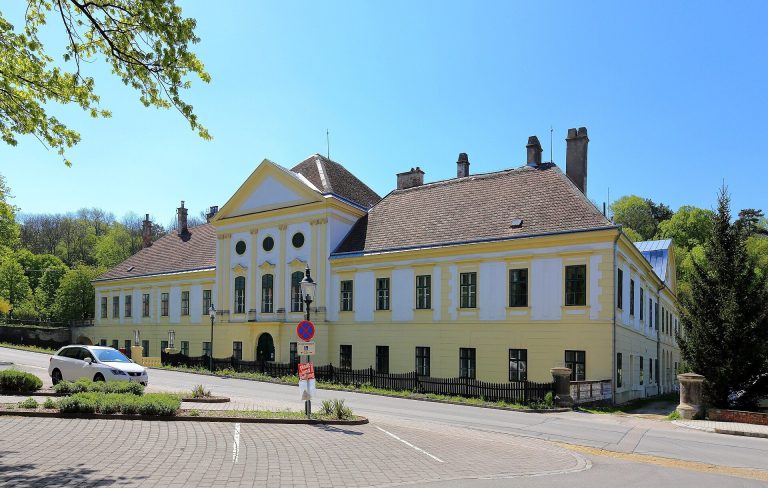
Matzen Castle is a medieval castle in Matzen-Raggendorf, Lower Austria, Austria. It was probably built in the 12th century, around the time the settlement of Matzen was founded.
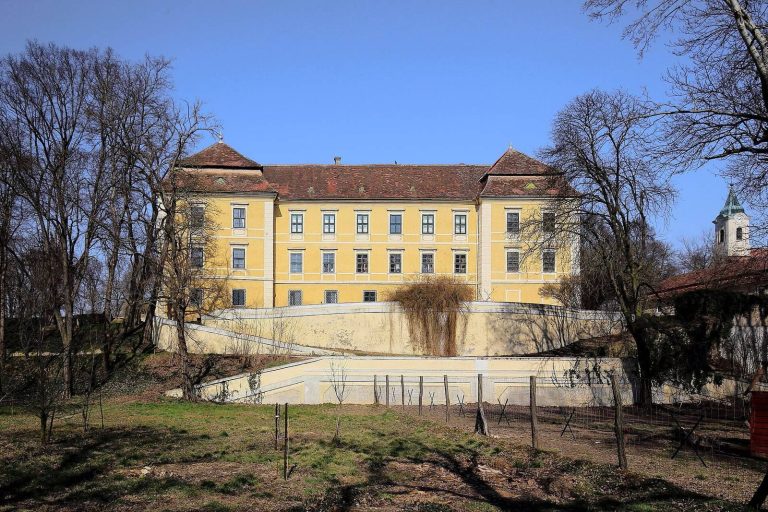
From 1551, the Barons of Herberstein held the castle and converted it into a palace. The Fünfkirchen family owned it from 1629 to 1700. Building work during their ownership, particularly their own projects, helped shape the palace’s present form.
Matzen passed to the Kinsky family through marriage. In 1827, Count Christian Joseph Kinsky undertook a further transformation of the castle, recasting it in a Romantic, Neo-Gothic style.
Twentieth-Century Ownership, Reuse, and Dispute
In 1931, Count Paul Kinsky sold Matzen to the Löw family. Their firm, Gustav and Wilhelm Löw, manufactured distilled alcoholic beverages and leased numerous agricultural properties in the surrounding area for production.
The castle was plundered at the end of the Second World War and then fell into decay. An engineer bought the complex in 1963 and began renovation work.
From 1966 to 1989, the castle housed a branch of the Museum of Ethnology, an institution that studies peoples and cultures through material objects and other evidence of cultural life. It has been in private ownership for many years.
A legal dispute concerning the castle has drawn attention since 2015. Heavy rain caused an exterior wall to collapse and triggered a mudslide. A house below the slide was declared uninhabitable, and its owner was ordered to leave. After years of dispute, the slope received only emergency stabilization.
Remains
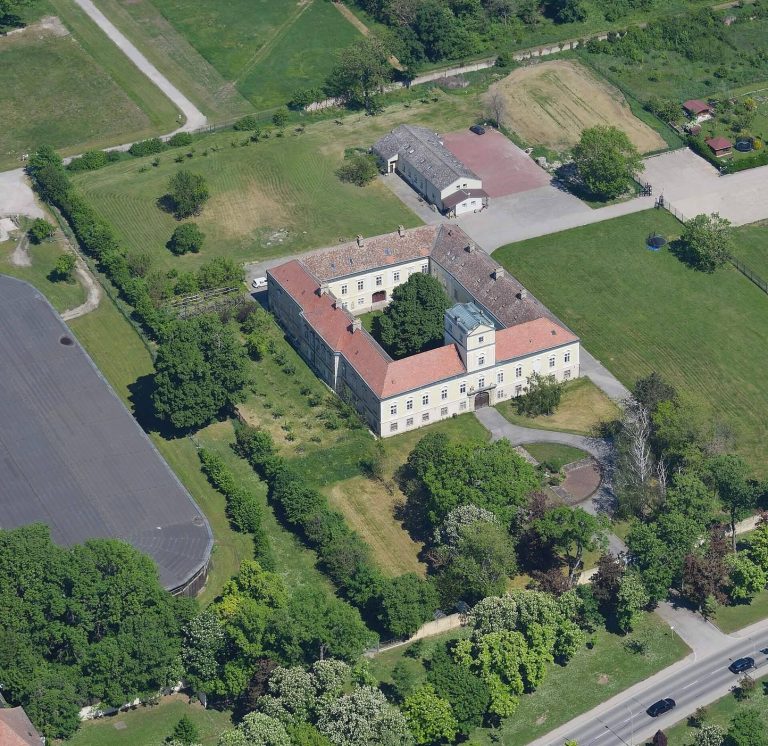
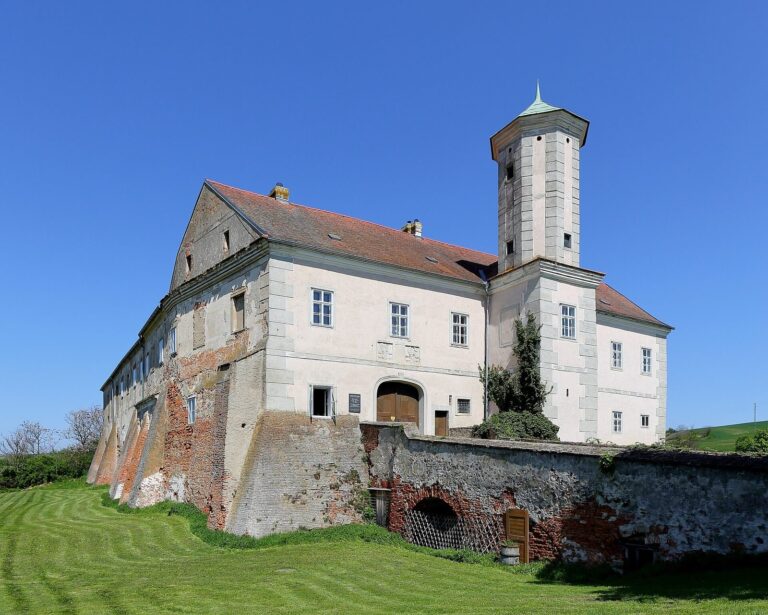
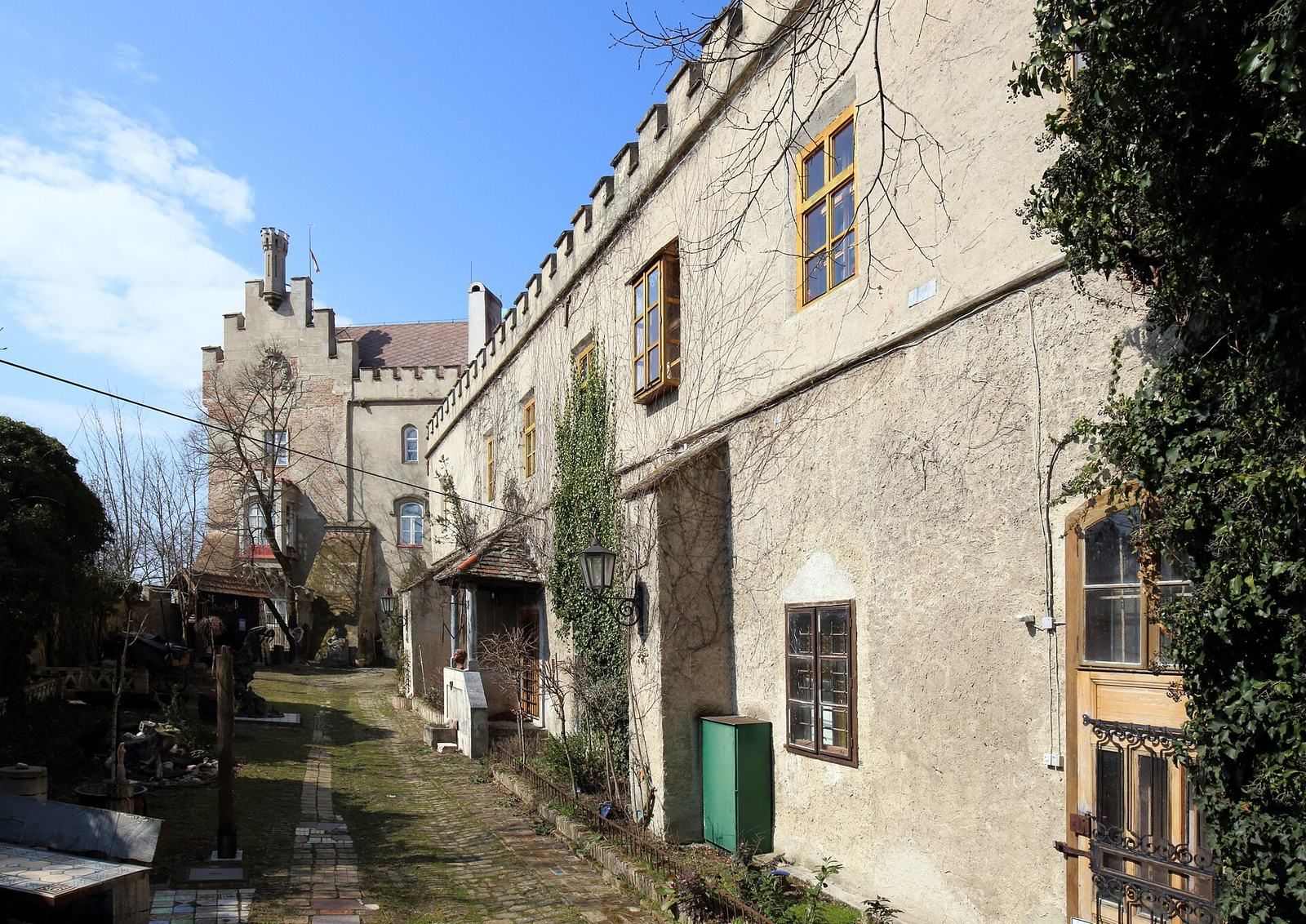
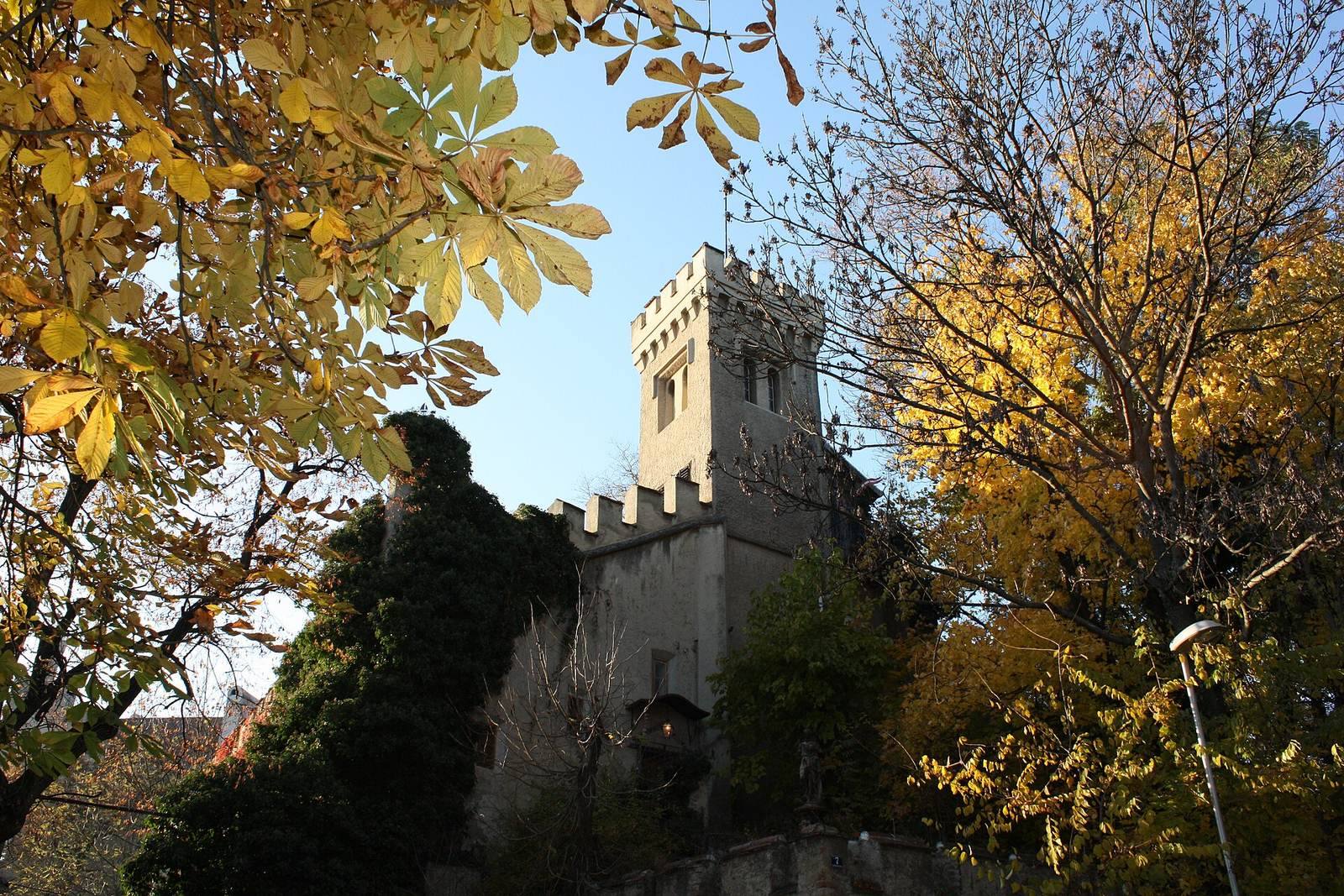
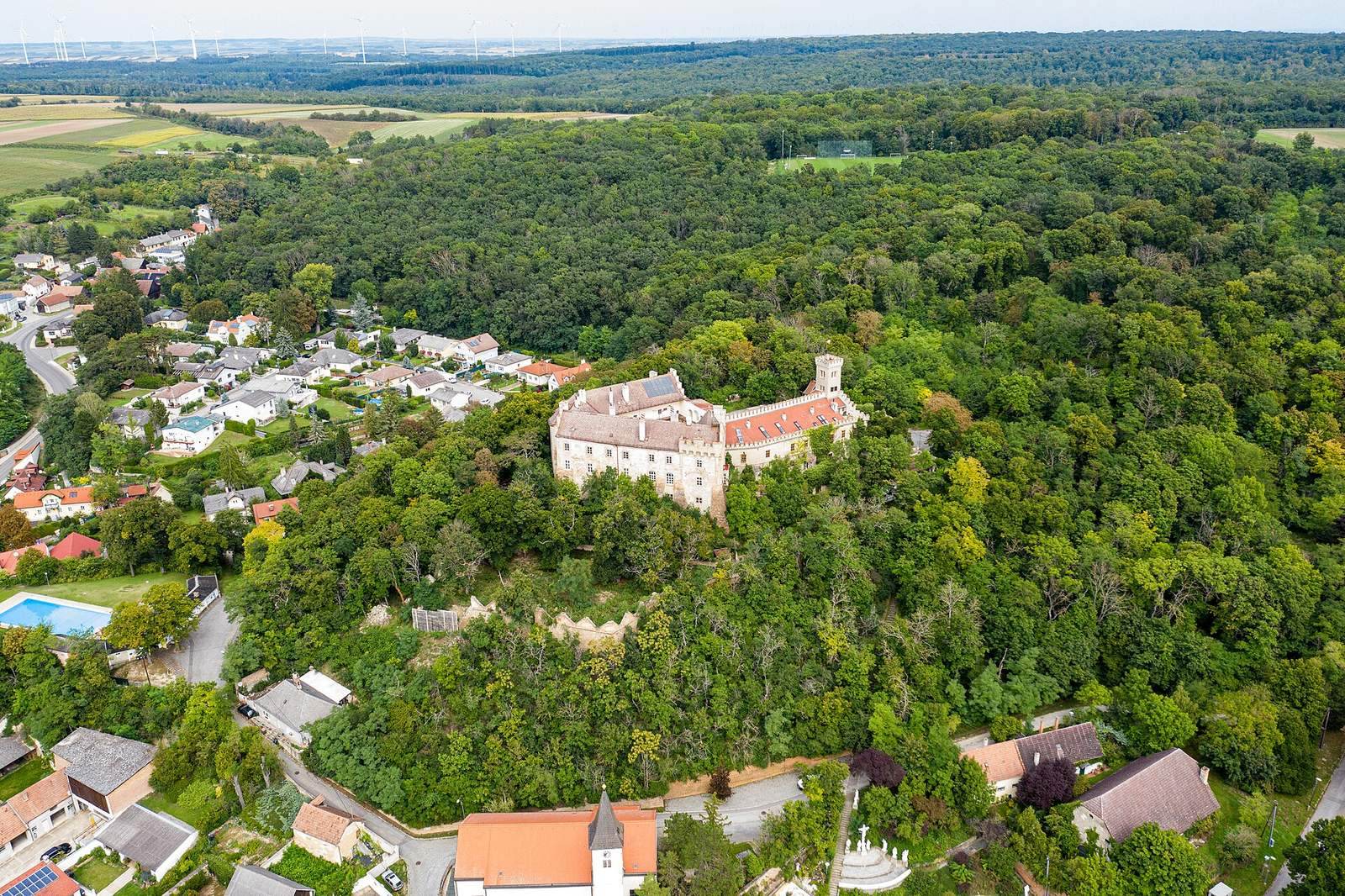
The elevated complex is an irregular group of buildings that includes a courtyard bordered by a row of arches. Its architecture reflects the conversion into a Renaissance palace, a style drawing on forms associated with classical antiquity, and the later Romantic, Neo-Gothic transformation. Romanticism was a 19th-century cultural movement, while Neo-Gothic design revived medieval Gothic forms.
The main building has three storeys. The complex also includes a square tower and crenellated walls, whose upper edges have alternating raised sections and openings. The buildings are in difficult structural condition.