Schadeck Castle: A Medieval Counter-Castle Opposite Runkel
Site at a Glance
- Popularity
- Medium
- Country
- Germany
- Primary era
- Medieval
- Eras represented
- Medieval
- Civilizations
- Holy Roman Empire
- Site type
- Military
- Remains
- Castle
On this page6 sections
History
Foundation and conflict with Runkel
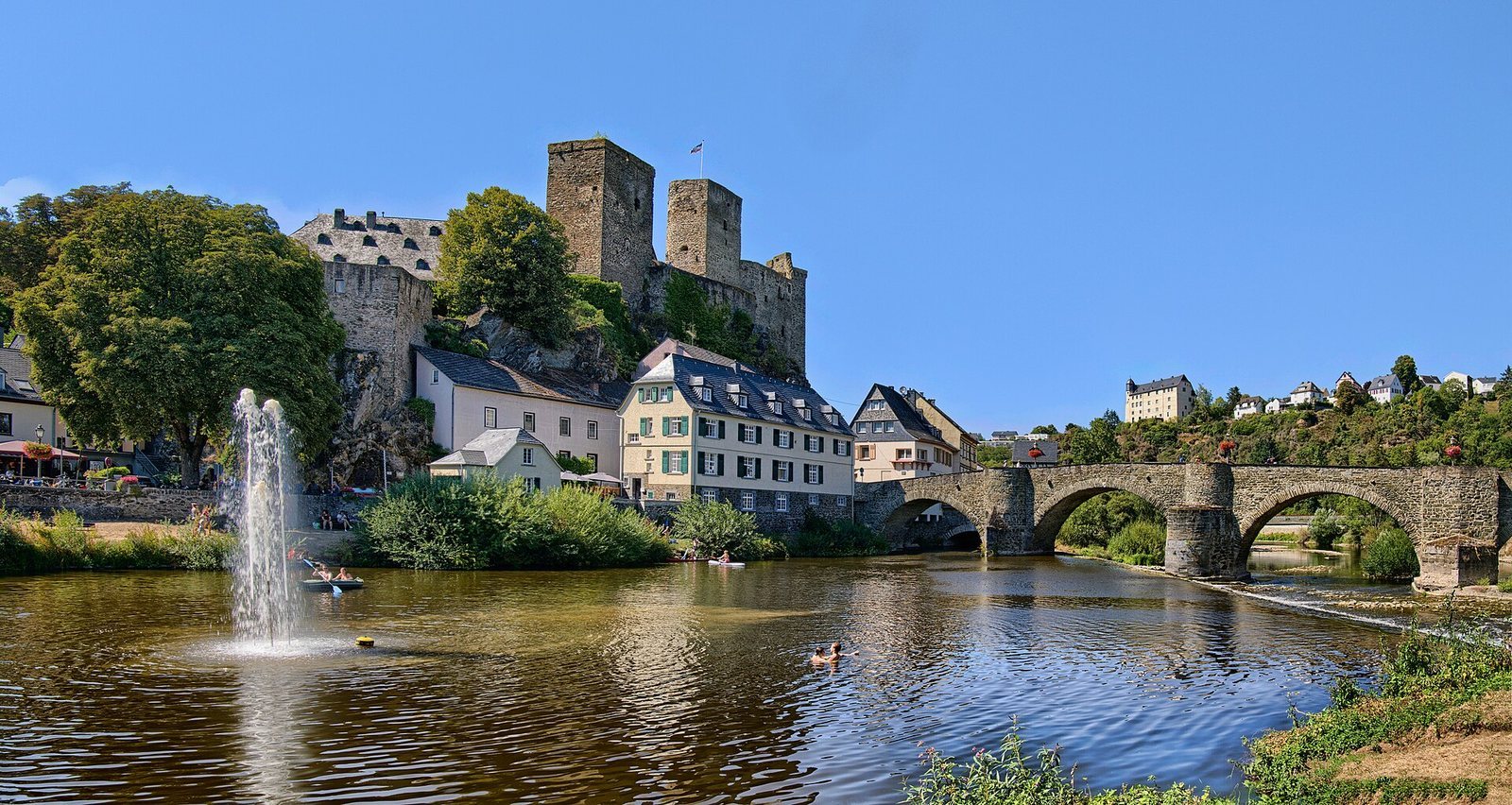
Schadeck Castle is a hill castle in Schadeck, a district of Runkel in Hesse, Germany. Henry of Westerburg built it between 1276 and 1288 to oppose nearby Runkel Castle, then held by his cousin, during disputes over inheritance and property. Runkel was never captured. The castle and the surrounding settlement took their name from this purpose, with the name referring to “a corner to the detriment of Runkel Castle.”
Fourteenth-century control
After hostilities between the two parties, an agreement dated 21 July 1321 required Reinhard of Westerburg, then lord of Schadeck, to transfer the castle to Baldwin, Archbishop of Trier, as a fief, property held under feudal obligations. The agreement was not carried out. Baldwin captured Schadeck in 1344 as he sought to secure and extend his territories east of the Rhine.
A 1346 agreement proposed dividing the castle, but Reinhard sold his entire share to Baldwin later that year. The Westerburgs appear to have remained at Schadeck as Baldwin’s vassals, or dependants bound to a lord through feudal obligations. The castle’s social status was that of the free nobility, a class of nobles with free rather than dependent standing.
Inheritance conflict and wartime damage
On 9 September 1622, during an inheritance dispute, Philip Ludwig I of Wied expelled his older brother, Hermann II of Wied-Runkel, from Runkel Castle and its lordship. Philip considered himself disadvantaged by the division. Hermann and his family fled to Schadeck for refuge. The Thirty Years’ War, a major European conflict fought from 1618 to 1648, brought damage to the castle: parts, particularly the north wing, were demolished during the war and again in 1803.
Municipal use and restoration
From the early nineteenth century, ownership changed repeatedly and the castle was divided among different owners. Its west wing housed Schadeck’s municipal mayor’s office from 1821, and around 1850 the village school occupied the second floor.
During the twentieth century, the building deteriorated, and parts were at risk of collapse. Comprehensive renovation between 1998 and 2006 included replacing the roof and the timber framing in the Baroque stairwell. Schadeck Castle is protected as a historic monument and also receives protection under the Hague Convention for cultural property during armed conflict.
Remains
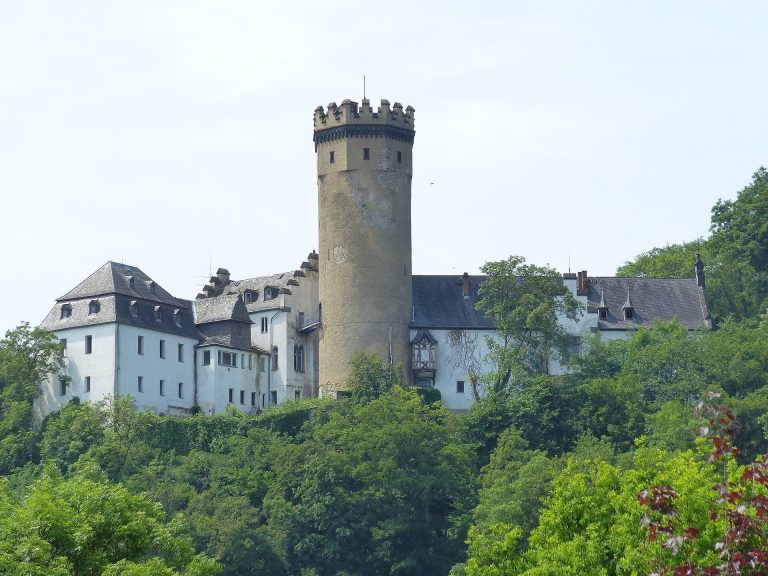
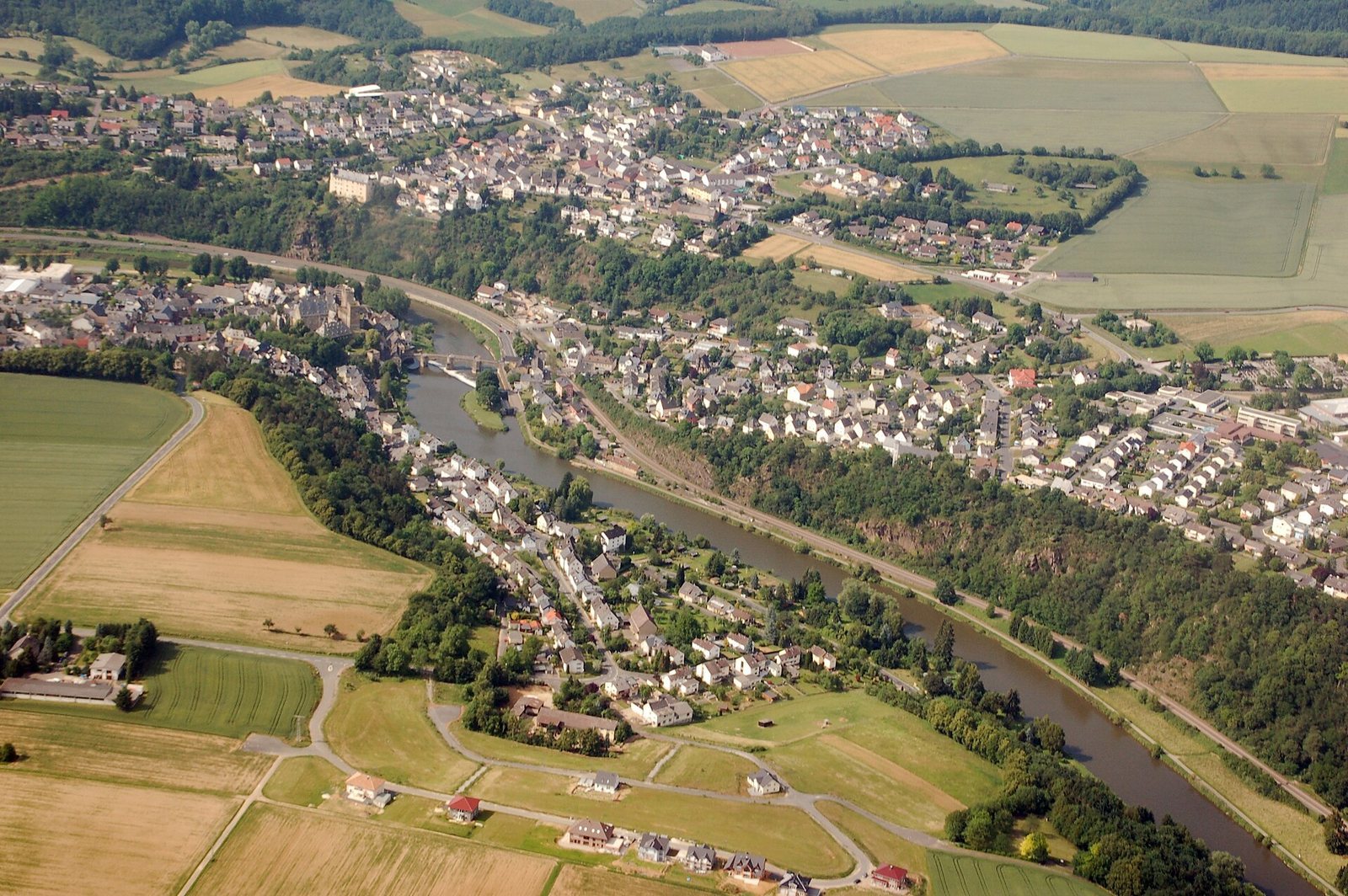
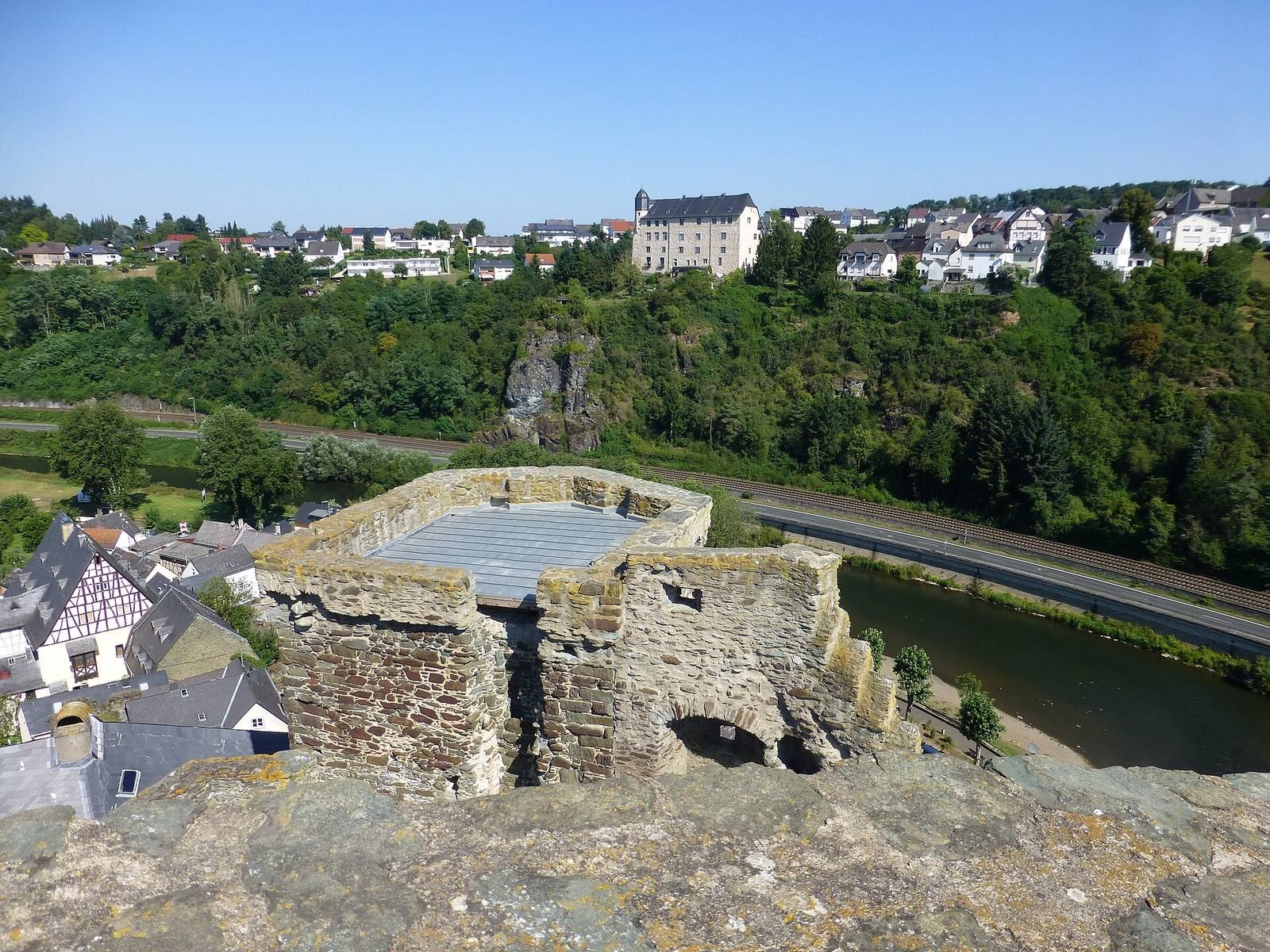
The castle occupies a projecting, steep hillside about 50 metres above the River Lahn, opposite Runkel Castle. Its principal surviving building is a well-preserved rectangular structure of three and a half storeys, with a staircase tower on its west side. The building contains privately used apartments.
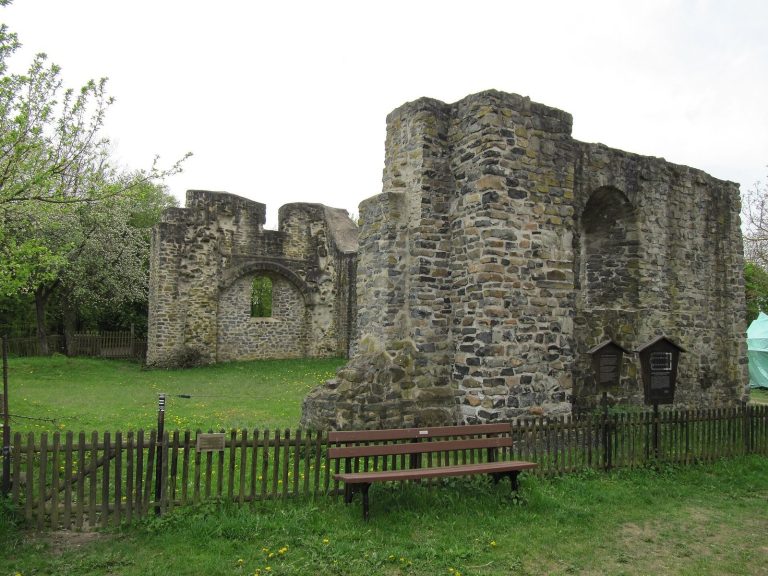
Only limited traces and foundation walls remain of the castle’s other buildings.