Burgberg: A Prehistoric Hillfort and Later Deaconess Home in Germany
Site at a Glance
- Popularity
- Very Low
- Country
- Germany
- Primary era
- Iron Age
- Eras represented
- Stone Age, Iron Age
- Civilizations
- Hallstatt culture
- Site type
- Military
- Remains
- Fort
On this page6 sections
History
Prehistoric occupation
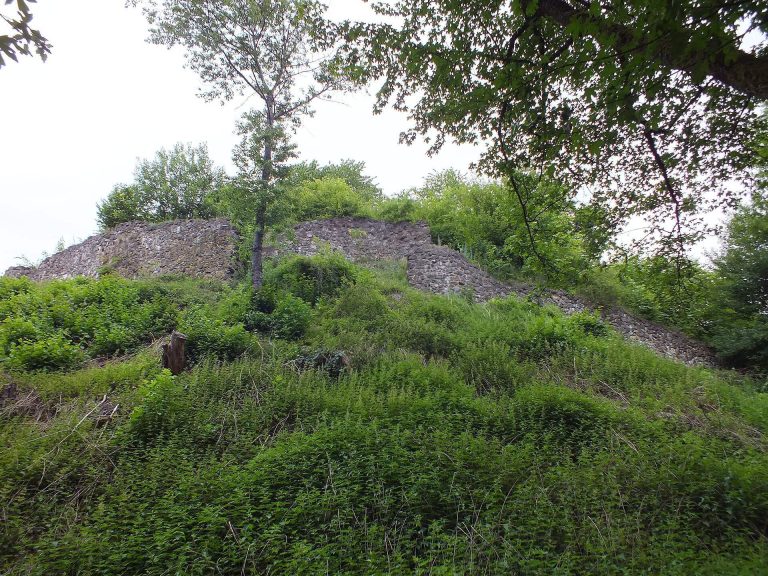
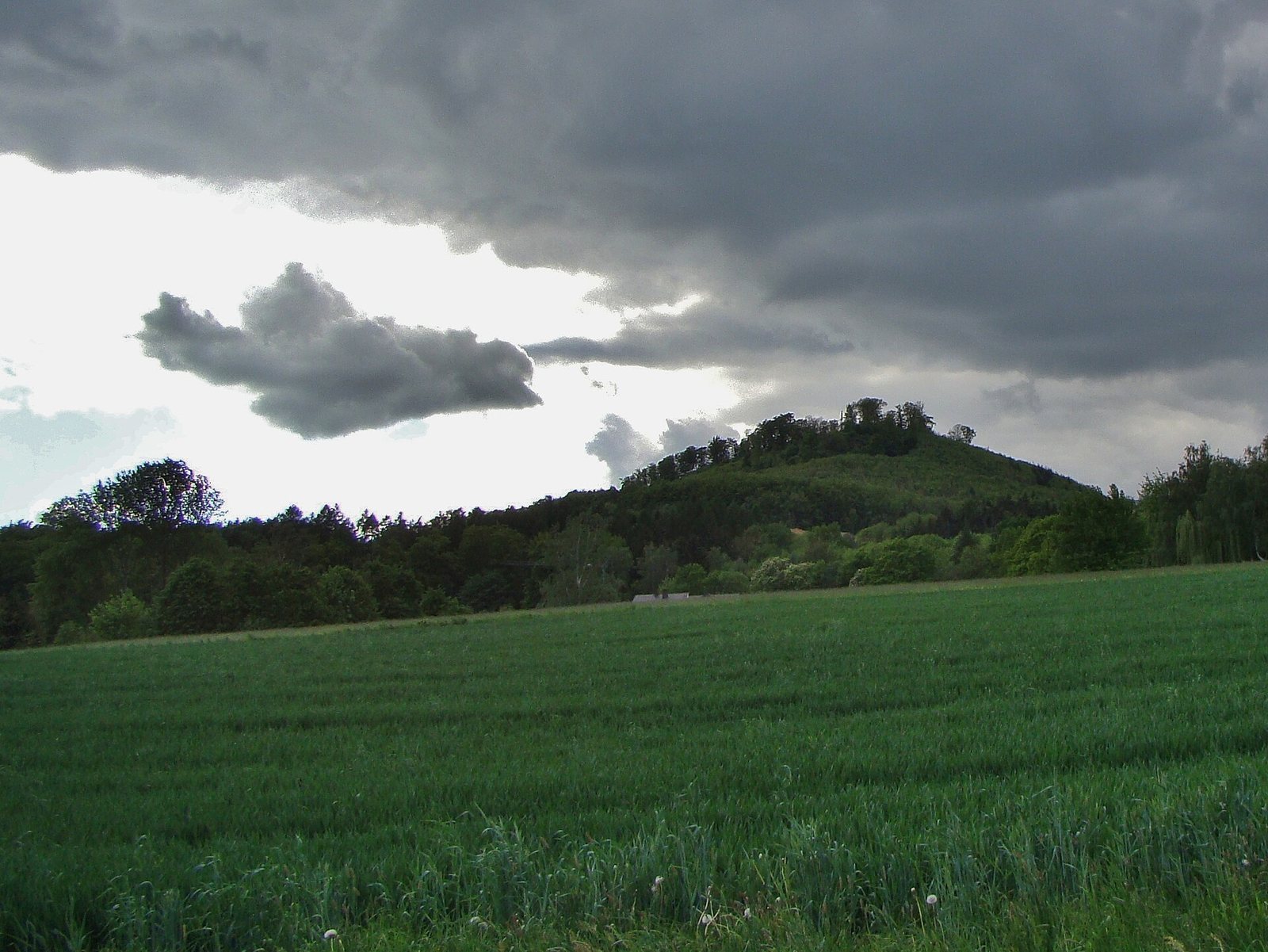
Burgberg is a prehistoric hillfort on a wooded basalt summit in the Langenberge, immediately west of Großenritte in Germany. Its ringwall enclosure was occupied about 6,000 years ago and again between 800 and 400 BC, during the Hallstatt culture, an early Iron Age culture of central Europe.
Hunting lodge and deaconess home
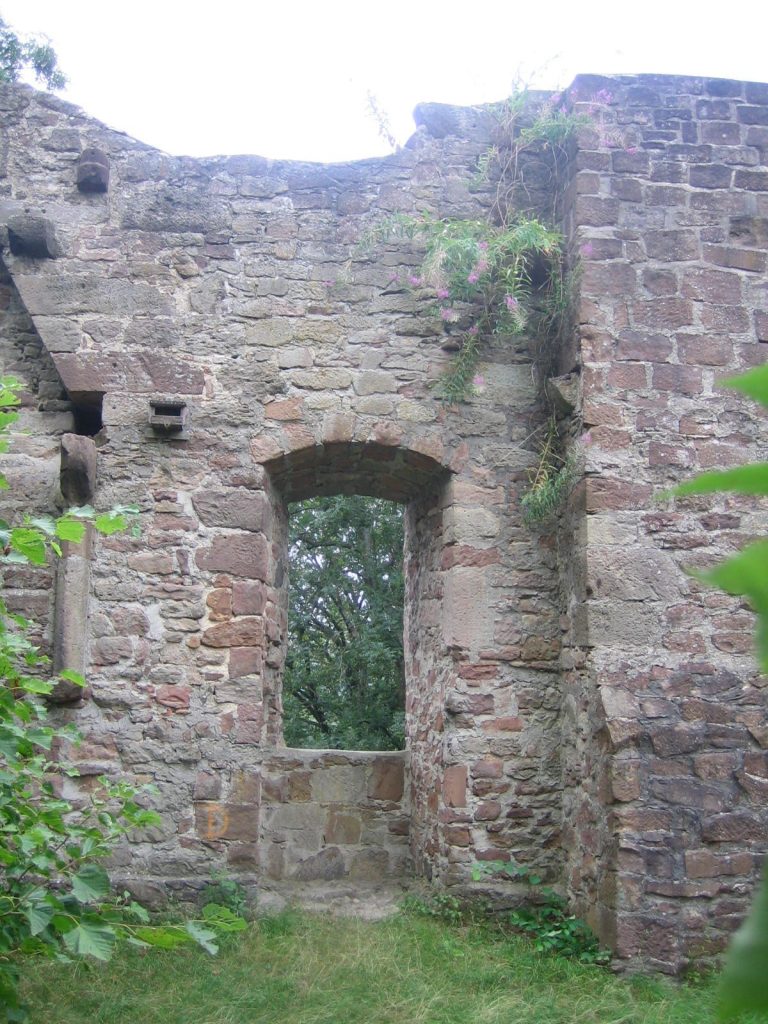
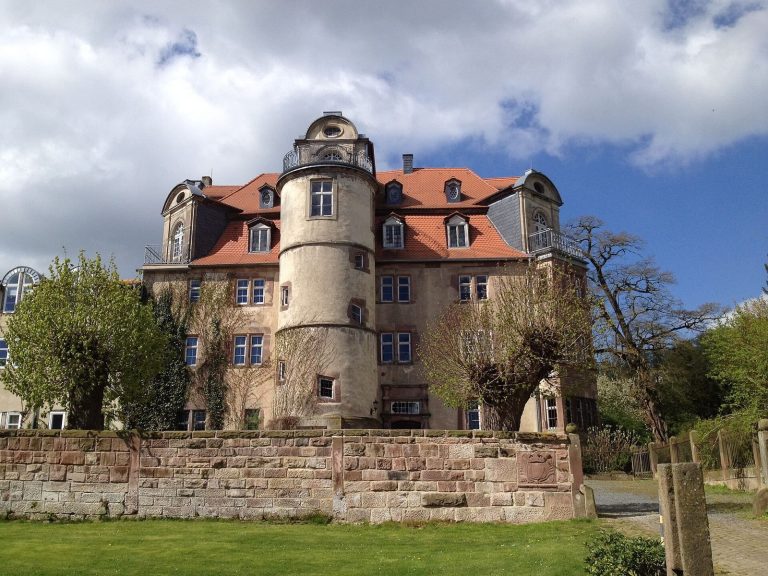
Shortly before the Electorate of Hesse-Kassel ended, Prince Heinrich von Hanau had a hunting lodge built on the hill. His parents were Elector Frederick William I, a ruler entitled to participate in choosing the Holy Roman Emperor, and Gertrude von Hanau. Heinrich was born of their morganatic marriage, a union between people of unequal rank that did not normally give the spouse or children the higher-ranking partner’s dynastic rights. When Prussia annexed Hesse-Kassel in 1866, the lodge was still only a shell. It remained unused for ten years.
In 1877, the Renitent Church of the Unaltered Augsburg Confession in Hesse acquired the building to establish a home for older and ill people. The church was a predecessor of the Independent Evangelical Lutheran Church. Its name referred to the Augsburg Confession, a foundational statement of Lutheran faith, and the planned institution was a deaconess home, associated with women’s Christian nursing and charitable work. Gertrude, by then the widow of the last elector and Princess Hanau of and at Hořowitz, became a founding benefactor and signed the foundation deed. The Hessian Deaconess House, Gertrudenstift, was named after her. The lodge deteriorated and was demolished in 1972.
Remains
Hillfort enclosure
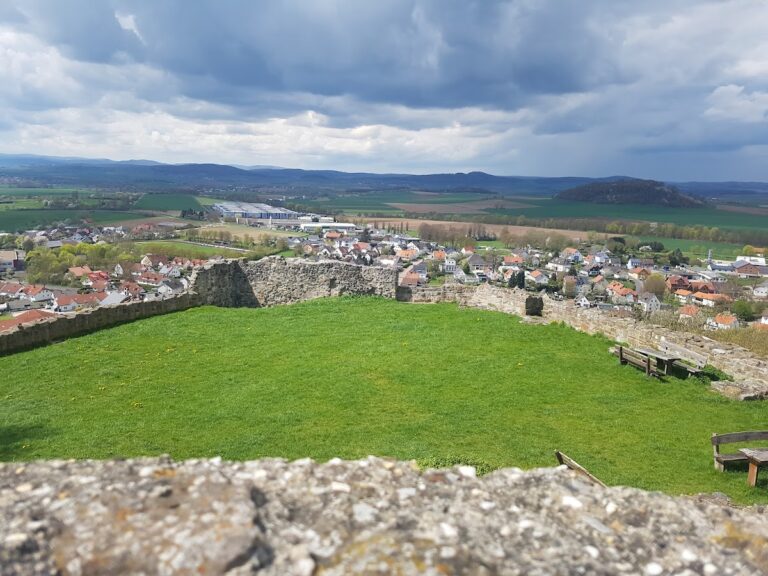
The Großenritte hillfort occupies the upper part of Burgberg, a 439.6-metre basalt summit of an extinct volcano. Its ringwall, a defensive enclosure around a hilltop, surrounds about 2.5 hectares. Steep rock faces meant that one side needed stronger fortification. The hill is almost continuously wooded.
Lodge and quarry
The former hunting lodge stood on the eastern slope. A large basalt quarry extends along the southeastern slope.