Avenches Castle: A Medieval Residence and Bernese Administrative Seat
Site at a Glance
- Popularity
- Very Low
- Country
- Switzerland
- Primary era
- Medieval
- Eras represented
- Medieval, Early Modern
- Civilizations
- Holy Roman Empire, Swiss
- Site type
- Domestic
- Remains
- Castle
On this page5 sections
History
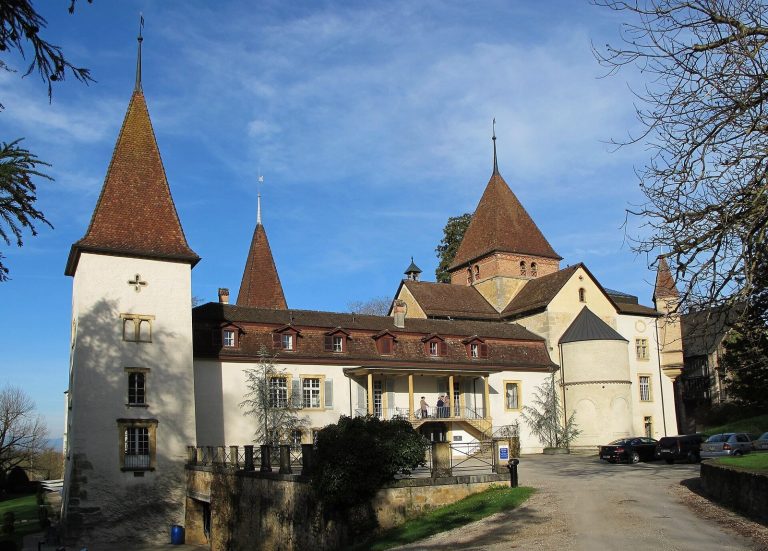
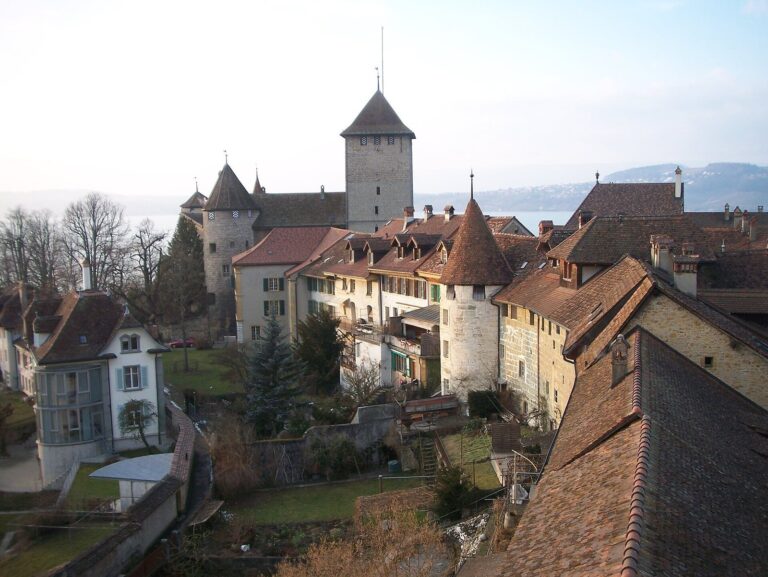
Avenches Castle stands on the summit of Avenches hill in Switzerland. The present medieval castle, built in the Renaissance style, began in 1175 and was completed during the 13th century. It originated as a residence and later became an administrative seat under Bernese rule.
Early castle and medieval residence
The earliest recorded castle on the hill belonged to Count Wilhelm of Burgundy in 607 and was destroyed in 616. Construction of the present castle began much later, in 1175. It may have belonged to Pierre Mayor of Avenches before the Bishop of Lausanne purchased it in 1363. The bishop was the senior church authority in the Lausanne diocese and also held property and political rights.
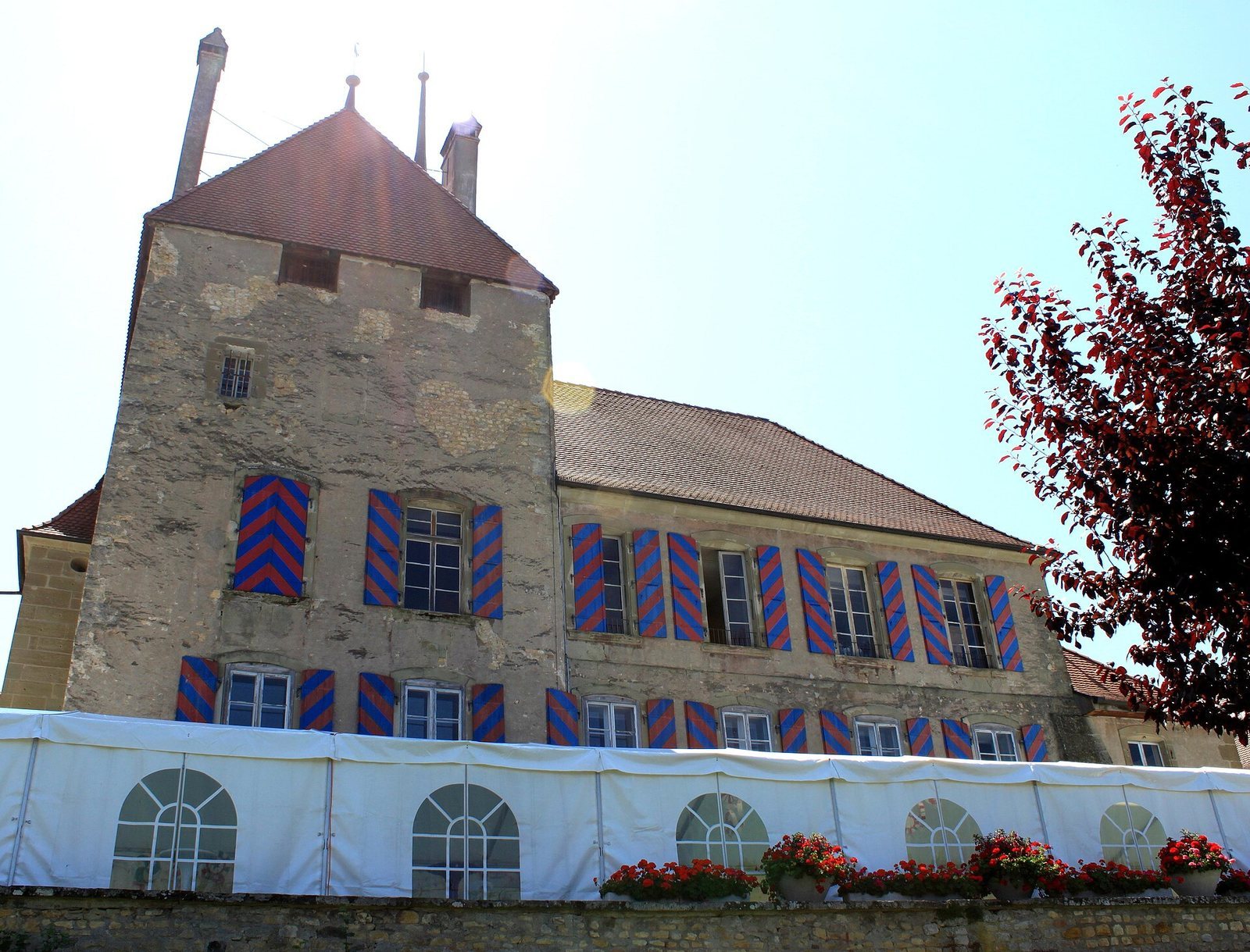
In 1375, the bishop added a square tower and outbuildings. The castle’s original purpose was residential.
Bernese rule
After Bern conquered the region in 1536, the castle became the residence of 49 successive bailiffs, officials who administered territory on Bern’s behalf. Major building works began in 1550 and continued for about 200 years under successive architects, including Antoine Balanche of Neuchâtel.
Municipal and later uses
On 23 January 1804, the municipality of Avenches bought the castle and adjoining property from the canton. The municipality sold the land a few years later, while the castle was rented to private occupants and used for municipal administration and courts. It also served as a school from 1838. Avenches Castle is designated a Swiss cultural property of national significance.
Remains
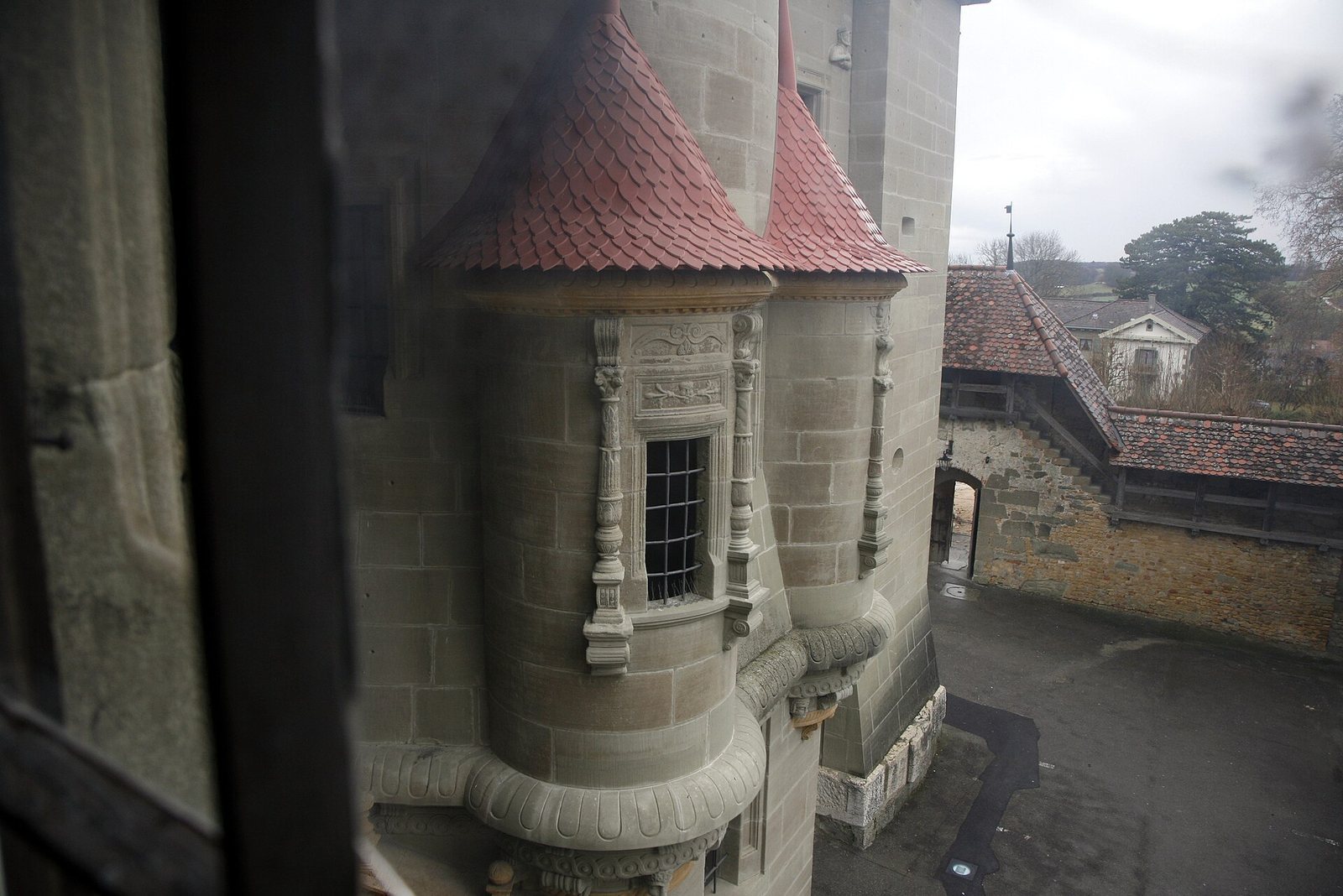
The castle occupies the summit of Avenches hill. Its medieval origins and Renaissance style shape the surviving complex, which includes the main building and a square tower. Outbuildings stood west of the main building.
The castle’s former prison floors, the third and fourth storeys, now house an art gallery. A former classroom is used by a local music society.