Manoir de Castella and the Chapel of the Trinity, the Virgin Mary, and Saint Anthony of Padua: A Manor Estate in Switzerland
Site at a Glance
- Popularity
- Very Low
- Country
- Switzerland
- Primary era
- Early Modern
- Eras represented
- Early Modern
- Civilizations
- Swiss
- Site type
- Domestic
- Remains
- Manor House
On this page4 sections
History
The manor’s origins and early history
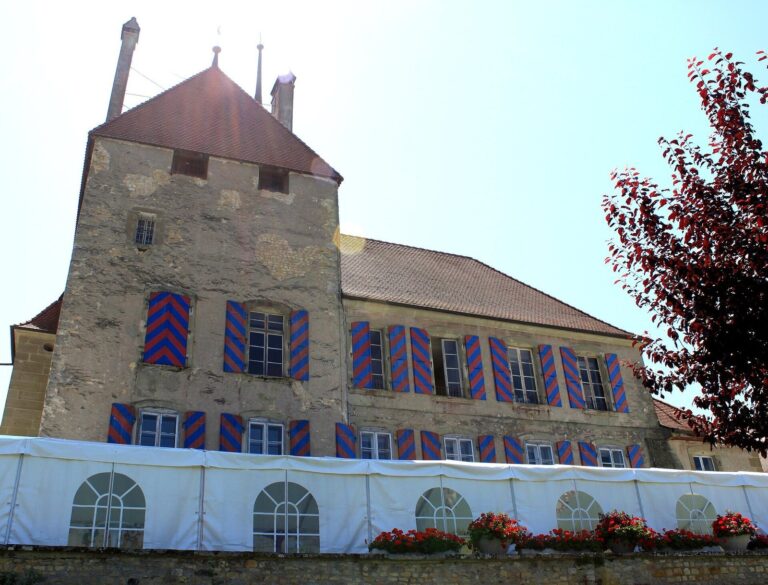
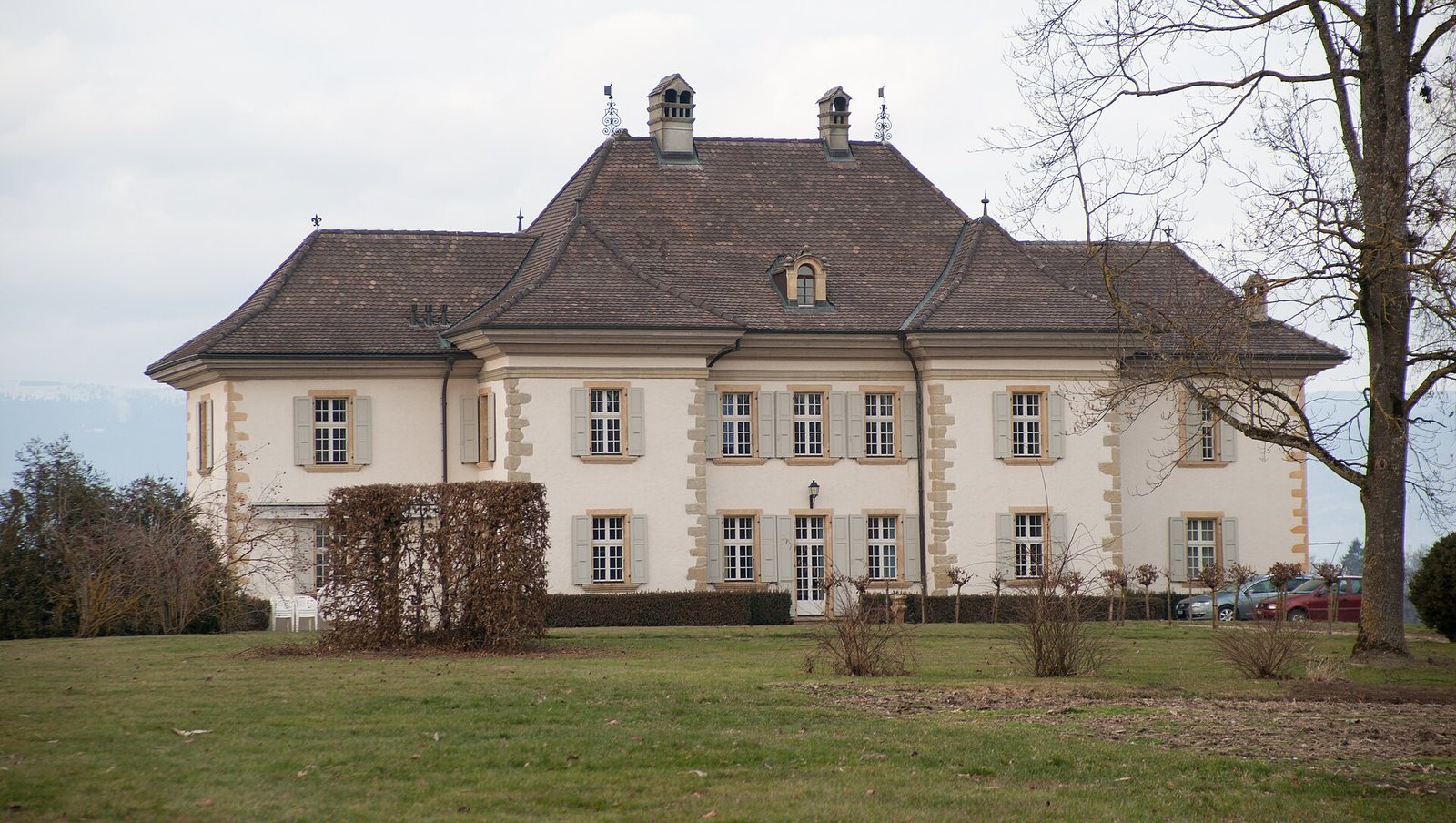
The Manoir de Castella, with the Chapel of the Trinity, the Virgin Mary, and Saint Anthony of Padua, is a manor estate in Delley-Portalban, Switzerland. In 1679, Jean de Castella and his eldest son, Nicolas, purchased the seigneury of Delley, a territorial lordship associated with land and authority. A first castle was probably built around that time. Construction of the present manor probably began in 1706 under Jean-Antoine de Castella, with architect André-Joseph Rossier carrying out the work.
In 1710, Jean-Antoine had the chapel built in gratitude for surviving the War of the Spanish Succession (1701–1714), a European conflict over the Spanish throne and the balance of power. On 26 and 27 April 1718, the castle hosted a diplomatic conference between the authorities of Fribourg and Neuchâtel.
Expansion and later use
From 1774 to 1776, Joseph-Tobie-Ignace de Castella added two pavilions, one on each side of the manor. Architect Antoine-Laurent-Charles de Castella was responsible for the project.
The manor was uninhabited from 1911 until 1941. That year, Pierre de Castella inherited the estate, renovated the house, and moved in. In March 1983, after more than three centuries in the Castella family, the manor was sold to the Swiss Federation of Plant Breeders, which researches seeds. The Château de Delley Foundation was established to conserve the building. The site is now used for offices and conference rooms by several organizations, including Swisssem. It is protected as a historic monument and recognized as a Swiss cultural property of national importance.
Remains
The built group comprises the manor, two flanking pavilions, and a chapel. One pavilion stands on either side of the manor, defining the documented arrangement of the principal buildings.
The chapel is dedicated to Saint Anthony of Padua and forms part of the named complex.