Lackenbach Castle: A Moated Castle in Austria
Site at a Glance
- Popularity
- Medium
- Country
- Austria
- Primary era
- Early Modern
- Eras represented
- Early Modern
- Civilizations
- Habsburg, Hungarian
- Site type
- Domestic
- Remains
- Castle
On this page6 sections
History
Construction and ownership
Lackenbach Castle is a moated castle in Burgenland, Austria, built between 1548 and 1552 under Erasmus von Teufel, a sixteenth-century Austrian nobleman. It was later enlarged under Archbishop Nicolaus Oláh, a senior bishop with authority over an ecclesiastical province. Geronimo Mariano was the architect for the enlargement.
Count Nikolaus Esterházy took possession of the castle in 1618. A Hungarian nobleman and statesman, he later became palatine of Hungary, the kingdom’s highest-ranking official after the monarch.
Fire and later use
A fire partially damaged the castle in 1787. During subsequent alterations, its northwest wing was demolished.
From 1997, the castle was developed as a nature museum and began hosting exhibitions about its history and courtly hunting.
Remains
Castle complex
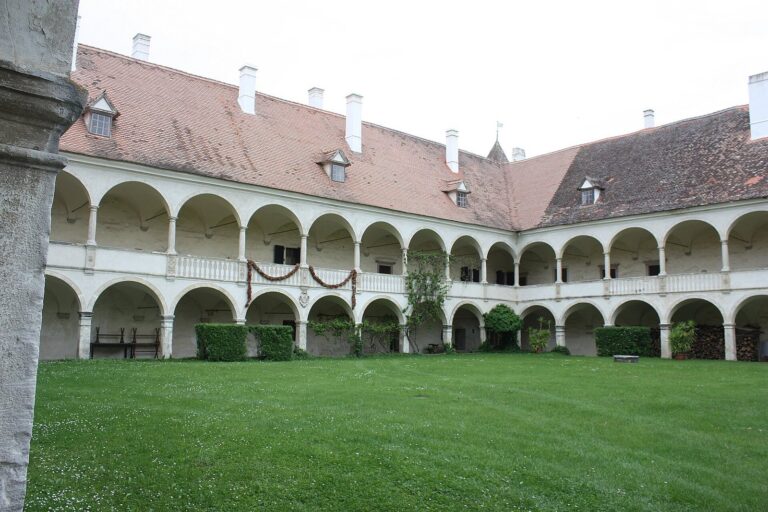
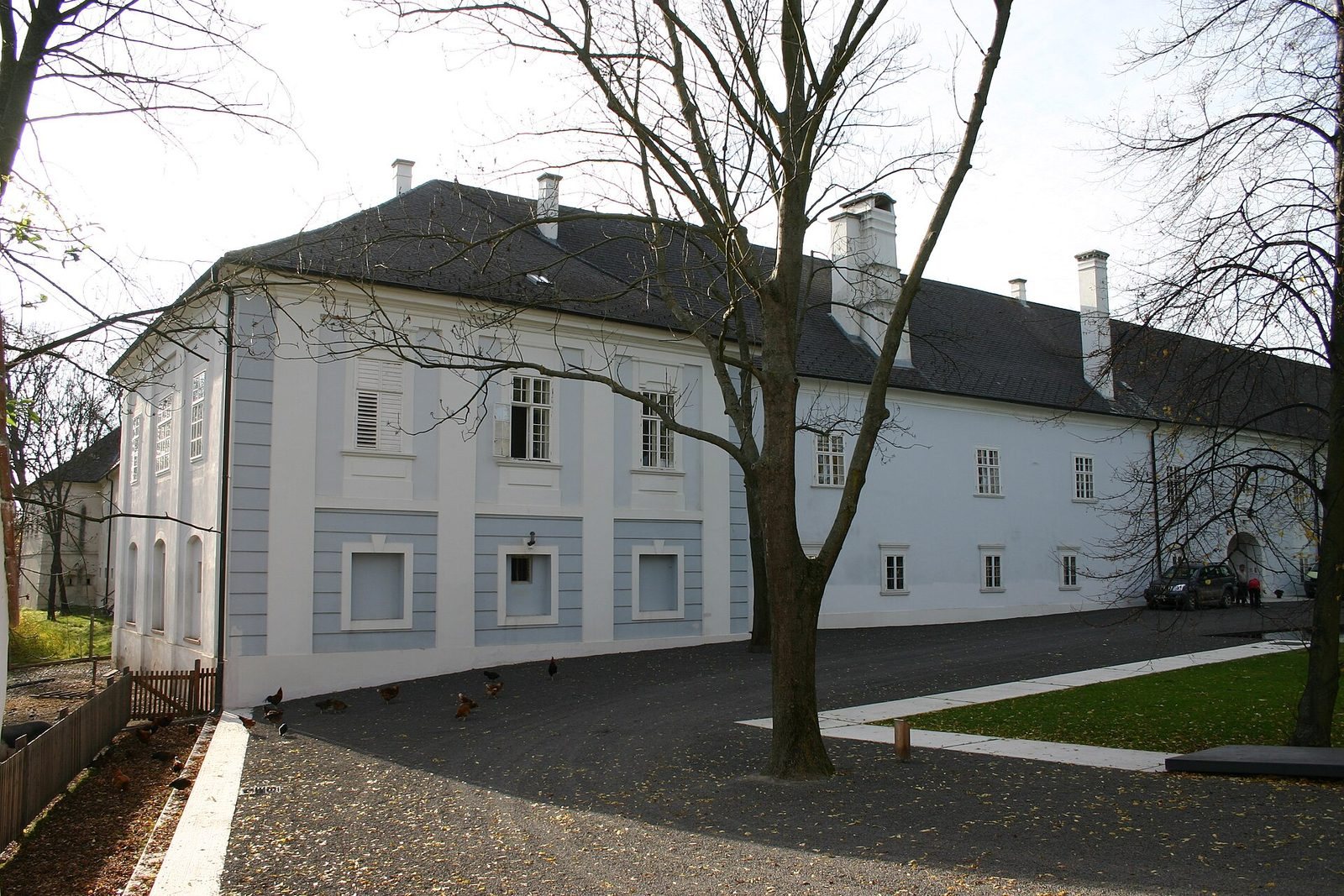
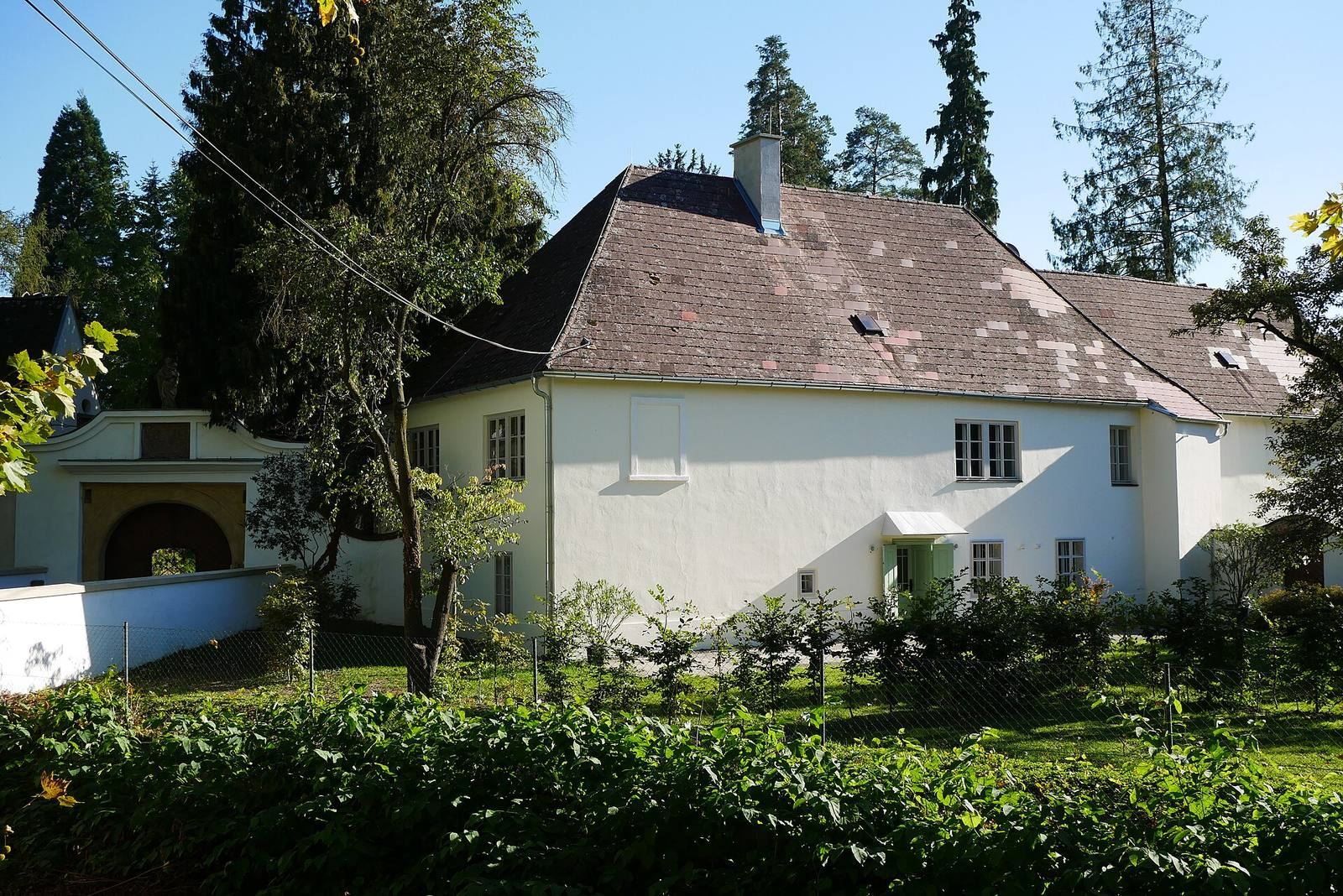
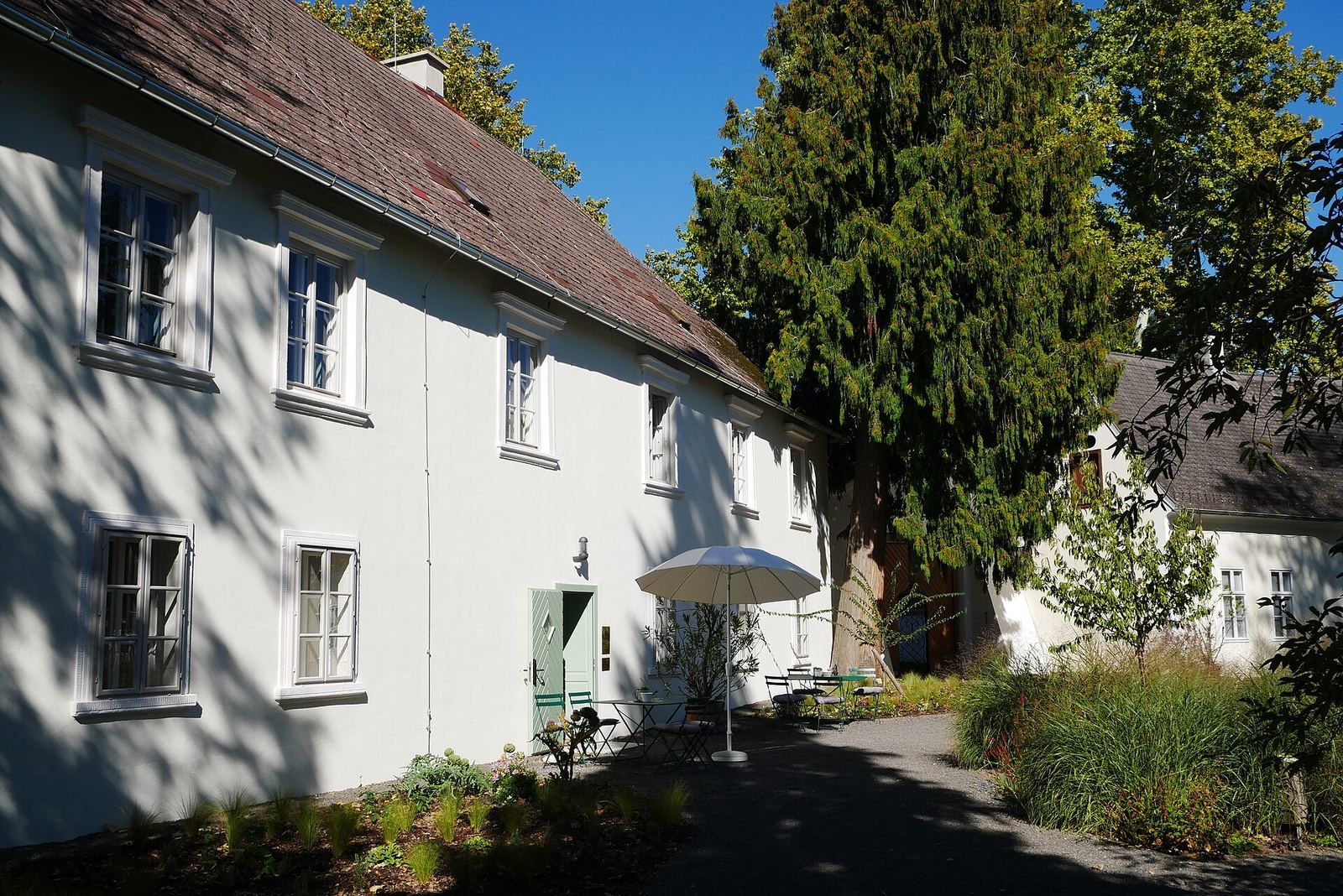
The complex stands southeast of Lackenbach, and part of its moat survives. Its layout includes a two-storey main building, an elongated single-storey service wing in the castle courtyard, and a small administrator’s building.
Entrance and courtyard features
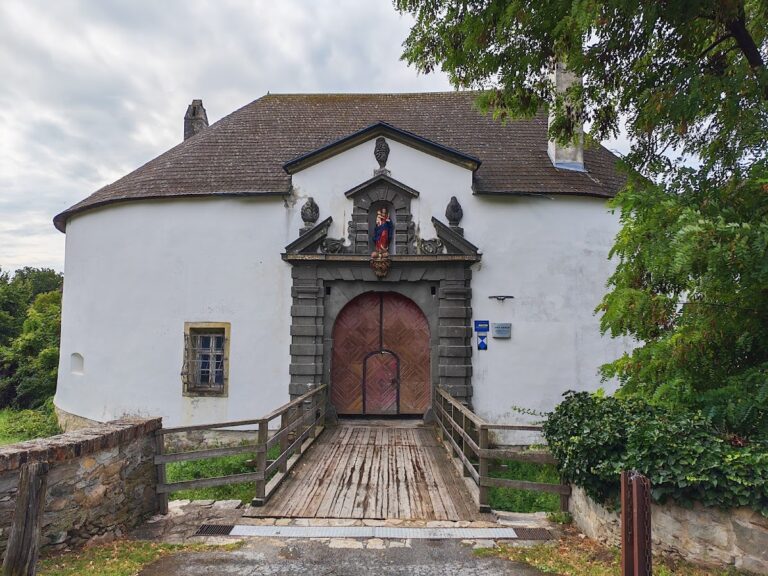
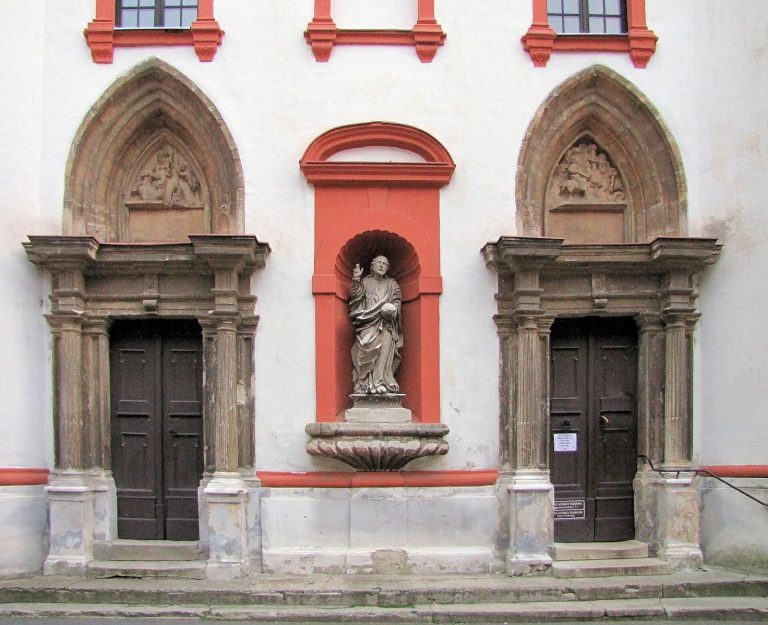
The round-arched main portal retains the rollers of the former drawbridge. Above it are a statue of Mary, the mother of Jesus in Christian tradition, and a combined heraldic emblem of the Esterházy and Dersffy families. The complex also includes a gate to the inner courtyard and a guesthouse known as Oberjäger.