La Brangelie Castle: A Historic Residence in France
Site at a Glance
- Popularity
- Very Low
- Country
- France
- Primary era
- Medieval
- Eras represented
- Medieval, Early Modern, Modern
- Civilizations
- French
- Site type
- Domestic
- Remains
- Castle
On this page6 sections
History
Joumard and Achard lordship
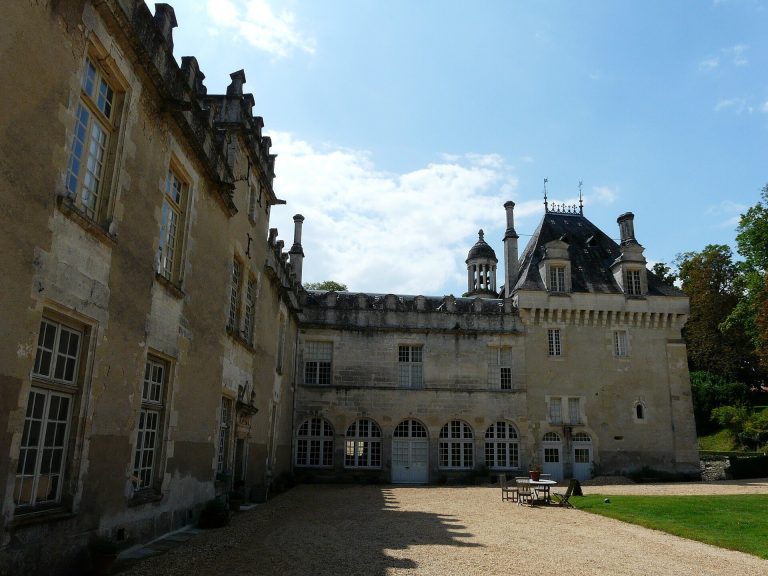
La Brangelie Castle is a historic residence at La Brangelie in Vanxains, France. Its fortified base dates to the late fifteenth century, and the history of the property is closely tied to the changing ownership of the lordship of Brangelie, a domain in which a lord held land and authority.
Bernard de Joumard is the earliest known lord of Brangelie. In 1415, Jeanne de Joumard, who held the lordships of Brangelie and Sufferte, married Jacques Achard, Viscount of Pommiers, a noble title. Jean Achard de Joumard later held Brangelie and Houlmes and shared the lordship of Sufferte. He married Gilberte de La Cropte de Lanquais on 27 April 1516 and later married Marguerite de Vaux, lady of Houlmes. When Jean died on 1 April 1542, his son Jacques, from his first marriage, succeeded to Brangelie.
Jacques held Brangelie, Légé, and part of Sufferte. He married Catherine de Montardit on 25 November 1544. Their eldest son, Poncet Achard de Joumard, held Brangelie and Sufferte, as well as Loirat and Fougerat. Poncet’s eldest son, Antoine Achard de Joumard, held Brangelie and Légé.
Transfer to the Beynac and Chataigner families
On 25 November 1659, Nicolas and Antoine Achard de Joumard transferred the lordship of Brangelie to their sister Jeanne to provide her dowry. Jeanne had married Jean-François de Beynac on 24 February 1642; she was widowed by 20 January 1670 and had eight children. Their son Jean-François received the lordship when he married Isabeau Joumard de Sufferte on 17 September 1678. He died at the château on 27 January 1696.
Jean-François’s daughter Jeanne, born on 2 November 1685, married her first cousin Antoine du Chataigner, lord of La Chataigneraie, bringing the château into his family. Germain du Chataigner, Antoine’s second son, inherited the property in 1756. After his cousin Marc died without an heir in 1758, Germain became Marquis of La Chataigneraie, a noble title. A deed dated 17 May that year identifies him as lord of Brangelie and resident at the château. He and his sister Pétronille lived there unmarried. After Germain’s death, she inherited his property; when she died on 23 December 1787, the château and marquisate passed to their distant cousin Bernard-Joseph-Charles du Chataigner.
Revolution and present use
In 1793, during the French Revolution, the political upheaval in France from 1789 to 1799, the lord of Brangelie, styled the Marquis of Vanxains, was held captive and strangled in the château’s cellars. The property is privately owned and used as a residence.
Remains
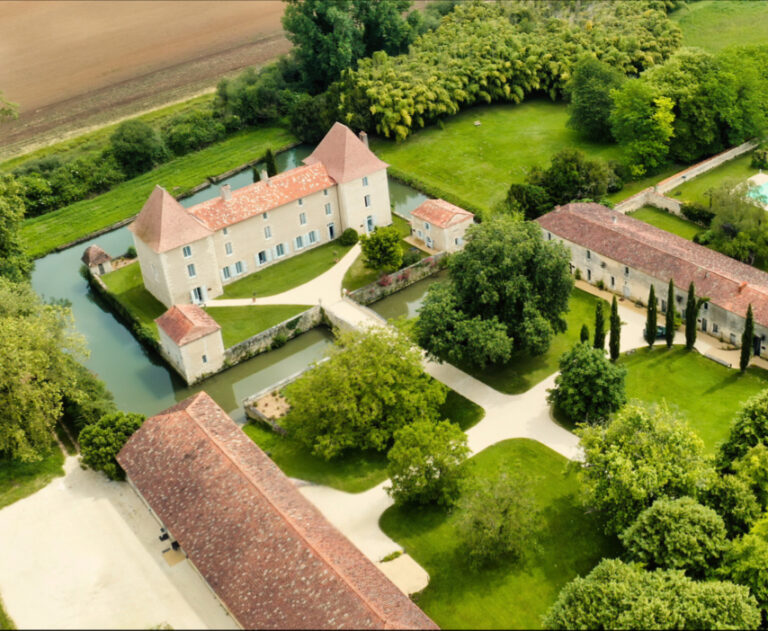
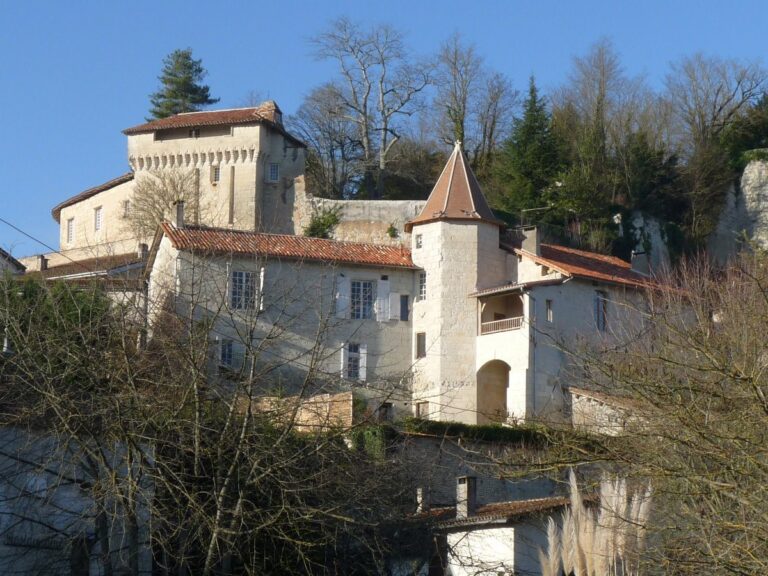
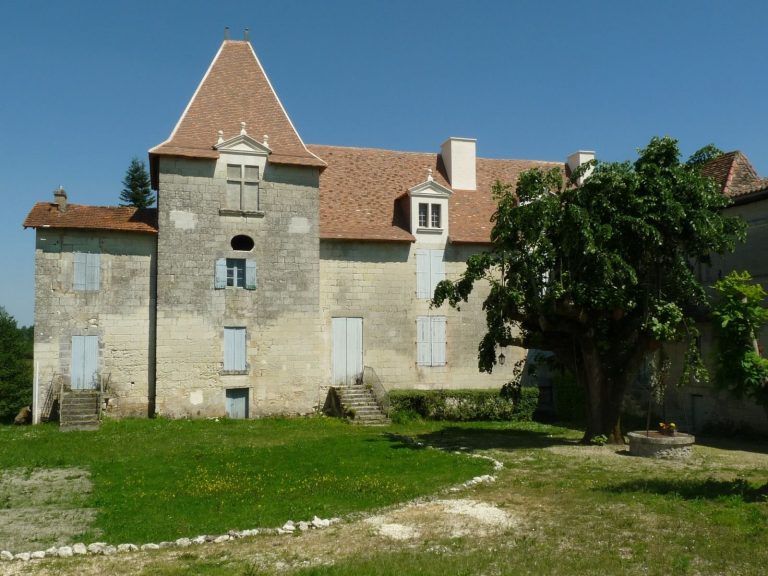
The château complex
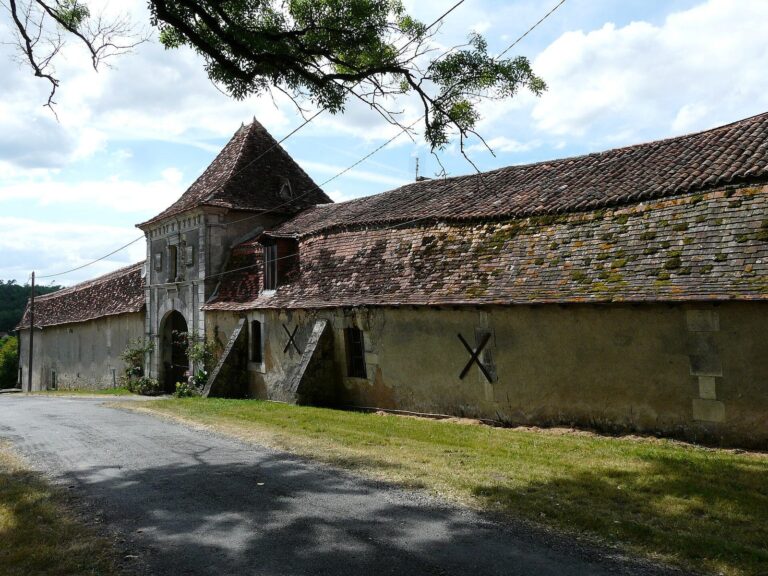
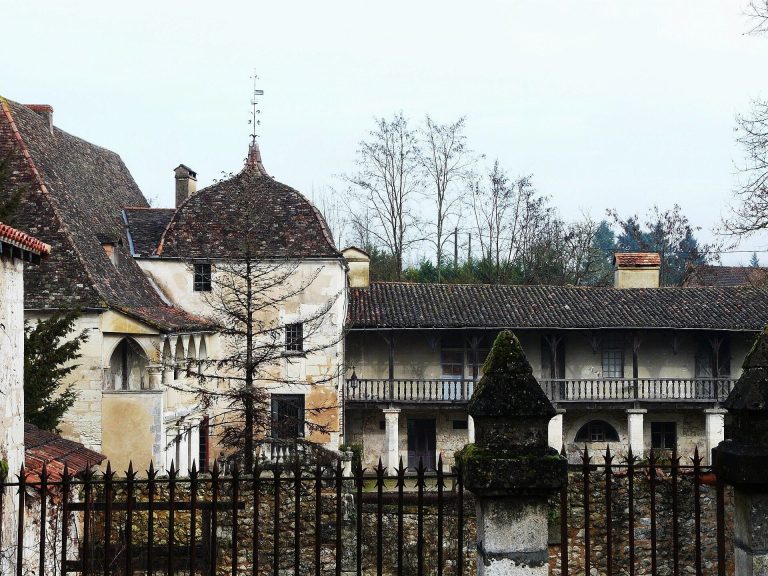
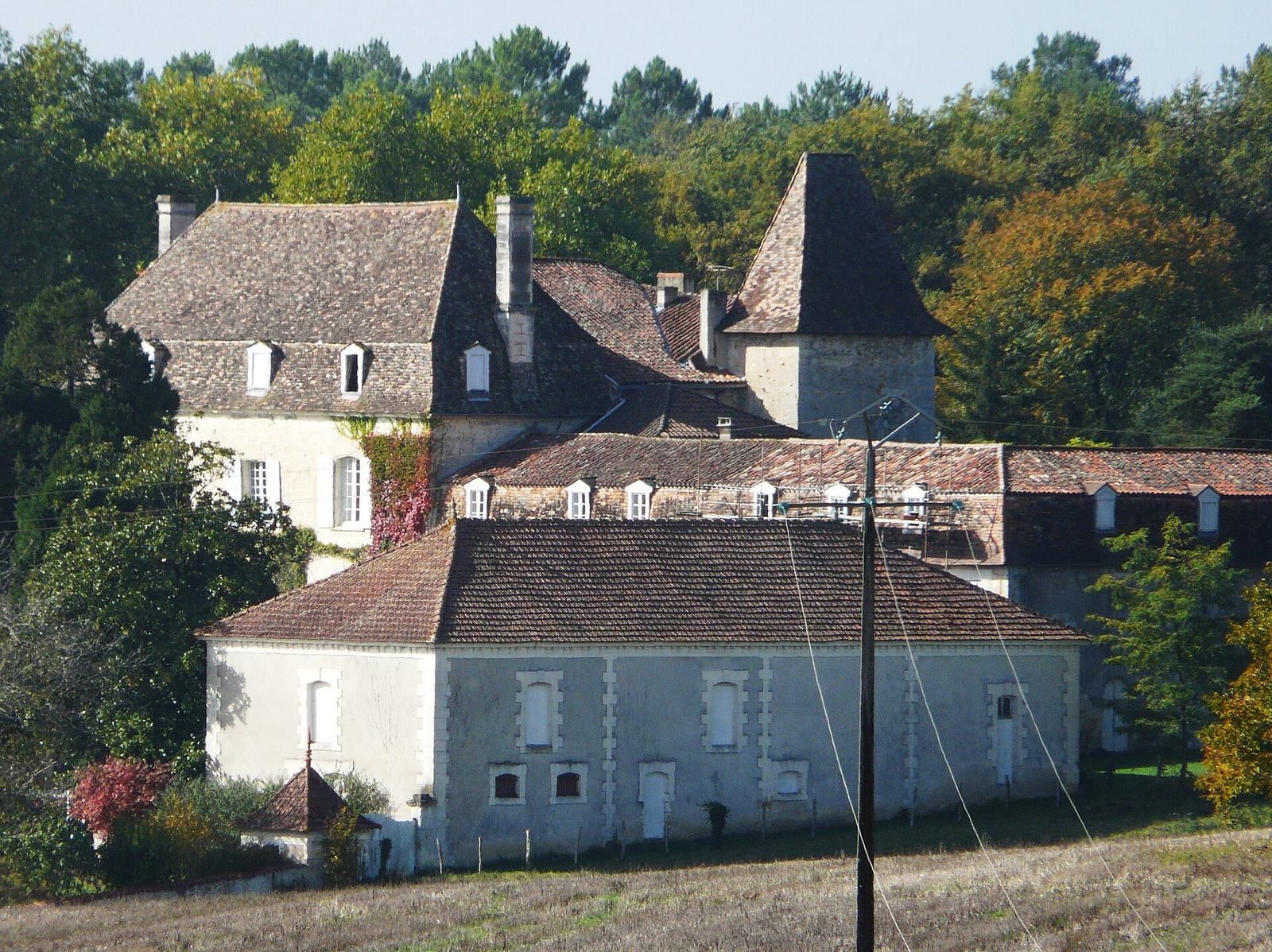
The complex comprises a fortified base, two residential buildings, and ancillary buildings. The fortified base dates to the late fifteenth century, while the residences and ancillary buildings were added in the eighteenth and nineteenth centuries.