Monsec Castle: A Historic Residence in Dordogne
Site at a Glance
- Rating
- 4
- Popularity
- Very Low
- Country
- France
- Primary era
- Medieval
- Eras represented
- Medieval, Early Modern, Modern
- Civilizations
- French
- Site type
- Domestic
- Remains
- Castle
On this page8 sections
History
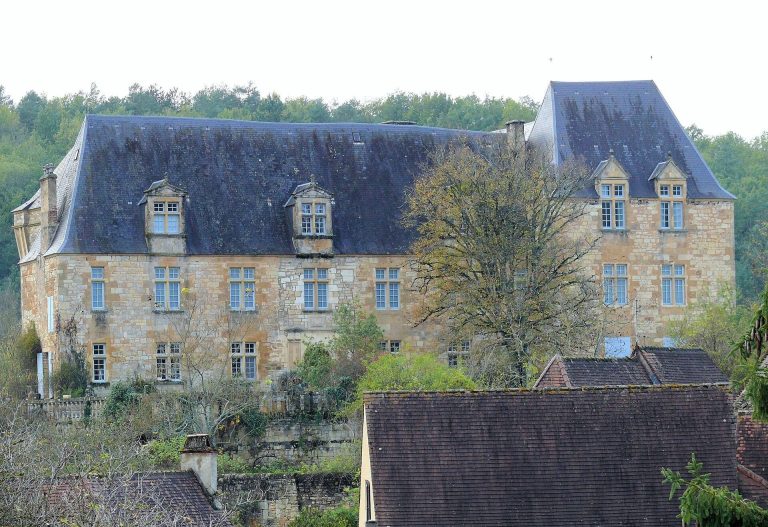
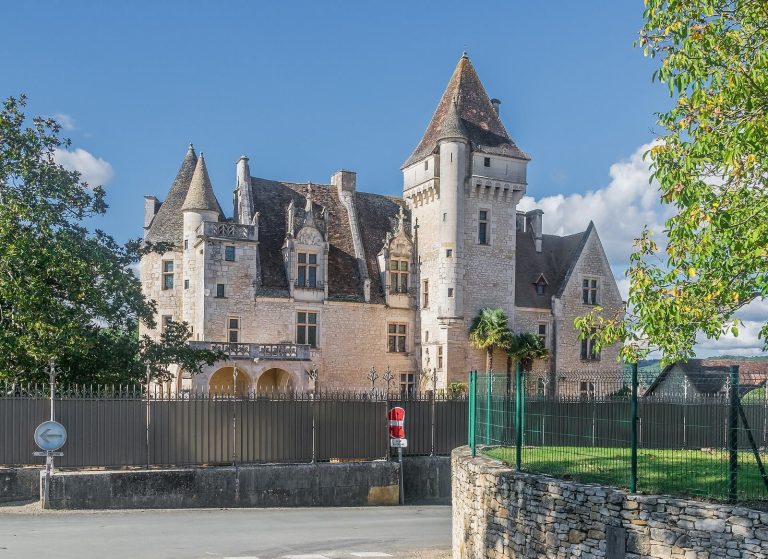
Monsec Castle is a historic residence in Coux-et-Bigaroque-Mouzens, France. Construction began on earlier foundations in the first half of the 14th century, and the building history continued into the 19th century. Its name is unrelated to the commune of Monsec, about 75 kilometres northwest in a straight line.
Twentieth-century associations and protection
Jeanne de L’Épinois, a war heroine and a knight of the Legion of Honour, France’s national order of merit, died in 1917 and was buried in the castle chapel. The French painter Maurice Utrillo painted the castle in 1935 during a stay in Dordogne; the painting is believed to be in a private collection in Japan. In 1943, film director Léon Poirier filmed Jeannou at the castle.
The castle was listed as a French historic monument on 8 June 1978, with protection covering its façades and roofs. On 1 March 2005, the listing was extended to the whole castle, its outbuildings, including the chapel, and its park.
Remains
Layout and architecture
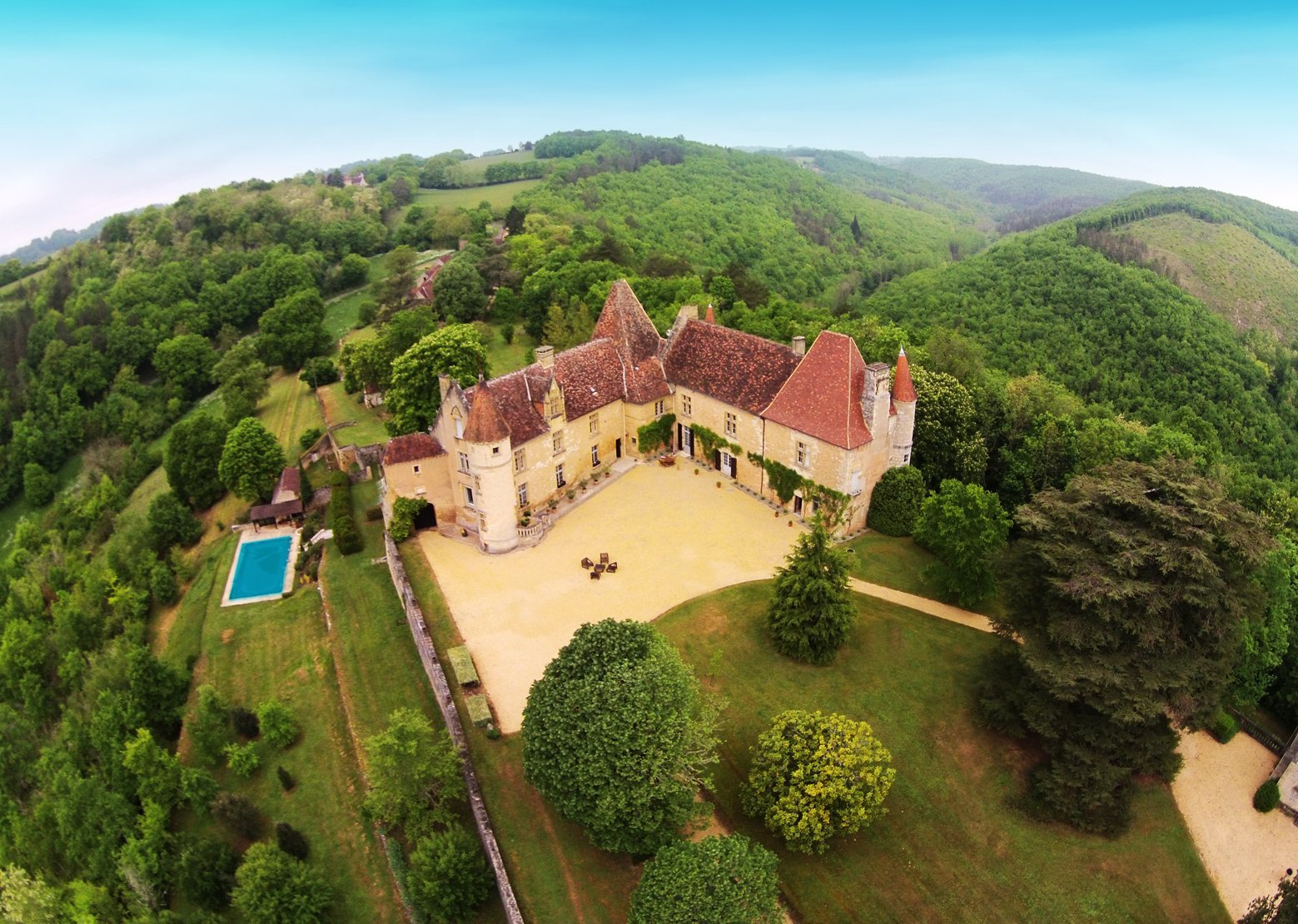
The complex stands on a rise north of Mouzens, on the right bank of the Dordogne, more than 80 metres above the valley. It lies in the Périgord Noir area of southeastern Dordogne, in Nouvelle-Aquitaine. The main residential block and an eastern wing form an open V-shaped plan.
Residential buildings
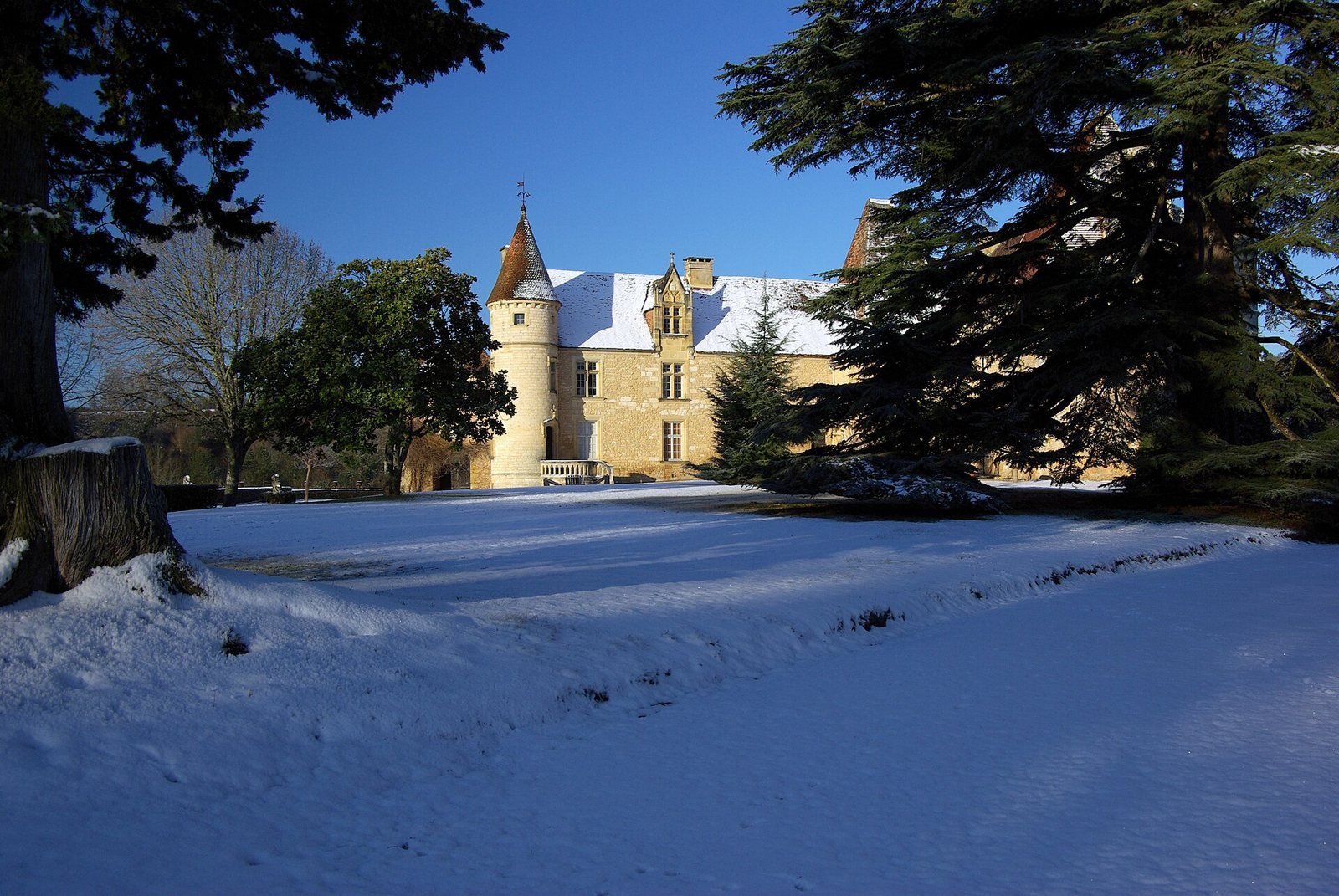
An entrance gatehouse dating to the first half of the 17th century connects to a Renaissance residential block, reflecting a European artistic movement whose architectural forms spread through France chiefly in the 15th and 16th centuries. A 19th-century tower adjoins the block on the southeast. At its northern end, a pavilion has a small projecting watch turret at its northwest corner. An eastern wing, with buildings dating from the 14th to 16th centuries, extends from the pavilion. Two turrets were added to the wing in the 19th century, one at its northwest end and another at its northeast. Sculpted figures, including demons, witches, and acrobats, decorate the façades.
Chapel
About 50 metres east of the main buildings is a chapel designed by architect Henri Nallet. Its Neo-Gothic design revives medieval Gothic forms, a style especially associated with the 19th century. The chapel contains the family tombs.
Service buildings
Several service buildings stand west of the castle: a gatekeeper’s lodge, barns, stables, a riding arena, and a kennel.
Park tower and terrace
At the extreme southeast of the park, a tower overlooks the Dordogne valley and is topped by a statue of the Virgin Mary. Since the 19th century, the statue has been associated with blessing river barges. The castle’s terrace looks over the valley and toward Château de Beytout.